
Have you ever walked into your gym, ready to crush your workout, only to find the equipment broken or out of order? It’s frustrating, isn’t it?
Broken gym equipment can slow down your progress, waste your time, and even cause injuries if you’re not careful. But don’t let this common problem keep you from reaching your fitness goals. You’ll discover why gym equipment breaks, how it affects your workouts, and what you can do to stay safe and keep moving forward.
Keep reading to make sure your next workout is smooth, effective, and injury-free.

Credit: www.amazon.com
Common Types Of Broken Gym Equipment
Gyms rely on many types of equipment to help people exercise safely and effectively. Over time, some of this equipment may break or stop working well. Knowing common types of broken gym equipment helps gym owners and users stay safe. It also helps maintain a smooth workout experience.
Broken equipment can cause injuries and disrupt workouts. Here are the most common categories of gym equipment that often face issues.
Cardio Machines
Cardio machines include treadmills, ellipticals, and stationary bikes. These machines have many moving parts that can wear out. Common problems include:
- Broken belts or chains
- Faulty motors
- Display screen failures
- Loose handles or pedals
These issues can stop workouts or cause accidents. Regular checks help catch problems early.
Weight Machines
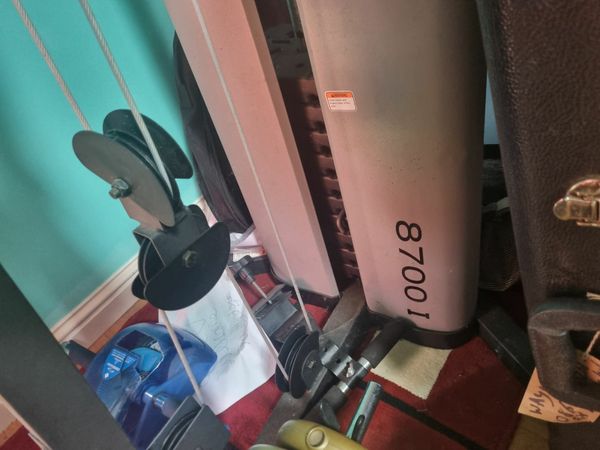
Weight machines use cables, pulleys, and weights to target muscles. They often face wear from heavy use. Common breakdowns include:
- Frayed or snapped cables
- Worn pulleys
- Broken seat adjustments
- Loose bolts and screws
Damaged weight machines can be dangerous and reduce workout quality. Timely repairs are essential.
Free Weights And Accessories
Free weights include dumbbells, barbells, kettlebells, and accessories like benches and racks. Problems here are often:
- Chipped or cracked weights
- Rusty bars or collars
- Broken bench pads
- Unstable racks
Free weight issues can cause injuries or limit exercise options. Keeping them in good shape is key.
Credit: www.donedeal.ie
Risks Of Using Damaged Equipment
Broken gym equipment poses serious risks to gym-goers. Using damaged machines can lead to injuries and disrupt workout routines. It’s crucial to understand these risks to ensure a safe and effective fitness environment.
Injury Hazards
Damaged equipment increases the risk of injury. Frayed cables may snap unexpectedly. Loose bolts can cause parts to detach. This can lead to strains, sprains, or worse injuries.
Equipment Malfunction
Malfunctioning machines can stop suddenly. Treadmills may halt mid-run. Weight machines might jam under load. Such incidents can be dangerous and unexpected.
Impact On Workout Effectiveness
Broken equipment affects workout quality. You might not achieve desired results. A faulty machine can limit exercise intensity. This hinders progress and reduces motivation.
Identifying Equipment Faults Early
Spotting problems with your gym equipment early can save you from injuries and costly repairs. If you catch faults before they get worse, your workout stays safe and uninterrupted. But how do you know what to look for before the equipment breaks down completely?
Visual Inspection Tips
Take a close look at every piece of equipment before you start your session. Check for cracks in plastic parts, loose bolts, or any bent metal frames. Don’t ignore small issues like peeling grips or worn-out cables—they often signal bigger problems.
Try to make visual checks a habit. A quick scan can reveal issues like missing screws or rust spots that might cause failure during your workout. Have you ever skipped this step and regretted it later?
Unusual Noises Or Movements
Listen carefully when using machines. Squeaks, grinding, or clunking sounds usually mean something is off. Smooth, consistent movement is what you want to feel; any jerks or wobbles should raise a red flag.
One time, I ignored a strange noise from a treadmill and it soon stopped working mid-run. That experience taught me to pay attention to sounds as an early warning system. What noises do you notice during your workouts?
Wear And Tear Signs
Look out for frayed cables, worn-out belts, or faded labels. These signs show the equipment has been heavily used and might be close to failing. Pay attention to the condition of padding and handles too—they affect both comfort and safety.
Regularly replacing worn parts can extend your equipment’s life. If you spot these signs, don’t wait—take action before the damage gets worse. Could you spot these wear signs in your gym right now?
Repairing Broken Gym Equipment
Repairing broken gym equipment is essential for safety and workout quality. Small damages can turn into big problems if ignored. Timely repairs help keep the gym running smoothly. Understanding how to fix common issues saves time and money. Knowing when to seek expert help prevents further damage. Setting up a maintenance schedule reduces the chance of breakdowns.
Diy Fixes For Common Issues
Many gym equipment problems have simple solutions. Loose bolts and screws often cause instability. Tightening these parts can restore function quickly. Worn cables may just need lubrication or replacement. Cleaning moving parts removes dirt that blocks smooth motion. Checking for obvious damage helps catch issues early. Basic tools like wrenches and screwdrivers usually suffice for repairs.
When To Call A Professional
Some repairs require expert knowledge and tools. Electrical faults in treadmills or bikes need a technician. Structural damage to frames must be assessed by a pro. Unusual noises or jerky movements signal deeper problems. Professionals ensure repairs meet safety standards. Avoid risking injury by handling complex fixes yourself. Regular inspections by a technician can catch hidden issues.
Maintenance Schedules
Regular maintenance keeps equipment in top shape. Daily cleaning prevents dust and sweat buildup. Weekly checks of bolts, cables, and belts catch wear early. Monthly lubrication of moving parts reduces friction. Seasonal professional inspections extend equipment life. Create a checklist to track maintenance tasks easily. Consistent care lowers repair costs and downtime.
Safety Tips For Gym Users
Using gym equipment safely is crucial, especially when some machines or weights might be broken or malfunctioning. Your safety depends not only on the condition of the equipment but also on how you react and take precautions. Here are essential tips to keep you safe and aware during your workout.
Reporting Faulty Equipment
Never ignore broken or damaged equipment. If you spot a loose cable, a cracked frame, or any unusual noise, report it immediately to gym staff.
This quick action can prevent accidents for you and others. Have you ever seen a piece of equipment that looked unsafe but kept using it? Think about how much risk that involved.
Proper Usage Techniques
Using equipment correctly reduces strain and prevents injuries. Read instructions or ask a trainer if you’re unsure about how a machine works.
For example, using a treadmill at the wrong speed or improper form on weight machines can lead to muscle pulls or worse. Are you confident in your technique, or could a quick check improve your safety?
Personal Protective Measures
Protect yourself by wearing proper footwear and comfortable clothing. Avoid loose items that might get caught in moving parts.
Keep a towel handy to wipe off sweat and maintain grip on handles. Small steps like these can make a big difference in preventing slips and falls during your workout.
Preventing Equipment Damage
Preventing damage to gym equipment is key for safe workouts and cost savings. Equipment breaks down faster without proper care. This leads to injuries and high repair costs.
Simple habits can extend the life of machines and weights. Users and gym staff both play important roles. Focus on handling, cleaning, and educating users to keep equipment in top shape.
Proper Handling And Storage
Always use equipment as designed. Avoid dropping or slamming weights. Store items like dumbbells and mats neatly after use. Proper placement prevents wear and tear.
- Lift weights carefully, do not throw.
- Keep machines in their designated spots.
- Use protective mats under heavy equipment.
- Check cables and joints before use.
Regular Cleaning
Clean equipment daily to avoid dirt buildup. Sweat and dust cause corrosion and damage. Use mild cleaners and soft cloths. Avoid harsh chemicals that harm surfaces.
- Wipe down machines after each use.
- Disinfect handles and seats regularly.
- Vacuum floors to reduce dust around equipment.
- Schedule deep cleaning weekly.
User Education
Teach gym users how to handle equipment properly. Clear instructions reduce misuse and accidents. Post simple guidelines near machines. Offer quick training sessions for new members.
- Explain correct machine settings and adjustments.
- Demonstrate safe lifting techniques.
- Encourage asking staff for help.
- Promote respect for shared equipment.
Gym Management Responsibilities
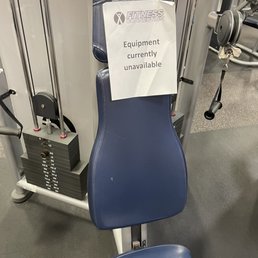
Managing a gym involves more than just keeping the doors open and machines running. You hold the responsibility for creating a safe and effective workout environment. Broken gym equipment not only disrupts workouts but also poses serious safety risks that can damage your gym’s reputation.
Routine Equipment Checks
Regular inspections are a must. You should schedule daily or weekly checks to catch wear and tear early. A torn treadmill belt or a loose weight stack can cause accidents if left unnoticed.
Use a checklist that covers every piece of equipment. This helps maintain consistency and ensures nothing is overlooked. Think about how a single missed issue once led to a member slipping—preventing that was a wake-up call to tighten your inspection routine.
Staff Training
Your team needs to know how to spot and report broken equipment immediately. Train staff to identify warning signs like unusual noises or unstable frames. This frontline vigilance can stop minor problems from becoming major hazards.
Empower your staff with clear protocols for dealing with faulty machines. Make sure they feel confident in communicating issues without delay. Have you ever wondered how much damage a quick fix could prevent if caught early?
Emergency Response Plans
Accidents happen, and your response time can save lives. Develop clear emergency plans that include steps for dealing with equipment failures. Everyone, from trainers to front desk staff, should know their role during an incident.
Practice these plans regularly through drills. This keeps your team sharp and ready to act calmly under pressure. What’s your plan if a piece of equipment breaks while someone is using it?
Credit: m.yelp.com
Frequently Asked Questions
What Causes Gym Equipment To Break Frequently?
Gym equipment breaks due to heavy use, poor maintenance, and low-quality materials. Regular inspections and timely repairs prevent frequent breakdowns. Proper user handling also reduces wear and tear, extending equipment life and ensuring safety.
How To Report Broken Gym Equipment Safely?
Report broken equipment to gym staff immediately. Use available reporting tools or speak directly to management. Avoid using faulty equipment to prevent injuries. Prompt reporting helps ensure quick repairs and maintains gym safety.
Can Broken Gym Equipment Cause Injuries?
Yes, broken gym equipment can cause serious injuries. Faulty machines may lead to falls, strains, or accidents. Always check equipment condition before use. Report damages to avoid risks and protect yourself and others.
How Often Should Gym Equipment Be Inspected?
Gym equipment should be inspected weekly or monthly, depending on usage. Frequent checks identify wear, loose parts, or damage early. Scheduled maintenance ensures equipment safety, reliability, and prolongs its lifespan in busy gyms.
Conclusion
Broken gym equipment can stop your workouts and cause injury. Fixing or replacing it keeps your gym safe and effective. Regular checks help find problems early. Reporting issues quickly helps the gym stay in good shape. Everyone benefits from well-maintained machines.
Stay active, stay safe, and enjoy your fitness journey without interruptions. Remember, a smooth workout depends on reliable equipment.







