
Have you ever walked into a gym and felt overwhelmed by all the machines and equipment around you? You’re not alone.
Knowing how to use gym equipment correctly can make a huge difference in reaching your fitness goals faster and avoiding injury. Imagine feeling confident every time you step onto the gym floor, knowing exactly what to do and how to do it.
You’ll discover simple, clear steps to master the most common gym machines and tools. By the end, you’ll be ready to take control of your workouts and see real progress. Let’s get started!
Credit: www.thegymgroup.com
Choosing The Right Gym Equipment
Choosing the right gym equipment can change how effective and enjoyable your workouts are. Not all machines and weights serve the same purpose, so understanding what fits your needs is key. You want equipment that matches your fitness level, goals, and comfort to keep you motivated and safe.
Types Of Gym Machines
Gym machines come in many shapes and sizes, each designed for specific exercises. You’ll find machines for cardio, like treadmills and ellipticals, which boost your heart health and endurance.
Strength machines focus on targeting muscle groups with guided movements, such as leg presses or chest presses. Cable machines offer adjustable resistance and a range of motion, helping you work multiple muscles with one tool.
Free Weights Vs Machines
Free weights include dumbbells, barbells, and kettlebells. They require you to control balance and form, which can improve coordination and engage more muscles.
Machines guide your movement, making them safer if you’re new or recovering from injury. But machines might limit how natural your motion feels and often focus on isolated muscles.
Think about your comfort and experience. Are you ready to challenge your stability, or do you prefer controlled, focused workouts? Both have benefits, and mixing them often works best.
Equipment For Different Fitness Goals
Your goals should steer your equipment choices. Want to build muscle? Free weights and strength machines targeting major muscle groups are essential.
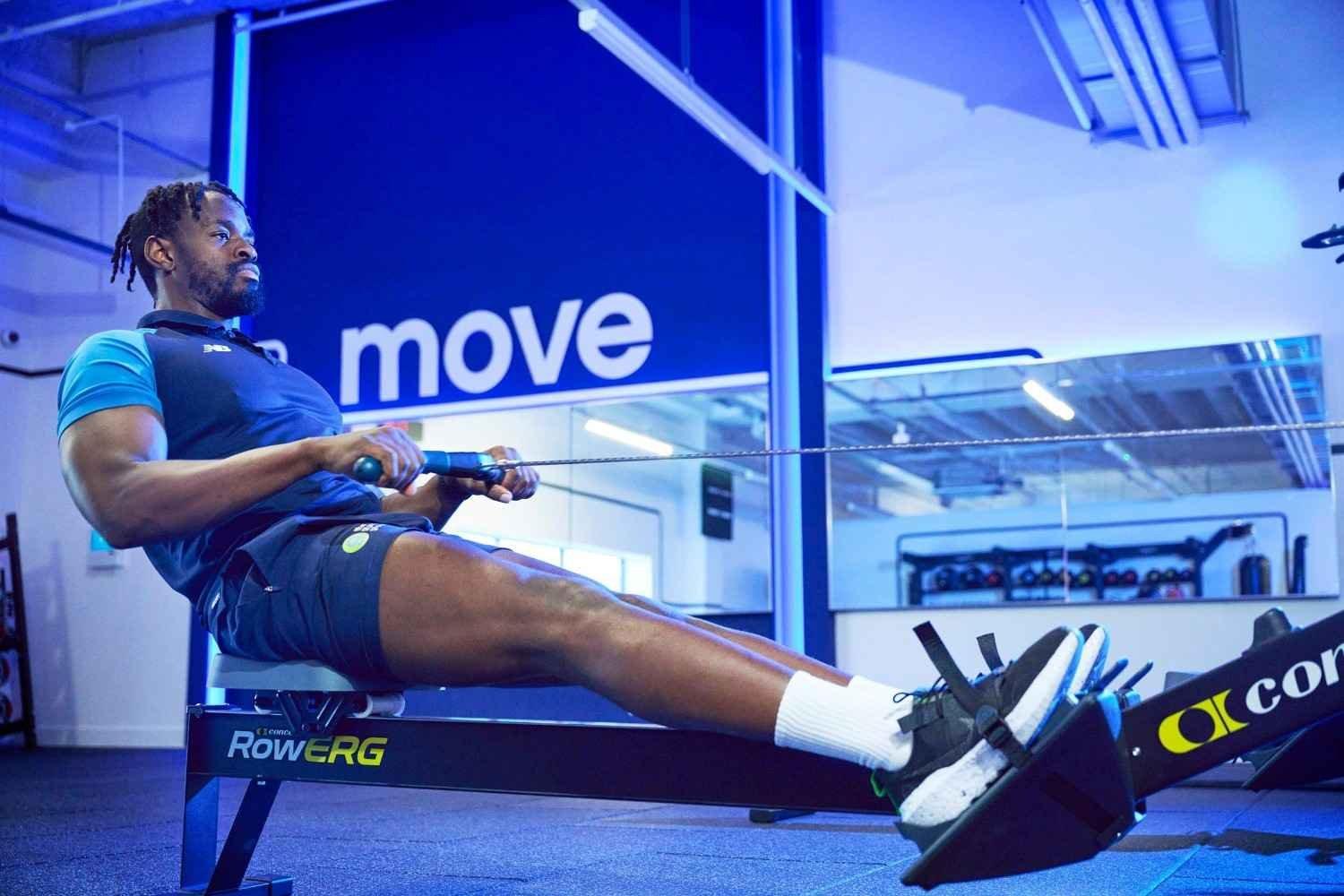
For weight loss or improved stamina, cardio machines like bikes and rowers will help burn calories effectively. If flexibility and injury prevention matter most, consider equipment that supports stretching and low-impact exercises.
Ask yourself: What do I want to achieve this month? Your answer can guide you to the right equipment, making your workouts more targeted and rewarding.
Basic Gym Equipment Setup
Setting up gym equipment correctly is crucial for a safe workout. It ensures you use the machines effectively and avoid injuries. Knowing the basics can boost your confidence and make your gym experience enjoyable.
Adjusting Machines For Your Body
Each machine has adjustable parts to fit your body size. Check the seat height and backrest position. Ensure they support your posture. Adjust the weight to match your strength level. Start with a lighter weight to get comfortable.
Proper Grip And Posture
Gripping the equipment correctly prevents strain on your muscles. Use a firm but relaxed grip. Keep your wrists straight to avoid injury. Maintain a neutral spine by standing or sitting upright. Engage your core for stability. This helps in performing exercises effectively.
Safety Checks Before Use
Inspect equipment for any visible damage. Ensure weights are securely fastened. Check cables for wear and tear. Make sure the machine is stable and on a flat surface. Wipe down equipment to prevent slipping. Follow these checks to keep your workout safe.
Using Cardio Machines
Using cardio machines effectively can transform your workout and help you reach your fitness goals faster. Each machine offers unique benefits and requires specific techniques to maximize results while preventing injury. Understanding how to adjust settings and maintain proper form makes your gym time more productive and enjoyable.
Treadmills Tips And Settings
Start by adjusting the treadmill speed to a comfortable pace where you can maintain good posture. Use the incline feature to add intensity without increasing speed, which helps build endurance and tone muscles.
Keep your shoulders relaxed and avoid holding onto the handrails; this encourages natural arm movement and better calorie burn. Try interval training by alternating fast and slow speeds to boost cardiovascular fitness efficiently.
Elliptical Machine Techniques
Position your feet flat on the pedals and keep your knees slightly bent to reduce joint strain. Focus on a smooth, controlled motion rather than rushing through the workout.
Engage your core and use the handles to work both your upper and lower body simultaneously. Switching directions halfway through your session can target different muscle groups and prevent boredom.
Stationary Bike Usage
Adjust the seat height so your knees have a slight bend at the bottom of each pedal stroke to avoid knee pain. Maintain an upright posture and avoid leaning heavily on the handlebars.
Vary your resistance levels to challenge yourself and build strength. Setting realistic goals for distance or time can keep you motivated and make your sessions feel rewarding.
Strength Training Equipment
Strength training equipment is the backbone of building muscle and improving your overall fitness. Using the right tools can help you target specific muscle groups effectively and safely. Understanding each piece of equipment’s purpose and how to use it will boost your confidence and results in the gym.
Bench Press Essentials
The bench press is a classic strength training move that focuses on your chest, shoulders, and triceps. To get started, position yourself firmly on the bench with your feet flat on the ground. Your grip on the bar should be slightly wider than shoulder-width to maximize muscle engagement.
Always use a spotter or safety bars when lifting heavy weights to prevent injury. Begin with lighter weights to perfect your form before increasing the load. Have you noticed how controlling the bar’s movement down slowly helps build strength more than rushing the lift?
Dumbbells And Barbells Guide
Dumbbells and barbells are versatile tools that let you perform a wide range of exercises. Dumbbells provide more freedom of movement and can help fix muscle imbalances, while barbells allow you to lift heavier loads with both hands.
Start by selecting a weight that challenges you but still allows proper form. For example, try dumbbell curls or barbell squats to target your arms and legs. Keep your core tight and focus on smooth, controlled motions to avoid injury and get the most from your workout.
Cable Machines And Pulley Systems
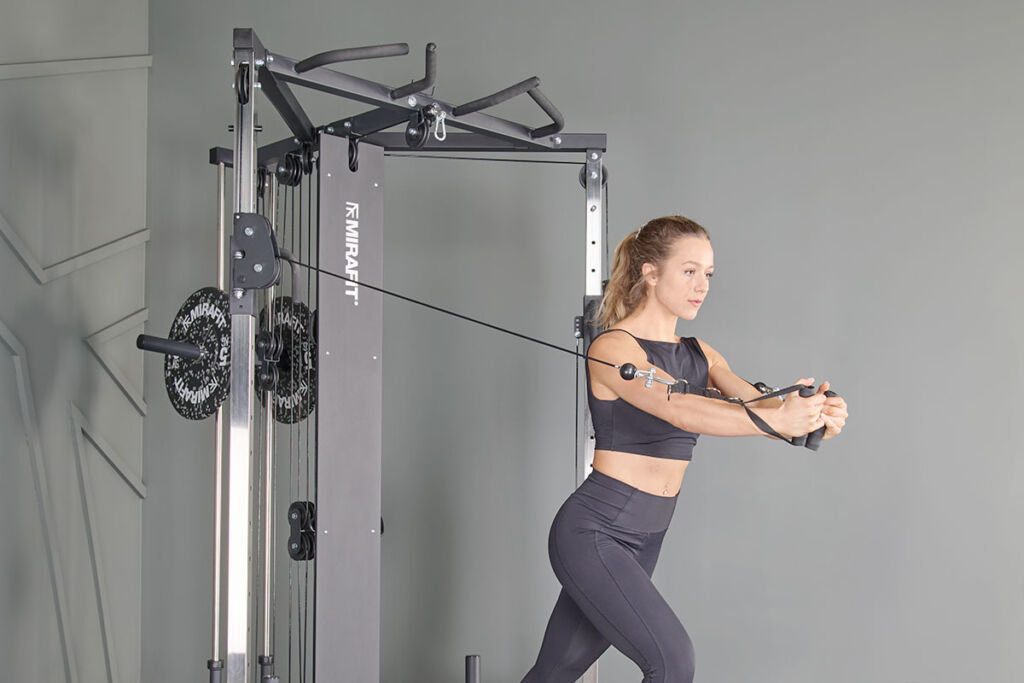
Cable machines use adjustable pulleys to create constant tension throughout your exercises. This equipment is excellent for targeting muscles from different angles and improving stability. You can easily switch attachments to focus on biceps, triceps, shoulders, or back.
Experiment with exercises like cable rows or tricep pushdowns to feel the muscle engagement. Adjust the weight stack to maintain control and avoid jerky movements. Have you tried combining cable exercises with free weights to add variety and challenge your muscles differently?
Avoiding Common Mistakes
Avoiding common mistakes at the gym is crucial for making steady progress and preventing injuries. Many people rush into their workouts without fully understanding how to use equipment properly. This often leads to setbacks that could be easily avoided with a bit more attention and care.
Overloading Weights
Choosing weights that are too heavy is one of the biggest errors you can make. It might feel tempting to push yourself to lift more, but overloading can cause muscle strain or joint damage.
Start with a manageable weight that lets you complete all reps with good control. If you can’t maintain form or finish your set, lower the weight. Remember, quality beats quantity every time.
Incorrect Form Risks
Using gym equipment with improper form is a silent progress killer. Bad posture or technique can lead to injuries and limit how much you improve.
Try recording yourself or asking a trainer for feedback on your form. Small adjustments, like keeping your back straight or aligning your knees correctly, make a huge difference. Have you noticed how much easier exercises become when you fix your form?
Ignoring Warm-up And Cool-down
Skipping warm-ups and cool-downs wastes your potential and puts your body at risk. Warm-ups prepare your muscles and joints, reducing the chance of strains.
After your workout, cooling down helps your body recover and prevents stiffness. Simple stretches or light cardio for 5-10 minutes before and after your session can improve your results and keep you injury-free.
Credit: mirafit.co.uk
Maintaining Gym Equipment Hygiene
Maintaining gym equipment hygiene is crucial not just for your health but also for the comfort and safety of everyone using the facility. Clean equipment prevents the spread of germs and helps you avoid infections or skin irritations. Paying attention to hygiene also shows respect for others who share the gym space with you.
Cleaning Before And After Use
Always wipe down equipment before you start using it. Many gyms provide disinfectant sprays or wipes for this purpose. Cleaning beforehand removes sweat and bacteria left by previous users, giving you a fresh surface to work on.
After your workout, take a moment to clean the equipment again. This habit protects the next person and maintains a sanitary environment. It only takes a few seconds but makes a big difference in gym hygiene.
Handling Shared Equipment
Shared equipment like dumbbells, mats, and machines can quickly become breeding grounds for germs. Avoid touching your face or phone while using these items to reduce contamination. If you sweat a lot, consider bringing a personal towel to place between you and the equipment.
Using hand sanitizer before and after touching shared equipment can also cut down on bacteria spread. Have you noticed how often your hands come into contact with gym surfaces? Being mindful of this can change how you approach hygiene at the gym.
Respecting Gym Rules
Gyms often have specific hygiene rules in place, such as mandatory towel use or designated cleaning stations. Following these rules isn’t just about compliance; it helps create a safer workout environment for everyone. Ignoring them could lead to avoidable health issues or even restricted access.
Next time you visit, ask staff if you’re unsure about any hygiene policies. Understanding and respecting these guidelines shows responsibility and care for your fitness community.
Tips For Building Confidence
Building confidence in the gym helps you enjoy workouts and improve faster. Feeling sure of using equipment reduces fear of injury. Confidence grows with practice and knowledge. Use simple tips to feel stronger and more comfortable during each gym visit.
Starting With Trainer Guidance
A trainer shows how to use machines correctly. They teach the right form and safety tips. Trainers answer questions and clear doubts instantly. Learning from a pro stops mistakes early. This support builds trust in your abilities.
Tracking Progress
Write down your workouts and weights lifted. Seeing growth over days motivates you to keep going. Tracking helps find what works best for your body. It also highlights small wins that boost confidence. Progress records remind you that effort pays off.
Setting Realistic Goals
Choose goals that match your fitness level. Start with easy targets, then increase slowly. Realistic goals prevent frustration and keep you encouraged. Break big goals into small steps for quick wins. Celebrate each success to stay motivated and confident.

Credit: www.pinnaclefitness.org.uk
Frequently Asked Questions
What Is The Best Way To Start Using Gym Equipment?
Begin with a warm-up and light weights. Learn each machine’s function before using it. Ask gym staff for guidance if unsure.
How Can I Avoid Injury While Using Gym Machines?
Use proper form and start with low resistance. Avoid sudden movements and listen to your body. Stop if you feel pain.
Which Gym Equipment Is Best For Beginners?
Start with machines like treadmills, stationary bikes, and weight machines. These provide controlled motion and help build confidence safely.
How Often Should I Clean Gym Equipment After Use?
Wipe down machines after every use to maintain hygiene. Use disinfectant wipes or sprays provided by the gym to prevent germs.
Conclusion
Using gym equipment safely helps you stay healthy and avoid injury. Start with light weights and learn the correct form. Take your time to understand each machine’s purpose. Ask gym staff for help if you feel unsure. Consistency matters more than heavy lifting at first.
Enjoy your workouts and watch your strength grow. Remember, every expert was once a beginner. Keep practicing and stay patient with your progress. Your body will thank you for the care you give it.







