
Are you wondering what to do with your old gym equipment that’s taking up space? Whether you’re upgrading your home gym or clearing out a commercial fitness center, getting rid of bulky machines can be tricky.
You might worry about the cost, the hassle, or even harming the environment. But it doesn’t have to be that way. You’ll discover simple, effective ways to dispose of your gym gear responsibly. Keep reading to learn how to make the process smooth, save money, and even help others in the fitness community.
Your clutter-free space is closer than you think!
Types Of Gym Equipment
Understanding the types of gym equipment is key when planning your disposal strategy. Different machines and tools require different handling. Knowing what you have helps you decide how to recycle, donate, or discard each item responsibly.
Cardio Machines
Cardio machines include treadmills, ellipticals, stationary bikes, and rowing machines. These often contain electronic parts and motors, which means you need to separate components before disposal. Have you checked if your local recycling center accepts electronic gym equipment?
Many cardio machines are bulky but still usable. Donating them to community centers or schools can give them a second life and reduce waste.
Strength Training Gear
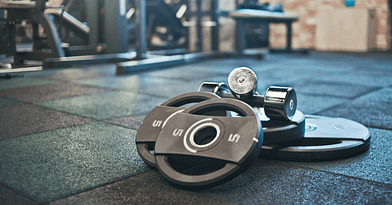
This category covers free weights, weight benches, squat racks, and cable machines. Most of these are made from heavy metal, making them ideal for scrap metal recycling. Have you considered selling or giving away pieces that are still in good condition?
Strength gear is often modular, so you can dismantle parts to recycle or repurpose. This approach saves space and reduces disposal costs.
Accessories And Small Items
Accessories like resistance bands, yoga mats, dumbbells, and foam rollers may seem insignificant, but they add up. These items are usually easier to donate or recycle than larger machines. Are your smaller items cluttering your space or ready to help someone else?
Check the material of these items—rubber, foam, plastic—to find the right recycling option. Even worn-out accessories can sometimes be repurposed or composted.
Why Recycle Gym Equipment
Recycling gym equipment helps reduce waste and saves resources. It keeps metal and plastic out of landfills, protecting the environment. Donating or recycling old gear supports a cleaner, healthier planet.
Recycling gym equipment is essential for a sustainable future. Old equipment often ends up in landfills, which harms our environment. By recycling, we can reduce waste and help our communities. Let’s explore the reasons why recycling gym equipment is beneficial.Environmental Benefits
Recycling gym equipment protects natural resources. It reduces the need for new raw materials. This process minimizes deforestation and energy consumption. Less energy means lower greenhouse gas emissions. Also, recycling helps conserve water, crucial for the planet.Reducing Waste
Old gym equipment takes up space in landfills. Recycling reduces this waste significantly. Keeping landfills smaller helps the environment. It also reduces pollution. Landfills release harmful gases and toxins. Recycling limits these emissions, protecting air and soil quality.Supporting Community
Recycling gym equipment benefits local communities. Donated equipment can be reused by schools or community centers. This promotes healthy living for everyone. It also provides affordable resources for those in need. In addition, recycling creates jobs. More recycling centers mean more employment opportunities. This strengthens local economies and fosters community growth.Preparing Equipment For Disposal
Preparing gym equipment for disposal helps ensure a smooth, safe process. Proper preparation protects your space and the environment. It also makes recycling or donation easier.
Cleaning And Maintenance
Remove dirt, sweat, and dust from all surfaces. Use a mild detergent and a soft cloth to wipe down equipment. Clean moving parts to prevent rust or damage. Dry everything thoroughly to avoid mold growth. Proper cleaning makes equipment safer to handle and more acceptable for donation or recycling.
Disassembling Large Items
Take apart machines that are big or heavy. Use tools like screwdrivers or wrenches to remove bolts and screws. Keep small parts in labeled bags to avoid losing them. Disassembling makes transportation and disposal easier and safer. It also helps recycling centers process materials faster.
Checking Condition
Look over each piece of equipment carefully. Identify any broken or worn parts. Note if the item still works or needs repair. This helps decide if you should recycle, donate, or trash the equipment. Clear condition checks avoid surprises during disposal.
Credit: www.239haulers.com
Recycling Options
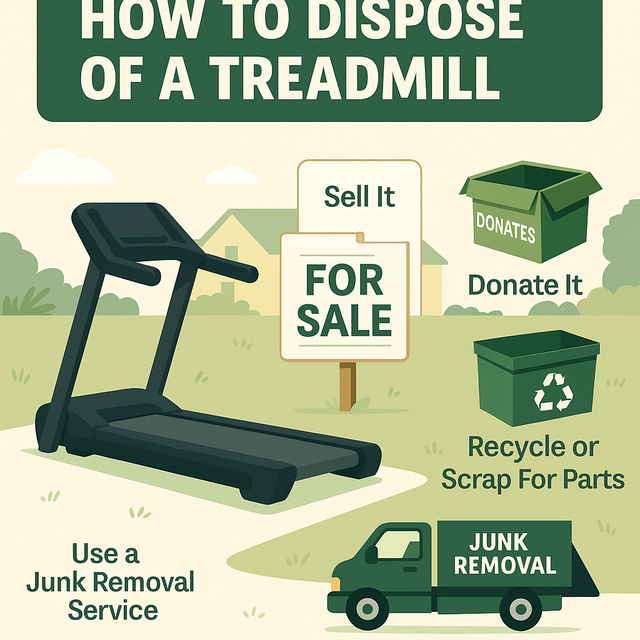
Recycling your old gym equipment not only clears up space but also helps reduce waste and supports environmental health. You have several practical options to ensure your gear doesn’t end up in a landfill. Each choice offers unique benefits depending on the condition of your equipment and your personal goals.
Local Recycling Centers
Many communities have recycling centers that accept metal, plastic, and electronic parts from gym equipment. Before dropping off, check which materials they accept to avoid wasted trips. Some centers even offer pickup services for bulky items, making it easier to recycle heavy treadmills or weight machines.
Have you ever wondered how much of your old treadmill could be reused? Separating parts like steel frames and electronic components can increase the chances they’ll be recycled properly. Calling ahead to confirm policies can save you time and ensure your equipment is handled responsibly.
Donation To Charities
If your gym gear is still in usable condition, donating it can make a big difference. Local community centers, schools, or nonprofits often welcome donations to help others stay active. This option extends the life of your equipment and supports those who might not afford new gear.
Think about the impact your unused weights or exercise bikes could have on someone else’s fitness journey. Many charities offer free pickup, so donating can be hassle-free. Just make sure to clean and test your equipment before handing it over to ensure safety for the next user.
Selling Or Trading
Selling or trading your gym equipment can be a win-win if you want to recoup some value. Online marketplaces and local fitness groups provide platforms to reach buyers looking for secondhand gear. Setting a fair price based on condition and brand can attract serious buyers quickly.
Ever considered trading your old equipment for something new? Some fitness stores and apps allow exchanges that reduce waste and keep your routine fresh. Whether selling or trading, clear photos and honest descriptions boost your chances of success.
Specialized Recycling Services
Specialized recycling services make disposing of gym equipment easier and more responsible. These services handle bulky, heavy, or complex items that regular waste management can’t process properly. They ensure your old machines don’t end up harming the environment but instead get reused or recycled thoughtfully.
Pick-up And Drop-off
Many specialized recyclers offer convenient pick-up and drop-off options. You can schedule a pick-up right from your home or gym, saving you the hassle of transporting heavy equipment. Alternatively, some centers allow you to drop off items at their facility, which can be a quick solution if you’re nearby.
Think about how much effort you’ll save by having experts handle the logistics. Plus, these services often provide receipts or certificates proving your equipment was recycled properly—helpful if you care about tracking your environmental impact.
Eco-friendly Disposal Companies
Eco-friendly disposal companies focus on minimizing waste and maximizing reuse. They break down gym machines into parts, recycling metals, plastics, and electronics separately. This process reduces landfill waste and recovers valuable materials.
Choosing such companies supports green business practices and helps reduce pollution. Have you checked if your local recycler partners with eco-friendly disposal firms? It might make a big difference in your equipment’s final destination.
Manufacturer Take-back Programs
Some gym equipment manufacturers run take-back programs for their old products. These programs accept used machines and either refurbish or recycle them responsibly. It’s a great way to ensure your equipment stays within a sustainable lifecycle.
Contacting the manufacturer directly can give you clear options for disposal. Do you know if your equipment’s brand offers this service? It’s worth checking before looking elsewhere, as these programs often provide free or low-cost disposal solutions.
Credit: nixxitjunk.com
Tips For Safe Disposal
Disposing of gym equipment requires care and attention. Safety matters a lot to avoid injuries and damage. Follow simple tips to manage disposal without trouble.
Handling Heavy Equipment
Gym machines and weights can be very heavy. Use gloves and sturdy shoes for protection. Lift with your legs, not your back, to avoid strain. Ask for help if the item is too heavy to move alone. Clear the path before moving equipment to prevent trips and falls.
Proper Transport Methods
Choose the right vehicle for transport. Use dollies or carts to move bulky items easily. Secure equipment with straps or ropes to keep it stable. Cover sharp edges with blankets or padding to avoid damage. Drive slowly and carefully to prevent shifting during transit.
Legal Regulations
Check local rules about disposing of gym equipment. Some areas require special permits or recycling procedures. Donate usable items to charities or gyms if allowed. Avoid dumping equipment in unauthorized places to prevent fines. Contact waste management services for proper guidance on disposal.
Alternatives To Disposal
Throwing away gym equipment might seem like the easiest option, but it’s not always the best for your wallet or the environment. Instead of disposal, you can explore alternatives that breathe new life into old gear. These options can save you money and even spark creativity.
Upcycling Ideas
Upcycling turns your gym equipment into something useful and unique. Old dumbbells can become stylish bookends or doorstops. A worn-out yoga mat can be cut into floor mats for your garage or garden.
Have you tried turning a treadmill belt into a durable doormat? It’s surprisingly effective and adds personality to your entryway. Upcycling challenges you to think beyond the original use of your equipment.
Repurposing Parts
Sometimes, parts of your gym machines are still in great shape even if the whole unit isn’t. Handles, pulleys, and weights can be saved and reused in different projects. You might use metal rods as curtain rods or convert resistance bands into handy tie-downs for outdoor gear.
Look at each part and ask yourself: could this serve a new purpose? Repurposing reduces waste and gives you materials for home improvements or DIY crafts.
Repair And Refurbish
Fixing broken gym equipment can extend its life by years. A simple oiling of moving parts or tightening of bolts often solves issues. Refurbishing can also mean repainting or replacing worn-out cushions to make your gear look almost new.
Think about the last time you repaired something instead of replacing it. Didn’t it feel satisfying and saved you money? Repairing gym equipment keeps it functional and reduces the need to buy new items.
Credit: www.1800gotjunk.com.au
Frequently Asked Questions
How To Dispose Of Gym Equipment Responsibly?
Donate usable gym equipment to charities or fitness centers. Recycle metal parts at local recycling facilities. Avoid landfill disposal to reduce environmental impact.
Can I Sell Old Gym Equipment Online?
Yes, platforms like eBay, Craigslist, and Facebook Marketplace are great for selling used gym equipment. Provide clear photos and accurate descriptions.
What Items Are Accepted In Gym Equipment Recycling?
Most metal frames, weights, and some plastic parts can be recycled. Check with local recycling centers for accepted materials and guidelines.
Is Professional Gym Equipment Removal Necessary?
Professional removal ensures safe and efficient disposal, especially for large or heavy items. They often offer recycling and donation services as well.
Conclusion
Proper disposal of gym equipment helps protect the environment. Donate or recycle old machines to reduce waste. Many places accept used equipment for a second life. Avoid throwing gear in the trash, as it harms nature. Small steps make a big difference for the planet.
Choose safe and smart disposal methods every time. Keep your space clean and support eco-friendly habits. Your effort counts in saving resources and energy. Dispose of gym gear responsibly and feel good about it.







