
Imagine stepping into your own workout zone without leaving home. Your basement can transform into the perfect home gym—a space where you control everything, from the music to the schedule.
No more commuting, crowded gyms, or waiting for equipment. This article will show you how to turn your basement into a motivating, efficient gym that fits your lifestyle. Ready to unlock the full potential of your home? Keep reading to discover easy, practical steps to create a home gym basement you’ll actually want to use.
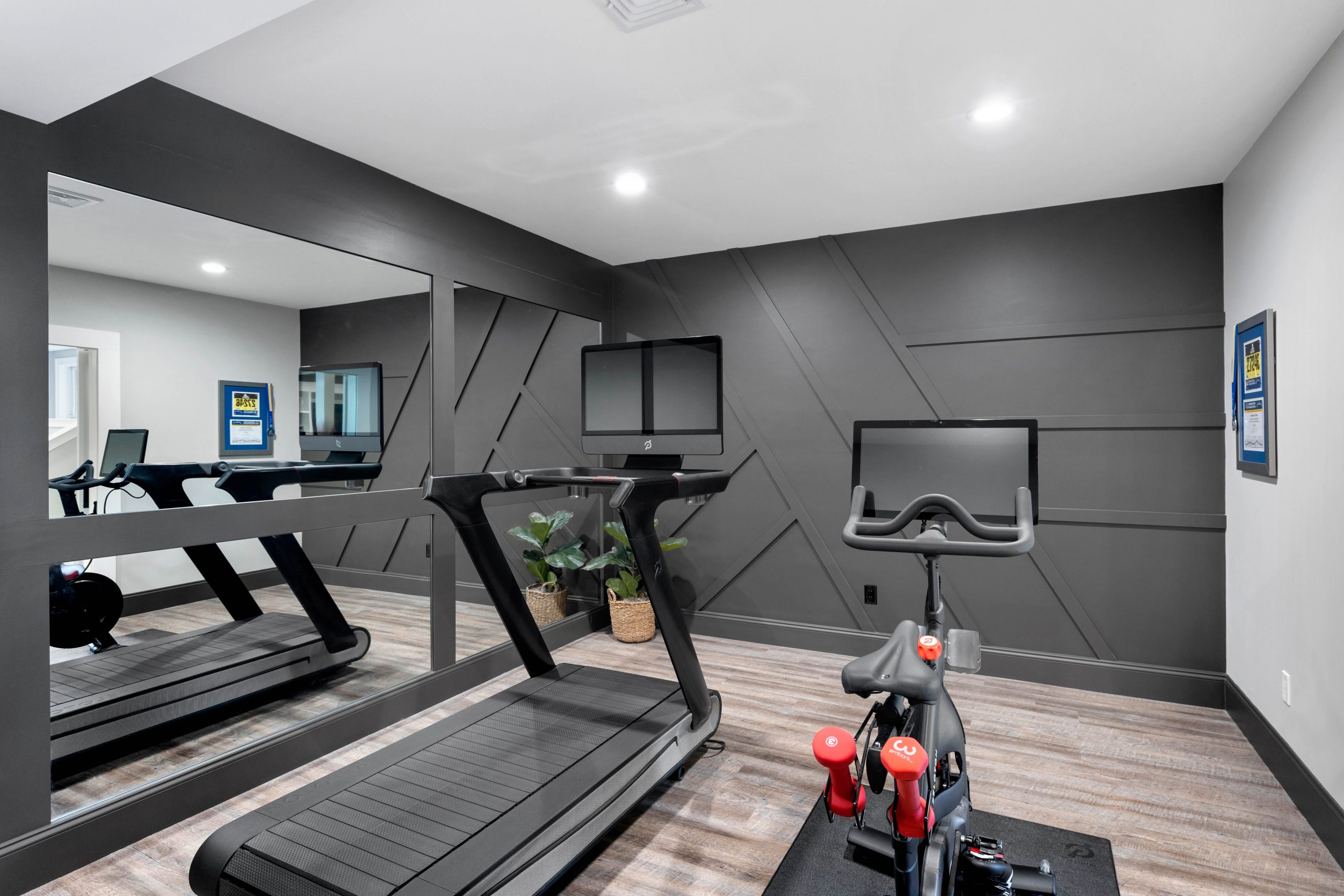
Credit: www.jmconstructionco.com
Choosing The Perfect Spot
Choosing the perfect spot for your home gym basement sets the foundation for a workout space that motivates and supports your fitness goals. The right location can make your workouts more enjoyable and consistent. Consider practical factors like space, lighting, and air quality to create a comfortable and effective environment.
Assessing Space And Layout
Start by measuring the available area carefully. Think about the type of workouts you want to do—yoga requires open floor space, while weightlifting needs room for equipment and safety clearance.
Look for a spot with a layout that allows easy movement and storage. You don’t want to feel cramped or have to rearrange your setup every time you exercise. Could a corner or underused section of the basement give you the best flow?
Lighting And Ventilation
Basements often lack natural light, which can make workouts feel gloomy. Add bright, adjustable lights to keep energy levels high during your routine.
Ventilation is just as crucial. Stale air can drain your motivation and cause discomfort. Consider installing a fan or a dehumidifier to keep fresh air circulating and maintain comfort.
Moisture And Temperature Control
Basements can be prone to dampness, which can damage equipment and create an unpleasant workout environment. Use a moisture meter to check the humidity levels before setting up.
Temperature swings can also affect your performance. Adding insulation or a portable heater can help maintain a steady, comfortable temperature year-round.
Have you noticed how a cool, dry space makes your workouts feel easier and more refreshing? Paying attention to these details helps keep your gym inviting and functional.

Credit: www.reddit.com
Essential Equipment Selection
Choosing the right equipment makes a home gym basement functional and safe. Focus on space-saving machines and durable weights for effective workouts. Select gear that fits the room size and your fitness goals.
Creating a home gym in your basement is an exciting venture. The key to maximizing your space and workouts is selecting essential equipment that fits your fitness goals. Whether you’re aiming to improve cardiovascular health, build strength, or enhance flexibility, choosing the right tools is crucial.Cardio Machines
Cardio machines are a staple for any home gym. Treadmills, stationary bikes, and elliptical trainers are popular choices. Each offers different benefits—consider what suits your fitness level and preferences. A treadmill is great for runners, while a stationary bike might be better if you enjoy cycling. Ellipticals provide a low-impact option that still offers a full-body workout. Investing in quality machines can make your cardio sessions more enjoyable and effective.Strength Training Gear
Strength training is essential for building muscle and improving overall health. Free weights, such as dumbbells and kettlebells, are versatile and perfect for a home gym. They allow for a wide range of exercises and can be easily stored. A weight bench and resistance bands can also enhance your strength training regime. Consider a multi-gym machine if you have space, as it provides various exercises in one compact setup. What strength goals do you want to achieve in your basement gym?Flexibility And Recovery Tools
Flexibility and recovery tools are often overlooked, yet they play a crucial role in preventing injuries and improving performance. A yoga mat is a must-have for stretching and core exercises. Foam rollers can aid in muscle recovery by reducing soreness. You might want to add a set of resistance bands for dynamic stretches. Including these tools in your home gym can enhance your workouts and ensure you’re taking care of your body after intense sessions. How do you plan to incorporate recovery into your fitness routine?Flooring And Safety
Your basement gym’s flooring is more than just a surface—it’s the foundation of your workout safety and comfort. Choosing the right flooring can protect you from injuries and reduce noise that might disturb the rest of the house. Let’s look at how to pick flooring that keeps your space durable, safe, and quiet.
Durable Flooring Options
Rubber flooring stands out for its toughness and easy maintenance. It resists wear from heavy weights and equipment, making it a favorite for basement gyms.
Foam tiles offer a softer feel but might not hold up well under very heavy gear. Vinyl flooring is another option that balances durability with easy cleaning, but check for moisture resistance since basements can be damp.
- Rubber mats: Long-lasting, slip-resistant
- Foam tiles: Comfortable, best for light workouts
- Vinyl: Durable and moisture-resistant
Shock Absorption And Noise Reduction
Think about your neighbors or family downstairs—will they hear every drop of a dumbbell? Flooring that absorbs shock reduces noise and protects your joints during workouts.
Rubber and cork floors excel here. Rubber cushions your landings while cork naturally dampens sound. Adding an underlayment beneath your flooring can boost noise control even more.
Safety Measures And Precautions
Safety isn’t only about flooring material but also how you set up your space. Make sure flooring pieces fit snugly to avoid tripping hazards.
Keep your workout area clean and dry to prevent slips. Also, consider anti-slip coatings or textured surfaces if your basement tends to get slick.
- Secure flooring edges properly
- Regularly wipe up sweat and spills
- Use mats with textured surfaces for extra grip
Have you noticed how much safer and more enjoyable your workout feels on the right floor? Take a moment to evaluate your basement floor now—could a change prevent your next injury?
Storage Solutions
Creating a home gym in your basement is exciting, but without smart storage solutions, clutter can quickly take over. Efficient storage keeps your space tidy and makes workouts more enjoyable. Let’s look at ways to store your equipment that save space and keep everything accessible.
Organizing Small Equipment
Small items like resistance bands, jump ropes, and dumbbells often get lost or scattered. Use clear bins or stackable containers to keep these items visible and easy to grab. Label each container so you spend less time searching and more time exercising.
Consider adding a pegboard on the wall. It holds smaller gear neatly and lets you customize hooks and shelves to fit your needs. This way, your small equipment stays off the floor, reducing tripping hazards and keeping your basement gym safer.
Maximizing Wall And Ceiling Space
Walls and ceilings offer untapped storage potential. Installing sturdy shelves or wall-mounted racks can hold heavier items like kettlebells or medicine balls. This keeps the floor clear and makes cleaning easier.
Don’t overlook ceiling storage for bulky but light items like yoga mats or foam rollers. Hanging racks or suspended baskets can store these out of the way but within reach. How much more space could you free up by thinking vertically?
Multi-functional Storage Ideas
Choose storage options that serve more than one purpose to get the most from your basement gym. A bench with built-in storage can hold weights or workout accessories while providing a place to sit or rest between sets.
Stackable cubes or modular units let you rearrange storage as your equipment changes. This flexibility means your gym adapts to your workout routine, not the other way around. What kind of storage would best grow with your fitness goals?
Design And Motivation
Design and motivation go hand in hand when creating a home gym in your basement. The way you set up the space directly impacts your energy and willingness to work out regularly. A well-thought-out design can turn an ordinary room into a personal fitness sanctuary that keeps you coming back day after day.
Color Schemes And Decor
Choose colors that energize you. Bright shades like red and orange boost adrenaline, while cool tones like blue and green help with focus and calmness. You don’t need to paint every wall—adding accent colors through rugs, equipment, or cushions works just as well.
Keep the decor minimal but meaningful. A tidy space reduces distractions and lets you concentrate on your workout. Think about adding plants or simple shelves to hold your gear, keeping everything organized and within reach.
Inspiring Wall Art And Mirrors
Wall art can motivate you every time you look up. Hang posters with fitness quotes that speak to your goals or photos of athletes you admire. These visuals remind you why you started and push you through tough sessions.
Mirrors serve a dual purpose. They help you check your form, preventing injuries and improving performance. Plus, they make the basement feel bigger and brighter, which can lift your mood during workouts.
Setting Up Entertainment Systems
Adding entertainment can make your workouts feel less like a chore. Set up a sound system or a TV to play your favorite music, podcasts, or workout videos. This distraction can increase your endurance and make time fly by.
Consider wireless speakers or wall-mounted screens to save space and avoid clutter. Have you noticed how a great playlist can turn a tough workout into an energizing session? Your entertainment setup should do just that—keep you engaged and motivated.
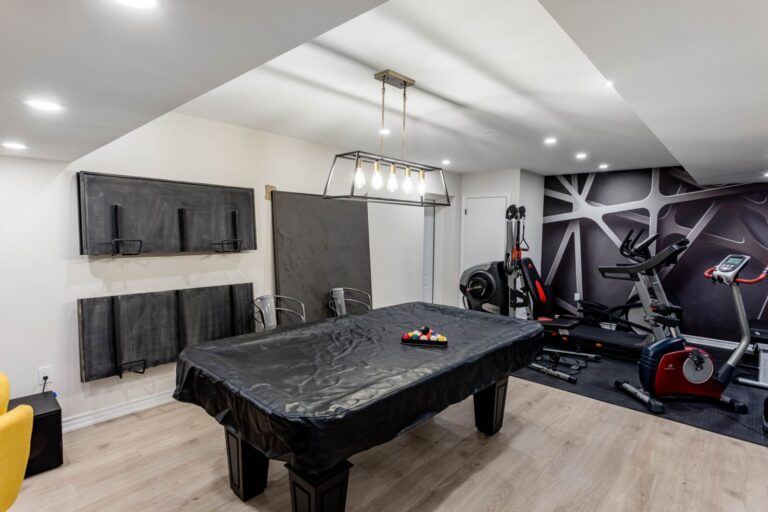
Credit: www.renoduck.com
Budgeting And Planning
Setting up a home gym in your basement needs good budgeting and planning. This helps avoid overspending and ensures you buy the right equipment. A clear plan saves time and money. Think about your fitness goals and space before starting. This way, you build a gym that fits your needs and budget.
Cost Estimation And Prioritization
Start by listing all items you want for your gym. Include basics like mats, weights, and a treadmill. Research prices online or at local stores. Add up the costs to get a rough estimate.
Next, rank equipment by importance. Buy essential items first. Extra gear can wait for later. This approach keeps spending under control and builds your gym step by step.
Diy Vs Professional Help
Decide what work you can do yourself. Painting walls or setting up mats is easy for many. It saves money.
For bigger jobs like electrical work or flooring, hire professionals. They ensure safety and quality. This prevents costly mistakes and future repairs.
Long-term Maintenance Tips
- Clean equipment regularly to prevent damage.
- Check machines for wear and tear monthly.
- Lubricate moving parts to keep machines smooth.
- Replace broken or worn parts immediately.
- Keep the basement dry to avoid rust and mold.
Proper care extends your gym’s life. It keeps your workout space safe and ready to use every day.
Tech Integration
Tech integration transforms your home gym basement into a modern workout hub. It makes exercising more efficient and enjoyable. Smart devices track progress and guide workouts. Lighting and sound create the perfect atmosphere. Connectivity and apps keep you motivated and connected.
Smart Workout Devices
Smart workout devices monitor your performance and health. They include smart treadmills, bikes, and rowing machines. These devices offer real-time feedback on speed, distance, and calories burned. Heart rate monitors and fitness trackers help optimize workouts. They adjust resistance and intensity based on your goals. Smart mirrors and screens provide interactive training sessions at home.
Sound And Lighting Control
Proper sound and lighting boost workout energy and focus. Use smart speakers to play music or podcasts. Voice control helps adjust volume without stopping exercise. Adjustable LED lights create different moods. Bright lights energize morning sessions. Soft, warm lights help relax after workouts. Sync lighting with music beats for a dynamic experience.
Connectivity And Apps
Apps connect your devices and organize workouts. They track progress, set goals, and offer workout plans. Many apps sync with smart devices for seamless data sharing. Join virtual classes or compete with friends online. Cloud storage keeps your workout data safe and accessible. Stay motivated through reminders and achievement badges.
Frequently Asked Questions
What Equipment Is Best For A Home Gym Basement?
Choose compact, multi-functional equipment like dumbbells, resistance bands, and foldable benches. These save space and offer versatile workouts. Adding a treadmill or stationary bike can enhance cardio options. Ensure equipment suits your fitness goals and basement size for an effective home gym setup.
How To Improve Basement Lighting For Workouts?
Use bright, energy-efficient LED lights to illuminate your gym space. Add adjustable lamps or wall-mounted lights to reduce shadows. Natural light is ideal, so consider installing windows or light tubes if possible. Good lighting boosts motivation and safety during workouts.
What Flooring Options Are Ideal For Basement Gyms?
Opt for rubber or foam flooring to absorb impact and reduce noise. These materials are durable, water-resistant, and easy to clean. Avoid carpet to prevent mold and moisture issues. Proper flooring protects joints and equipment in your home gym basement.
How To Control Basement Humidity For A Home Gym?
Use a dehumidifier to maintain ideal humidity levels between 30-50%. Ensure proper ventilation with fans or vents to prevent mold growth. Moisture control protects equipment and creates a comfortable workout environment in your basement gym.
Conclusion
Creating a home gym in your basement saves time and money. You can work out anytime without leaving home. It helps build healthy habits and stay fit all year. With simple tools and space, you get a great workout. A basement gym suits all fitness levels and goals.
Start small and add more equipment over time. Enjoy the privacy and comfort of your own gym. Stay motivated and reach your health goals faster. A home gym basement makes fitness easy and fun.







