
Are you looking to take your home workouts to the next level? Pull down gym equipment might be exactly what you need.
This gear targets your back, arms, and shoulders, helping you build strength and improve posture. Imagine having a simple, effective tool that fits right into your space and boosts your results. Keep reading to discover how pull down gym equipment can transform your fitness routine and why it could be the perfect addition to your workout setup.

Credit: spartanfitness.ca
Benefits Of Pull Down Exercises
Pull down exercises with gym equipment target the back muscles effectively. These movements improve strength and posture. They also help build muscle mass in the upper body. Pull down exercises are adaptable for all fitness levels. They provide a controlled way to train important muscle groups.
Improves Upper Body Strength
Pull down exercises focus on the latissimus dorsi muscles. These are the large muscles on the back. Strengthening these muscles helps with pulling and lifting activities. It also supports other workouts like rowing and pull-ups.
Enhances Posture
Regular pull downs help correct slouched shoulders. They strengthen the muscles that keep the spine aligned. Better posture reduces back and neck pain. It also boosts confidence and appearance.
Supports Muscle Balance
Many people focus on chest muscles more than back muscles. Pull down exercises balance muscle development. Balanced muscles reduce injury risk. They improve overall body function and movement.
Boosts Core Stability
Pull down movements engage core muscles for stability. A strong core helps with balance and daily tasks. It also improves performance in sports and other exercises.
Adaptable For Beginners And Experts
Pull down machines allow weight adjustments. Beginners can start with light resistance. Advanced users can increase weights for more challenge. This makes pull down exercises suitable for all fitness levels.
Types Of Pull Down Gym Equipment
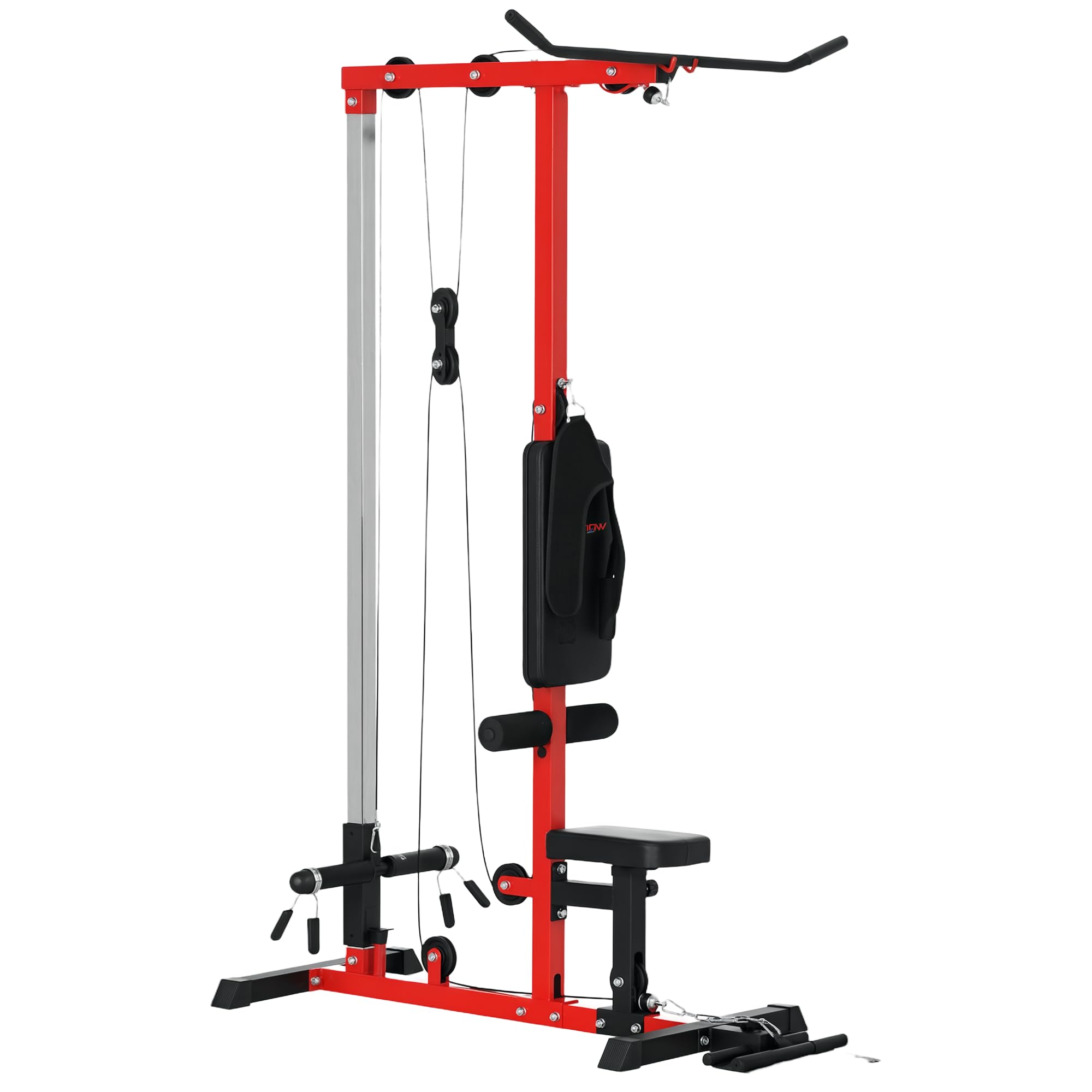
Pull down gym equipment comes in various forms, each designed to target your back muscles differently. Understanding these types helps you choose the right tool for your workout goals. Let’s look at some common options that you can add to your training routine.
Cable Machines
Cable machines are versatile and allow smooth, controlled pull down movements. You can adjust the weight to match your strength level, making them suitable for beginners and advanced users alike.
One benefit I noticed using cable machines is the constant tension they provide throughout the exercise, which really helps in muscle activation. Do you prefer working with machines that offer adjustable resistance?
Lever Machines
Lever machines use a fixed pivot system to guide your movement path. This setup ensures proper form and isolates your back muscles effectively.
When I switched to lever machines, my form improved because the machine supports the motion. Have you tried machines that help maintain perfect technique during your workout?
Resistance Bands
Resistance bands are portable and inexpensive alternatives for pull down exercises. They provide variable resistance, increasing tension as you pull further.
Using bands helped me train anywhere, even outdoors or while traveling. What’s your experience with adding resistance bands to your routine?
Muscles Targeted By Pull Down Exercises
Pull down exercises engage several key muscles in the upper body. These movements help build strength and improve posture. Understanding which muscles activate helps you focus your workout better.
Latissimus Dorsi
The latissimus dorsi, or lats, are the largest muscles in your back. Pull down exercises mainly target these muscles. They help pull your arms down and back. Strong lats improve your upper body power and shape.
Rhomboids
The rhomboids lie between your shoulder blades. They work to pull the shoulder blades together. Pull down movements activate these muscles effectively. Strengthening rhomboids improves posture and reduces shoulder tension.
Biceps
The biceps are the muscles at the front of your upper arms. Pull down exercises also engage the biceps as secondary muscles. They assist in bending the elbow during the pull. Toned biceps add strength and definition to your arms.
Credit: www.amazon.ca
Correct Form And Techniques
Mastering the correct form and techniques on pull down gym equipment can dramatically improve your workout results while reducing the risk of injury. Paying attention to how you grip the bar, position your body, and control your breathing will make each repetition more effective. Let’s break down these key elements so you can maximize every pull down session.
Grip Variations
The way you hold the bar affects which muscles get worked the most. A wider grip targets your upper lats and outer back, helping create that V-shaped look. Meanwhile, a close grip emphasizes your middle back and biceps.
Try switching grips regularly to hit different muscle fibers. You might find a neutral grip (palms facing each other) easier on your shoulders if you experience discomfort. What grip feels strongest and most natural to you?
Body Positioning
Your body position influences your ability to engage the right muscles and maintain control. Keep your chest lifted and lean back slightly, about 10-15 degrees, to avoid swinging and momentum taking over.
Feet should stay flat on the floor, and your core must stay tight throughout the movement. If you notice your lower back arching excessively, it’s a sign to reset your posture. Can you feel the difference when your form is spot on?
Breathing Techniques
Breathing might seem minor, but it plays a big role in your strength and endurance. Exhale slowly as you pull the bar down toward your chest, and inhale as you let the bar rise back up.
This breathing rhythm helps maintain intra-abdominal pressure, stabilizing your spine and improving power. Have you ever noticed how your performance changes with controlled breathing?
Common Mistakes To Avoid
Pull down gym equipment offers a fantastic way to build upper body strength, especially targeting your back and arms. However, many people unknowingly limit their progress by making common mistakes during their workouts. Avoiding these pitfalls can help you get the most out of every session and reduce the risk of injury.
Overarching The Back
It’s tempting to lean too far back when pulling the bar down, thinking it helps you lift heavier weights. But overarching puts unnecessary strain on your lower spine and reduces the focus on your lats. Keep your torso upright and engage your core to maintain proper posture throughout the movement.
Using Momentum
Swinging your body or jerking the bar down might make the exercise feel easier, but it takes tension off the muscles you’re trying to work. Controlled, slow movements ensure your back and arms are doing the heavy lifting. Ask yourself: are you controlling the weight, or is the weight controlling you?
Neglecting Full Range Of Motion
Stopping short of pulling the bar all the way down or failing to fully extend your arms wastes potential muscle activation. Full range of motion helps maximize strength gains and flexibility. Focus on pulling the bar down until it nearly touches your chest, then let your arms stretch fully without locking your elbows.
Incorporating Pull Downs Into Workout Routines
Incorporating pull downs into workout routines strengthens the back and improves posture. This exercise targets the latissimus dorsi muscles, helping to build upper body strength. Pull downs also engage the shoulders and arms, making them an efficient compound movement.
Adding pull downs to your routine creates balance between pushing and pulling exercises. This balance reduces injury risk and enhances overall fitness. Different routines suit beginners and advanced users, allowing gradual progress and variety.
Beginner Routines
- Start with light weight to focus on form and control.
- Perform 2–3 sets of 10–12 repetitions.
- Use a wide grip to engage the upper back muscles.
- Rest for 60 seconds between sets.
- Practice slow, steady movements to avoid momentum.
Advanced Routines
- Increase weight gradually for greater muscle challenge.
- Try 3–4 sets of 8–10 repetitions with heavier loads.
- Experiment with different grips: close, reverse, or neutral.
- Include drop sets or supersets for added intensity.
- Maintain controlled form to prevent injury.
Complementary Exercises
- Rows strengthen the mid-back and support pull downs.
- Push-ups balance pulling with pushing muscle work.
- Bicep curls enhance arm strength for better pull down control.
- Planks improve core stability for overall workout support.
- Shoulder presses develop upper body strength synergy.
Equipment Maintenance And Safety Tips
Maintaining pull down gym equipment is essential for safety and performance. Proper care helps prevent injuries and extends the machine’s life. Simple steps can keep the equipment in top shape and ensure a safe workout environment.
Regular Inspection
Check the cables, pulleys, and weight stacks often. Look for frayed cables or worn parts. Tighten loose bolts and screws. Inspect moving parts for smooth operation. Early detection stops bigger problems and keeps the machine safe.
Proper Cleaning
Wipe down the equipment after use. Use a soft cloth and mild cleaner. Avoid harsh chemicals that can damage surfaces. Clean the seat, handles, and frame regularly. This removes sweat, dust, and grime, preventing rust and wear.
Safety Precautions
- Always use the equipment as instructed.
- Adjust the seat and weights correctly before starting.
- Wear appropriate workout clothes and shoes.
- Do not overload the weight stack beyond limits.
- Keep children and pets away from the machine.
- Stop using the equipment if it feels unstable or noisy.
Choosing The Right Equipment For Home Gyms
Choosing the right pull down gym equipment for a home gym involves careful thought. The equipment should fit your space, budget, and workout needs. Selecting wisely helps create a comfortable and effective workout area. Focus on three key areas to make the best choice.
Space Considerations
Measure the available space before buying any equipment. Pull down machines can vary in size and shape. Choose equipment that fits well without crowding the room. Leave enough space for safe movement around the machine. Consider folding or compact models for small areas. Proper space planning improves workout comfort and safety.
Budget-friendly Options
Set a clear budget before shopping. Many quality pull down machines come at affordable prices. Look for basic models with essential features. Avoid extra functions that increase cost but are rarely used. Check for used or refurbished equipment to save money. Prioritize what you need most to spend wisely.
Quality And Durability
Choose equipment made from strong materials like steel. Check for solid welds and sturdy frames. Durable machines last longer and handle heavy use well. Read reviews about product reliability and customer satisfaction. A good warranty can protect your investment. Quality equipment supports safe and effective workouts every time.

Credit: www.amazon.ca
Frequently Asked Questions
What Is Pull Down Gym Equipment Used For?
Pull down gym equipment targets the upper back and lat muscles. It helps build strength and improve posture. This equipment is essential for effective upper body workouts and muscle toning.
How Do You Properly Use Pull Down Gym Equipment?
Sit with your back straight and feet flat. Grip the bar wider than shoulder-width. Pull the bar down to your chest slowly. Release it back with control, focusing on your back muscles.
What Muscles Do Pull Down Machines Target?
Pull down machines primarily target the latissimus dorsi muscles. They also work the biceps, shoulders, and upper back muscles. This equipment helps build a strong, defined upper body.
Are Pull Down Machines Suitable For Beginners?
Yes, pull down machines are beginner-friendly. They allow controlled movement with adjustable weights. Beginners can learn proper form while gradually increasing strength and muscle tone safely.
Conclusion
Pull down gym equipment helps build strong back muscles. It suits many fitness levels and goals. You can use it to improve posture and strength. Regular workouts with this gear boost your overall health. Choose equipment that fits your space and budget.
Start slow and increase weight as you get stronger. Consistency matters more than intensity in the long run. Enjoy your fitness journey with pull down machines. Small steps lead to big results. Keep moving forward, stay healthy, and feel great.







