
Are you ready to take your workouts to the next level? Pull up gym equipment is one of the best tools you can add to your fitness routine.
It helps you build strength, improve your posture, and boost your confidence. Whether you’re a beginner or a pro, having the right gear makes all the difference. Keep reading to discover how the right pull up equipment can transform your training and help you reach your goals faster than you thought possible.
Your stronger, fitter self is just a few pulls away!

Credit: www.ironcompany.com
Benefits Of Pull Up Exercises
Pull up exercises are a powerful tool for building upper body strength. They work multiple muscle groups at the same time. This makes pull ups efficient for strength and fitness. Regular pull ups improve muscle tone and endurance. They also support better posture and joint health.
Improves Upper Body Strength
Pull ups target your back, shoulders, and arms. This exercise helps build strong muscles in these areas. Strong muscles make daily tasks easier and reduce injury risk.
Enhances Grip And Forearm Strength
Holding onto the pull up bar works your hands and forearms. Strong grip helps in sports and lifting objects. It also improves performance in other exercises.
Supports Core Stability
Pull ups engage your core muscles for balance. A strong core improves posture and reduces back pain. It also helps with movements in sports and activities.
Boosts Functional Fitness
This exercise mimics real-life movements. Pull ups improve your ability to pull, lift, and climb. This makes everyday activities easier and safer.
Burns Calories And Aids Weight Loss
Pull ups increase heart rate and muscle activity. This helps burn calories and supports weight loss. Muscle gain from pull ups also speeds up metabolism.
Types Of Pull Up Bars
Pull up bars come in several types, each designed for different spaces and needs. Choosing the right type helps improve your workout experience. Here’s a look at the main types of pull up bars available.
Doorway Bars
Doorway bars fit inside door frames. They are easy to install and remove. These bars are great for small spaces. Most models use leverage to stay in place. Some come with padded grips for comfort. They work well for beginners and casual users.
Wall-mounted Bars
Wall-mounted bars attach directly to a wall. They offer strong support and stability. These bars handle heavier weight and intense workouts. Installation requires drilling and proper anchors. Space is needed on the wall and around it. They suit dedicated home gyms or workout rooms.
Free-standing Towers
Free-standing towers are independent units. They don’t need wall or door support. These towers often include multiple workout stations. They take up more floor space but provide versatility. Ideal for users wanting varied exercises. They are sturdy and easy to move if needed.
Ceiling-mounted Bars
Ceiling-mounted bars hang from the ceiling. They allow more clearance for movement. These bars need strong ceiling support. Installation can be more complex than other types. Perfect for high-ceiling rooms or garages. They create a clean, open workout space.
Installation Tips
Installing pull up gym equipment correctly ensures a safe and effective workout. Proper setup prevents accidents and extends equipment life. Follow these tips for a smooth installation process.
Choosing The Right Location
Select a spot with enough space for full movement. Ensure the area has a solid wall or ceiling for mounting. Avoid places near fragile objects or heavy foot traffic. Check for proper lighting and ventilation. A clean, dry area helps maintain equipment condition.
Safety Precautions
Wear protective gloves and eyewear during installation. Double-check the wall or ceiling strength before mounting. Use a stud finder to locate secure mounting points. Tighten all bolts and screws firmly. Test the equipment gently before full use. Keep children and pets away during setup.
Tools Required
- Drill with appropriate bits
- Stud finder
- Measuring tape
- Level
- Wrench or socket set
- Protective gloves and goggles
- Pencil for marking
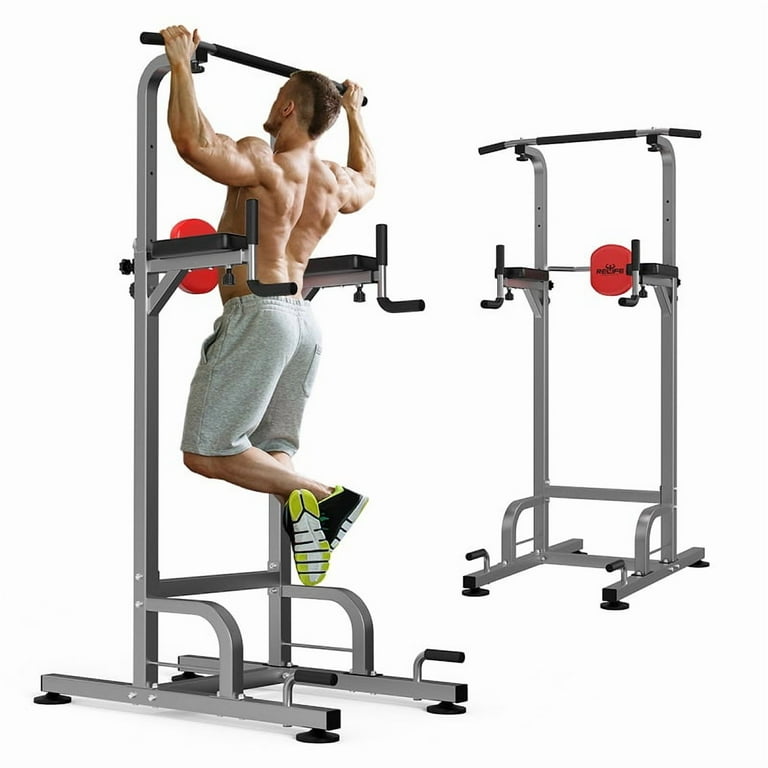
Credit: www.walmart.com
Proper Pull Up Techniques
Using proper pull up techniques ensures effective workouts and prevents injuries. Correct form targets the right muscles and builds strength steadily. Focus on grip, body position, and breathing for best results. These elements work together to make each pull up efficient and safe.
Grip Variations
Grip affects which muscles get worked during pull ups. Use a wide grip to target the back and shoulders. A narrow grip focuses more on the arms and chest. Try a neutral grip with palms facing each other for less wrist strain. Change grips to work different muscles and avoid plateaus.
Body Positioning
Keep your body straight and avoid swinging. Engage your core by tightening your abs. Pull your shoulder blades down and back before pulling up. Keep your chest lifted and chin over the bar. Cross your feet behind you to stay stable. Good positioning protects joints and improves strength gains.
Breathing Techniques
Breathing controls your energy and focus during pull ups. Inhale deeply before you pull yourself up. Exhale slowly as you lift your body toward the bar. Avoid holding your breath to prevent dizziness. Maintain steady breathing to improve endurance and form.
Progressing With Pull Ups
Progressing with pull ups means building strength and endurance over time. Start with easier variations and slowly challenge your muscles. Consistent practice helps improve form and increases the number of pull ups you can do. This progression keeps workouts effective and safe. Different techniques help reach new fitness levels.
Assisted Pull Ups
Assisted pull ups support your body weight to reduce difficulty. Use resistance bands or an assisted pull up machine. These tools help you complete more reps with proper form. Assisted pull ups build strength in your back and arms. They prepare your muscles for unassisted pull ups.
Weighted Pull Ups
Weighted pull ups add extra weight to increase resistance. Use a weight belt, vest, or hold a dumbbell between your feet. Adding weight forces your muscles to work harder. This method improves muscle size and strength. Only try weighted pull ups after mastering bodyweight pull ups.
Increasing Repetitions
Doing more pull ups in one set improves endurance. Aim to add one or two reps each week. Break sets into smaller groups with short rests. Track your progress to stay motivated. Increasing repetitions helps build stronger and more resilient muscles.

Credit: www.amazon.com
Common Mistakes
Using pull up gym equipment is excellent for building upper body strength. Mistakes can reduce effectiveness and increase injury risk. Knowing common errors helps improve workouts and results.
Incorrect Form
Many people use wrong form during pull ups. Swinging the body or using momentum lessens muscle work. Not fully extending arms or pulling unevenly can cause strain. Proper form means controlled movement and steady posture.
Overtraining
Doing too many pull ups without rest harms muscles. Overtraining leads to fatigue and slows progress. Muscles need time to recover and grow stronger. Balance workout days with rest days for best results.
Neglecting Warm-up
Skipping warm-up increases injury chances. Warm muscles move better and handle stress easier. Simple stretches or light exercises prepare the body. Spend 5 to 10 minutes warming up before pull ups.
Incorporating Pull Ups In Workouts
Pull ups are a powerful exercise that challenges multiple muscle groups at once. Adding them to your workout can boost strength, improve grip, and enhance overall upper body fitness. But how do you make pull ups a consistent part of your routine without hitting a plateau or risking injury?
Combining With Other Exercises
Pair pull ups with exercises that target muscles they don’t fully engage. Push ups and dips complement pull ups by working the chest, shoulders, and triceps.
Try alternating between pull ups and planks to build core stability alongside upper body strength. This mix keeps your workouts dynamic and prevents muscle imbalances.
Have you noticed how doing only pull ups can leave your lower body neglected? Adding squats or lunges ensures your entire body gets attention, improving overall fitness and posture.
Creating A Balanced Routine
Structure your workouts to include pull ups 2-3 times a week. This frequency allows muscles to recover and grow stronger.
Start with a warm-up that activates your back and shoulder muscles—band pull aparts or scapular pull ups work well.
Finish with stretches focusing on your lats and shoulders to maintain flexibility and reduce soreness. Balance strength with mobility for better performance and injury prevention.
Tracking Progress
Keep a workout journal or use a fitness app to log your pull up sets, reps, and variations. Tracking helps you see improvements over time and adjust your routine.
Set small, measurable goals like adding one more pull up each week or increasing your hold time on assisted pull ups.
Have you ever surprised yourself by hitting a new personal best? Writing down these milestones keeps you motivated and focused.
Maintenance Of Pull Up Equipment
Maintaining pull up gym equipment keeps workouts safe and effective. Proper care extends the life of the gear. Regular checks catch issues early. Clean and inspect the equipment often to avoid damage.
Cleaning And Care
Wipe down bars and grips after use. Use a damp cloth with mild soap. Avoid harsh chemicals that can damage materials. Dry surfaces completely to stop rust and mold. Keep the area around the equipment clean and free of dust.
Checking For Wear And Tear
Inspect bolts, screws, and joints regularly. Look for rust, cracks, or loose parts. Test grips for signs of peeling or cracking. Check the frame for bends or dents. Replace any damaged parts immediately to prevent accidents.
Replacement Parts
Use original or high-quality replacement parts only. Keep spare grips, bolts, and padding on hand. Change worn grips to improve comfort and safety. Tighten loose bolts to maintain stability. Store spare parts in a dry place to avoid corrosion.
Frequently Asked Questions
What Types Of Pull Up Gym Equipment Exist?
Pull up gym equipment includes bars, stations, and assisted machines. Each type targets different skill levels and workout styles. Bars can be mounted on walls or doors. Stations offer multiple grip options. Assisted machines help beginners perform pull ups safely.
How To Choose The Best Pull Up Equipment?
Consider your space, budget, and fitness goals when choosing equipment. For small spaces, door-mounted bars work well. If you want variety, try a pull up station. Beginners may prefer assisted machines. Always check weight limits and durability before buying.
Can Pull Up Equipment Improve Upper Body Strength?
Yes, pull up equipment effectively builds upper body muscles. It targets back, shoulders, arms, and core muscles. Regular use enhances muscle tone, strength, and endurance. It also improves grip strength and posture. Pull ups are a comprehensive upper body workout.
Is Pull Up Equipment Suitable For Beginners?
Pull up equipment can suit beginners with the right choice. Assisted pull up machines and resistance bands help beginners build strength gradually. Door bars and stations offer adjustable grips for comfort. Beginners should start slow and focus on form to avoid injury.
Conclusion
Pull up gym equipment helps you build strong muscles at home. It fits in small spaces and suits all fitness levels. You can do many exercises to work your arms, back, and shoulders. Choosing the right equipment makes workouts safe and effective.
Stay consistent, and you will see progress over time. Simple tools can bring great results. Keep your fitness routine easy and fun. Your body will thank you for the effort.







