
Are you ready to make the most of your time at the gym? Whether you’re just starting out or looking to improve your routine, having a clear gym exercise guide can change everything.
Imagine feeling confident, seeing real progress, and enjoying every workout session. This guide will give you simple, effective tips that fit your goals and keep you motivated. Keep reading to unlock the secrets that turn your gym visits into powerful steps toward a stronger, healthier you.
Choosing The Right Gym
Choosing the right gym makes a big difference in your workout success. The right gym motivates you, fits your schedule, and meets your needs. Consider several factors before joining to ensure you pick the best place for your fitness journey.
Location And Accessibility
A gym close to home or work saves time and effort. Easy access means you can fit workouts into your daily routine. Check public transport options or parking availability. A gym nearby reduces excuses and keeps you consistent.
Equipment And Facilities
Good gyms offer a variety of machines and free weights. Make sure the equipment is well-maintained and clean. Look for extra facilities like a swimming pool, sauna, or group classes. These add value and variety to your workouts.
Membership Options
Flexible membership plans suit different budgets and schedules. Some gyms offer monthly, yearly, or pay-as-you-go options. Check for trial periods or discounts. Understand the cancellation policy to avoid surprises later.

Credit: www.amazon.ca
Creating A Personalized Workout Plan
Creating a personalized workout plan helps you stay motivated and reach your fitness goals. Tailoring your exercises to your needs improves results and prevents injury. A well-rounded plan covers different fitness areas for balanced progress.
Setting Realistic Goals
Start by choosing goals that fit your current fitness level and lifestyle. Small, clear goals work best to keep you focused. Examples include:
- Walking 30 minutes daily
- Doing three gym sessions a week
- Increasing strength gradually
Track your progress and adjust goals as you improve. Realistic targets build confidence and encourage consistency.
Balancing Strength And Cardio
Include both strength training and cardio for overall fitness. Strength exercises build muscle and support joint health. Cardio improves heart health and burns calories. Try to:
- Alternate days between strength and cardio
- Combine light cardio after strength workouts
- Choose activities you enjoy, like cycling or weight lifting
This balance helps avoid burnout and keeps workouts interesting.
Incorporating Flexibility And Mobility
Flexibility and mobility exercises reduce injury risk and improve movement. Stretch major muscle groups after workouts to stay limber. Add mobility drills like:
- Hip circles
- Arm swings
- Dynamic lunges
These exercises prepare your body for daily activities and gym sessions.
Maximizing Strength Training
Maximizing strength training focuses on building muscle efficiently and safely. It requires smart workout choices and proper techniques. Understanding key elements helps improve your results and avoid injuries. Strength gains come from more than just lifting heavy weights. It involves a balance of exercise selection, progression, and recovery.
Compound Vs. Isolation Exercises
Compound exercises work multiple muscle groups at once. Examples include squats, deadlifts, and bench presses. They improve overall strength and coordination. Isolation exercises target one specific muscle. Examples are bicep curls and leg extensions. Both types are important. Compound moves build strength fast. Isolation helps fix weak spots and shapes muscles.
Progressive Overload Techniques
Progressive overload means gradually increasing workout demands. This pushes muscles to grow stronger over time. Ways to apply overload:
- Increase weight lifted
- Add more repetitions
- Do more sets
- Reduce rest time
- Improve exercise form
Tracking progress helps stay on track. Small, consistent increases lead to steady strength gains.
Rest And Recovery Importance
Muscles need time to repair after workouts. Rest days prevent overtraining and reduce injury risk. Sleep plays a key role in muscle recovery. Aim for 7-9 hours each night. Proper nutrition supports muscle repair and growth. Without rest, strength progress slows down or stops. Balance workout and recovery for best results.
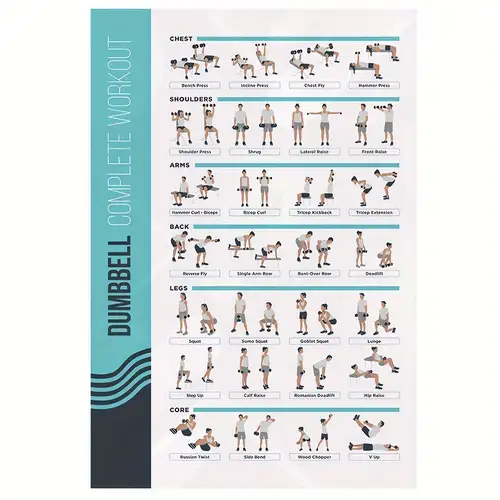
Credit: www.temu.com
Enhancing Cardiovascular Fitness
Improving your cardiovascular fitness is a key step toward better health and increased stamina. It helps your heart work more efficiently and boosts overall energy levels. Whether you’re new to the gym or looking to upgrade your routine, focusing on cardio can make a big difference in how you feel every day.
Choosing The Right Cardio Equipment
Not all cardio machines suit everyone’s needs. Your choice depends on your fitness level, goals, and any physical limitations. For example, treadmills are excellent for weight-bearing exercise, while stationary bikes provide a lower-impact option that’s easier on the joints.
Try different machines to find what feels best for your body. You might enjoy the rhythm of an elliptical or the simplicity of a rowing machine. Mixing equipment can keep your workouts interesting and target different muscle groups.
Interval Training Benefits
Interval training means alternating between high-intensity bursts and recovery periods. This approach burns more calories in less time and improves your heart’s strength. When I started adding intervals, my endurance improved noticeably within just a few weeks.
Intervals also break the monotony of steady cardio. You can sprint on the treadmill for 30 seconds, then walk for a minute, repeating this cycle. It challenges your body and keeps your mind engaged.
Monitoring Heart Rate
Keeping an eye on your heart rate helps you train smarter, not harder. Aim to stay within your target heart rate zone to maximize fat burning and cardiovascular gains. You can calculate this zone roughly by subtracting your age from 220, then multiplying by 0.5 to 0.85.
Many gym machines and wearable devices show real-time heart rate data. Using this feedback, adjust your intensity so you neither overwork nor under-challenge yourself. Have you ever noticed how your energy changes when you stay in the right zone?
Nutrition For Optimal Performance
Nutrition plays a huge role in how well you perform at the gym. It fuels your body, aids recovery, and helps build strength. Without the right fuel, even the best workout plan can fall flat.
Macronutrient Breakdown
Your body relies on three main macronutrients: carbohydrates, proteins, and fats. Carbs are your primary energy source during workouts. Protein helps repair and build muscles after exercise. Fats support long-term energy and hormone production.
Finding the right balance depends on your goals. For muscle gain, aim for higher protein intake. If endurance is your focus, increase your carbs. A simple ratio to start with could be 40% carbs, 30% protein, and 30% fats. Have you tracked your macros to see how they affect your energy levels?
Pre And Post-workout Nutrition
Eating before your workout gives you the energy to push harder. Choose easily digestible carbs and a bit of protein about 30-60 minutes before hitting the gym. A banana with peanut butter or a small yogurt works well.
After exercising, your body needs nutrients to recover. Focus on protein to repair muscles and carbs to replenish energy stores. A shake with whey protein and a piece of fruit can speed recovery and reduce soreness.
Skipping these meals can leave you feeling drained or slow down your progress. What’s your go-to snack before and after workouts?
Hydration Strategies
Water is often overlooked but is essential for performance. Staying hydrated helps regulate body temperature and maintain strength. Drink water consistently throughout the day, not just during workouts.
During intense or long sessions, consider adding electrolytes to your water. Sodium, potassium, and magnesium help prevent cramps and keep your muscles firing. I once underestimated hydration and felt fatigued halfway through a session—don’t make the same mistake.
How much water are you drinking daily, and have you noticed a difference in your workouts when you increase it?
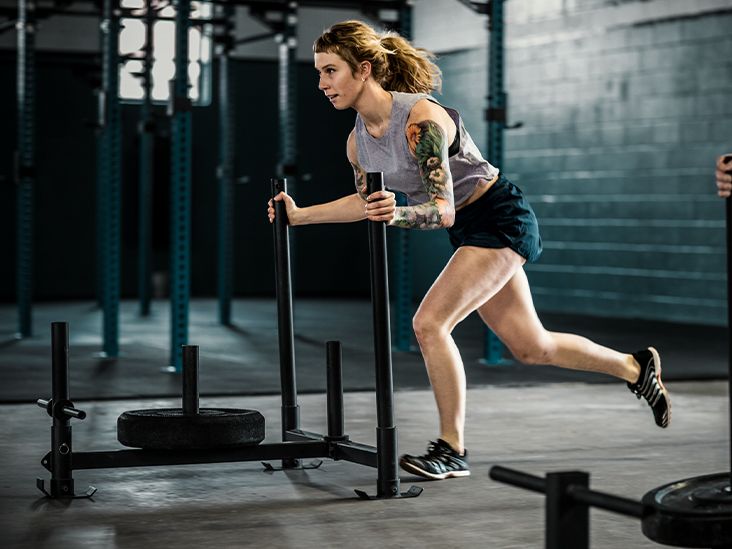
Credit: www.healthline.com
Avoiding Common Workout Mistakes
Avoiding common workout mistakes helps you stay safe and get better results. Many people hurt themselves or lose motivation by making simple errors. Knowing what to watch out for makes exercise more effective and enjoyable.
Overtraining Risks
Working out too much can cause serious problems. Your muscles need time to rest and heal. Overtraining leads to fatigue, weak performance, and injury. Signs include constant soreness, irritability, and trouble sleeping. Balance workout days with rest or light activity.
Improper Form Consequences
Using the wrong form can harm your body. Poor technique strains joints, muscles, and ligaments. It limits progress and may cause pain. Focus on learning correct movements. Use mirrors or ask a trainer for help. Quality beats quantity every time.
Neglecting Warm-ups And Cool-downs
Skipping warm-ups or cool-downs increases injury risk. Warm-ups prepare your body for exercise by raising heart rate and loosening muscles. Cool-downs help your body recover and reduce soreness. Spend 5-10 minutes on both before and after workouts. Simple stretches and light cardio work well.
Tracking Progress And Staying Motivated
Tracking your progress is key to staying motivated at the gym. Seeing improvements, no matter how small, fuels your drive to keep going. It also helps you adjust workouts to meet your needs better.
Consistent tracking builds good habits and shows how far you have come. Motivation grows when you can measure success clearly. Let’s explore ways to track progress effectively and keep motivation high.
Utilizing Fitness Apps
Fitness apps make tracking workouts simple and fast. They record exercises, sets, reps, and weights with ease. Some apps also track calories burned and heart rate.
Many apps offer reminders and challenges to keep users engaged. They provide graphs and charts showing progress over time. This visual proof encourages sticking to workout plans.
Popular apps include features like:
- Custom workout plans
- Progress photos
- Community support
- Goal setting tools
Setting Short And Long-term Goals
Clear goals give your workouts purpose. Short-term goals are achievable steps that lead to bigger results. Long-term goals focus on major achievements like strength gains or weight loss.
Break goals into specific, simple targets. For example, increase squat weight by 5 pounds in four weeks. Or, run 1 mile without stopping by next month.
Write goals down and review them often. Adjust them as you improve. This keeps goals realistic and motivating.
Celebrating Milestones
Recognizing milestones boosts confidence and motivation. Milestones mark progress, no matter how small. Celebrate achievements such as:
- Hitting a new personal record
- Completing a workout streak
- Improving endurance or flexibility
Celebrate with simple rewards like rest days or favorite treats. Share successes with friends or workout partners. This positive feedback encourages continued effort.
Adapting Workouts For Different Fitness Levels
Adapting workouts for different fitness levels ensures everyone can exercise safely and effectively. Each person has unique strength, endurance, and experience. Tailoring routines helps prevent injury and improves progress. Adjusting exercises based on ability keeps motivation high and reduces frustration. This section covers ways to modify workouts for beginners, advanced exercisers, and those with injuries.
Beginner-friendly Exercises
Start with simple movements that build a strong foundation. Focus on form and controlled motions. Use bodyweight exercises or light weights. Rest between sets to avoid fatigue. Examples include:
- Squats with chair support
- Wall push-ups
- Walking or light jogging
- Basic planks held for short times
Progress slowly by increasing reps or time. Consistency beats intensity at this stage.
Advanced Techniques
Advanced exercisers challenge their bodies with complex moves. Use heavier weights and faster pace. Incorporate compound exercises to target multiple muscles. Try supersets or circuit training for endurance. Examples include:
- Barbell squats and deadlifts
- Pull-ups or weighted chin-ups
- High-intensity interval training (HIIT)
- Explosive plyometric drills
Keep proper form to avoid injury. Push limits carefully to improve strength and stamina.
Modifying Workouts For Injuries
Adjust exercises to protect injured areas. Avoid movements that cause pain or discomfort. Use low-impact options and lighter resistance. Focus on mobility and gentle stretching. Suggestions include:
- Seated exercises to reduce joint stress
- Resistance bands instead of heavy weights
- Swimming or cycling for cardio
- Physical therapy guided movements
Always consult a healthcare professional before starting. Listen to your body and rest as needed.
Frequently Asked Questions
What Are The Best Beginner Gym Exercises?
Start with basic compound movements like squats, push-ups, and deadlifts. These build strength and improve overall fitness. Focus on proper form and light weights to avoid injury. Gradually increase intensity as you get comfortable with the exercises.
How Often Should I Work Out At The Gym Weekly?
Aim for 3 to 5 gym sessions per week for balanced progress. Include strength training and cardio for overall health. Rest days are important for muscle recovery. Consistency is key to achieving fitness goals safely and effectively.
What Equipment Is Essential For Gym Beginners?
Start with dumbbells, resistance bands, and a bench for versatile workouts. These tools help build strength and improve flexibility. Machines can guide your form but free weights enhance stability. Choose equipment based on your workout plan and comfort level.
How Do I Avoid Injuries During Gym Workouts?
Warm up properly before each session with light cardio and stretching. Use correct form and appropriate weights to reduce strain. Avoid overtraining and listen to your body’s signals. Rest and recovery are vital for preventing injuries.
Conclusion
Staying consistent with gym exercises brings steady progress. Start with simple moves and increase effort slowly. Rest and good nutrition help your body recover. Focus on your goals and enjoy small victories. Keep a positive mindset and stay patient. Exercise improves strength, mood, and overall health.
Remember, every workout counts toward your fitness journey. Stay active, stay healthy, and keep moving forward.







