
Are you looking for a simple, effective way to boost your workouts without bulky machines? Rubber band gym equipment might be exactly what you need.
These versatile tools can help you build strength, improve flexibility, and tone your body—all from the comfort of your home. Imagine getting a full workout with just a few bands that fit in your bag. Stick with me, and you’ll discover how rubber bands can transform your fitness routine in ways you never expected.
Ready to find out more? Let’s dive in.

Credit: www.amazon.com
Benefits Of Rubber Band Gym Equipment
Rubber band gym equipment offers a range of benefits that can enhance your workout experience. These versatile tools provide resistance training that suits all fitness levels. Whether you’re a beginner or an experienced athlete, rubber bands adapt to your needs and help you achieve your goals effectively.
Portable and Space-SavingOne of the biggest advantages of rubber band gym equipment is its portability. You can easily carry them in your bag and work out anywhere—at home, in the park, or while traveling.
Unlike bulky weights, rubber bands take up very little space. This makes them perfect if you don’t have room for a full gym setup.
Adjustable Resistance LevelsRubber bands come in different thicknesses and lengths, offering various resistance levels. This allows you to increase or decrease intensity simply by choosing a different band or adjusting your grip.
This flexibility helps you progress steadily without overstraining your muscles.
Improves Muscle Strength and FlexibilityUsing rubber bands challenges your muscles throughout the entire movement. This continuous tension promotes both strength and flexibility.
You can target specific muscles more effectively compared to traditional weights because the resistance changes with your motion.
Low Impact on JointsIf you have joint pain or are recovering from an injury, rubber band workouts are gentle yet effective. The elastic nature reduces stress on joints while still providing a solid workout.
This makes rubber bands ideal for rehabilitation and for those who want a safer way to build strength.
Cost-Effective Fitness SolutionRubber band gym equipment is generally inexpensive compared to machines or free weights. You get a wide variety of exercises without spending a lot of money.
Would you rather invest in a few bands or pay for a gym membership? The answer is clear for many on a budget.
Types Of Resistance Bands
Resistance bands come in many shapes and sizes. Each type offers unique benefits for workouts. Choosing the right band helps target muscles effectively. Here are the main types of resistance bands used in gyms.
Loop Bands
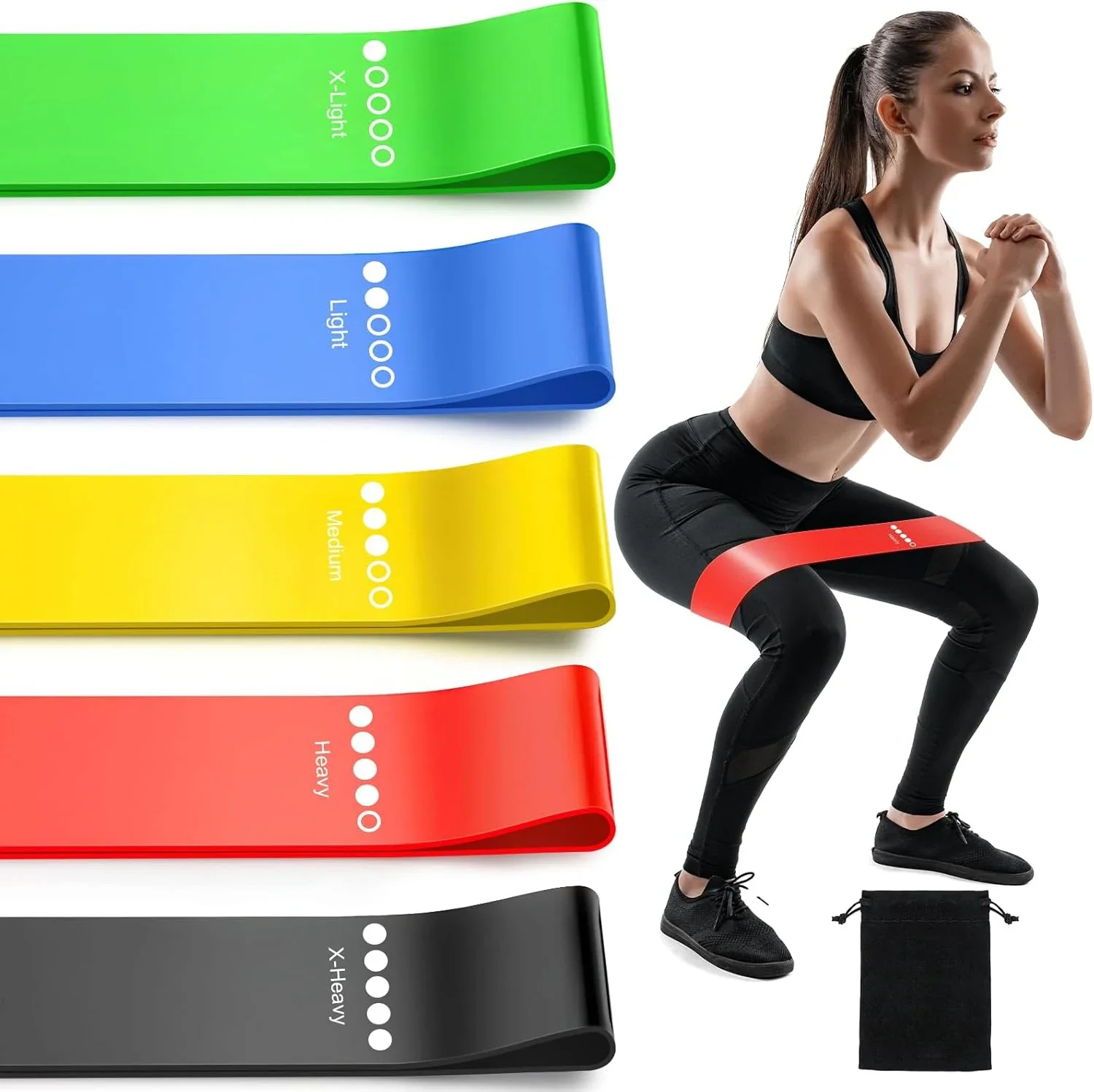
Loop bands form a continuous circle. They are often made of thick rubber. These bands are perfect for lower body exercises. Use them for squats, leg lifts, and glute bridges. Loop bands come in different resistance levels. They are easy to carry and very durable.
Therapy Bands
Therapy bands are flat and long strips. They have no handles or loops. These bands help improve flexibility and strength. Physical therapists often use them for rehabilitation. They are ideal for gentle stretching and light resistance work. Therapy bands suit beginners and those recovering from injury.
Figure 8 Bands
Figure 8 bands have a unique shape like the number eight. They usually have handles on both ends. These bands target upper body muscles well. Use them for arm curls, chest presses, and shoulder exercises. Figure 8 bands provide controlled resistance and easy grip.
Pull-up Assist Bands
Pull-up assist bands are thick and strong. They help reduce the weight during pull-ups. Attach them to a pull-up bar for support. These bands make pull-ups easier for beginners. They also improve strength and form over time. Pull-up assist bands vary in thickness and support level.
Choosing The Right Resistance Band
Choosing the right resistance band is key to effective workouts with rubber band gym equipment. The right band supports your fitness goals and prevents injury. Focus on the material, resistance level, and size to find the best fit for your needs.
Material And Durability
Resistance bands come in different materials like latex and fabric. Latex bands are flexible and offer smooth resistance. Fabric bands are thicker and more durable. Choose a material that feels comfortable on your skin. Check for quality to avoid snapping during use. Good durability means longer use without losing elasticity.
Resistance Levels
Resistance bands have varying levels from light to heavy. Light bands suit beginners or warm-ups. Medium bands fit most workouts and muscle groups. Heavy bands target strength training and advanced exercises. Select a band that matches your current strength. You can add more bands as you progress.
Length And Size
Resistance bands come in different lengths and widths. Longer bands allow more exercise variety and stretching. Shorter bands are easy to carry and store. Wider bands offer more resistance. Consider your workout space and type of exercises. Pick a size that feels comfortable and versatile for your routine.

Credit: www.amazon.com
Strength Training With Bands
Strength training with rubber bands offers a flexible and effective way to build muscle and improve endurance. These bands create resistance that challenges your muscles differently than free weights. You can easily adjust the intensity by changing the band’s thickness or the length you stretch it, making workouts suitable for all fitness levels.
Using bands also reduces joint strain, which is great if you’ve experienced discomfort with traditional weights. I remember switching to bands after a shoulder injury, and they helped me regain strength without pain. Have you thought about how bands might fit into your current routine?
Upper Body Exercises
Rubber bands work wonders for your arms, shoulders, and back. Try seated rows by anchoring the band at a door and pulling it toward you. This move targets your upper back and biceps effectively.
Another solid option is the banded chest press. Wrap the band around your back and push forward like a bench press. It’s a simple way to strengthen your chest without heavy equipment.
- Bicep curls: Step on the band and curl your arms upward.
- Overhead shoulder press: Stand on the band and press upwards.
- Tricep kickbacks: Secure the band under your foot and extend your arm backward.
Lower Body Workouts
Bands are fantastic for activating your glutes, quads, and hamstrings. A personal favorite is the banded squat. Place the band just above your knees to add resistance and keep your form tight.
Glute bridges with a band around your thighs also fire up the hip muscles. This extra tension makes your glutes work harder to lift your hips.
- Lateral band walks: Step side-to-side with the band around your ankles.
- Leg presses: Lie down, loop the band over your feet, and push out.
- Hamstring curls: Anchor the band and pull your heel toward your glutes.
Core Strengthening Moves
Your core stabilizes every movement, and bands can enhance your core training. Try the standing woodchopper by attaching the band high and pulling it diagonally across your body. It challenges your obliques and abs simultaneously.
Another effective exercise is the banded plank row. In a plank position, hold the band and row one arm at a time. This works your core while engaging your back and arms.
- Seated Russian twists: Hold the band taut as you twist side to side.
- Resistance band dead bugs: Keep the band stretched while moving opposite limbs.
- Mountain climbers with band: Loop the band around your feet to increase resistance.
Flexibility And Stretching
Flexibility and stretching play a key role in fitness routines. Rubber band gym equipment offers effective ways to enhance these aspects. Stretching with resistance bands helps improve muscle elasticity and joint movement. This aids in reducing injury risk and boosting workout performance.
Dynamic Stretching Techniques
Dynamic stretching uses controlled movements to warm up muscles. Rubber bands add resistance to these motions, making the muscles work harder. Examples include leg swings, arm circles, and shoulder rolls with bands. These movements increase blood flow and prepare the body for exercise.
Static Stretching Routines
Static stretching involves holding a stretch for a period of time. Resistance bands assist by gently pulling muscles further. Common stretches include hamstring, calf, and shoulder stretches using bands. This method helps lengthen muscles and improve relaxation after workouts.
Improving Range Of Motion
Resistance bands help increase joint flexibility and movement range. Bands provide adjustable tension to challenge muscles safely. Regular stretching with bands can lead to better posture and reduced stiffness. Consistent practice enhances daily activities and athletic performance.
Credit: www.aliexpress.com
Incorporating Bands Into Workouts
Incorporating rubber bands into workouts enhances flexibility and strength. They offer resistance that adapts to your movement. These bands are lightweight and easy to carry. This makes workouts possible anywhere—at home, the gym, or outdoors.
Using bands increases muscle engagement without heavy weights. They help improve balance and coordination. Bands suit all fitness levels, from beginners to advanced athletes.
Combining With Other Equipment
Rubber bands work well alongside dumbbells, kettlebells, and barbells. Add bands to traditional exercises for extra resistance. For example, attach a band to a dumbbell curl. This challenges muscles differently than weights alone.
Combine bands with stability balls for core workouts. Use bands with pull-up bars for assisted pull-ups. The blend of equipment targets multiple muscle groups. This method boosts workout variety and effectiveness.
Creating A Full-body Routine
Design routines that target all major muscle groups. Include exercises for legs, arms, back, and core. Bands allow smooth transitions between movements.
- Squats with band resistance for legs and glutes
- Chest presses using bands for upper body strength
- Seated rows with bands to engage the back
- Core twists with bands for abdominal muscles
Full-body routines increase calorie burn and improve overall fitness. Adjust band tension to match your strength level.
Tips For Beginners
Start with light resistance bands to avoid strain. Focus on form and controlled movements. Perform exercises slowly to build muscle awareness.
Warm up before using bands to prevent injury. Use a mirror or record yourself to check posture. Rest between sets to allow muscle recovery.
- Choose bands with different resistance levels
- Begin with 2-3 sets of 10-15 repetitions
- Increase intensity gradually over weeks
- Consult a trainer for personalized guidance
Patience and consistency lead to steady progress. Enjoy the variety and flexibility bands bring to workouts.
Safety Tips And Precautions
Using rubber band gym equipment can be a fantastic way to boost your fitness routine. However, safety should always be a top priority to prevent injuries and make your workouts effective. Paying attention to proper maintenance, injury prevention, and correct form can make all the difference in your exercise experience.
Proper Band Maintenance
Rubber bands can wear out quickly if not cared for properly. Check your bands regularly for any signs of cracks, tears, or thinning before each use. Using damaged bands increases the risk of snapping, which can cause serious injury.
Store your bands in a cool, dry place away from direct sunlight to keep the material strong and flexible. Avoid overstretching beyond the recommended limits, as this weakens the bands over time. Have you noticed any changes in your bands’ elasticity? That’s a sign it’s time to replace them.
Avoiding Common Injuries
Injuries often happen when you push too hard or use the bands incorrectly. Start with lighter resistance and gradually increase as your strength improves. This approach helps your muscles adapt and reduces strain.
Protect your eyes and face by always controlling the band’s movement; never let it snap back uncontrollably. Wearing protective eyewear can add an extra layer of safety during intense sessions. How cautious are you about controlling the band’s tension during your workouts?
Ensuring Correct Form
Maintaining proper form is crucial when using rubber bands to target muscles effectively and avoid injury. Focus on slow, controlled movements rather than speed. This ensures the muscles work through the full range of motion.
Use mirrors or record yourself to check your posture and alignment. If possible, get feedback from a trainer or experienced friend to correct any mistakes early. Have you tried slowing down your reps to feel the difference in muscle engagement?
Travel And Portability Advantages
Rubber band gym equipment offers unbeatable travel and portability advantages that fit perfectly into your busy lifestyle. These bands are light, easy to carry, and don’t take up much space, making them a smart choice for fitness on the go. Whether you’re heading to a hotel, visiting friends, or just moving between rooms, these bands stay ready for action.
Compact Storage Solutions
Rubber bands fold down into tiny bundles that fit easily into a backpack, suitcase, or even a handbag. You don’t need a bulky gym bag or extra space in your closet. This means you can keep your workout gear within arm’s reach at all times.
Think about your last trip—did you pack heavy weights or bulky machines? Chances are, you left them behind. Rubber bands solve this problem with their minimal storage needs.
Workout Anywhere, Anytime
With rubber bands, your gym travels with you. No need to hunt for a gym or wait for equipment to free up. You can do strength training in your hotel room, a quiet park bench, or even during a lunch break at work.
Have you ever missed a workout because you didn’t have the right equipment? These bands ensure that excuse disappears. They let you maintain your routine wherever life takes you.
Ideal For Outdoor Sessions
Outdoor workouts become more enjoyable and effective with rubber bands. They’re weather-resistant and durable, so you don’t have to worry about rain or rough surfaces damaging them. Plus, they add resistance to bodyweight exercises, making your outdoor session more challenging.
Imagine a morning workout under the sun or a sunset session by the beach. Rubber bands make these moments more productive without any hassle. Are you ready to take your fitness outside?
Frequently Asked Questions
What Are Rubber Band Gym Equipment Benefits?
Rubber band gym equipment improves strength, flexibility, and muscle tone. They provide resistance training without heavy weights. These bands are portable, affordable, and suitable for all fitness levels. They also help prevent injuries by encouraging controlled movements and gradual progression.
How Do Rubber Bands Enhance Workout Routines?
Rubber bands add variable resistance, targeting muscles through full motion. They increase workout intensity and engage stabilizer muscles. Bands enable diverse exercises, from stretching to strength training. They improve muscle coordination and promote balanced muscle development.
Are Rubber Bands Suitable For Beginners?
Yes, rubber bands are perfect for beginners. They offer adjustable resistance, allowing gradual strength building. Bands reduce joint stress and risk of injury. Beginners can learn proper form and control before progressing to heavier equipment.
Can Rubber Bands Replace Traditional Weights?
Rubber bands complement but don’t fully replace weights. They are ideal for resistance training and rehabilitation. Bands provide variable tension but lack the maximum load weights offer. Combining bands with weights optimizes overall strength and muscle growth.
Conclusion
Rubber band gym equipment offers a simple way to stay fit anywhere. They are light, easy to carry, and suit all fitness levels. You can use them for strength, flexibility, and balance exercises. These bands help you work out without heavy machines or weights.
Try different exercises to keep your routine fresh and fun. Small tools, big benefits. Keep moving and enjoy the results.







