
Are you looking to improve your fitness at home while saving money? Knowing which gym equipment is FSA eligible can make a big difference for your budget.
Imagine getting the workout gear you need without the extra cost hanging over your head. You’ll discover exactly what gym equipment qualifies for Flexible Spending Account (FSA) reimbursement—and how you can take full advantage of this benefit. Keep reading to find out how to make your fitness goals more affordable and smart!
Understanding Fsa Eligibility For Gym Equipment
Understanding whether gym equipment is eligible for purchase with your Flexible Spending Account (FSA) can save you money and help you invest wisely in your health. Not all fitness gear qualifies, so knowing the rules can prevent surprises at checkout. Let’s break down what makes gym equipment FSA-eligible and how you can make the most of these benefits.
What Does Fsa Eligibility Mean For Gym Equipment?
FSA eligibility means that the cost of the gym equipment can be paid for using your pre-tax FSA funds. This reduces your overall taxable income, giving you a financial edge. However, the IRS has strict guidelines about what types of equipment qualify.
Generally, the equipment must be prescribed by a doctor to treat a specific medical condition. Simply wanting to get fit or lose weight usually isn’t enough for eligibility. Have you ever wondered if your treadmill or yoga mat could be covered? The answer often depends on medical necessity.
Common Gym Equipment That May Qualify
- Blood pressure monitors:Used to manage hypertension.
- CPAP machines:For sleep apnea treatment.
- Crutches or walkers:For mobility assistance.
- Specialized exercise equipment:Prescribed for physical therapy, like pedal exercisers.
Basic home gym items, like weights or standard treadmills, rarely qualify without a doctor’s note. Think about whether your equipment serves a therapeutic purpose.
How To Confirm Fsa Eligibility For Your Equipment
Start by checking your FSA plan details or contacting your plan administrator. Many FSAs provide a list of eligible and ineligible items. Keep in mind that some plans might have different rules.
You should also get a doctor’s letter explaining why the equipment is medically necessary. This documentation can be crucial if your claim is questioned. Have you gathered your prescription or recommendation before purchasing? It can make the process smoother.
Tips For Using Your Fsa Wisely On Gym Equipment
- Keep all receipts and documentation for claims.
- Verify eligibility before buying to avoid out-of-pocket surprises.
- Use your FSA funds before they expire—many plans have a use-it-or-lose-it policy.
- Ask your healthcare provider about equipment that can help your condition.
By understanding these points, you can better decide whether your gym equipment purchase qualifies and how to use your FSA funds effectively. Would a quick call to your plan administrator save you money on your next health investment?
Essential Criteria For Fsa Eligibility
Understanding the essential criteria for FSA eligibility helps in choosing the right gym equipment. Not all fitness items qualify for FSA reimbursement. Certain rules must be met to ensure the purchase is covered. Knowing these criteria saves time and avoids unexpected expenses.
Medical Necessity
FSA funds cover gym equipment only if prescribed by a doctor. The equipment must address a specific medical condition. It should help improve or treat the condition effectively. General fitness or weight loss goals do not qualify. The prescription must clearly state why the equipment is needed.
Documentation Requirements
Proper paperwork is crucial to claim FSA benefits. A detailed letter of medical necessity from a healthcare provider is required. This letter must explain the condition and the role of the equipment. Receipts and product descriptions should be kept for records. Submitting clear and complete documents ensures smooth reimbursement.
Popular Fsa-eligible Gym Equipment
Choosing gym equipment that qualifies for Flexible Spending Account (FSA) reimbursement can make a big difference in managing your fitness expenses. Many popular options fit under FSA guidelines, allowing you to invest in your health while saving money. Knowing which types of equipment are eligible helps you pick items that support your wellness goals and maximize your benefits.
Cardio Machines
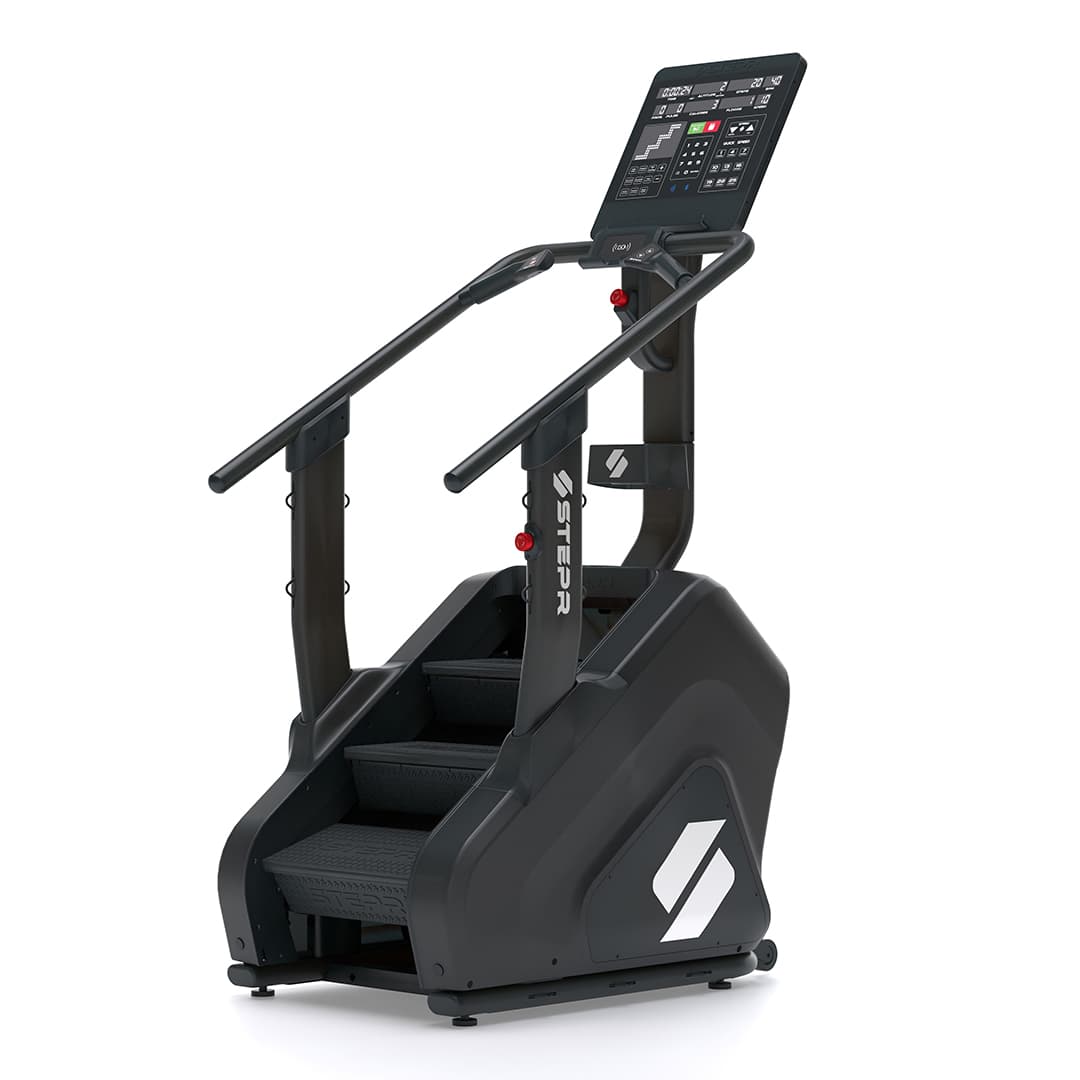
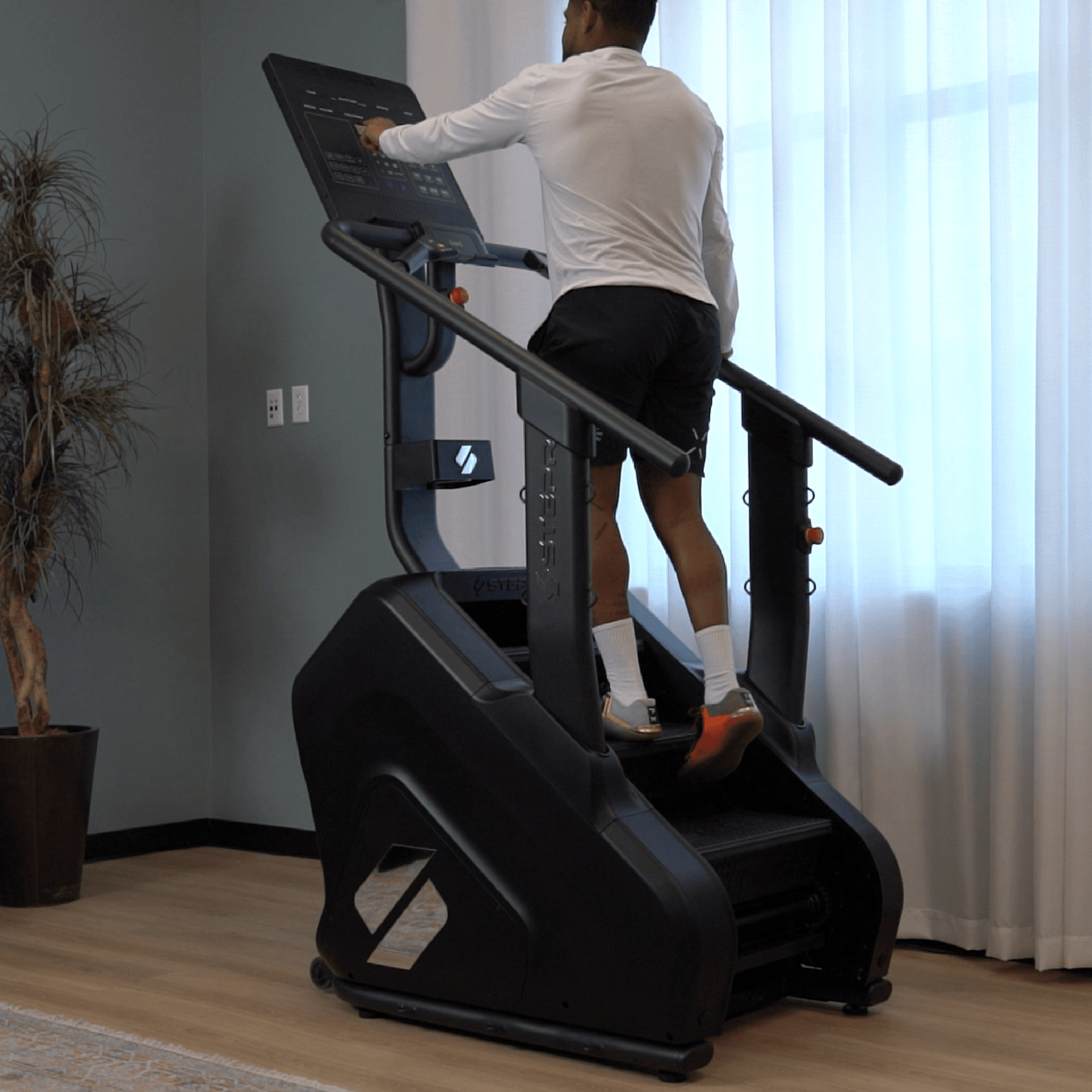
Cardio machines like treadmills, ellipticals, and stationary bikes often qualify for FSA reimbursement if prescribed by a healthcare professional. These machines improve heart health and endurance, making them a smart investment for anyone focused on cardiovascular fitness.
Have you considered how adding a treadmill to your home gym might boost your daily activity? Small steps like walking or light jogging can have a big impact on your overall health.
Strength Training Equipment
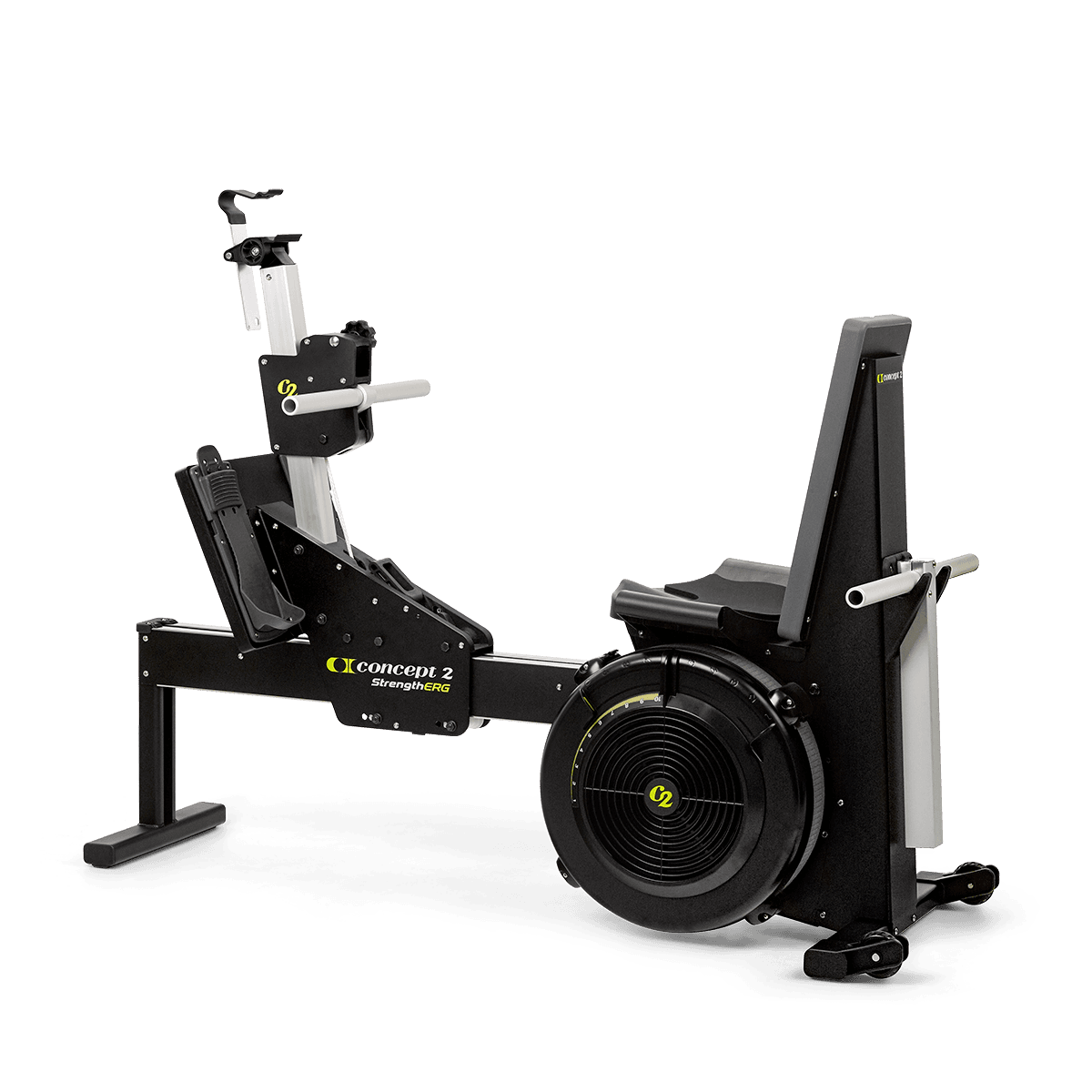
Strength training gear such as free weights, resistance bands, and weight benches may be FSA-eligible with a doctor’s recommendation. Building muscle strength supports joint health and can reduce the risk of injuries.
Using resistance bands is a simple way to add strength training to your routine without bulky equipment. Would you try incorporating them during your work breaks to stay active?
Flexibility And Rehabilitation Tools
Items like foam rollers, yoga mats, and balance boards often qualify for FSA coverage when used for injury recovery or improving flexibility. These tools aid in rehabilitation and help maintain mobility.
Have you noticed how stretching or foam rolling after exercise improves your recovery? Adding these tools can help prevent soreness and keep you moving comfortably.
Credit: www.truemed.com
Maximizing Benefits With Fsa-eligible Purchases
Maximizing benefits with FSA-eligible purchases helps stretch your healthcare dollars. Buying gym equipment through your Flexible Spending Account can reduce costs. Smart choices ensure you get the most out of your FSA funds. Understanding which equipment qualifies is key. Planning your purchases around your health goals adds value. This approach supports a healthier lifestyle without extra expenses.
Creating A Personalized Fitness Plan
Start by setting clear fitness goals. Choose equipment that fits your needs and space. Consider your health conditions and physical abilities. Tailor workouts to target specific areas or issues. Use FSA-eligible items like resistance bands or blood pressure monitors. A customized plan increases motivation and results. Track progress and adjust your equipment choices over time.
Consulting Healthcare Professionals
Ask your doctor or therapist about suitable gym equipment. They can recommend items that support your health needs. Ensure the equipment qualifies for FSA reimbursement. Professionals provide guidance to avoid injury and maximize benefits. Keep documentation of their recommendations for FSA claims. Their advice helps create a safe and effective fitness routine.
Tips For Buying Fsa-eligible Equipment
Buying gym equipment with your Flexible Spending Account (FSA) funds can be a smart move, but it requires careful planning. Not all gym gear qualifies for FSA reimbursement, so you need to be sure your purchases meet the necessary requirements. Taking the right steps before you buy can save you from denied claims and wasted money.
Checking With Fsa Providers
Every FSA plan has its own rules about which gym equipment qualifies. Before you buy anything, contact your FSA provider directly. Ask them if the equipment you want is eligible and if you need a doctor’s recommendation to qualify.
Some providers maintain an online list of approved items. Checking this list can save time and frustration. Don’t assume that just because something is health-related, it will be covered.
Have you ever bought something expecting it to be FSA-eligible only to find out it wasn’t? That’s why reaching out first is crucial. This step protects your budget and avoids surprises.
Keeping Accurate Records
Once you purchase FSA-eligible equipment, keep all your receipts and related documents. Your FSA provider may ask for proof to approve your reimbursement claim. Without detailed records, you risk losing out on your benefits.
It helps to organize your paperwork right after buying. Use a dedicated folder or digital storage to keep invoices, doctor’s notes, and any correspondence with your FSA provider. This habit can make filing claims quicker and less stressful.
Imagine needing to prove your purchase months later. Would you be able to find the right receipt? Keeping accurate records ensures you never have to ask yourself that question.
Common Mistakes To Avoid
Knowing which gym equipment qualifies for your Flexible Spending Account (FSA) can save you money and avoid frustration. However, many people make mistakes that cost them both time and funds. Recognizing common pitfalls helps you use your FSA benefits correctly and confidently.
Misunderstanding Eligible Expenses
Not all gym equipment is eligible for FSA reimbursement. Many assume that buying any fitness gear qualifies, but the IRS has strict rules. Items like treadmills or elliptical machines might not qualify unless prescribed by a doctor for a specific medical condition.
Have you ever purchased equipment only to find out it wasn’t reimbursable? That’s a common frustration. Always check with your FSA plan or get a doctor’s note to confirm eligibility before buying.
Ignoring Expiry Dates
FSA funds typically expire at the end of the plan year or grace period. Many people forget to use their remaining balance before the deadline. This means any unused money is lost, even if you have eligible gym equipment expenses.
Set reminders to review your FSA balance regularly. Planning purchases ahead of time ensures you don’t miss out on using your funds effectively.
Future Trends In Fsa-eligible Fitness Equipment
The future of FSA-eligible fitness equipment is shaping up to be both exciting and practical. As health awareness grows, more people look for ways to invest in gear that supports their well-being and qualifies for flexible spending accounts. Understanding the trends can help you choose equipment that fits your lifestyle and financial planning.
Technological Advancements
Fitness equipment is getting smarter every day. Devices now come with built-in sensors to track your progress, provide real-time feedback, and even connect to apps for personalized workout plans. Imagine a treadmill that adjusts speed based on your heart rate or a stationary bike that simulates outdoor terrain—these features can make workouts more effective and enjoyable.
Tech also helps with accessibility to health data, making it easier for you and your healthcare provider to monitor improvements. This data-driven approach might increase the range of FSA-eligible devices, as insurers see more value in equipment that supports preventive care.
Increasing Accessibility
More people are gaining access to FSA-eligible gym equipment thanks to wider availability and affordable options. Compact machines designed for small spaces are becoming popular, making home workouts feasible even in tight apartments. This opens doors for those who previously found gym memberships or bulky equipment out of reach.
Additionally, retailers and manufacturers are offering clearer information on FSA eligibility, helping you make smarter purchases. Have you noticed how some stores now highlight which products qualify? This transparency can help you plan your fitness investments without guesswork.
Credit: www.truemed.com
Credit: www.truemed.com
Frequently Asked Questions
Is Gym Equipment Eligible For Fsa Reimbursement?
Gym equipment is generally not FSA eligible unless prescribed by a doctor for a specific medical condition. Standard fitness gear like treadmills or weights usually doesn’t qualify. Always check with your FSA plan provider for approved items before purchasing.
What Gym Items Qualify For Fsa Spending?
Items prescribed by a healthcare provider, such as certain therapeutic exercise equipment, may qualify. Medical devices like blood pressure monitors or diabetic supplies are often eligible. Over-the-counter fitness gear typically does not qualify unless medically necessary.
Can I Use Fsa Funds For Home Gym Setups?
FSA funds can be used for home gym equipment only if prescribed for a medical condition. Without a doctor’s note, most home gym purchases are not reimbursable. Verify eligibility with your FSA administrator before buying.
How To Prove Gym Equipment Is Medically Necessary?
You need a doctor’s letter or prescription stating the equipment is required for treatment. This documentation must be submitted to your FSA plan administrator for approval. Keep all receipts and paperwork for your records.
Conclusion
Choosing gym equipment that is FSA eligible can save you money. Many common items qualify for FSA spending. Check your plan details to confirm what is covered. Prioritize equipment that supports your health and fitness goals. Remember to keep receipts for easy reimbursement.
Staying active at home is possible with the right tools. Small investments in approved gear can make a big difference. Use your FSA benefits wisely to improve your wellness. Simple steps lead to healthier habits and smarter spending.







