
Looking to upgrade your workout space? Choosing the right bench gym equipment can make all the difference in reaching your fitness goals.
Whether you’re lifting weights, doing bodyweight exercises, or trying new routines, the right bench supports your moves safely and effectively. In this guide, you’ll discover what to look for, how to pick the best bench for your needs, and tips to get the most from your workouts.
Keep reading to transform your training and get stronger every day.
Benefits Of Bench Gym Equipment
Bench gym equipment offers a wide range of benefits that can enhance your workout routine and help you achieve your fitness goals more efficiently. Whether you’re a beginner or an experienced lifter, a bench provides stability, versatility, and comfort during exercises. Understanding these advantages can motivate you to include bench workouts in your sessions and see better results.
Improves Exercise Variety
A bench allows you to perform numerous exercises beyond just push-ups or free weights. You can do bench presses, dumbbell flyes, step-ups, and even core workouts with it. This variety helps prevent boredom and keeps your muscles challenged in new ways.
Enhances Stability And Safety
Using a bench provides a solid base, which improves your form and balance during lifts. It helps reduce the risk of injury by supporting your back and allowing controlled movements. When you feel secure, you can push yourself harder without fear of losing control.
Supports Targeted Muscle Training
With the ability to adjust the bench’s angle, you can focus on different muscle groups effectively. For example, an incline bench targets your upper chest while a decline bench works your lower chest. This focused approach helps you build muscle evenly and avoid imbalances.
Convenient For Home Workouts
A bench doesn’t take up much space and fits well in most home gyms. It’s a cost-effective piece of equipment that replaces the need for several machines. You can get a full-body workout without leaving your house.
Boosts Workout Efficiency
Having a bench nearby saves time switching between exercises since you can quickly adjust positions. It lets you combine strength and cardio moves seamlessly, making your workouts more intense and time-effective. Have you noticed how quickly your sessions fly by when you use a bench?
Credit: www.newegg.ca
Types Of Benches
Choosing the right bench is crucial for your workout efficiency and safety. Benches come in various types, each designed to support different exercises and training goals. Understanding these types will help you pick the perfect fit for your home gym or fitness routine.
Flat Benches
Flat benches are the most basic and widely used type of gym equipment. They provide a stable and level surface, ideal for exercises like bench presses, dumbbell rows, and step-ups. If you’re just starting out or want a simple, reliable bench, this is a solid choice.
One thing to consider is that flat benches limit your exercise angles. This can restrict muscle engagement compared to adjustable options. Have you noticed if your workout feels less challenging on a flat bench?
Adjustable Benches
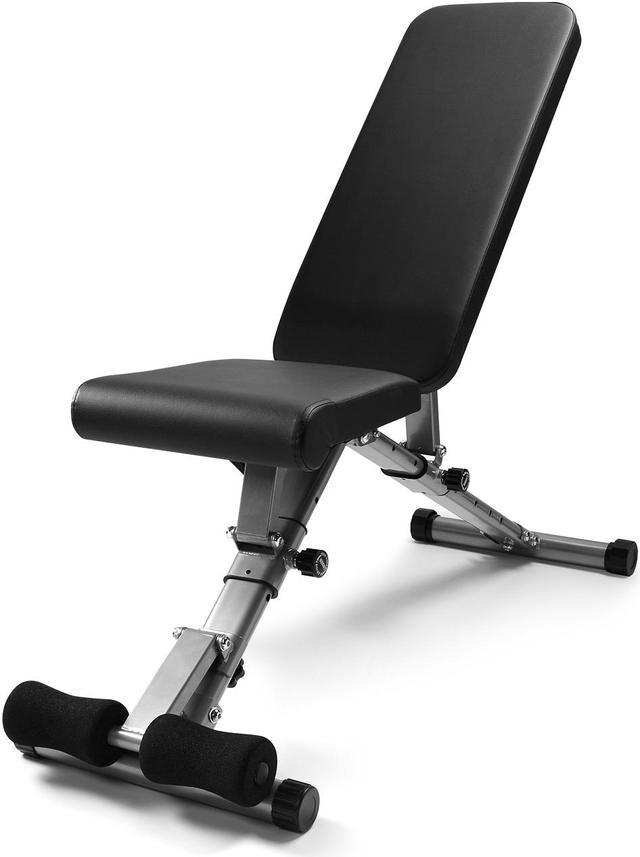
Adjustable benches add versatility by allowing you to change the angle of the backrest. You can set it from flat to incline or even decline positions. This flexibility lets you target different parts of your muscles with the same bench.
For example, an incline position focuses more on the upper chest, while a decline targets the lower chest. If you want variety without buying multiple benches, an adjustable bench will serve you well.
Olympic Benches
Olympic benches are designed for serious lifters and come with heavy-duty construction. They often include attachments like leg developers or preacher curl pads. These benches are built to handle heavier weights and intense workouts.
Using an Olympic bench can improve your lifting form and stability, especially during heavy bench presses. Do you lift heavy often? This type of bench might be exactly what you need for safety and performance.
Key Features To Consider
Choosing the right bench gym equipment can transform your workout experience. Focusing on key features ensures you invest in a bench that supports your fitness goals effectively and safely. Consider these aspects carefully to find a bench that matches your needs and lasts through countless sessions.
Durability
Your bench needs to withstand regular use without wearing out quickly. Look for materials like heavy-duty steel frames and high-quality welds that promise long-term stability. A bench that feels solid and doesn’t wobble during exercises will give you confidence to push harder.
Think about the environment where you’ll use it. If you plan to keep it in a home gym with occasional use, durability requirements differ from a commercial gym setting. Ask yourself: How often will you use this bench, and under what conditions?
Comfort And Padding
Comfort directly affects how long and how well you can train. Thick, high-density foam padding supports your body without causing discomfort or slipping. The cover material should be durable yet soft to the touch, resisting sweat and tears.
Remember, a bench that feels uncomfortable can distract you and limit your performance. Have you ever stopped mid-set because the padding hurt your back or shoulders? Prioritize comfort to keep your focus on lifting, not pain.
Weight Capacity
Weight capacity is not just about your body weight; it includes the weight of the equipment and any added weights you lift. Always choose a bench with a weight limit higher than your maximum lifting load to stay safe. For example, if you bench press 200 pounds, look for a bench rated for at least 300 pounds.
Failing to consider weight capacity can lead to accidents or damage to your bench. What’s the heaviest load you plan to lift? Use that number as your baseline when evaluating options.
Popular Exercises With Benches
Benches are essential in any gym setup. They allow a wide range of exercises targeting different muscles. Popular exercises with benches help build strength, improve form, and increase workout variety. These exercises suit beginners and advanced lifters alike.
Bench Press Variations
The bench press is a classic strength exercise. It mainly works the chest, shoulders, and triceps. Variations include:
- Flat bench press with a barbell
- Close-grip bench press for triceps focus
- Wide-grip bench press targeting the chest more
These variations help target muscles differently and prevent workout plateaus.
Incline And Decline Exercises
Adjusting the bench angle changes muscle activation. Incline exercises focus more on the upper chest and shoulders. Decline exercises emphasize the lower chest. Examples include:
- Incline dumbbell press
- Incline barbell press
- Decline bench press
Changing angles improves muscle balance and overall chest development.
Dumbbell Exercises
Dumbbells add variety and range of motion. Using a bench with dumbbells works stabilizer muscles. Popular dumbbell exercises on a bench include:
- Dumbbell flyes
- Dumbbell bench press
- Single-arm dumbbell row
These exercises improve muscle coordination and strength evenly on both sides.
Incorporating Benches Into Routine
Benches are essential gym tools that fit many workout styles. They help improve strength and flexibility. Including benches in your workout routine opens many exercise options. These exercises can fit all fitness levels and goals.
Full-body Workouts
Benches allow exercises that work multiple muscles at once. Use a bench for moves like bench presses and step-ups. These exercises engage your chest, legs, and core together. A bench also supports balance and stability during workouts. It helps perform dynamic exercises safely and effectively. Full-body workouts with benches save time and increase calorie burn.
Targeted Muscle Groups
Benches help focus on specific muscles with precise exercises. For example, incline benches target upper chest muscles. Flat benches work the middle chest and triceps better. You can also isolate muscles like shoulders or back with bench support. Use a bench for dumbbell rows or shoulder presses. This focus improves muscle strength and shape. Adjust the bench angle to change muscle emphasis.
Maintenance And Care Tips
Taking care of your bench gym equipment is key to keeping your workouts safe and effective. Regular maintenance helps you spot small issues before they become big problems. It also extends the life of your equipment, saving you money in the long run.
Cleaning Your Bench Regularly
Dust and sweat can build up on your bench, leading to damage or unpleasant odors. Wipe down the surface with a damp cloth after each use. Use mild soap and water for a deeper clean once a week to keep the material fresh and prevent cracks.
Have you ever noticed your bench getting sticky or slippery during workouts? This often means it’s time for a good cleaning.
Inspecting For Wear And Tear
Check bolts, screws, and welds frequently to ensure nothing is loose or damaged. A loose bolt can cause the bench to wobble and increase injury risk. Tighten any loose parts immediately and replace worn-out components as needed.
Think about the last time you felt unstable on your bench. Could it have been due to a small, unnoticed problem?
Lubricating Moving Parts
If your bench has adjustable features, keep the moving parts smooth by applying lubricant. Use silicone spray or a light machine oil to prevent rust and reduce noise. Avoid over-lubricating, as excess oil can attract dust and dirt.
Do you hear any squeaks or feel stiffness when adjusting your bench? That’s a clear sign it’s time for lubrication.
Protecting Your Bench From Damage
Place your bench on a flat, stable surface to avoid unnecessary strain on its frame. Use mats underneath to protect it from scratches and moisture. Avoid exposing your bench to direct sunlight or extreme humidity, which can degrade padding and metal.
Have you ever left your equipment outside or in a damp basement? How did that affect its condition over time?
Choosing The Right Bench For You
Choosing the right bench for your workout space is more than just picking a piece of equipment. It’s about matching the bench to your fitness goals, the space you have, and how much you want to spend. The right choice can boost your motivation and performance, while the wrong one might hold you back or even cause discomfort.
Assessing Your Needs
Think about the exercises you want to do. Are you focusing on heavy lifting, or more on bodyweight and light dumbbell workouts? A flat bench might work if you mainly do bench presses, but an adjustable bench opens up more options like incline and decline presses.
Consider your space. Do you have room for a bulky bench, or do you need something compact and foldable? Also, check the weight capacity — it should comfortably support your weight plus the weights you lift. Don’t overlook comfort; padding and bench width matter when you spend time on the bench.
Budget Considerations
Your budget will guide many choices, but don’t let cost alone decide. A very cheap bench might save money upfront but could wear out quickly or feel unstable. On the other hand, a high-end bench offers durability and extra features but might include options you don’t need.
Set a realistic budget by balancing quality and features. Look for benches with good reviews that fit your price range. Sometimes spending a bit more initially saves money over time by avoiding replacements or injuries.

Credit: xrivalfitness.com
Top Brands And Models
Choosing the right bench gym equipment improves your workout results. Trusted brands offer quality, durability, and safety. Many models suit different workout styles and spaces. This guide covers popular brands and their top bench models.
Body-solid
Body-Solid benches are sturdy and reliable. They suit beginners and advanced users. The GFB350 Flat/Incline/Decline Bench adjusts easily for various exercises. Its strong frame supports heavy weights. The build quality lasts for years.
Bowflex
Bowflex benches combine comfort with versatility. The Bowflex 5.1S Stowable Bench fits small spaces. It folds flat for storage. Its thick padding reduces discomfort during long workouts. Adjustable settings allow multiple exercise angles.
Rogue Fitness
Rogue Fitness produces heavy-duty benches for serious lifters. The Rogue Flat Utility Bench is known for its solid steel frame. It stays stable even during intense workouts. Its compact design fits most home gyms.
Fitness Reality
Fitness Reality offers budget-friendly benches with good features. The 1000 Super Max Weight Bench supports up to 800 pounds. Adjustable positions let users do incline, decline, and flat exercises. It is easy to assemble and move.
Ironmaster
Ironmaster benches are built for strength and flexibility. The Ironmaster Super Bench adjusts to many angles. It folds for storage and has wheels for transport. Its solid construction handles heavy lifting and frequent use.

Credit: www.amazon.ca
Frequently Asked Questions
What Types Of Bench Gym Equipment Are Available?
Common types include flat benches, adjustable benches, and decline benches. Each supports different workout styles and muscle targeting.
How Do I Choose The Best Bench For Workouts?
Consider your workout goals, space, and budget. Adjustable benches offer versatility, while flat benches are great for basics.
Are Bench Gym Equipment Safe For Beginners?
Yes, benches are safe with proper use. Start with lighter weights and focus on form to avoid injuries.
Can Bench Gym Equipment Improve Strength Training?
Absolutely. Benches help isolate muscles and support various exercises, enhancing overall strength and muscle development effectively.
Conclusion
Bench gym equipment helps you build strength and stay fit. It offers many workout options for different muscle groups. Choosing the right bench makes exercises safer and more effective. Regular use improves your posture and muscle tone. Start with simple moves and grow your routine over time.
Small steps lead to big changes. A good bench supports your fitness goals every day. Keep consistent and enjoy the progress you make. Your health benefits from the effort you put in. Simple tools, steady work, better results.







