
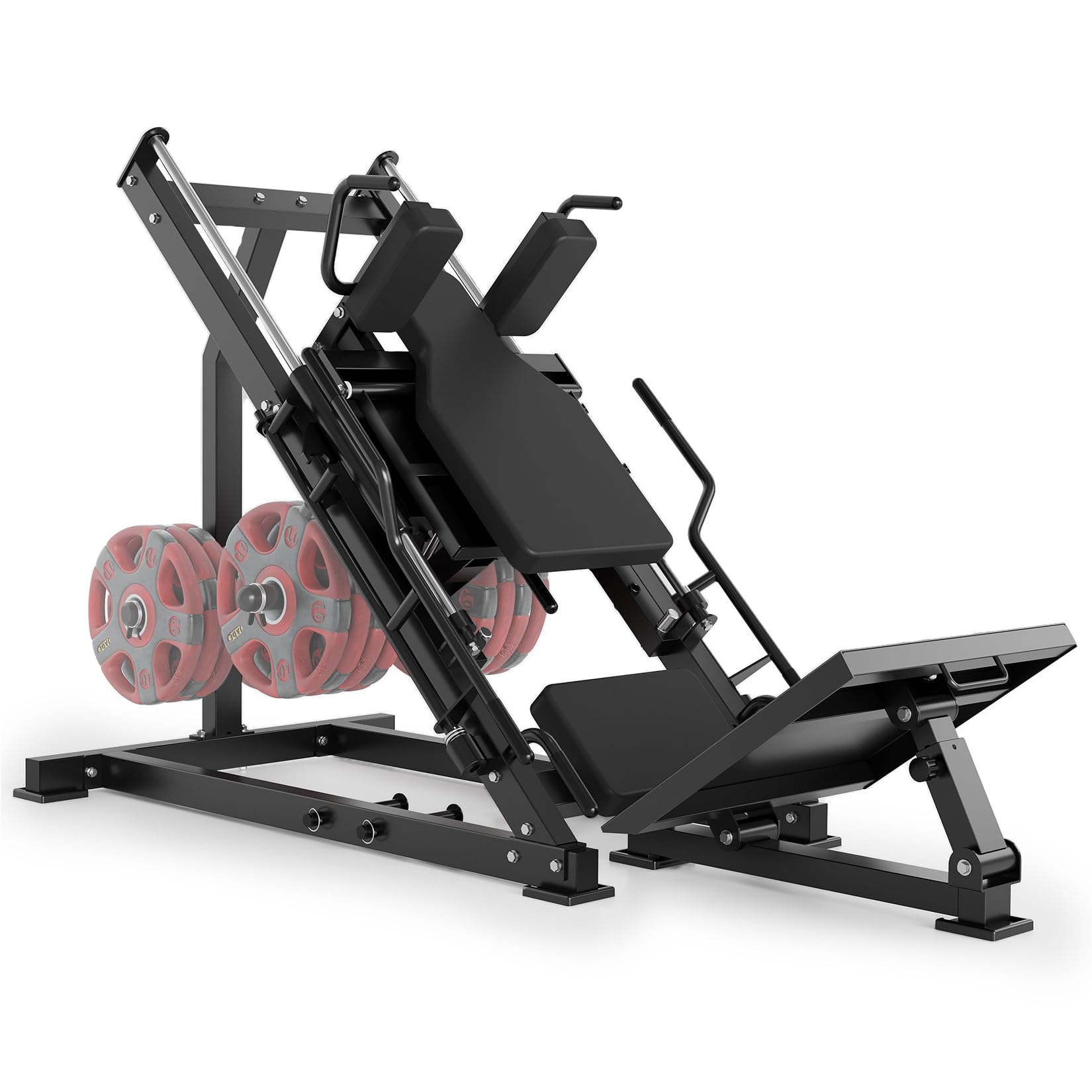
Are you ready to take your leg workouts to the next level? The gym equipment leg press is a powerful tool that can help you build strength, tone muscles, and boost your overall fitness.
Whether you’re a beginner or someone looking to enhance your routine, understanding how to use the leg press effectively can make a huge difference in your results. Keep reading to discover why this machine might be the missing piece in your workout and how it can help you achieve stronger, leaner legs faster than you imagined.
Credit: www.amazon.ca
Benefits Of The Leg Press
The leg press is a powerhouse machine that offers several key benefits for anyone serious about building lower body strength. It targets major muscle groups while providing a controlled and safe environment to push your limits. Understanding these benefits can help you decide how to best add the leg press to your workout routine.
Muscle Development
The leg press primarily works your quadriceps, hamstrings, and glutes. This focused engagement helps you build size and strength in your legs faster than many other exercises. When I started using the leg press consistently, I noticed my squats improved because my leg muscles became stronger and more balanced.
Adding variations like single-leg presses can also correct muscle imbalances. Are you maximizing muscle growth by only relying on free weights, or could the leg press give your muscles a new challenge?
Joint Protection
Unlike free-weight squats, the leg press reduces stress on your lower back and knees by supporting your body in a fixed position. This makes it an excellent option if you have joint concerns or are recovering from injury. I found it particularly helpful after a knee issue, allowing me to maintain leg strength without pain.
The controlled motion decreases the chance of injury from poor form, giving you confidence to increase weight safely. Could this machine be the key to consistent workouts without joint setbacks?
Versatility In Workouts
The leg press isn’t just for straightforward pressing. You can change foot placement to target different muscle areas, such as higher on the platform to focus on glutes or lower to emphasize quads. This versatility means you can customize your workout without needing multiple machines.
Try alternating between wide and narrow stances or single-leg presses to add variety and prevent plateaus. How often do you switch your foot position to challenge your legs in new ways?

Credit: altasstrength.ca
Types Of Leg Press Machines
Leg press machines come in different styles to fit various workout needs. Each type targets muscles in a unique way. Understanding these types helps choose the best option for strength training.
Horizontal Leg Press
The horizontal leg press has a seat and platform aligned flat. You push the weight straight forward using your legs. This type is easy on the lower back and good for beginners. It focuses on the quads, hamstrings, and glutes evenly.
Inclined Leg Press
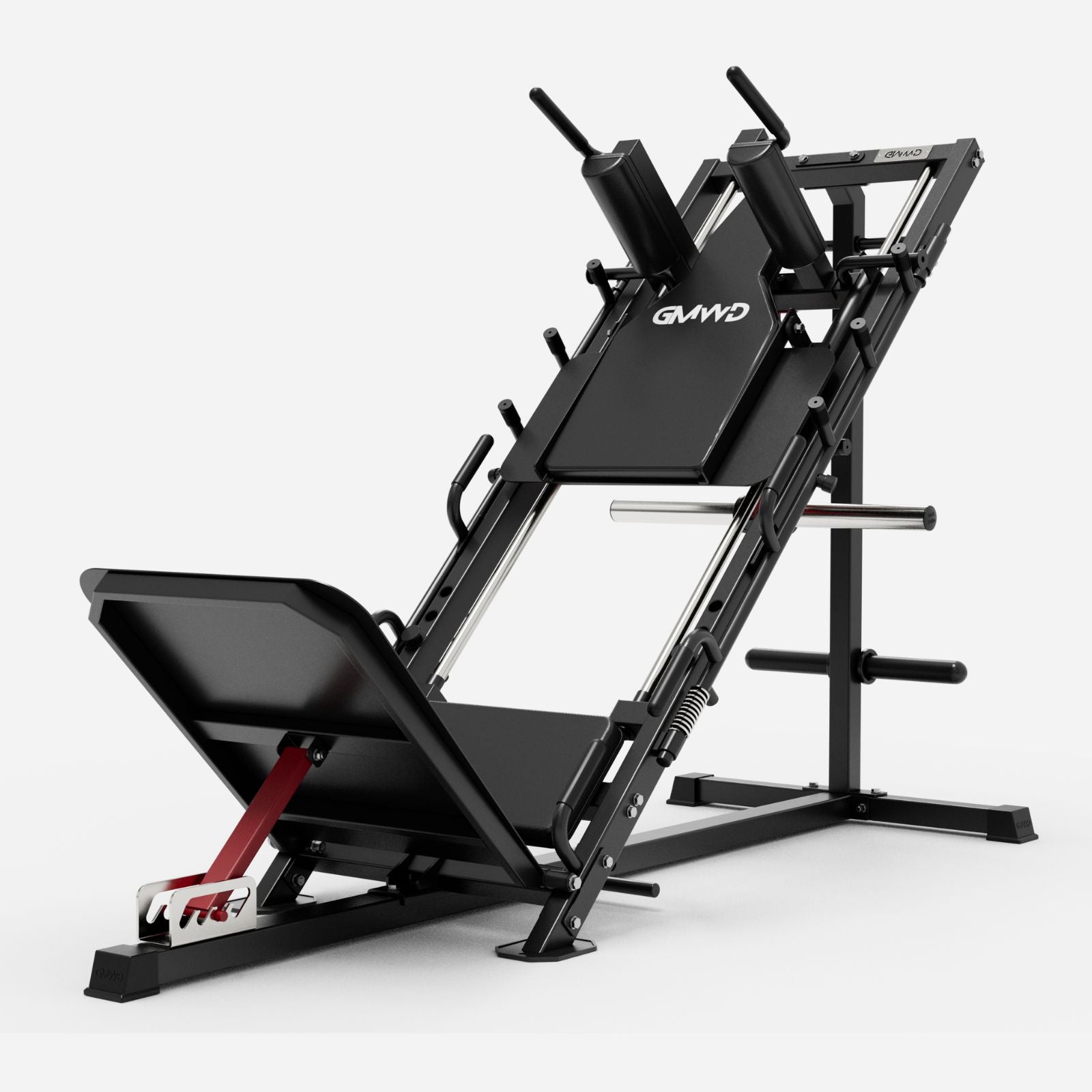
The inclined leg press has a seat set at an angle. You push the platform upward and away from your body. This design allows for heavier weights and deeper muscle activation. It engages the hips and thighs more intensely than the horizontal type.
Vertical Leg Press
The vertical leg press requires pushing a platform upward while lying on your back. It uses gravity to increase resistance. This machine targets the quads strongly but can strain the knees if used improperly. It suits advanced users aiming for high muscle tension.
Proper Form And Technique
Using the leg press machine with proper form and technique is key for safety and results. It helps target the right muscles and avoids injury. Focus on controlled movements and correct posture throughout the exercise.
Keep your back flat against the seat and avoid locking your knees. Lower the platform slowly to prevent strain. Pay attention to how your feet are positioned, as it changes the muscle focus. Breathing properly supports your strength and endurance during the lift.
Foot Placement Variations
Foot position alters which leg muscles work most during the press. Try these options:
- High placement:Targets glutes and hamstrings more.
- Low placement:Focuses on the quadriceps.
- Wide stance:Engages inner thigh muscles.
- Narrow stance:Works outer thigh muscles.
Keep feet flat and evenly spaced to maintain balance.
Breathing Techniques
Control your breath to improve strength and avoid dizziness. Follow this simple pattern:
- Inhale deeply as you lower the platform.
- Exhale forcefully when pushing the platform away.
Do not hold your breath during the exercise. Proper breathing helps keep your core tight and supports your spine.
Common Mistakes To Avoid
- Allowing knees to collapse inward or bow outward.
- Lifting hips off the seat during the press.
- Locking knees at full extension.
- Using too much weight, causing poor control.
- Placing feet unevenly on the platform.
- Rushing through the movement without control.
Focus on steady, smooth motions. This protects joints and builds muscle effectively.
Incorporating Leg Press Into Your Routine
The leg press machine is a strong tool to build leg muscles safely. It helps target the quads, hamstrings, and glutes without stressing your back. Adding the leg press to your workout can improve strength and muscle tone. Proper use ensures balanced progress and injury prevention.
Frequency And Volume
Train legs with the leg press two to three times weekly. Keep sessions spaced to allow muscle recovery. Aim for 3 to 4 sets per session. Perform 8 to 12 repetitions per set for muscle growth. Adjust based on your fitness level and goals.
Combining With Other Exercises
Pair leg press with exercises like squats and lunges. This targets muscles from different angles. Add calf raises for full lower leg development. Use bodyweight or free weights to complement machine work. Variety prevents boredom and promotes balanced strength.
Progression And Overload
Increase weight gradually to keep challenging muscles. Add small weight increments each week. Track your progress to stay motivated. Focus on controlled movements and full range of motion. Avoid rushing to prevent injury and maximize results.
Safety Tips And Precautions
Using the leg press machine can greatly enhance your lower body strength, but safety should always come first. Ignoring precautions can lead to injuries that set back your progress. Let’s look at key safety tips to help you make the most of your workout without risking harm.
Injury Prevention
Preventing injury starts with understanding your limits. Avoid pushing weights that feel too heavy or cause discomfort in your knees or lower back.
Always warm up before using the leg press to prepare your muscles and joints. Skipping this can increase your chance of strains or tears.
Remember, slow and controlled movements reduce the risk of sudden joint stress. Have you noticed how faster reps often cause you to lose form?
Proper Machine Setup
Adjust the seat and backrest so your knees align comfortably with your feet on the platform. If your knees bend beyond a 90-degree angle, you may be putting too much pressure on the joints.
Ensure your feet are flat and evenly spaced to distribute weight properly. A narrow or uneven stance can lead to imbalanced muscle engagement and injury.
Check that the safety stops are in place before starting. These stops prevent the platform from coming down too far, which can be dangerous if your muscles give out.
Listening To Your Body
Your body sends clear signals when something isn’t right. Sharp pain during leg presses is a red flag—never ignore it.
Fatigue affects your form and increases injury risk. If you feel excessively tired, it’s better to stop and rest rather than push through.
Have you ever felt stiffness or soreness that lingered for days after a workout? That’s your body telling you to slow down and recover before your next session.
Leg Press For Different Goals
The leg press machine offers versatile benefits for many fitness goals. It targets the lower body muscles, mainly the quadriceps, hamstrings, and glutes. Adjusting the weight, reps, and foot placement customizes workouts to fit specific objectives. Whether aiming to build strength, increase muscle size, or recover from injury, the leg press adapts well to each purpose.
Building Strength
Heavy weights and low repetitions help increase leg strength. Perform 3 to 5 sets of 4 to 6 reps with challenging resistance. Focus on controlled movements and full range of motion. Rest between sets allows muscles to recover and prepare for the next effort. This approach improves power and supports other athletic activities.
Muscle Hypertrophy
Moderate weights with higher repetitions promote muscle growth. Aim for 8 to 12 reps per set, with 3 to 4 sets total. Shorter rest periods keep muscles under tension longer. This stimulates muscle fibers to grow bigger and stronger. Vary foot positions to engage different muscle groups and avoid plateaus.
Rehabilitation And Recovery
Light weights and controlled movements aid injury recovery. Use slow, smooth motions with focus on proper form. Perform higher repetitions, around 15 to 20, with minimal weight. This helps rebuild strength without straining muscles or joints. Progress gradually as strength improves to prevent setbacks.
Common Myths Debunked
Many people have wrong ideas about the leg press machine. These myths can stop you from using it right. Let’s clear up some common myths. Understanding the facts helps you train smarter and safer.
Leg Press Vs. Squats
Some say squats are better than leg press. Both exercises work your legs well. Squats need balance and use more muscles. Leg press focuses on leg strength with less stress on your back. It is a good choice if you have joint pain or back problems.
Myth Of Limited Range Of Motion
People think leg press limits your leg movement. Actually, you can adjust the seat and foot placement. This lets you control how deep you go. A full range of motion is possible. Proper form matters more than the machine type.
Machine Vs. Free Weights
Free weights build strength and stability. Machines guide your movement and reduce injury risk. Leg press machines help beginners learn leg exercises safely. Both free weights and machines have their place in training. Use each based on your goals and comfort.
Credit: gmwdfitness.com
Frequently Asked Questions
What Muscles Does The Leg Press Target?
The leg press primarily targets the quadriceps, hamstrings, and gluteus muscles. It also engages calves and lower back for stability. This exercise strengthens lower body muscles effectively, improving overall leg power and endurance.
How To Use Gym Leg Press Equipment Safely?
Adjust the seat and foot position before starting. Keep your back flat against the pad. Avoid locking your knees when extending. Use controlled movements and start with lighter weights to prevent injury.
Is Leg Press Better Than Squats For Legs?
Leg press is safer for beginners and isolates leg muscles well. Squats engage more muscles, including core and balance. Both are effective; combining them yields the best strength and muscle gains.
How Often Should I Use The Leg Press Machine?
Using the leg press 2-3 times per week is ideal for muscle growth. Allow 48 hours of rest between sessions to aid recovery and prevent overtraining.
Conclusion
The leg press machine helps build strong legs safely. It targets muscles like quads and glutes effectively. Using this equipment improves your workout variety and strength. Beginners and experts can adjust weight to fit their needs. Regular use supports better balance and stability.
Remember to keep your form correct to avoid injury. Adding leg press exercises can boost your fitness routine. It’s a simple tool to help reach leg strength goals. Try it as part of your gym sessions for best results.







