
Looking to build strength, burn fat, and stay fit without leaving your home? Your Weider Home Gym is the perfect tool to make that happen.
But knowing how to use it right can be confusing. This guide will show you simple, effective workouts designed just for your Weider setup. Imagine getting stronger, feeling healthier, and seeing real results—all from your own space. Keep reading, and you’ll discover the secrets to turning your home gym into a powerful fitness machine that works for you.
Benefits Of A Home Gym
Having a home gym offers many advantages beyond just saving travel time. It creates a personal space dedicated to fitness and health. A home gym encourages regular workouts by making exercise accessible anytime. This convenience helps maintain a consistent routine, which is key to progress. Privacy is another benefit, allowing workouts without distractions or waiting for equipment. A home gym also saves money over time by reducing gym membership fees. It adapts to personal fitness goals with customizable equipment. Overall, a home gym supports a healthier lifestyle with fewer barriers.
Convenience And Time Savings
A home gym lets you exercise whenever you want. No need to drive or wait for machines. This makes fitting workouts into busy days easier. You can start your session right after waking up or before bed.
Cost-effective Fitness Solution
Owning a gym setup cuts ongoing gym fees. One-time equipment purchase saves money in the long run. No travel expenses or extra classes add up. You control what equipment to buy based on budget.
Privacy And Comfort
Work out in a space just for you. No crowds or noise to disturb your focus. Feel comfortable trying new exercises or routines. Wear what you want without worrying about others.
Customizable Workout Environment
Choose equipment that fits your needs and goals. Adjust your gym setup as fitness improves. Create a motivating atmosphere with music or lighting. Tailor the space to your preferences fully.
Promotes Consistency And Motivation
Easy access removes excuses to skip workouts. Seeing your gym daily reminds you to stay active. Consistent exercise habits develop faster at home. A personal space builds motivation and discipline.
Setting Up Your Weider Home Gym
Setting up your Weider home gym is the first step to making your workout routine convenient and effective. The right setup creates a motivating environment and helps you stay consistent. Let’s look at how to arrange your space and gather the essential equipment to get started.
Choosing The Right Space
Pick a spot with enough room to move freely and perform different exercises without restriction. A garage, spare room, or a corner of your living room can work well if it’s well-ventilated and has good lighting.
Think about the floor surface too—carpet might soften impact, but hardwood or rubber mats offer better stability and protect your floors. Do you have a quiet area where you won’t be interrupted? That can make a big difference in focus.
Essential Equipment And Accessories
Your Weider home gym comes with key components, but adding a few accessories can enhance your workouts. Start with a sturdy workout bench and adjustable dumbbells to cover multiple exercises.
- Resistance bands:Great for warming up and adding extra resistance.
- Weight plates:Increase intensity as you progress.
- Workout mat:Provides comfort for floor exercises and stretching.
- Storage rack:Keeps your gear organized and safe.
Ask yourself: what exercises do you want to focus on? Tailoring your equipment choices to your goals keeps your space practical and clutter-free.
Creating An Effective Workout Routine
Creating an effective workout routine with your Weider Home Gym is key to maximizing results and staying motivated. The right plan fits your lifestyle, challenges your body, and keeps you coming back for more. Let’s break down how you can build a routine that matches your unique fitness journey.
Determining Fitness Goals
Start by asking yourself what you want to achieve. Are you aiming to build muscle, lose fat, increase endurance, or improve overall health? Clear goals help you focus your efforts and measure progress.
Write down your goals and set realistic timelines. For example, gaining 5 pounds of muscle in three months is more tangible than vague hopes of “getting fit.”
Think about how often you can realistically work out. Consistency beats intensity when you’re just starting. Could you commit to 3-4 sessions a week? That’s a solid foundation.
Balancing Cardio And Strength Training
Your Weider Home Gym is perfect for strength exercises, but don’t overlook cardio. Both are important for overall fitness, and balance keeps your routine fresh and effective.
Try mixing in cardio activities like brisk walking, cycling, or jumping rope on days you’re not using the gym equipment. This helps burn fat and boosts heart health.
Within your strength workouts, focus on compound movements that work multiple muscle groups. This saves time and builds functional strength.
- Squats and lunges for legs and core
- Chest presses and rows for upper body
- Core exercises like planks or cable twists
Ask yourself: Are you spending enough time on both cardio and strength? If you feel drained or bored, tweak your routine until it fits your energy and goals better.
Maximizing Your Workouts
Maximizing your workouts with the Weider Home Gym means getting the most out of every session. It’s not just about pushing harder but training smarter. Small changes in your routine can lead to big results.
Proper Form And Technique
Keeping proper form protects you from injury and makes each exercise more effective. Pay attention to your posture and the movement path of each exercise on the Weider Home Gym. For example, when doing a chest press, keep your back flat against the bench and avoid locking your elbows at the top.
It helps to use a mirror or record yourself to check your form. If you notice any discomfort or pain, stop and adjust your position. Good technique might feel slower at first, but it builds strength safely and steadily.
Incorporating Progressive Overload
To keep improving, you need to challenge your muscles regularly. Progressive overload means gradually increasing the weight, reps, or intensity of your exercises. With the Weider Home Gym, you can easily add more weight plates or increase the number of reps.
Try adding a small amount of weight every week or pushing for an extra set. Ask yourself: Are you still feeling challenged by your routine? If not, it’s time to step it up. This steady increase forces your muscles to grow stronger over time.
Nutrition And Recovery Tips
Nutrition and recovery are the backbone of any effective workout plan, especially when using your Weider Home Gym. Without proper fuel and rest, your body can’t perform at its best or build strength efficiently. Let’s dive into how you can optimize these crucial elements for better results.
Fueling Your Body
Your muscles need the right nutrients to grow and repair. Focus on eating balanced meals that include:
- Protein:Essential for muscle repair. Think chicken, fish, beans, or Greek yogurt.
- Complex carbs:Provide lasting energy. Oats, brown rice, and sweet potatoes are great options.
- Healthy fats:Support hormone function and recovery. Avocados, nuts, and olive oil are your friends here.
Are you tracking your meals or just guessing? Keeping a simple food diary can reveal gaps you didn’t notice before.
Hydration also plays a big role. Drinking water before, during, and after workouts helps maintain energy and flush out toxins. I used to skip water breaks, and my energy tanked fast. Once I started sipping regularly, my endurance improved noticeably.
Importance Of Rest And Recovery
Your body actually builds muscle while you rest, not while you work out. Skipping rest days can lead to burnout and injuries.
Sleep is a powerful recovery tool. Aim for 7-9 hours of quality sleep each night to allow your muscles to repair and grow stronger.
Active recovery, like light stretching or walking, can help reduce soreness and improve flexibility. Have you noticed how a gentle stretch feels better than complete inactivity on your off days?
Listening to your body is key. If you feel unusually tired or sore, it’s okay to take an extra rest day. Overtraining slows progress more than resting does.

Credit: www.amazon.ca
Tracking Progress And Staying Motivated
Tracking progress keeps your workouts effective and goals clear. It shows how much you improve and helps adjust your routine. Staying motivated becomes easier with visible results. Small wins build confidence and push you forward. Consistency grows with each tracked session.
Using Fitness Apps And Journals
Fitness apps simplify recording your workouts and results. They track sets, reps, and weights used with ease. Many apps offer reminders to keep you on schedule. Some include progress charts that visualize your gains.
Journals provide a personal touch for tracking. Writing notes about how you feel or challenges helps reflect on progress. Use simple tables or lists for clarity. This habit builds a routine and keeps you accountable.
Setting Realistic Milestones
Set clear, achievable goals to stay motivated. Break big goals into smaller milestones. Celebrate each small success to maintain enthusiasm.
Examples of milestones:
- Increasing weight by 5 pounds
- Completing one more set than last week
- Improving form or speed
Realistic targets prevent frustration and burnout. They make progress steady and measurable. Adjust milestones as you improve to keep the challenge alive.
Common Mistakes To Avoid
Working out with your Weider Home Gym can be incredibly effective, but it’s easy to slip into habits that limit your progress or even cause injury. Avoiding common mistakes can make a big difference in how you feel and perform.
Overtraining And Burnout
It’s tempting to push yourself hard every day, especially when results seem slow. But overtraining drains your energy and increases the risk of injury. Your muscles need time to recover and grow stronger.
Have you noticed times when you felt exhausted rather than energized after workouts? That’s a sign you might be doing too much. Try scheduling rest days or lighter sessions to keep your progress steady.
Neglecting Warm-up And Cool-down
Skipping warm-ups and cool-downs might save time, but it’s a costly mistake. Warming up prepares your muscles and joints, reducing the chance of strains. Cooling down helps your heart rate return to normal and prevents stiffness.
A quick 5-10 minute warm-up like light cardio or stretching can make your workout safer and more effective. After your session, don’t rush off—spend a few minutes stretching or walking to help your body recover.
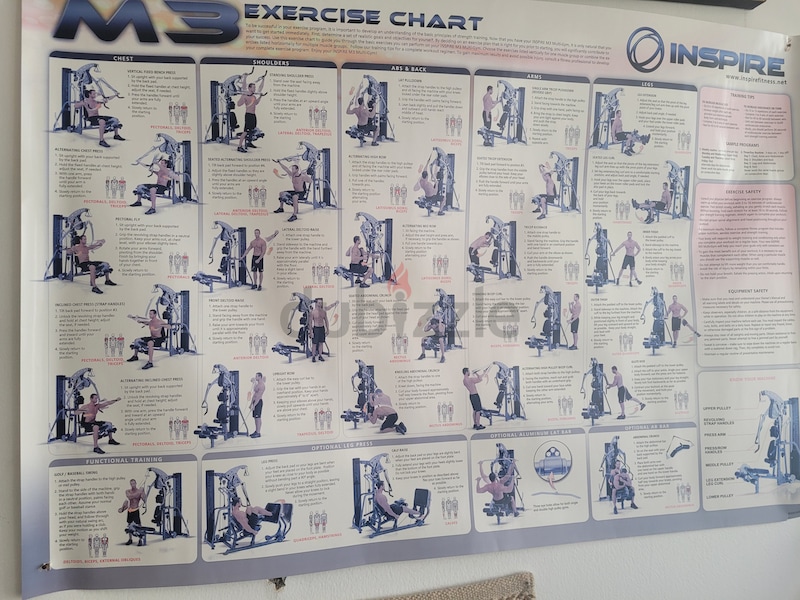
Credit: www.coopertinga.com.br
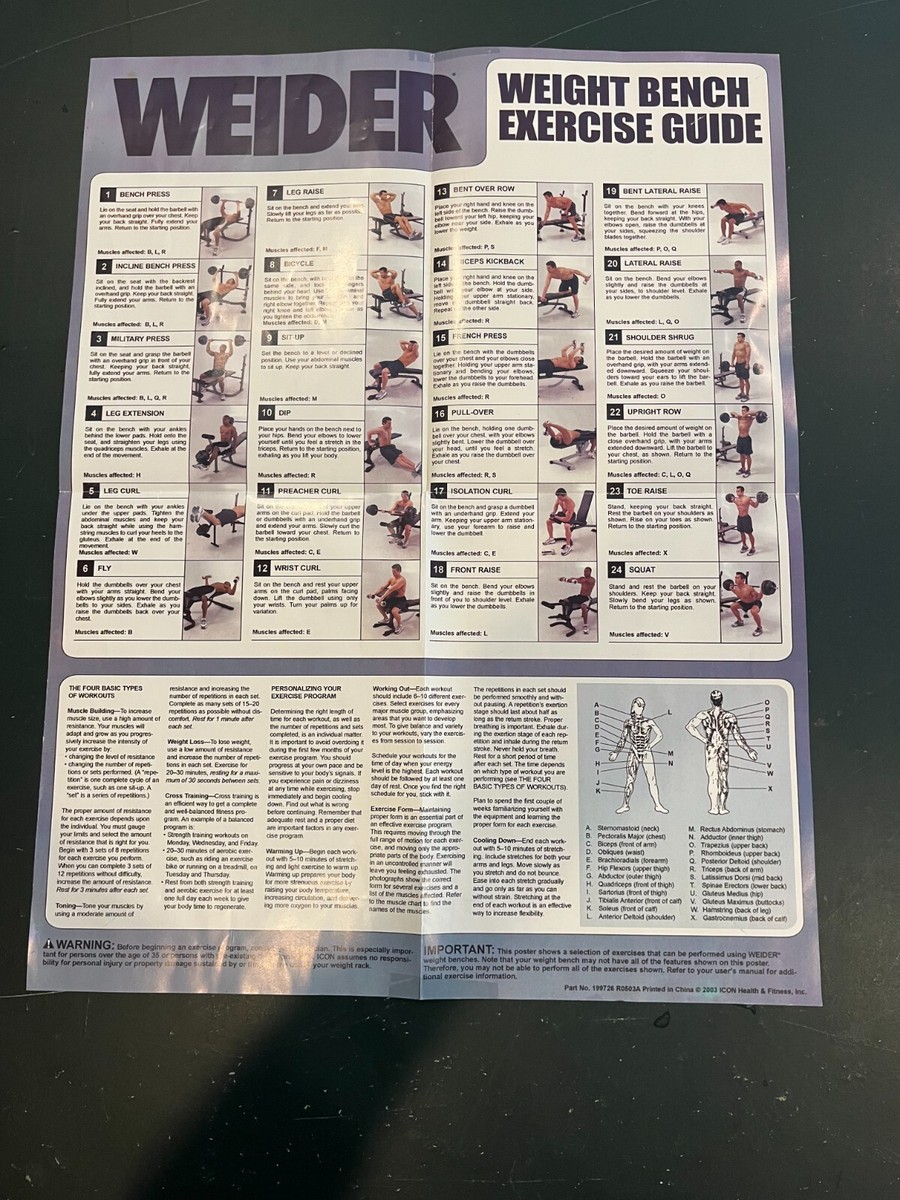
Credit: www.eurobaltyk.pl
Frequently Asked Questions
What Muscles Does The Weider Home Gym Target?
The Weider Home Gym targets major muscle groups, including chest, back, arms, and legs. It offers multi-functional exercises like bench press, lat pulldown, and leg extension. This makes it ideal for full-body strength training at home.
How Do I Assemble The Weider Home Gym Properly?
Assembly involves following the included instruction manual step-by-step. Start by organizing all parts and tools before beginning. Tighten bolts securely and check stability after assembly to ensure safety during workouts.
Can Beginners Use The Weider Home Gym Effectively?
Yes, beginners can use it effectively. The machine allows adjustable weights and varied exercises suited for all fitness levels. Start with lighter weights and gradually increase as strength improves.
How Often Should I Work Out On The Weider Home Gym?
Aim for 3 to 4 sessions per week. Allow rest days for muscle recovery. Consistent workouts combined with proper nutrition yield the best strength gains.
Conclusion
Using the Weider Home Gym helps you stay fit at home. It offers many exercises for your whole body. You can build strength and improve health easily. Keep a regular routine and be patient. Small steps bring big changes over time.
Enjoy your workouts and feel proud of progress. This guide supports your fitness journey every day. Stay active, stay strong, and keep moving forward.







