
Are you curious about what your fitness tracker really counts? You might think it’s just steps, but these little devices do a lot more than that.
Understanding what your fitness tracker measures can help you make smarter choices and reach your health goals faster. Keep reading to discover exactly what your tracker is tracking—and how that information can work for you.
The Evolution Of Fitness Trackers
Fitness trackers have come a long way since their early days. They started as simple tools and now offer complex health insights. Understanding their evolution helps appreciate their current capabilities.
From Pedometers To Smartwatches
Early fitness trackers were basic pedometers. They only counted steps during daily activities. These devices were small and easy to use but had limited features.
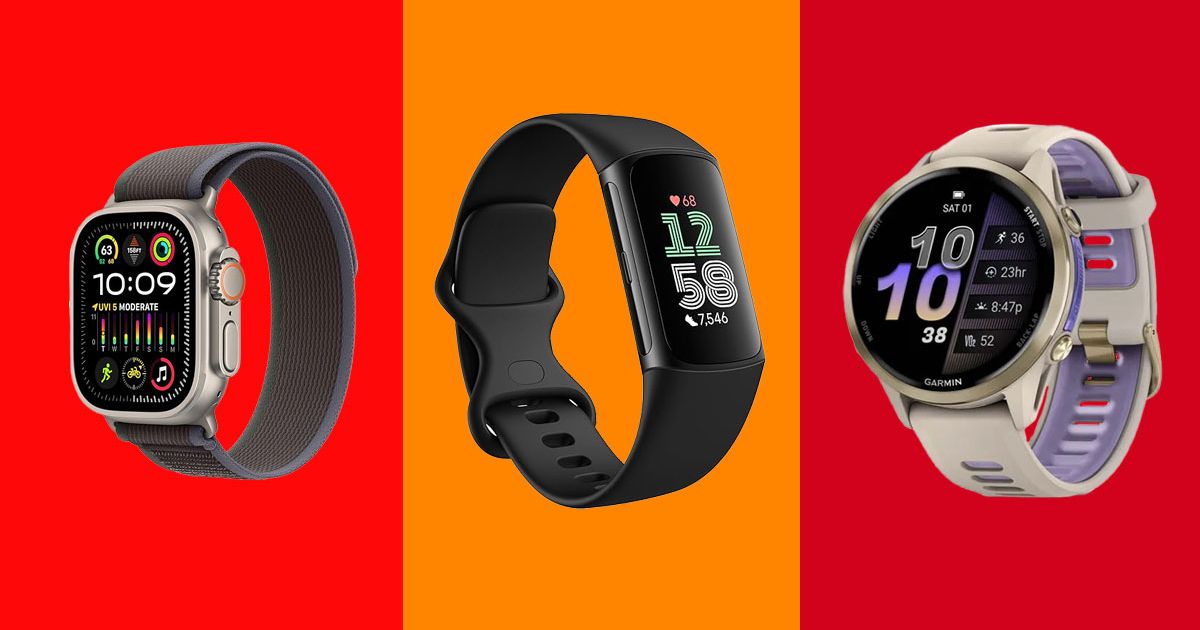
Over time, trackers evolved into wristbands with more sensors. These could measure heart rate and sleep patterns. Today, smartwatches combine fitness tracking with smart technology. They offer apps, notifications, and many health functions.
Technological Advancements
Advances in sensors and software improved accuracy and data collection. Optical heart rate monitors replaced older chest straps. GPS tracking became common, allowing distance and route mapping.
Artificial intelligence started analyzing data to give personalized advice. Battery life and design also improved, making devices more user-friendly. These changes made fitness trackers more useful and reliable for daily health monitoring.

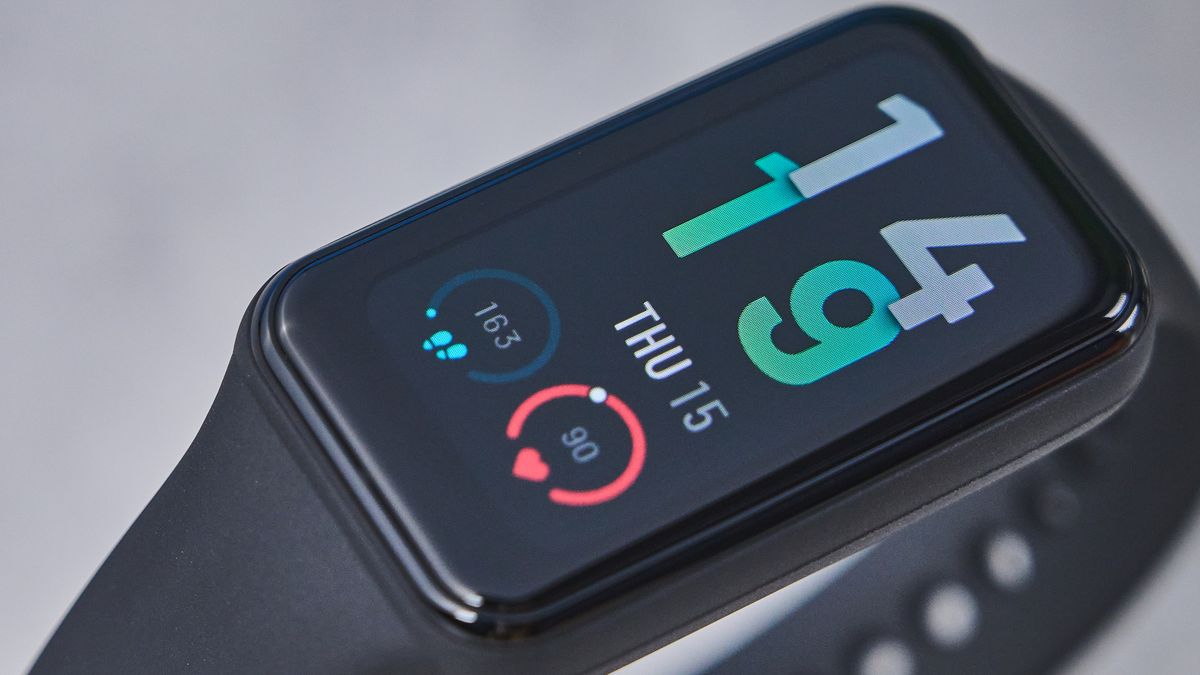
Credit: www.independent.co.uk
Key Metrics Monitored By Fitness Trackers
Fitness trackers help users understand their daily physical activity. They measure key health data that guides better lifestyle choices. These devices monitor several important metrics to track progress and maintain motivation.
Step Count And Distance
Step count is the most basic metric fitness trackers measure. It counts every step taken throughout the day. This helps users see how active they are in real time.
Distance is calculated from steps and stride length. It shows how far a person has walked or run. Tracking distance encourages reaching daily movement goals.
Heart Rate Monitoring
Heart rate sensors measure beats per minute continuously or at intervals. This data shows exercise intensity and overall heart health. Users can track resting heart rate and changes during activity.
Heart rate zones help optimize workouts for fat burn or cardio. Monitoring heart rate alerts users to unusual patterns needing medical attention.
Calorie Burn Estimation
Fitness trackers estimate calories burned based on activity type and intensity. They use heart rate, steps, and personal info like age and weight. This helps users manage weight and energy balance.
Calorie tracking supports healthier eating and exercise habits. It gives a clearer picture of daily energy expenditure.
Beyond Basics: Advanced Features
Fitness trackers have grown beyond counting steps and calories. They now offer advanced features to help users understand their health deeply. These tools provide insights that go past simple activity tracking.
By using sensors and smart algorithms, fitness trackers deliver data on sleep, stress, and even oxygen levels. This data helps users make better choices for their well-being.
Sleep Tracking
Sleep tracking monitors your rest patterns during the night. It records how long you sleep and the quality of that sleep. Trackers detect light, deep, and REM sleep stages. This info shows how well your body recovers. Better sleep data leads to improved daily energy and focus.
Stress And Mood Monitoring
Stress monitoring measures your body’s response to pressure. Fitness trackers use heart rate variability to gauge stress levels. Some models also offer guided breathing exercises. Mood tracking helps identify emotional trends over time. Understanding stress and mood helps manage mental health better.
Spo2 And Vo2 Max Measurements
SpO2 measures the oxygen saturation in your blood. This helps spot breathing issues or low oxygen levels. VO2 Max estimates the maximum oxygen your body uses during exercise. It indicates cardiovascular fitness and endurance. These metrics support users in improving athletic performance and health.
Integrating Fitness Trackers With Daily Life
Fitness trackers can be powerful tools, but their real value shines when you weave them into your everyday routine. They do more than just count steps—they help you stay connected with your health goals throughout the day. Making fitness trackers a natural part of your life can change how you move, rest, and even think about wellness.
Setting Personal Goals
Fitness trackers let you set clear, personal targets tailored to your lifestyle. You can choose goals like walking 10,000 steps, burning a certain number of calories, or getting enough sleep hours. This customization keeps you motivated because the goals feel achievable and relevant to your daily routine.
Think about what really matters to you. Are you trying to improve endurance, build strength, or simply stay active? Adjusting your goals on the tracker as your needs change can keep you engaged and prevent burnout.
Activity Reminders And Alerts
One of the best features is the gentle nudge your tracker gives when you’ve been inactive too long. These reminders prompt you to stand up, stretch, or take a short walk, breaking up long periods of sitting. It’s a simple way to add more movement without overhauling your schedule.
Alerts can also remind you to hydrate or check your heart rate during workouts. Have you noticed how a quick buzz can shift your mindset and bring your focus back to your health? These small interruptions can build healthier habits over time.
Data Synchronization With Apps
Fitness trackers often sync seamlessly with apps that offer deeper insights and trend analysis. Connecting your device to apps allows you to see your progress over days, weeks, or months in easy-to-understand graphs. This big picture view helps you identify patterns and make smarter adjustments.
Many apps also let you share achievements with friends or join challenges, adding a social layer to your fitness journey. Have you tried syncing your tracker to an app that supports your favorite workout or diet plan? It can make your efforts feel more coordinated and rewarding.
Benefits Of Using Fitness Trackers
Fitness trackers offer many benefits beyond counting steps. They help users stay on track with their health and fitness goals. These devices provide useful data that guides better lifestyle choices. Users can see real progress, which encourages consistency and effort.
Motivation And Accountability
Fitness trackers motivate by showing daily activity clearly. Seeing progress boosts energy to keep moving. The device reminds users to stay active throughout the day. It holds users accountable by tracking goals and sending alerts. This gentle push often makes a big difference.
Insights Into Health Patterns
Trackers collect data on heart rate, sleep, and calories burned. Users learn how their body reacts to different activities. It helps spot patterns, like poor sleep or low activity times. This information supports making smarter health decisions. Understanding the body better leads to healthier habits.
Customization For Individual Needs
Fitness trackers allow setting personal goals based on fitness level. Users can adjust targets for steps, workouts, or sleep hours. Some devices offer workout suggestions tailored to the user. This personalization makes fitness plans realistic and achievable. Everyone can progress at their own comfortable pace.
Limitations And Challenges
Fitness trackers offer many benefits, but they come with certain limitations and challenges. Understanding these helps users set realistic expectations. Awareness of these issues can guide better use of the device and data.
Accuracy Concerns
Fitness trackers do not always measure data perfectly. Steps can be counted incorrectly during certain activities. Heart rate sensors may give varied readings depending on device placement or skin type. Sleep tracking can miss some sleep phases or movements. Small errors can add up over time, affecting overall results.
Privacy And Data Security
These devices collect sensitive health data every day. Users must trust companies to protect this information. Data breaches or leaks can expose personal details. Not all fitness trackers have strong security measures. Users should review privacy policies and settings carefully.
Over-reliance On Technology
Some users depend too much on tracker data to guide health choices. Numbers alone do not show the full picture of well-being. Ignoring body signals or medical advice can be risky. Technology should support healthy habits, not replace personal judgment. Balance is key between device feedback and self-awareness.
Future Of Fitness Trackers
The future of fitness trackers looks exciting as technology continues to evolve rapidly. These devices are becoming smarter, more accurate, and more integrated into everyday life. Imagine a tracker that not only counts your steps but also understands your body’s unique needs and helps you make better health decisions.
Emerging Trends
Fitness trackers are moving beyond simple step counting. Many now monitor heart rate variability, sleep stages, and even stress levels. This shift means you get a fuller picture of your health, not just activity stats.
Wearable devices are also getting more stylish and comfortable. You won’t have to sacrifice fashion for function anymore. This encourages more consistent use, which is key to seeing real benefits.
Another trend is the rise of personalized coaching. Some trackers provide tailored workout suggestions based on your performance and goals. This makes your fitness journey more effective and less intimidating.
Potential Innovations
In the near future, expect fitness trackers to integrate more advanced sensors. These could measure blood sugar levels non-invasively or detect early signs of illness. Imagine catching a health issue before symptoms even appear.
Battery life improvements will allow trackers to run longer without charging. This means you can wear them 24/7 without interruption, making data collection more complete and useful.
Artificial intelligence will play a bigger role in interpreting your data. Your tracker might learn your habits and suggest changes that fit your lifestyle, helping you stay motivated and on track.
How would having a personal health assistant on your wrist change the way you approach fitness and well-being? The future promises tools that don’t just count your moves but truly support your health journey.
Credit: www.tomsguide.com
Credit: nymag.com
Frequently Asked Questions
What Metrics Do Fitness Trackers Typically Count?
Fitness trackers measure steps, heart rate, calories burned, sleep quality, and distance traveled. Some also track specific exercises and stress levels for a comprehensive health overview.
How Accurate Are Fitness Trackers In Counting Steps?
Fitness trackers use motion sensors to count steps with reasonable accuracy. However, accuracy may vary depending on device quality and user activity type.
Can Fitness Trackers Monitor Sleep Patterns Effectively?
Yes, most fitness trackers use movement and heart rate data to monitor sleep stages. This helps users understand sleep quality and duration.
Do Fitness Trackers Count Calories Burned During Workouts?
Fitness trackers estimate calories burned based on heart rate, activity type, and duration. This data provides a useful guide but may not be 100% precise.
Conclusion
Fitness trackers count steps, heart rate, sleep, and calories burned. They help you see daily activity and stay motivated. Small changes can lead to better health over time. Use the data to set simple goals and track progress. Remember, consistency matters more than perfection.
Fitness trackers support healthy habits but do not do the work for you. Keep moving, stay active, and enjoy the journey to better health.







