
Are you ready to take control of your health like never before? A fitness tracker that tracks your heart rate can be the game-changer you’ve been searching for.
Imagine having real-time insights into your body’s most vital sign, helping you push harder, recover faster, and stay motivated every step of the way. Whether you’re just starting your fitness journey or aiming to hit new personal records, understanding your heart rate can unlock a whole new level of performance.
Keep reading to discover how the right tracker can transform the way you move, breathe, and thrive.

Credit: www.amazon.ca
Importance Of Heart Rate Monitoring
Heart rate monitoring helps you understand your body better during exercise and rest. It shows how hard your heart is working. Tracking your heart rate can improve workout safety and effectiveness.
Knowing your heart rate helps you adjust your exercise intensity. It prevents overtraining and reduces injury risk. It also helps track fitness progress over time.
How Heart Rate Reflects Fitness Levels
Resting heart rate shows overall fitness. A lower resting heart rate often means better heart health. During exercise, heart rate zones guide your training intensity.
Benefits Of Real-time Heart Rate Monitoring
Real-time data allows quick workout adjustments. It helps keep your effort in the right zone. You can avoid pushing too hard or too little.
Heart Rate And Health Alerts
Unusual heart rates can signal health issues. Early detection helps in seeking medical advice. Fitness trackers can alert you to irregular patterns.
How Fitness Trackers Work
Understanding how fitness trackers monitor your heart rate can help you make smarter choices about your health. These devices use a combination of technology and data to provide real-time insights into your body’s performance. Let’s break down how they actually work to keep you informed and motivated.
Sensor Technology
Fitness trackers use optical sensors that shine light into your skin to measure blood flow. This method, called photoplethysmography (PPG), detects changes in light absorption caused by your heartbeat. The sensors are usually placed on the underside of the device, making constant contact with your wrist for accurate readings.
Some advanced models also include electrical sensors similar to those in ECG machines. These provide more detailed heart data by measuring electrical signals from your heart. Have you noticed how some devices feel more comfortable and precise? That’s often because of the sensor quality and placement.
Data Processing
Once the sensors collect raw data, the fitness tracker’s processor cleans and interprets it. Algorithms filter out noise from movements like running or jumping to avoid false readings. This means the heart rate data you see is much more reliable, even during intense workouts.
Data is then stored and analyzed to show trends over time. This helps you spot patterns, like how your heart rate changes with different activities or stress levels. Wouldn’t it be useful to know when your heart is working too hard or when you’re fully recovered?
User Interface
Your fitness tracker displays heart rate data through an easy-to-read screen or app. Visuals like graphs, zones, and alerts help you understand your heart’s behavior at a glance. Many trackers allow you to customize which metrics show up, so you focus on what matters most to you.
Notifications can remind you to move if your heart rate stays low for too long or alert you if it spikes unexpectedly. The real power lies in how accessible and actionable the information is, making it easier to stay on top of your health every day.
Factors Influencing Accuracy
Accuracy in heart rate tracking depends on several key factors. These factors affect how well a fitness tracker reads your heart rate in real time. Understanding them helps you choose and use your device better.
Quality Of Sensors
The sensor quality is crucial for precise heart rate readings. High-quality sensors detect blood flow changes more clearly. Cheap or low-grade sensors may give incorrect or delayed data. Optical sensors use light to measure pulse, so their design matters a lot. The better the sensor, the more reliable your heart rate data will be.
Wearable Fit
A tight and stable fit improves measurement accuracy. The tracker must sit close to your skin without moving. Loose or slipping devices cause signal loss and errors. The wrist is the common placement, but some models work better on different spots. Adjust your band snugly, especially during workouts, to get stable results.
User Activity Level
Movement intensity affects heart rate reading accuracy. Light activities allow clearer signals for the sensor. During intense exercise, rapid arm motion can create noise in data. Some trackers use algorithms to reduce motion impact, but errors can still occur. Resting or steady activities usually yield the most accurate heart rate.
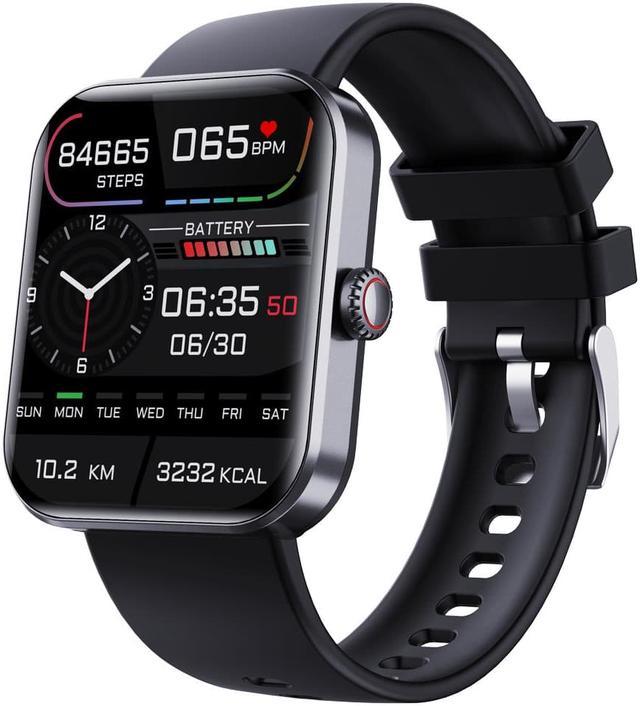
Credit: www.newegg.ca
Comparing Popular Fitness Trackers
Fitness trackers that monitor heart rate have become popular for health and exercise. Choosing the right one can be tough. Comparing popular models helps find the best fit for your needs. This section explores key features, performance, and user opinions.
Features And Specifications
Fitness trackers vary in heart rate accuracy and extra features. Some offer continuous heart rate monitoring, while others check it at intervals. Key features include:
- Heart rate zones and alerts
- Sleep tracking and stress monitoring
- Battery life and charging speed
- Water resistance and durability
- Compatibility with smartphones and apps
Understanding these specs helps pick a tracker that matches your lifestyle.
Performance Reviews
Experts test fitness trackers for accuracy and reliability. Most top models deliver good heart rate readings during rest and exercise. Some struggle during intense workouts or swimming. Battery life often varies from 5 to 14 days. Responsiveness and ease of use also differ. Performance reviews highlight strengths and weaknesses for each device.
User Feedback
User opinions reveal real-world experiences. Many appreciate clear displays and comfortable straps. Some report syncing issues or inaccurate readings. Customer support and software updates affect satisfaction. Reviews often mention how well the tracker motivates daily activity. User feedback gives insight beyond technical details.
Health Benefits Of Heart Rate Tracking
Tracking heart rate offers clear health advantages. It helps users understand their body’s signals. This awareness supports better fitness and overall wellness.
Heart rate data guides daily activities and exercise. It reveals how hard the heart is working. This insight helps people stay safe and improve health.
Enhancing Workouts
Heart rate tracking shows workout intensity in real time. It helps keep exercise in the right zone. This leads to better fat burning and endurance.
Users can adjust pace to avoid overtraining. It prevents injury and supports steady progress. Heart rate data makes workouts smarter and more effective.
Monitoring Stress Levels
Heart rate changes with stress and relaxation. Tracking reveals patterns in daily stress levels. This helps users manage anxiety and calm down.
Early stress detection improves mental health. It encourages taking breaks and practicing deep breathing. Heart rate data supports a balanced lifestyle.
Detecting Health Issues
Unusual heart rate patterns can signal health problems. Early warnings help catch conditions like arrhythmia or high blood pressure. This encourages timely medical attention.
Continuous tracking offers valuable data for doctors. It aids in diagnosing and monitoring heart-related illnesses. Heart rate tracking promotes proactive health care.

Credit: www.amazon.ca
Tips For Maximizing Tracker Accuracy
Accuracy is key when using a fitness tracker to monitor your heart rate. Small adjustments in how you wear and maintain your device can make a big difference in the data it provides. Let’s look at practical ways to get the most accurate heart rate readings from your tracker.
Proper Usage
Wearing your tracker correctly is the first step to accurate heart rate tracking. Position the device snugly on your wrist, just above the wrist bone, to ensure the sensors maintain good contact with your skin.
Loose or shifting trackers often give inconsistent readings. Think about how your tracker feels during a workout—if it slides around, tighten it just enough to stay secure without cutting off circulation.
Regular Calibration
Some fitness trackers allow you to calibrate the heart rate sensor manually. Checking your device’s calibration regularly can help maintain accuracy over time.
If your tracker syncs with a chest strap or another heart rate monitor, use that as a reference to adjust your wrist device. This simple step helped me spot when my tracker was underreporting my heart rate during intense sessions.
Understanding Data
Heart rate data can fluctuate due to various factors like skin tone, temperature, or movement. Knowing this helps you interpret the readings better instead of taking every number at face value.
Look for patterns over time rather than focusing on single readings. Have you noticed your tracker giving odd spikes during certain activities? This awareness can guide you on when to trust the data or take a manual pulse check.
Future Of Fitness Trackers
The future of fitness trackers is set to change how you monitor your health and fitness in ways you might not expect. These devices will go beyond simply counting steps or tracking heart rate. They aim to become essential tools that actively help you make smarter health decisions every day.
Technological Advancements
Fitness trackers are becoming smarter with better sensors that provide more accurate heart rate data. New materials and designs make them more comfortable to wear all day, even during sleep. Imagine a tracker that can detect subtle changes in your heart rhythm and alert you before a problem arises.
Battery life is improving too, so you won’t need to charge your device every day. Some models are experimenting with solar charging or energy harvesting from your body heat. This means less hassle and more continuous health monitoring.
Integration With Health Services
Fitness trackers will soon connect more deeply with healthcare providers and apps. This means your heart rate data can be shared securely with your doctor to spot issues early. You might even receive personalized workout plans or medical advice based on your real-time heart rate trends.
Think about how this could change your visits to the doctor. Instead of relying on short checkups, your healthcare professional will have a detailed, ongoing record of your heart health. This could lead to faster diagnosis and better treatment tailored just for you.
How would having your fitness tracker act as a personal health assistant change the way you manage your well-being?
Frequently Asked Questions
What Is A Fitness Tracker That Tracks Heart Rate?
A fitness tracker that tracks heart rate monitors your pulse during activities. It helps assess workout intensity and overall heart health efficiently and in real-time.
How Accurate Are Heart Rate Tracking Fitness Devices?
Most modern fitness trackers use optical sensors for accurate heart rate data. Accuracy varies by brand, but they provide reliable readings for everyday fitness monitoring.
Can Fitness Trackers Improve Workout Performance?
Yes, tracking heart rate helps optimize workouts. It guides intensity levels, ensuring you train within target zones for better endurance and calorie burn.
Do Fitness Trackers Monitor Heart Rate 24/7?
Many fitness trackers offer continuous heart rate monitoring. This feature provides insights into resting heart rate and daily activity levels for comprehensive health tracking.
Conclusion
A fitness tracker that measures heart rate helps you stay aware of your health. It shows how your heart works during exercise and rest. This information guides you to exercise safely and improve fitness. Wearing one daily builds good habits and tracks progress.
Choose a tracker that fits your needs and feels comfortable. Small steps lead to better health over time. Start using a heart rate tracker and take charge of your wellness today.







