
Imagine tracking your workouts, heart rate, and steps without needing to carry your phone everywhere. Sounds freeing, right?
If you’ve ever felt weighed down by your phone during exercise, you’re not alone. You want accurate fitness data without the hassle of extra devices slowing you down. This article will show you how a fitness tracker that works without your phone can change the way you stay active.
Ready to discover the perfect gadget that puts your fitness first and your phone second? Keep reading to find out!
Benefits Of Phone-free Fitness Trackers
Choosing a fitness tracker that works independently from your phone offers several unique benefits. These devices allow you to stay connected to your health data without carrying extra gadgets. This can change how you approach your workouts and daily activities in a positive way.
Enhanced Focus And Performance
Using a fitness tracker without your phone helps you concentrate solely on your workout. You won’t be tempted by notifications or apps pulling your attention away. This focused environment often leads to better performance and more efficient exercise sessions.
Imagine running without the constant buzz of messages. You can pay closer attention to your breathing and pace, improving your overall form. How much more could you achieve if nothing interrupted your flow?
Convenience For Outdoor Activities
Fitness trackers that don’t need phones are incredibly convenient when you’re outside. You don’t have to worry about your phone’s battery life or signal strength. This freedom makes it easier to enjoy long hikes, bike rides, or runs in remote areas.
These devices are usually lightweight and designed for active use. You can track your steps, heart rate, and routes without carrying bulky equipment. Have you ever left your phone behind and felt more at ease during your outdoor adventures?
Reduced Distractions
Without your phone, distractions drop significantly. You won’t receive constant alerts that pull you away from your goals. This allows you to be fully present during workouts or daily routines.
Many users report feeling less stressed and more mindful when not tethered to their phones. By cutting down on unnecessary interruptions, you create space for better mental clarity and focus. What could you accomplish if you minimized distractions during your fitness time?

Credit: www.amazon.com
Key Features To Look For
Choosing a fitness tracker that works without your phone means focusing on features that ensure complete independence and convenience. These key features help you stay on track with your health goals without carrying extra devices. Let’s look at what makes a fitness tracker truly stand out when you want to leave your phone behind.
Built-in Gps Capability
GPS in your fitness tracker lets you map your runs or bike rides accurately without needing your phone. This feature tracks your pace, distance, and routes automatically, giving you detailed feedback after your workout.
Imagine going for a morning run and later seeing the exact path you took, all from your wrist. It’s perfect for outdoor workouts where carrying a phone feels cumbersome or risky.
Heart Rate Monitoring
Continuous heart rate monitoring helps you understand how hard your body is working during different activities. It can alert you if your heart rate gets too high or too low, making workouts safer and more effective.
Tracking your heart rate throughout the day also gives insights into your overall fitness and stress levels. This real-time data allows you to adjust your effort and recovery on the go.
Music Storage And Playback
Having music stored directly on your fitness tracker means you can listen through Bluetooth headphones without your phone. This feature keeps you motivated and focused, especially during long runs or gym sessions.
Without the need to carry your phone, you enjoy freedom and less distraction. Plus, switching tracks or adjusting volume is quick and easy from your wrist.
Long Battery Life
Battery life is crucial if you want to use your fitness tracker independently for days. Look for devices that last at least 5-7 days on a single charge, so you don’t have to worry about frequent recharging.
Extended battery life means your tracker is ready whenever you are, whether it’s a weekend hike or a busy workweek. Can your current device keep up without a daily charge?
Popular Phone-free Fitness Trackers
Fitness trackers that don’t need a phone are gaining popularity among users who want simplicity and reliability. These devices allow you to monitor your activities, heart rate, and even sleep without constantly syncing with a smartphone. Choosing the right one can make your fitness journey smoother and more focused.
Top Brands And Models
Several trusted brands offer excellent phone-free fitness trackers. Garmin’s Vivosmart 5stands out with its accurate heart rate monitoring and built-in GPS. Fitbit’s Inspire 3is another favorite, known for its user-friendly display and long battery life.
Other notable models include the Xiaomi Mi Band 7, which balances affordability and features, and the Polar Ignite 3, which excels in sports tracking without phone dependency. Each model offers unique strengths to fit different workout styles and preferences.
Price Range And Affordability
Phone-free fitness trackers come in a wide price range, making it possible for you to find one that fits your budget. Entry-level models like the Xiaomi Mi Band 7 are priced around $40 to $60, ideal if you want basic tracking without extra costs.
Mid-range options, such as the Fitbit Inspire 3, fall between $70 and $100, offering more accurate sensors and better build quality. Premium devices like the Garmin Vivosmart 5 can go up to $150, providing advanced features that serious fitness enthusiasts appreciate.
User Reviews And Ratings
Users often praise phone-free fitness trackers for their ease of use and independence from smartphones. Many highlight how these trackers help maintain focus during workouts without the distractions of notifications.
However, some users mention limited app functionality as a downside, especially if they want detailed analytics. Still, the convenience of a standalone device often outweighs this for those who prefer simple, on-the-go tracking.
What features matter most to you in a fitness tracker? Would you trade some app complexity for freedom from your phone?
Comparing Fitness Trackers And Smartwatches
Choosing between a fitness tracker and a smartwatch can be tricky, especially if you want a device that works independently without needing your phone all the time. Both offer unique benefits that appeal to different users, so understanding their differences helps you make the right choice for your lifestyle. Let’s break down how they compare in design, features, and connectivity to see which might fit your needs best.
Design And Functionality
Fitness trackers usually focus on simplicity and comfort. They are lightweight with slim profiles, designed to wear all day without feeling bulky. If you prefer a device that stays out of the way during workouts, a fitness tracker might suit you well.
Smartwatches, on the other hand, look more like mini computers on your wrist. They often feature larger screens, touch controls, and customizable watch faces. This makes them versatile for both fitness and everyday tasks like checking messages or using apps.
Think about your daily routine—do you want a sleek companion focused on fitness, or a device that multitasks as a mini smartphone on your wrist?
Fitness And Health Features
Fitness trackers excel at monitoring your physical activity. They track steps, calories burned, sleep quality, and heart rate with a focus on accuracy. Some advanced models even monitor blood oxygen levels and stress.
Smartwatches include many of these health features but add extras like GPS for outdoor workouts and sometimes ECG capabilities. However, their broad functionality can sometimes mean slightly less battery life during heavy fitness use.
If your main goal is detailed health data without distractions, a fitness tracker might be your best bet. But if you want comprehensive health insights plus extra tools, a smartwatch could be worth considering.
Connectivity And Compatibility
Many fitness trackers offer standalone functionality, meaning you can track your workouts and health data without a constant phone connection. This independence is great for those who want to leave their phone behind during exercise.
Smartwatches usually rely more on pairing with your phone to access notifications, apps, and calls. While some models support LTE or eSIM for phone-free use, they often come with a higher price tag and shorter battery life.
Ask yourself how often you want to be connected during workouts. Would you rather focus on exercise without interruptions, or stay linked to your digital world even on the move?
Maximizing Your Fitness Tracker Experience
Maximizing your fitness tracker experience helps you stay motivated and see real progress. A fitness tracker without a phone can still offer powerful insights. Understanding how to use its features fully makes each workout count. Small actions lead to big results.
Setting Fitness Goals
Start by choosing clear and simple goals. Think about what you want to achieve.
- Walk a certain number of steps daily
- Burn a set amount of calories
- Exercise for a specific time
Write down your goals. This makes them easier to follow. Adjust goals as you improve. Celebrate small wins to stay motivated.
Tracking And Analyzing Data
Check your tracker regularly to see your progress. Review daily and weekly stats to understand patterns.
- Look at step counts and active minutes
- Notice trends in heart rate or sleep quality
- Identify times when you are most active
Use this data to improve your habits. For example, increase activity during slow days. Small changes add up over time.
Integrating With Other Fitness Apps
Many fitness trackers sync with apps for more features. This helps you get a fuller picture of your health.
- Sync with nutrition apps to track food intake
- Use workout apps to follow exercise plans
- Share data with health apps for medical insights
Choose apps that match your goals. Keep syncing regularly for the best results.

Credit: www.walmart.com
Challenges And Considerations
Fitness trackers that work without a phone offer great freedom. They let users track health and exercise without carrying extra devices. Yet, these phone-free models bring unique challenges and things to think about before buying. Understanding these points helps in choosing the right tracker.
Limitations Of Phone-free Models
Fitness trackers without phones have fewer features. They may not support apps that need internet or GPS. Data syncing is usually slower or manual. Some models have limited storage for workouts or music. Battery life might be shorter due to all functions running on one device.
These trackers often have smaller screens and simpler interfaces. They may lack advanced sensors like heart rate variability or blood oxygen. Updates and new features can take longer to reach these devices. Users should check if the tracker meets their specific fitness goals and habits.
Security And Privacy Concerns
Fitness trackers collect sensitive health data. Without a phone, data might be stored only on the device. This can increase risk if the tracker is lost or stolen. Some models use weak encryption or no password protection. Data sharing with third parties could happen without clear consent.
Users must review privacy policies carefully. Choosing trackers with strong security features is vital. Features like device locking and encrypted data transfer provide safer use. Regular firmware updates help fix security issues and protect user data.
Choosing The Right Tracker For Your Needs
Define fitness goals before selecting a tracker. Think about which features are most important. Consider battery life, comfort, and ease of use. Look for water resistance if swimming or outdoor use is planned. Check if the tracker supports offline workout tracking and syncing options.
Read reviews and compare specifications carefully. Consider how the tracker fits your daily routine and lifestyle. A simple tracker may work better for basic activity tracking. Advanced models suit those needing detailed health insights without a phone. Balance price and features to find the best option.
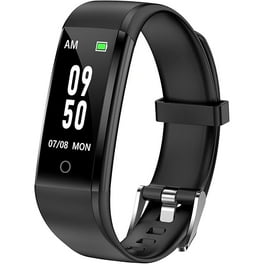
Credit: www.walmart.com
Frequently Asked Questions
What Is A Fitness Tracker No Phone Needed?
A fitness tracker no phone needed is a wearable device that tracks health data independently. It records steps, heart rate, and sleep without smartphone connection. These devices store data internally and sync later, offering convenience for users who prefer minimal phone use during workouts.
How Accurate Are Fitness Trackers Without Phone Connection?
Fitness trackers without phone connection are generally accurate for basic metrics like steps and heart rate. However, accuracy may vary based on the device’s sensors and algorithms. Most modern trackers use advanced technology to provide reliable data even when not paired with a phone.
Can Fitness Trackers Store Data Without Syncing To Phone?
Yes, fitness trackers can store health data internally without syncing to a phone. They use onboard memory to save your activity, heart rate, and sleep data. Users can later sync the stored data to a phone or computer for detailed analysis.
Do Fitness Trackers Without Phones Support Gps Tracking?
Some fitness trackers without phones have built-in GPS to track outdoor activities independently. These devices allow accurate distance and route tracking without needing a phone. However, not all models include GPS, so check specifications before purchase.
Conclusion
Fitness trackers without phones offer great freedom during workouts. You can track steps, heart rate, and sleep easily. No need to carry a bulky phone while exercising. These devices help you stay focused and active. Battery life often lasts longer without phone connection.
Many models provide clear displays for quick checks. They suit people who want simple, direct fitness data. Choose one that fits your lifestyle and goals. Stay healthy and motivated without extra gadgets. Fitness tracking made easy and convenient.







