
Are you ready to build strong, defined shoulders that stand out? Your shoulders play a key role in almost every upper-body movement, and focusing on the right exercises can boost your strength and shape like never before.
Whether you want to improve your posture, increase your muscle mass, or prevent injuries, this guide to gym workout shoulder exercises is made just for you. Keep reading to discover simple, effective moves that will transform your shoulders and take your workouts to the next level.
Don’t miss out—your best shoulders are waiting!
Benefits Of Shoulder Workouts
Shoulder workouts offer more than just bigger muscles. They improve your overall upper body strength and enhance your daily movements. Focusing on shoulder exercises can boost your posture, reduce injury risks, and help you look and feel stronger.
Improved Posture And Stability
Strong shoulders help keep your upper body aligned. They support your neck and back, which reduces slouching and discomfort. If you spend hours sitting, shoulder workouts can counterbalance that by strengthening muscles that hold you upright.
Enhanced Athletic Performance
Whether you play sports or enjoy outdoor activities, powerful shoulders give you an edge. They improve your ability to push, pull, and lift with more control. This can make activities like swimming, tennis, or even hiking feel easier and less tiring.
Injury Prevention And Joint Health
Shoulder exercises strengthen the muscles around your shoulder joints, making them more stable. This lowers your risk of strains and dislocations during daily tasks or workouts. Have you ever noticed how weak shoulders can lead to discomfort during simple lifting? Building strength here can fix that.
Better Functional Strength
Your shoulders are involved in almost every arm movement. Strengthening them means you’ll handle everyday activities—like carrying groceries or lifting a child—with more ease. Think about how much smoother your daily routine would be with stronger shoulders supporting those actions.
Balanced Muscle Development
Focusing on shoulder workouts prevents muscle imbalances that cause poor posture and pain. Many people overtrain chest muscles but neglect their shoulders, leading to tightness and discomfort. Targeting your shoulders helps create a balanced, strong upper body.
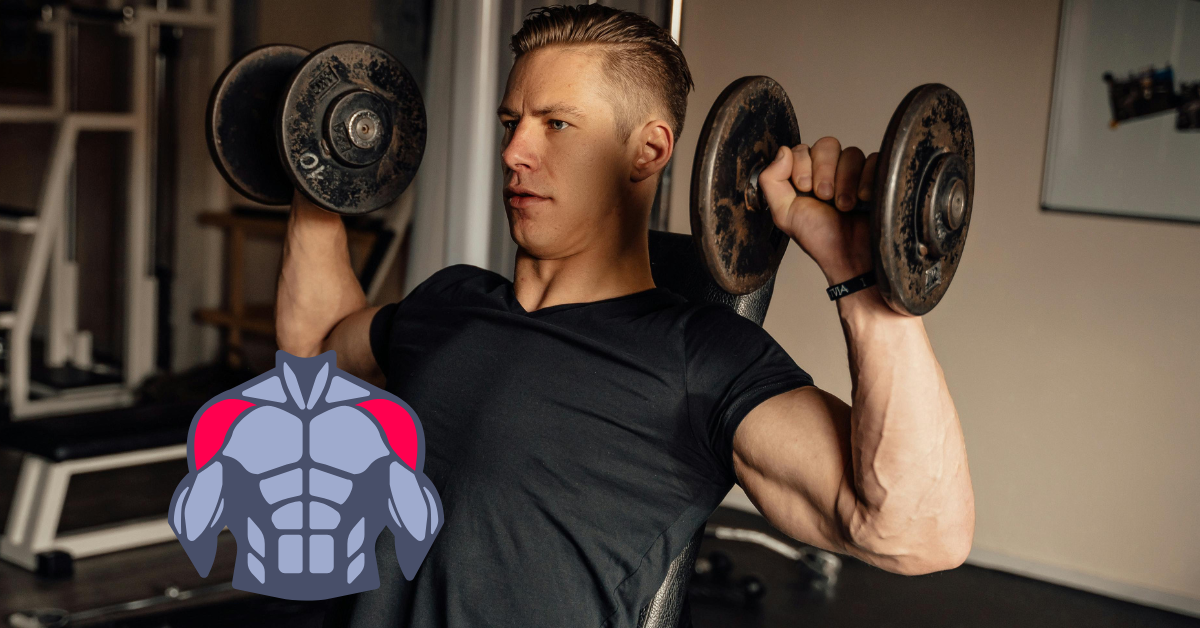
Credit: www.lowkickmma.com
Anatomy Of The Shoulder Muscles
The shoulder is one of the most complex joints in your body, allowing a wide range of motion that is essential for many gym exercises. Understanding the anatomy of the shoulder muscles helps you target the right areas and avoid injury during your workouts. Knowing which muscles you’re working on makes your training more effective and purposeful.
Deltoids
The deltoids are the large, rounded muscles that form the shape of your shoulder. They consist of three parts:
- Anterior (front) deltoid:Helps lift your arm forward.
- Medial (middle) deltoid:Raises your arm to the side.
- Posterior (rear) deltoid:Pulls your arm backward.
Each part plays a unique role during shoulder exercises, so balancing your routine to hit all three heads is key. Have you noticed how some workouts emphasize front raises but ignore the rear delts? This imbalance can lead to poor posture and shoulder pain.
Rotator Cuff
The rotator cuff is a group of four small muscles that stabilize your shoulder joint. These muscles keep your upper arm bone firmly in the socket while you lift or rotate your arm.
- Supraspinatus
- Infraspinatus
- Teres minor
- Subscapularis
Ignoring the rotator cuff during workouts can cause weakness and increase injury risk, especially with heavy lifts. Adding specific rotator cuff exercises to your routine can improve your shoulder stability and overall strength.
Essential Equipment For Shoulder Exercises
Strong shoulders improve posture and enhance overall upper body strength. Choosing the right equipment shapes your workout and targets all shoulder muscles effectively. Essential gear fits various fitness levels and goals. Each tool offers unique benefits for shoulder exercises.
Dumbbells
Dumbbells allow controlled, isolated shoulder movements. They help build muscle evenly on both sides. Exercises like shoulder presses and lateral raises are easy to perform. They come in different weights for all strength levels. Using dumbbells improves balance and coordination too.
Barbells
Barbells support heavier lifts and compound movements. They work multiple shoulder muscles at once. Common exercises include overhead presses and upright rows. Barbells promote strength and muscle growth quickly. Proper form is key to avoid injury with barbells.
Resistance Bands
Resistance bands provide variable tension throughout movements. They are light, portable, and affordable. Bands improve muscle activation and joint stability. Great for warm-ups, rehab, or light workouts. Resistance bands suit all fitness levels and goals.
Warm-up Techniques
Preparing your shoulders before a workout is crucial to prevent injuries and improve performance. Warm-up techniques activate the muscles and increase blood flow, making your joints more flexible. Taking a few minutes to warm up can change how your shoulders feel during and after the workout.
Dynamic Stretching
Dynamic stretching uses controlled movements to gently take your muscles through their full range of motion. Instead of holding a stretch, you move continuously, which helps raise your heart rate and warms up the muscles around your shoulders.
Try arm circles, shoulder rolls, or cross-body swings to get started. These moves loosen the joints and prepare your muscles for heavier lifting. Have you noticed how a simple arm swing can reduce stiffness and make pressing exercises feel smoother?
Rotator Cuff Activation
The rotator cuff muscles play a key role in stabilizing your shoulder joint. Activating these muscles before your workout improves control and reduces the risk of strains.
Use light resistance bands or small dumbbells to perform exercises like external rotations and scapular retractions. These targeted movements wake up the smaller muscles that often get overlooked but are essential for shoulder health.
Adding just a few sets of rotator cuff activation can make a big difference. How often do you focus on these muscles during your warm-up?
Top Shoulder Exercises
Building strong, well-defined shoulders can transform your overall physique and improve your performance in many other exercises. Choosing the right shoulder workouts makes a big difference in targeting all parts of the shoulder muscles effectively. Let’s look at some of the top shoulder exercises that you can add to your routine for balanced strength and size.
Overhead Press
The overhead press is a classic shoulder builder that targets the front and side deltoids, along with the triceps. Press a barbell or dumbbells overhead while standing or sitting, keeping your core tight. This move not only strengthens your shoulders but also improves your stability and posture.
Lateral Raises
Lateral raises focus mainly on the side delts, giving your shoulders that wide, capped look. Use light to moderate dumbbells and raise your arms out to the side until they are parallel to the floor. It may seem simple, but controlling the movement is key to preventing injury and maximizing muscle activation.
Front Raises
Front raises target the front part of your shoulders and help improve shoulder definition. Hold a pair of dumbbells and lift them straight in front of you to shoulder height with palms facing down. This exercise is great for isolating the anterior delts, which often get neglected in compound lifts.
Arnold Press
The Arnold press adds rotation to the traditional overhead press, hitting more muscle fibers. Start with the dumbbells in front of your shoulders, palms facing you, then rotate your wrists while pressing up. I found this exercise increases shoulder mobility and provides a fuller range of motion.
Face Pulls
Face pulls are excellent for strengthening the rear deltoids and improving shoulder health. Using a cable machine, pull the rope attachment towards your face while keeping your elbows high. This move balances your shoulder development and helps prevent injuries caused by poor posture.
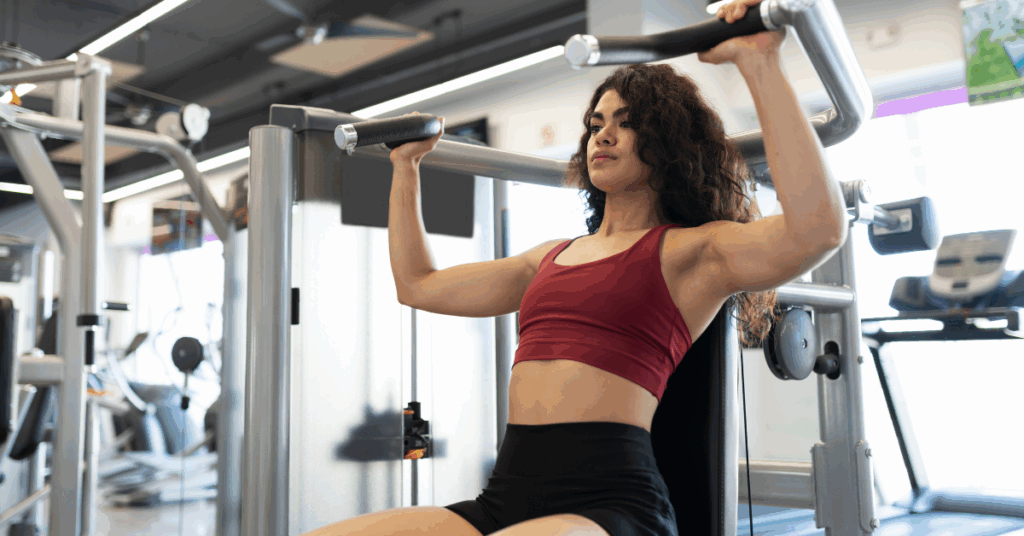
Credit: www.lowkickmma.com
Workout Routines For Shoulder Strength
Building strong shoulders improves overall upper body power and appearance. Effective workout routines target all parts of the shoulder muscle. This balance reduces injury risk and boosts daily strength.
Workouts vary by experience. Beginners focus on form and light weights. Intermediate lifters increase volume and resistance. Advanced athletes challenge muscles with complex moves.
Beginner Routine
- Seated Dumbbell Press – 3 sets of 10 reps
- Lateral Raises – 3 sets of 12 reps
- Front Raises – 3 sets of 12 reps
- Reverse Pec Deck Fly – 3 sets of 15 reps
- Plank Shoulder Taps – 3 sets of 20 taps
Rest for 60 seconds between sets. Focus on slow, controlled movements.
Intermediate Routine
- Barbell Overhead Press – 4 sets of 8 reps
- Arnold Press – 4 sets of 10 reps
- Cable Lateral Raises – 4 sets of 12 reps
- Face Pulls – 4 sets of 15 reps
- Handstand Hold – 3 sets of 30 seconds
Rest 45-60 seconds between sets. Increase weight gradually.
Advanced Routine
- Push Press – 5 sets of 6 reps
- Weighted Dumbbell Lateral Raises – 5 sets of 12 reps
- Snatch-Grip Upright Row – 4 sets of 10 reps
- Face Pulls with External Rotation – 4 sets of 15 reps
- Handstand Push-Ups – 4 sets of 8 reps
Rest 30-45 seconds between sets. Use perfect form to avoid injury.
Common Mistakes To Avoid
Shoulder workouts can build strength and improve posture. Avoiding common mistakes helps prevent injuries. It also ensures better muscle growth.
Many people use wrong form or lift too heavy weights. These errors reduce workout benefits and increase pain risk. Learning proper techniques is key to safe and effective training.
Using Too Much Weight
Lifting heavy weights can cause strain and injury. Start with lighter weights to focus on form. Increase weight gradually as strength improves.
Neglecting Warm-up
Skipping warm-up makes muscles stiff and prone to injury. Spend 5-10 minutes warming up the shoulder area. Use light movements to prepare muscles for exercise.
Incorrect Posture
Bad posture reduces exercise effectiveness and causes pain. Keep your back straight and shoulders down. Avoid shrugging or leaning forward during lifts.
Partial Range Of Motion
Doing exercises with limited movement weakens muscle gains. Perform full range of motion for better results. This helps activate all shoulder muscles evenly.
Ignoring Shoulder Stability
Shoulders need stability for safe workouts. Engage core muscles and control movements. Avoid fast or jerky motions to protect joints.
Overtraining Shoulders
Training shoulders every day can cause fatigue and injury. Allow 48 hours rest between shoulder workouts. Balance with other muscle groups for overall strength.
Injury Prevention Tips
Shoulder injuries can stop your progress and cause pain. Preventing injuries keeps your workouts safe and effective. Focus on key habits that protect your shoulders during exercises. Small changes make a big difference in your gym routine.
Proper Form
Maintaining proper form reduces stress on shoulder joints. Use controlled movements and avoid sudden jerks. Keep your back straight and shoulders down during lifts. Do not lift weights that feel too heavy or cause discomfort. Pause and reset if your form breaks down. This practice helps avoid strains and tears.
Balanced Training
Train all shoulder muscles equally to prevent imbalances. Work on front, side, and rear deltoids with varied exercises. Include rotator cuff strengthening to support shoulder stability. Rest muscles between sessions to allow healing and growth. Overworking one area can lead to injury. Balance keeps your shoulders strong and flexible.
Recovery And Rest
Recovery and rest are vital after shoulder workouts. They help muscles heal and grow stronger. Skipping rest can lead to pain and injury. Giving your body time to recover improves future performance and keeps you consistent.
Stretching Post-workout
Stretching helps release muscle tension after exercise. It improves blood flow to the shoulders. Gentle stretches reduce stiffness and soreness. Spend 5 to 10 minutes stretching key shoulder muscles:
- Deltoids
- Rotator cuff
- Trapezius
- Chest muscles
Hold each stretch for 20 to 30 seconds. Avoid bouncing to prevent injury. Stretching also enhances flexibility and range of motion.
Importance Of Rest Days
Rest days allow shoulder muscles to repair and rebuild. Training every day risks overuse injuries and fatigue. Rest boosts energy and mental focus for workouts ahead.
Use rest days for light activities like walking or yoga. Sleep well to support muscle recovery. Listen to your body’s signals; pain means rest is needed.
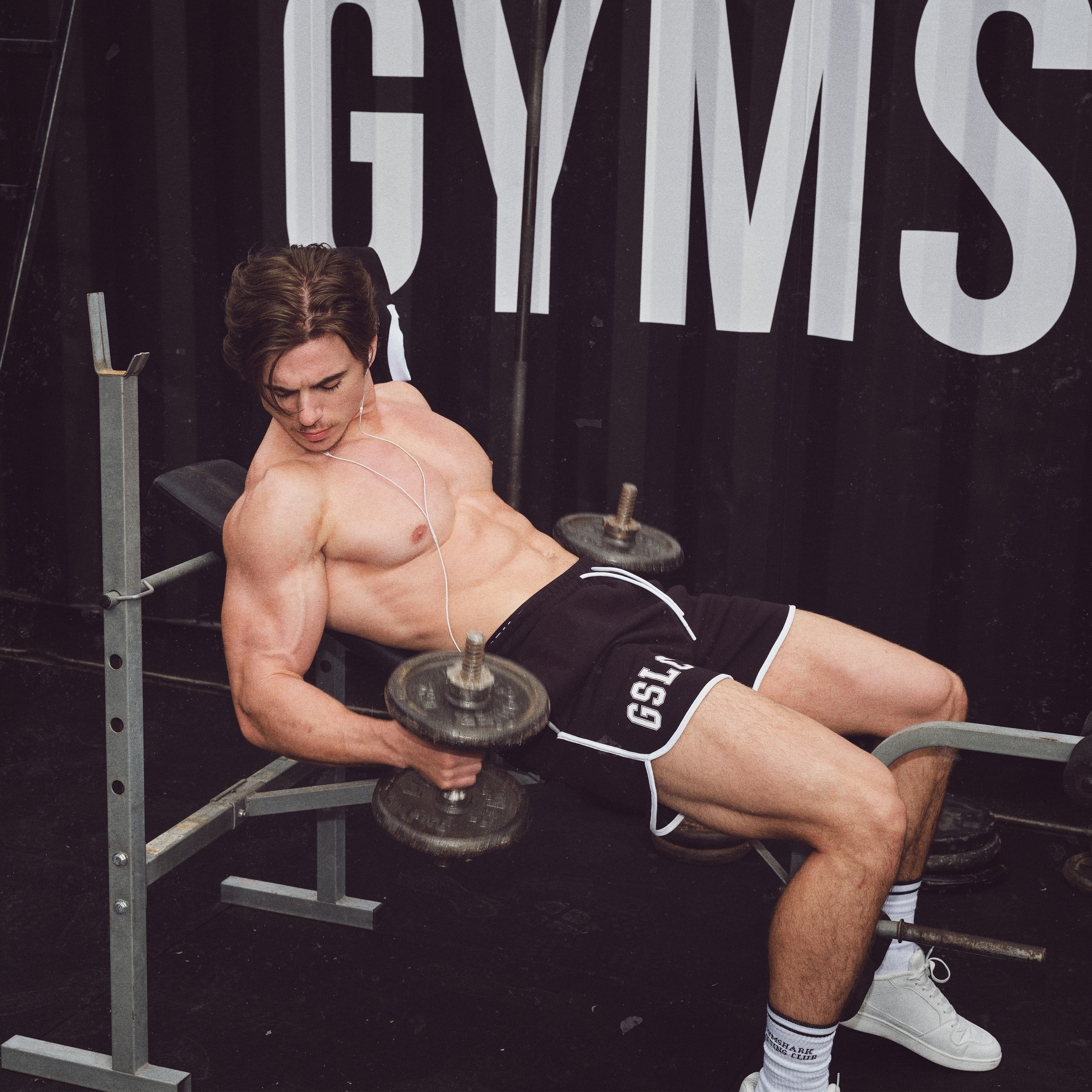
Credit: row.gymshark.com
Nutrition For Shoulder Strength
Nutrition plays a key role in building strong shoulders. Proper fuel helps muscles recover and grow after workouts. Eating the right nutrients supports strength and endurance. Focus on balanced meals to enhance shoulder performance and reduce injury risk.
Protein Intake
Protein is essential for muscle repair and growth. Consume lean meats, fish, eggs, and dairy daily. Plant-based options like beans, lentils, and tofu also work well. Aim for 1.2 to 2 grams of protein per kilogram of body weight. Spread protein intake evenly throughout the day to optimize muscle recovery.
Hydration
Water keeps muscles hydrated and functioning properly. Dehydration can cause cramps and reduce strength. Drink water before, during, and after workouts. Include fluids like herbal teas or diluted fruit juices for variety. Monitor urine color to ensure proper hydration; it should be light yellow.
Frequently Asked Questions
What Are The Best Shoulder Exercises For Gym Workouts?
The best shoulder exercises include overhead presses, lateral raises, front raises, and reverse flyes. These target all shoulder muscles effectively. They help build strength, size, and improve shoulder stability.
How Often Should I Train Shoulders In A Gym Workout?
Train shoulders 1-2 times per week with at least 48 hours rest between sessions. This frequency allows optimal muscle recovery and growth while preventing overuse injuries.
Can Gym Shoulder Exercises Reduce Shoulder Pain?
Proper shoulder exercises can strengthen muscles and improve joint stability. This helps reduce shoulder pain caused by weakness or poor posture. Always use correct form and start with light weights.
What Equipment Is Needed For Gym Shoulder Exercises?
Common equipment includes dumbbells, barbells, resistance bands, and cable machines. These tools offer variety and target shoulder muscles from different angles. Bodyweight exercises also effectively engage shoulder muscles.
Conclusion
Strong shoulders support many daily activities and improve your posture. Regular gym exercises build muscle and increase shoulder strength. Start with light weights and focus on proper form. Consistency matters more than heavy lifting or fast progress. Remember to rest and avoid overtraining to prevent injuries.
Keep your workouts balanced by including different shoulder movements. Your efforts will pay off with better strength and less pain. Stay patient and enjoy the process of getting stronger shoulders.







