
Are you ready to transform your glutes and boost your confidence at the gym? Whether you want to tone, lift, or strengthen your backside, the right exercises can make all the difference.
You’ll discover simple yet powerful glute exercises designed specifically for women. These moves will help you sculpt your curves and improve your overall strength faster than you might expect. Keep reading to unlock the secrets to a firmer, stronger, and more defined you.
Benefits Of Strong Glutes
Strong glute muscles bring many benefits beyond appearance. They support daily movements and enhance overall body function. Building powerful glutes improves how the body works in many ways. Here are key advantages of having strong glutes.
Improved Posture
Strong glutes help keep the pelvis stable. This stability supports the lower back and spine. Good glute strength reduces slouching and poor posture. It helps the body stay upright and balanced. Better posture lowers strain on muscles and joints.
Enhanced Athletic Performance
Powerful glutes increase speed and strength. They improve jumping, running, and lifting abilities. Strong glutes provide a solid base for many sports. They help generate more force during movements. This leads to better performance and endurance.
Injury Prevention
Weak glutes can cause muscle imbalances and pain. Strong glutes protect knees, hips, and the lower back. They absorb shock and reduce stress on joints. This lowers the risk of injuries during workouts or daily activities. Healthy glutes help maintain body alignment and function.
Essential Glute Anatomy
Understanding the essential glute anatomy can change how you approach your workouts and help you target the right muscles effectively. Your glutes are not just one muscle but a group working together to support movement and stability. Knowing each part’s role allows you to focus your gym sessions for better results and injury prevention.
Gluteus Maximus
The gluteus maximus is the largest and most powerful muscle in your glute group. It controls hip extension, which is crucial for movements like squatting, lunging, and jumping. Strengthening this muscle improves your overall lower body power and shapes the rounded look many aim for.
Think about how your hips drive forward when you sprint or climb stairs—that’s your gluteus maximus in action. If this muscle is weak, other parts of your body might compensate, leading to discomfort or poor performance. How often do you focus on exercises that push your hips back and up?
Gluteus Medius
The gluteus medius sits on the side of your hip and is key to stabilizing your pelvis during walking or running. It helps with hip abduction—lifting your leg sideways away from your body. Strengthening this muscle improves balance and prevents injuries like IT band syndrome.
When you perform side leg lifts or lateral band walks, you’re targeting this muscle. If you’ve ever felt your hips wobble during single-leg exercises, your gluteus medius might need more attention. What exercises do you currently do to keep your hips stable?
Gluteus Minimus
The gluteus minimus lies beneath the gluteus medius and works alongside it to assist in hip abduction and internal rotation. Though smaller, it plays a vital role in maintaining hip stability and smooth movement patterns. Ignoring this muscle can lead to imbalances and limit your progress.
It’s easy to overlook the gluteus minimus, but exercises like clamshells can effectively activate it. Strengthening this muscle helps you avoid common hip pain and supports better posture. Are you including movements that challenge your hip rotation and stability?
Warm-up Techniques
Warming up is key before starting glute exercises in the gym. It prepares your muscles and joints for the workout. Proper warm-up reduces injury risk and improves performance. Focus on movements that activate the glutes and increase blood flow.
Dynamic Stretching
Dynamic stretching uses controlled movements to stretch muscles. It warms the body and boosts flexibility. Examples include leg swings and walking lunges. These stretches target the hips and glutes. They help improve range of motion and muscle readiness. Spend 5 to 10 minutes on dynamic stretches.
Activation Exercises
Activation exercises wake up the glute muscles before heavier lifts. They teach the brain to engage the right muscles. Common moves are glute bridges, clamshells, and band walks. Use light resistance bands or body weight. Do 2 to 3 sets of 10 to 15 reps. This step ensures better muscle firing during your workout.
Top Glute Exercises
Building strong and shapely glutes requires more than just random gym sessions. The right exercises target the muscle groups effectively, helping you achieve a toned and lifted look. Focusing on key movements can maximize your results while minimizing the risk of injury.
Squats Variations
Squats are a staple for glute development, but mixing up the variations keeps your muscles challenged. Try goblet squats for better posture control, or sumo squats to hit the inner glutes and thighs more intensely.
Adding weight with a barbell or dumbbells increases resistance, pushing your glutes to work harder. Have you noticed how switching foot placement changes the muscle engagement? Experiment with stance width to find what activates your glutes best.
Deadlifts For Glutes
Deadlifts are powerful for building overall posterior strength, especially your glutes. Romanian deadlifts, in particular, focus on hamstrings and glutes without overloading your lower back.
Maintaining a flat back and driving through your heels makes all the difference in targeting the right muscles. Have you felt the difference when you squeeze your glutes at the top of the lift? That simple focus can boost your gains significantly.
Lunges And Split Squats
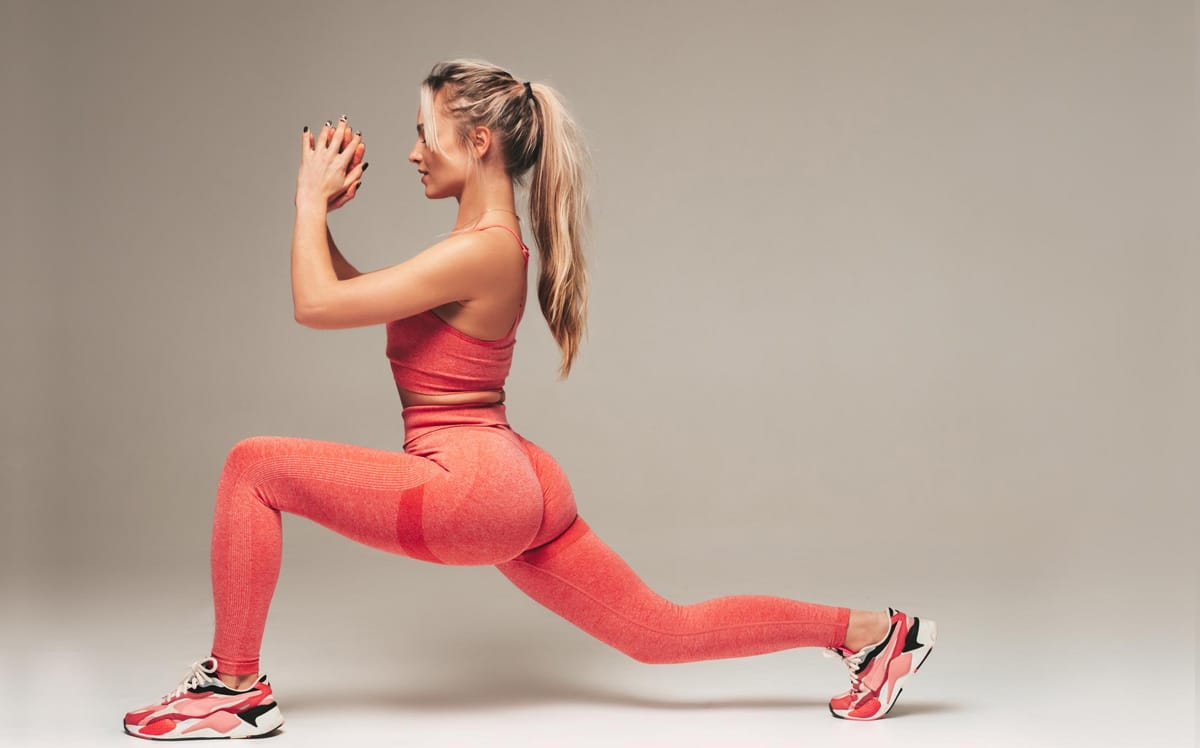
Lunges and split squats isolate each leg, addressing muscle imbalances and improving balance. Walking lunges add dynamic movement, while stationary split squats let you control form and depth more precisely.
Holding dumbbells increases the challenge and improves grip strength simultaneously. What’s your experience with these exercises—do you feel your glutes engaging fully, or do your quads take over? Adjusting your torso angle can help shift the focus right where you want it.
Resistance Training Tools
Resistance training tools help target and build strong glute muscles. They offer different ways to add challenge and variety. Using the right tools improves muscle tone and strength effectively. These tools fit well in gym routines for females focusing on glute exercises.
Barbells And Dumbbells
Barbells and dumbbells add weight to glute workouts. Squats, lunges, and hip thrusts become more intense with these weights. They help increase muscle size and power. Dumbbells offer more freedom of movement and balance training. Barbells allow lifting heavier weights for better strength gains.
Resistance Bands
Resistance bands provide constant tension on glute muscles. They are perfect for activation exercises before heavy lifting. Bands come in various strengths for all fitness levels. They improve hip stability and muscle endurance. Bands also help with warm-ups and injury prevention.
Cable Machines
Cable machines offer smooth, controlled resistance for glute targeting. Exercises like cable kickbacks and side leg lifts build muscle shape. They allow precise movement and adjustable weight settings. Cable machines help work glutes through a full range of motion. They are great for isolating specific glute muscles.

Credit: movewithus.com
Cardio For Glute Toning
Cardio can play a powerful role in toning your glutes. Unlike heavy weightlifting alone, cardio helps burn fat while activating the muscles in your buttocks. This combination reveals a firmer, more defined shape that you can actually see and feel.
Have you ever noticed how some cardio workouts leave your glutes burning hours later? That’s because certain activities engage your glute muscles deeply, encouraging growth and strength. Let’s look at a few cardio options that target your glutes effectively.
Stair Climbing
Stair climbing is one of the best cardio exercises to tone your glutes. Each step pushes your glute muscles to contract powerfully, especially when you take the stairs two at a time.
Try mixing up your pace: slow and controlled steps activate muscles differently than quick, explosive movements. You’ll feel the difference in your glutes by the end of the session.
Incline Walking
Walking on an incline forces your glutes to work harder than flat-surface walking. This makes it a low-impact but highly effective way to build glute strength and endurance.
Set the treadmill or outdoor path at a steep incline and maintain a steady pace. It’s a workout that challenges your muscles without needing heavy weights or complex moves.
Cycling
Cycling is often overlooked for glute toning, but it’s surprisingly effective. The pedaling motion hits your glutes, especially when you push hard on uphill climbs or increase resistance on a stationary bike.
Focus on keeping your hips stable and pedal with power. This will engage your glutes more than just spinning casually. Have you tried cycling with a focus on muscle activation instead of just cardio?
Creating A Balanced Routine
Creating a balanced routine for glute exercises in the gym is crucial for building strength, preventing injury, and achieving noticeable results. You want to challenge your muscles enough to grow but also give them time to recover. Balancing your workouts means paying attention to how often you train, how hard you push yourself, and how you progress over time.
Frequency And Intensity
How often you work your glutes makes a big difference. Training your glutes 2 to 3 times per week is usually effective without causing burnout.
Focus on intensity by mixing heavier weights with lower reps and lighter weights with higher reps. This variety helps target different muscle fibers and keeps your workouts interesting.
Think about your energy levels and schedule—are you pushing too hard too often? Adjusting frequency and intensity can help you stay consistent and avoid plateaus.
Rest And Recovery
Rest days are just as important as workout days. Your muscles grow when you rest, not while you train.
Make sure to give your glutes at least 48 hours between intense sessions. This lets your muscles repair and come back stronger.
Pay attention to soreness. Sometimes, light activity like walking or stretching can aid recovery better than complete rest. How do you usually feel after your glute workouts?
Progression Strategies
To see continuous improvement, you need to gradually increase the challenge. This can be done by adding more weight, increasing reps, or trying new exercises.
Tracking your progress in a workout journal or app helps you stay accountable. You might start with bodyweight squats, then add dumbbells, and later switch to barbell hip thrusts.
Don’t forget to listen to your body. Progression is about pushing boundaries safely, not rushing into heavier weights that risk injury.
Credit: fitnessvolt.com
Nutrition For Muscle Growth
Building stronger, well-defined glutes at the gym is not just about the exercises you do; what you eat plays a huge role in how your muscles grow and recover. Nutrition fuels your workouts and repairs your muscles, helping you see the results faster. Let’s break down the key nutrition elements you need to focus on for muscle growth.
Protein Intake
Protein is the building block of muscle. Without enough protein, your body can’t repair the tiny muscle tears created during your glute workouts.
Aim for 1.2 to 2.0 grams of protein per kilogram of your body weight daily. Good sources include chicken, fish, eggs, dairy, and plant-based options like lentils and tofu.
Personally, I noticed a big difference when I started adding a protein shake right after my workout. It helped me recover faster and increased my muscle tone.
Carbohydrate Needs
Carbs are your body’s main energy source. They help fuel your workouts and refill your muscle’s glycogen stores after training.
Include complex carbs such as brown rice, quinoa, oats, and sweet potatoes. These release energy slowly, keeping you active during your gym sessions.
Ever felt drained halfway through your workout? That’s often because of low carb intake. Adjusting your carb consumption can improve your performance and muscle growth.
Hydration Importance
Water supports every function in your body, including muscle growth. Staying hydrated helps transport nutrients to your muscles and removes waste products.
Drink water consistently throughout the day, especially before, during, and after workouts. Dehydration can reduce strength and delay recovery.
One simple trick I use is carrying a water bottle with me all day. It reminds me to drink enough and keeps my energy steady for tougher glute sessions.
Common Mistakes To Avoid
When working on your glutes at the gym, avoiding common mistakes can make a huge difference in your progress. Many women put in effort but miss key points that slow results or cause injury. Understanding what to watch out for helps you train smarter and stay motivated.
Overtraining Risks
Pushing your glutes every day might seem like dedication, but it can backfire. Muscles need time to recover and grow stronger after workouts. Overtraining can lead to soreness, fatigue, and even injury, which stops you from moving forward.
Ask yourself: Are you giving your body enough rest between sessions? Try spacing your glute workouts to every 48 hours and notice how your strength improves. Recovery is part of the process, not a break from it.
Incorrect Form
Using the wrong technique wastes energy and can strain other muscles. For example, during squats, leaning too far forward or letting your knees collapse inward reduces glute activation. This mistake often happens when you focus on heavy weights rather than proper movement.
Focus on controlled motions and keep your spine neutral. Record yourself or ask a trainer to check your form. Small adjustments like pushing through your heels or engaging your core make a big difference.
Neglecting Other Muscle Groups
Focusing only on glutes might seem logical, but it can create muscle imbalances. Weak hips, hamstrings, or core muscles limit glute performance and increase injury risk. Your body works as a system, so ignoring other parts slows your overall progress.
Add exercises for your hamstrings, lower back, and core to your routine. This balance supports better glute activation and strength. Have you ever felt tight or sore in unexpected areas after a glute workout? That’s often a sign you need to train supporting muscles too.

Credit: www.strengthlog.com
Tracking Progress
Tracking progress is key to staying motivated during your glute exercises at the gym. It helps you see real changes over time and adjust your workout plan. Keeping an eye on your progress shows you what works best and where to improve. This way, you stay focused and committed to your goals.
Using Measurements
Taking body measurements is a simple way to track glute growth. Use a tape measure around the widest part of your hips and glutes. Measure every two weeks to notice changes. Record these numbers to compare over time. This method gives clear evidence of muscle gain or fat loss.
Progress Photos
Photos provide visual proof of your hard work. Take pictures from different angles in good light. Use the same pose, clothes, and location each time. Capture photos every two weeks or month. Comparing images side by side shows subtle improvements that numbers might miss.
Fitness Journals
Writing down your workouts helps track strength and endurance. Note exercises, weights, reps, and how you feel after each session. Journals reveal patterns and progress in your training. They also keep you accountable and focused on your goals. Reviewing past entries can inspire you to push harder.
Frequently Asked Questions
What Are The Best Glute Exercises For Females At The Gym?
The best glute exercises include squats, hip thrusts, deadlifts, and lunges. These target all glute muscles effectively and build strength and shape.
How Often Should Females Train Glutes In The Gym?
Training glutes 2-3 times per week is ideal. This frequency allows muscle growth and recovery without overtraining or injury risk.
Can Gym Machines Help Build Female Glutes Effectively?
Yes, machines like the glute kickback and hip abduction target glute muscles. They provide controlled resistance for muscle activation and growth.
What Is The Importance Of Warm-up Before Glute Workouts?
Warming up increases blood flow and flexibility. It reduces injury risk and improves exercise performance for better glute activation.
Conclusion
Strong glutes improve posture and boost daily movement. Regular gym exercises shape and tone your muscles. Start with simple moves and build your strength gradually. Stay consistent to see clear results over time. Remember, good form protects you from injury.
Enjoy your workout and feel the progress. Your dedication brings a healthier, fitter body. Keep pushing forward, one step at a time.







