
Are you ready to transform your legs and build strength that turns heads? Legs gym exercises are the key to unlocking powerful muscles, better balance, and improved endurance.
Whether you want to tone, sculpt, or boost your athletic performance, the right moves can make all the difference. Keep reading to discover simple yet effective exercises that you can start doing today to see real results fast. Your stronger, more confident legs are just a workout away!
Benefits Of Leg Exercises
Leg exercises do more than just build muscle—they transform how your body moves and feels every day. Strong legs improve balance, boost endurance, and help you avoid injuries. If you want to enhance your overall fitness, focusing on your legs is a smart move.
Improved Mobility And Balance
Leg workouts strengthen key muscles around your knees, hips, and ankles. This support helps you stay steady on your feet, reducing the risk of falls. Have you noticed how much easier it becomes to walk up stairs or carry groceries after working on your leg strength?
Increased Muscle Strength And Endurance
Building leg muscles doesn’t just make your legs look toned—it makes daily tasks easier. Carrying heavy items, standing for long periods, and even running feel less tiring. Stronger legs mean you can push yourself harder in other workouts too.
Boosted Metabolism And Fat Burning
Your leg muscles are some of the largest in your body, so exercising them burns a lot of calories. This helps speed up your metabolism, which can support fat loss. Would you believe that squats and lunges can be powerful tools for weight management?
Enhanced Athletic Performance
Whether you play sports or enjoy weekend hikes, stronger legs improve your performance. You’ll jump higher, run faster, and recover quicker from intense activities. Think about the last time you surprised yourself with a new personal best—strong legs played a big role in that.
Reduced Risk Of Injury
Leg exercises strengthen muscles and joints, protecting you from strains and sprains. They also improve coordination, which lowers your chances of accidents. How much safer would you feel moving through your day with this extra protection?
Credit: betterme.world
Anatomy Of Leg Muscles
Understanding the anatomy of your leg muscles can change the way you train and improve your results. Knowing which muscles you’re targeting helps you focus your workouts more effectively. Let’s break down the key muscle groups in your legs and see how they work together to support movement and strength.
Quadriceps
The quadriceps, or quads, are the large muscles on the front of your thigh. They play a major role in extending your knee and powering movements like squats and lunges. If you want stronger, more defined legs, you need to pay attention to exercises that challenge these muscles.
Think about how your quads engage when you stand up from a chair or climb stairs. Strengthening them can improve everyday activities and boost your athletic performance. Have you noticed how your legs feel after a deep squat? That’s your quads working hard.
Hamstrings
Located on the back of your thigh, the hamstrings are essential for bending your knees and extending your hips. They balance the work done by your quads and help stabilize your movements. If your hamstrings are weak, you might experience knee pain or lower back issues.
Exercises like deadlifts and leg curls target these muscles. Paying attention to your hamstrings can prevent injuries and enhance your speed and agility. When was the last time you really focused on strengthening your hamstrings?
Calves
Your calf muscles sit at the back of your lower leg and are key for movements like walking, running, and jumping. They consist mainly of the gastrocnemius and soleus muscles, which help you push off the ground with force. Strong calves improve balance and endurance.
Simple exercises such as calf raises can make a big difference. Including calf work in your routine helps you avoid common issues like Achilles tendonitis. How often do you train your calves compared to your upper leg muscles?
Glutes
The glute muscles, especially the gluteus maximus, are the powerhouse of your lower body. They help with hip extension, rotation, and stabilization during almost every leg movement. Strong glutes improve posture and reduce the risk of injury.
Movements like hip thrusts and Bulgarian split squats really activate the glutes. If you’ve ever felt lower back pain after leg day, weak glutes might be the reason. What exercises do you use to make sure your glutes get the attention they deserve?
Essential Equipment For Leg Workouts
Strong legs need the right tools. The equipment used in leg workouts shapes the results. Choosing proper gear helps target muscles effectively. It also improves safety during exercises. Essential equipment varies from simple to complex. Each type supports different workout styles and goals.
Free Weights
Free weights include dumbbells and barbells. They allow natural movement and full range of motion. Using free weights builds strength and balance. Exercises like squats and lunges benefit from them. They help activate many leg muscles at once. Free weights fit home gyms and fitness centers.
Resistance Bands
Resistance bands are flexible and lightweight. They add tension during leg exercises. Bands improve muscle tone and endurance. You can use them for squats, leg lifts, and kicks. They are easy to carry and store. Resistance bands suit beginners and advanced users.
Leg Machines
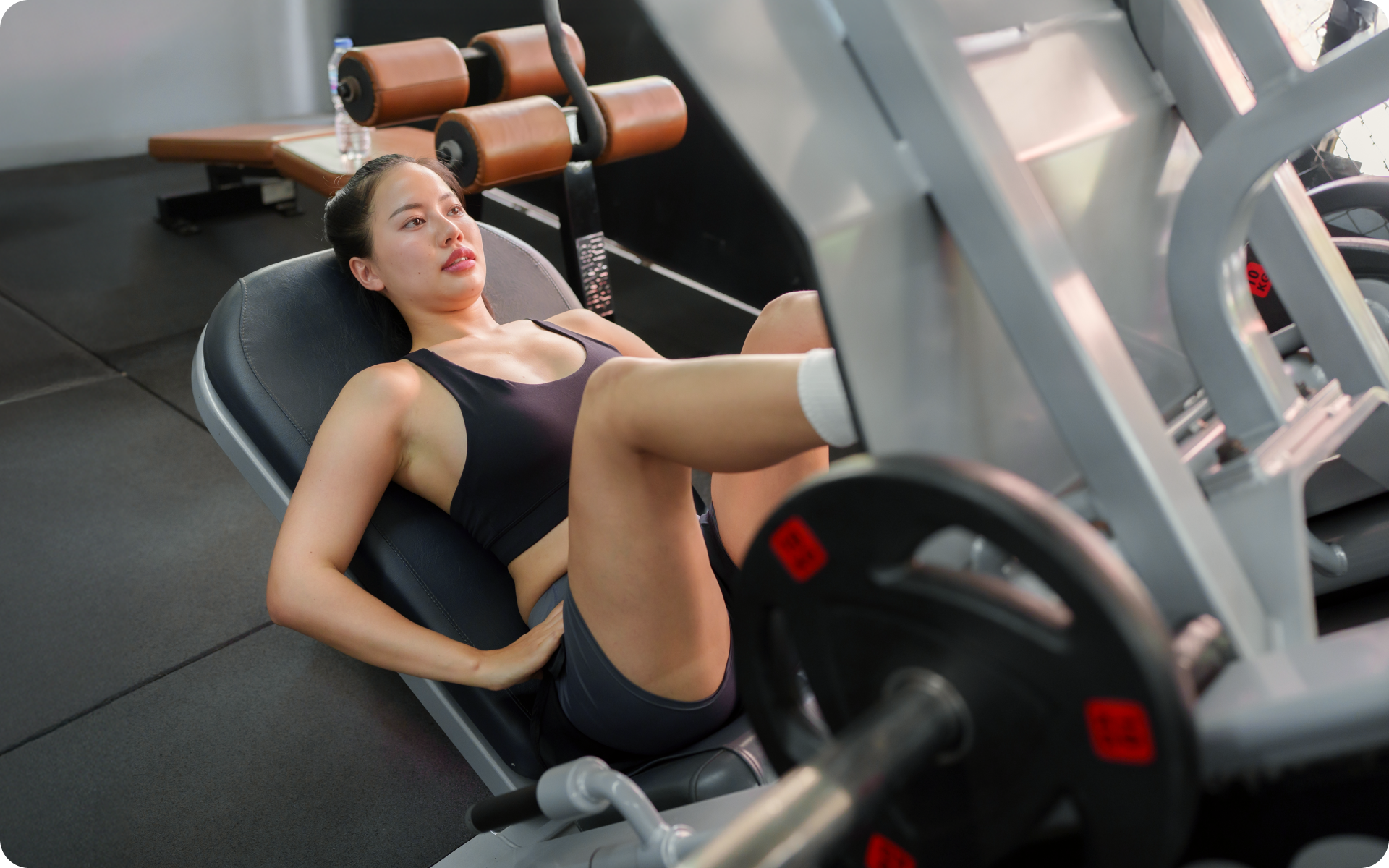
Leg machines provide guided, controlled movements. They focus on specific leg muscles safely. Common machines include leg press, leg curl, and leg extension. These machines offer adjustable weights for all levels. Machines reduce injury risk by stabilizing the body. Gyms often have several leg machines to choose from.
Warm-up Routines
Warming up before leg exercises prepares your muscles and joints for action. It reduces the risk of injury and improves your workout quality. A proper warm-up increases blood flow to your leg muscles. This helps you move better and feel stronger during exercises.
Dynamic Stretching
Dynamic stretching uses movement to stretch muscles. It is better than static stretching before workouts. It warms up muscles and increases flexibility. Examples include leg swings, walking lunges, and high knees.
- Leg swings: Swing one leg forward and backward smoothly.
- Walking lunges: Step forward, lowering your hips to stretch.
- High knees: Lift knees up to waist level while moving forward.
These exercises activate muscles and improve range of motion. They also help your brain prepare for intense leg work.
Mobility Drills
Mobility drills focus on joint movement and control. They improve the flexibility of hips, knees, and ankles. Good mobility helps with squats, deadlifts, and lunges.
- Hip circles: Rotate hips in a circular motion to loosen joints.
- Knee hugs: Pull knees to chest while balancing on one leg.
- Ankle rolls: Rotate ankles slowly to improve flexibility.
These drills reduce stiffness and increase joint range. Better mobility leads to safer and more effective leg training.
Compound Leg Exercises
Compound leg exercises are powerful moves that work multiple muscle groups at once. They save time and build strength efficiently. Adding these exercises to your routine can improve your balance, coordination, and overall leg power.
Squats
Squats engage your quads, hamstrings, glutes, and even your core. They mimic everyday movements like sitting and standing, making them very functional. When I started doing squats regularly, my leg strength and posture improved noticeably within weeks.
Try to keep your back straight and knees aligned with your toes. You can use just your body weight or add dumbbells or a barbell for extra resistance. How low can you go while keeping perfect form?
Deadlifts
Deadlifts target your hamstrings, glutes, lower back, and grip strength. This exercise challenges your entire posterior chain, which is often neglected. I found that deadlifts helped me fix imbalances and prevent lower back pain after long hours at a desk.
Focus on hinging at your hips and keeping the bar close to your legs. Starting light and mastering your form will protect you from injury. What’s your current deadlift form like—could it use a tweak?
Lunges
Lunges work one leg at a time, which improves balance and corrects muscle imbalances. They target your quads, hamstrings, and glutes, with a strong focus on stability muscles. Adding lunges to your workout made my legs feel more balanced and stable during sports and everyday activities.
Step forward with control and keep your torso upright. You can do walking lunges, reverse lunges, or side lunges to hit muscles from different angles. How do you challenge your legs beyond just straight-ahead movements?
Isolation Leg Exercises
Isolation leg exercises target specific muscles in your legs, allowing you to focus on strengthening and shaping particular areas. These exercises are essential if you want to fix muscle imbalances or improve muscle definition. Unlike compound movements that engage multiple muscle groups, isolation exercises let you zero in on one muscle at a time, giving you more control over your workout.
Leg Curls
Leg curls primarily work your hamstrings, the muscles on the back of your thighs. Performing leg curls helps improve knee stability and balance, which is crucial for everyday activities and sports.
If you’ve ever experienced tight hamstrings, including leg curls in your routine can increase flexibility and reduce injury risk. Using a leg curl machine, focus on slow, controlled movements to maximize muscle engagement.
Leg Extensions
Leg extensions isolate your quadriceps, the large muscles on the front of your thighs. These muscles play a key role in walking, running, and jumping.
When you perform leg extensions, aim for a full range of motion without locking your knees at the top. This exercise can help build strength and definition, especially if your quads feel weaker compared to other leg muscles.
Calf Raises
Calf raises are simple yet effective for targeting your calf muscles. Strong calves improve your balance and support your ankle joints during movement.
You can do calf raises on a flat surface or with your toes elevated on a step for a deeper stretch. Try adding weight or increasing repetitions as you get stronger to keep challenging your muscles.
Plyometric Leg Workouts
Plyometric leg workouts boost power and speed. They use explosive movements to train muscles quickly. These exercises improve strength, balance, and coordination. Plyometric workouts help athletes jump higher and run faster. They are perfect for anyone wanting stronger legs.
Box Jumps
Box jumps build explosive strength in the legs. Stand in front of a sturdy box or platform. Bend your knees and swing your arms back. Jump onto the box, landing softly on both feet. Step down carefully and repeat. This move targets your quads, hamstrings, and calves.
Jump Squats
Jump squats combine squats with a powerful jump. Start with feet shoulder-width apart. Lower into a squat position, keeping your chest up. Explode upward, jumping as high as possible. Land softly and go back into a squat. This exercise increases leg strength and endurance.

Credit: www.womenshealthmag.com
Tips For Effective Leg Training
Training your legs effectively requires more than just showing up to the gym and lifting weights. Paying attention to how you train can lead to better strength gains, injury prevention, and overall performance. Let’s dive into key tips that will help you get the most from every leg workout.
Proper Form
Maintaining proper form during leg exercises is essential. Poor technique not only reduces the effectiveness of your workout but also increases the risk of injury.
Focus on controlled movements and avoid rushing through reps. For instance, during squats, keep your knees aligned with your toes and your back straight. This helps target the right muscles and protects your joints.
Have you ever noticed how slight adjustments in your stance change the muscle groups you feel working? Experiment with stance width and foot angle to find what works best for your body.
Progressive Overload
To build stronger legs, you need to challenge your muscles regularly. Progressive overload means gradually increasing the weight, reps, or intensity over time.
Start with a manageable weight and aim to add small increments each week. This could mean adding 5 pounds to your squats or performing an extra set of lunges.
Tracking your progress helps you stay motivated. What’s one small increase you can add to your next workout to push your limits safely?
Recovery Techniques
Leg training puts a lot of stress on your muscles and joints, so recovery is crucial. Allowing your legs time to rest helps muscles repair and grow stronger.
Incorporate techniques like foam rolling, stretching, and adequate sleep into your routine. These help reduce soreness and improve flexibility.
Don’t overlook nutrition either—protein intake supports muscle repair. How often do you take recovery seriously after a tough leg day?
Common Mistakes To Avoid
Leg workouts can transform your lower body strength and shape, but certain mistakes can hold you back or even cause injury. Knowing what to avoid helps you train smarter and get better results.
Overtraining
Pushing your legs too hard without enough rest can lead to soreness, fatigue, and even injury. Your muscles need time to recover and grow stronger after intense workouts.
Ask yourself: Are you giving your legs at least 48 hours to recover before hitting them again? Overtraining often feels like constant tiredness or a plateau in progress. Adjust your schedule if that sounds familiar.
Neglecting Warm-ups
Skipping warm-ups is a common trap that increases the risk of strains and reduces workout effectiveness. Warming up prepares your muscles and joints for heavier lifts.
A simple 5-10 minute routine with dynamic stretches or light cardio can make a big difference. Have you tried adding leg swings or bodyweight squats before loading the bar? This small step can save you from setbacks.
Ignoring Muscle Imbalances
Favoring one leg or certain muscles leads to imbalances that affect your form and increase injury risk. Paying attention to weak spots ensures balanced strength and better performance.
Try single-leg exercises like lunges or step-ups to identify and fix any gaps. When was the last time you focused on each leg separately? Balancing your muscles creates a stronger, more stable foundation.
Creating A Balanced Leg Workout Routine
Creating a balanced leg workout routine is key to building strength, improving endurance, and preventing injuries. It’s not just about pushing hard every day but knowing how often and how long to train. Balancing effort with recovery helps you make steady progress without burning out.
Frequency And Duration
How often you work your legs affects your results. Training legs 2 to 3 times a week gives your muscles enough stimulus to grow and adapt. Each session should last around 45 to 60 minutes, focusing on quality over quantity.
Mix heavy lifting days with lighter, mobility-focused workouts. For example, one day could be dedicated to squats and deadlifts, while another focuses on lunges and bodyweight exercises. This variety helps target different muscle groups and keeps your routine interesting.
Incorporating Rest Days
Rest days are just as important as workout days. Your muscles need time to repair and grow stronger after intense leg sessions. Skipping rest can lead to fatigue and increase the risk of injury.
Try scheduling at least one or two rest days between leg workouts. Use these days for gentle activities like walking or stretching to keep blood flowing without stressing your muscles. Have you noticed how your performance improves after a well-timed rest?

Credit: www.strengthlog.com
Frequently Asked Questions
What Are The Best Gym Exercises For Leg Strength?
Squats, lunges, and leg presses are top exercises for leg strength. They target quads, hamstrings, and glutes effectively. These moves build muscle and improve overall leg power and stability.
How Often Should I Train Legs At The Gym?
Training legs 2-3 times per week is ideal for most people. This frequency allows muscle recovery while promoting growth and strength. Avoid overtraining to prevent injury and fatigue.
Can Gym Leg Exercises Help Improve Athletic Performance?
Yes, gym leg exercises enhance speed, power, and endurance. Strong legs boost running, jumping, and overall athletic abilities. Incorporate plyometrics and strength training for best results.
What Equipment Is Best For Leg Workouts In The Gym?
Leg press machines, squat racks, and leg curl machines are essential. Free weights like dumbbells and barbells also add variety. Using varied equipment targets all leg muscles efficiently.
Conclusion
Strong legs support your whole body and improve balance. Try these exercises regularly for better strength and shape. Start with simple moves and add weight as you grow. Rest well and eat healthy to help muscles recover. Stay patient, and results will come with time.
Keep your workouts safe to avoid injuries. Enjoy the process and feel proud of your progress. Your legs will thank you for the effort.







