
Are you ready to take your workout to the next level and sculpt the abs you’ve always wanted? Gym ab exercises are the key to building a strong, defined core that not only looks great but also supports your entire body.
Whether you want to improve your posture, boost your athletic performance, or simply feel more confident in your own skin, the right ab routine can make all the difference. Keep reading, and you’ll discover simple yet effective exercises that fit your gym sessions perfectly—no complicated moves, just results you can see and feel.
Credit: steelsupplements.com
Benefits Of Strong Abs
Strong abs do more than just improve your appearance—they play a crucial role in your overall health and daily performance. Building core strength helps you move better, feel more stable, and even reduce your risk of injury. If you’ve ever felt lower back pain or struggled with balance, focusing on your abs could be the key to feeling better.
Improved Posture And Balance
Your abs act like a natural brace for your spine. When they’re strong, you can sit and stand upright without slouching. This not only makes you look more confident but also prevents strain on your back and neck.
Think about how often you catch yourself slumping after hours at a desk. Strong abs help keep your body aligned, making those long workdays easier on your frame.
Enhanced Athletic Performance
Whether you’re lifting weights, running, or playing sports, your abs are central to power and speed. They transfer force between your upper and lower body, which means every move is more controlled and efficient.
Remember the last time you pushed through a tough workout? Strong abs helped you maintain form and prevent injury during those intense moments.
Reduced Risk Of Injury
Weak abs can lead to poor movement patterns and extra strain on muscles and joints. Building your core strength acts like a shock absorber, protecting your spine and hips from damage.
If you’ve experienced lower back pain, you know how limiting it can be. Strengthening your abs often eases this discomfort by supporting proper spinal alignment.
Better Breathing And Digestion
Strong abs support your diaphragm and help you breathe more deeply and efficiently. This can improve oxygen flow, which fuels your workouts and daily activities.
Good core strength also helps with digestion by maintaining pressure in your abdomen, aiding the movement of food through your digestive system.
Boosted Confidence And Motivation
Seeing your abs get stronger can be incredibly motivating. It’s a visible sign of your progress and commitment to fitness.
How often do you pause to appreciate small wins? Celebrating stronger abs might just push you to tackle other fitness goals with more energy.

Credit: www.tousains.com
Key Muscles Of The Core
The core muscles are vital for stability, strength, and balance. They support almost every movement in daily life and exercise routines. Understanding the key muscles helps target them effectively during gym ab exercises.
Rectus Abdominis
The rectus abdominis is the most well-known core muscle. It runs vertically along the front of the abdomen. This muscle creates the “six-pack” look when toned. It helps flex the spine and brings the rib cage closer to the pelvis.
Obliques
The obliques lie on the sides of the abdomen. They include the internal and external obliques. These muscles help twist and bend the torso sideways. Strong obliques improve posture and support rotation movements.
Transverse Abdominis
The transverse abdominis is the deepest core muscle. It wraps around the abdomen like a corset. This muscle stabilizes the spine and pelvis during movement. Engaging it reduces the risk of injury and improves core strength.
Effective Ab Exercise Techniques
Effective ab exercise techniques focus on maximizing results while preventing injury. Good techniques improve muscle engagement and help build strength faster. Concentrate on each movement to activate the core properly. Consistency and attention to detail make a big difference in your progress.
Proper Form And Alignment
Keep your back straight and avoid arching during exercises. Engage your core by pulling your belly button toward your spine. Keep your neck relaxed to prevent strain. Move slowly and with control to target the abs well. Maintain neutral spine alignment to protect your lower back.
Breathing Techniques
Inhale deeply before starting each movement. Exhale as you contract your abdominal muscles. Proper breathing enhances muscle activation and endurance. Avoid holding your breath during exercises. Steady breathing also helps maintain rhythm and focus.
Avoiding Common Mistakes
- Don’t use momentum to lift your body; use your abs.
- Avoid pulling on your neck with your hands.
- Do not let your lower back arch off the floor.
- Stop if you feel pain in the spine or hips.
- Focus on quality, not quantity of repetitions.
Top Gym Ab Exercises
Strong abs improve posture, balance, and core strength. Gym workouts offer many exercises targeting all abdominal muscles. These top gym ab exercises build strength and tone your midsection effectively. Each exercise focuses on different parts of the abs for full development.
Plank Variations
Planks engage the entire core without movement. Try forearm planks, side planks, and plank with leg lifts. Hold each plank for 30 seconds to 1 minute. These exercises improve endurance and stability in the abs and lower back.
Crunches And Sit-ups
Crunches and sit-ups target the upper abs. Keep your lower back pressed to the floor. Use controlled movement to avoid neck strain. Add a twist to crunches to work obliques. These moves build core strength and muscle definition.
Leg Raises
Leg raises focus on the lower abs. Lie flat and lift legs slowly without bending knees. Lower them back without touching the ground. This exercise improves lower abdominal strength and control. It also helps reduce belly fat.
Russian Twists
Russian twists target the obliques on the sides of the abs. Sit with knees bent and lean back slightly. Twist your torso from side to side while holding a weight or medicine ball. This move enhances rotational strength and core stability.
Cable Crunches
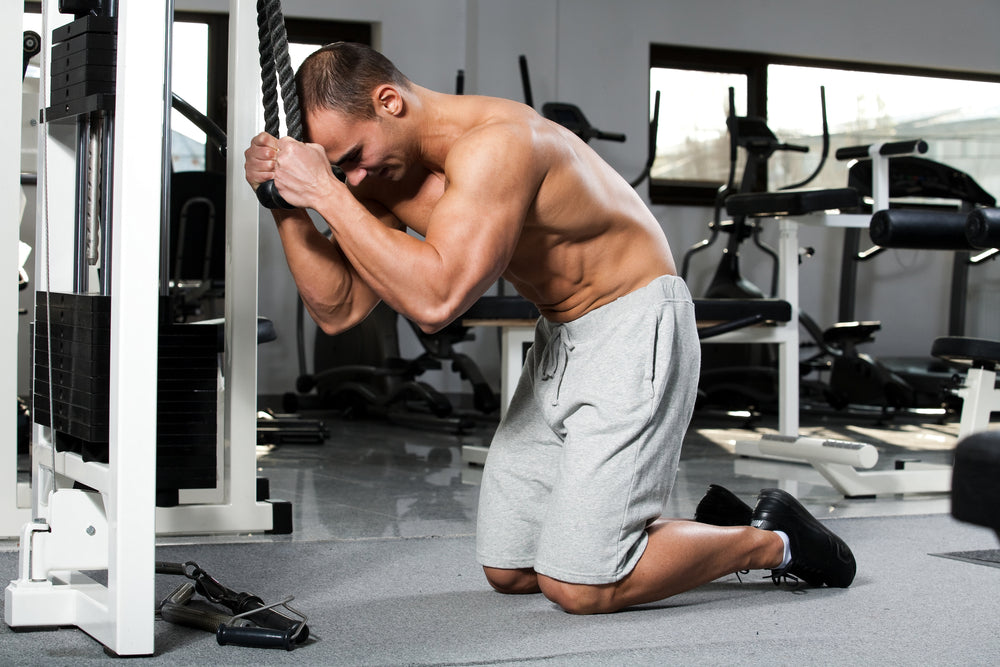
Cable crunches use gym machines for resistance. Kneel in front of the cable pulley with a rope attachment. Pull the rope down while crunching your abs. This exercise builds muscle strength and adds resistance for better results.
Creating A Balanced Ab Workout Routine
Creating a balanced ab workout routine is essential for building core strength without risking injury or burnout. It’s not just about doing endless crunches; it’s about timing, variety, and allowing your body to recover properly. Let’s break down how you can structure your ab workouts to get the best results.
Frequency And Duration
How often should you work your abs? Aim for 3 to 4 sessions per week rather than daily workouts. Your abs are muscles too—they need time to rebuild and grow stronger.
Each session should last between 15 to 30 minutes. Quality beats quantity here; focusing on proper form and controlled movements will bring better results than rushing through exercises. You might start with shorter sessions and gradually increase as your endurance improves.
Combining Strength And Cardio
Strong abs don’t just come from targeted exercises; they require a mix of strength training and cardio. Cardio helps reduce the layer of fat covering your abdominal muscles, making them more visible.
Try pairing your ab exercises with activities like running, cycling, or HIIT workouts. For example, after a 20-minute run, spend 15 minutes on planks, leg raises, and Russian twists. This combo maximizes fat burn and muscle toning simultaneously.
Rest And Recovery
Ever pushed through soreness only to feel weaker the next day? That’s your body telling you to rest. Abs need recovery time just like any other muscle group.
Schedule at least one full rest day between ab workouts. Use this time to stretch or do light activities like walking or yoga to aid muscle repair. Remember, without proper recovery, your routine won’t lead to progress but to fatigue or injury.
Nutrition Tips For Defined Abs
Getting defined abs isn’t just about the exercises you do in the gym; your nutrition plays a huge role too. You can crunch all day, but without the right eating habits, your abs might stay hidden beneath a layer of fat. Paying attention to what and how you eat will help reveal those muscles you’ve worked so hard to build.
Hydration And Diet
Water is your best friend when aiming for defined abs. Staying hydrated helps reduce bloating and flushes out toxins that can make your stomach look puffier than it really is.
Try to drink at least 8 glasses of water daily. If you’re sweating a lot during workouts, increase that amount.
Also, avoid sugary drinks and sodas—they add empty calories that make fat loss harder. Instead, opt for herbal teas or infused water with lemon or cucumber for a refreshing change.
Foods To Include
- Lean Proteins:Chicken breast, turkey, fish, and plant-based proteins like lentils support muscle repair and growth.
- Whole Grains:Brown rice, quinoa, and oats provide sustained energy without causing blood sugar spikes.
- Healthy Fats:Avocados, nuts, seeds, and olive oil help keep you full and support hormone balance.
- Vegetables and Fruits:High in fiber and antioxidants, they aid digestion and reduce inflammation.
When I started adding more lean proteins and veggies to my meals, I noticed my energy stayed stable, and my abs became more visible over time. Are you fueling your body with foods that support your goals?
Foods To Avoid
- Processed Foods:Chips, fast food, and packaged snacks often contain unhealthy fats and excess salt that cause water retention.
- Refined Carbohydrates:White bread, pastries, and sugary cereals can spike insulin and promote fat storage.
- Sugary Beverages:Soft drinks and sweetened juices add calories without filling you up.
- Excessive Alcohol:Alcohol not only adds empty calories but also slows down fat metabolism.
Cutting back on these foods helped me break through plateaus and finally see my abs pop. Which of these might be sabotaging your progress without you realizing it?
Tracking Progress And Setting Goals
Tracking progress and setting goals are essential parts of any effective gym ab workout. Without clear markers, it’s easy to lose sight of how far you’ve come or what you need to improve. By regularly checking your results and adjusting your plan, you keep your efforts focused and your motivation high.
Measuring Results
Start by noting your current abilities—how many reps or sets you can do, and how your abs feel after each session. Take photos or measurements every few weeks to see visible changes. Using a simple journal or a fitness app can help you keep track of these details easily.
Tracking isn’t only about numbers. Pay attention to how your core strength impacts daily tasks, like improving posture or balance. Have you noticed your jeans fitting better or your stomach feeling firmer? These signs are just as important as the stats.
Adjusting Your Routine
If your progress stalls, it’s time to tweak your exercises. Add variety by trying different ab moves or increasing the intensity. For example, if crunches feel easy, try weighted sit-ups or planks with leg lifts.
Listen to your body. If a certain exercise causes discomfort or doesn’t challenge you anymore, change it. Small adjustments can make a big difference in keeping your workouts effective and preventing plateaus.
Staying Motivated
Setting short-term goals helps keep your focus sharp. Aim for something achievable, like holding a plank for 30 seconds longer or adding five more reps this week. Celebrate these wins to boost your confidence.
Find a workout buddy or join a community where you can share your progress and challenges. Accountability often sparks motivation when you feel like skipping a session. What small goal will you set today to push your ab workout forward?
Common Ab Exercise Myths
Many people believe wrong things about ab exercises. These myths can waste time and effort. Understanding the truth helps you train smarter and get better results.
Spot Reduction Myth
Spot reduction means losing fat in one area by exercising it. Many think doing crunches burns belly fat only. Fat loss happens all over the body. You cannot pick where to lose fat. Ab exercises build muscles but do not burn belly fat alone.
High Reps Vs. Low Reps
Some say doing hundreds of reps is best for abs. Others prefer low reps with heavy weight. Both have benefits. High reps improve endurance and tone muscles. Low reps with resistance build muscle strength and size. A mix of both works well for balanced abs.
The Role Of Supplements
Supplements promise faster abs or fat loss. Most do not deliver real results alone. Good nutrition and exercise matter most. Supplements can support health but not replace hard work. Focus on whole foods and consistent training for visible abs.
:max_bytes(150000):strip_icc()/Health-GettyImages-1408670689-bc8ab4a5531a4ea994468dabe1b19052.jpg)
Credit: www.health.com
Frequently Asked Questions
What Are The Best Gym Ab Exercises For Beginners?
Beginner gym ab exercises include planks, crunches, and leg raises. These moves build core strength safely and effectively. Start with 2-3 sets of 10-15 reps. Gradually increase intensity to avoid injury and improve muscle tone over time.
How Often Should I Do Ab Exercises At The Gym?
For optimal results, do ab exercises 3-4 times per week. Allow 48 hours of rest between sessions for muscle recovery. Consistency combined with proper form helps strengthen your core and define abs faster.
Can Gym Ab Exercises Reduce Belly Fat Effectively?
Ab exercises tone muscles but don’t directly burn belly fat. Fat loss requires a calorie deficit through diet and cardio. Combining ab workouts with full-body exercises improves overall fat reduction and core definition.
Which Gym Equipment Is Best For Ab Workouts?
Effective gym equipment includes stability balls, ab rollers, cable machines, and decline benches. These tools add resistance and variety, enhancing muscle engagement. Using equipment properly maximizes ab workout efficiency and results.
Conclusion
Strong abs need regular gym workouts and good form. Choose exercises that work all parts of your core. Keep your movements slow and controlled for best results. Rest between sets to avoid injury and fatigue. Consistency matters more than quick results.
Track your progress and adjust your routine often. A healthy diet supports your fitness goals too. Stay patient and enjoy the process of getting stronger. Your body will thank you for the effort.







