
Are you ready to build a stronger, more defined chest that turns heads? Whether you’re new to the gym or looking to break through a plateau, the right chest exercises can transform your upper body fast.
Imagine feeling more confident every time you look in the mirror or wear your favorite shirt. You’ll discover simple yet powerful moves designed to maximize your chest gains. Keep reading to unlock the secrets that will take your workouts to the next level and help you achieve the chest you’ve always wanted.
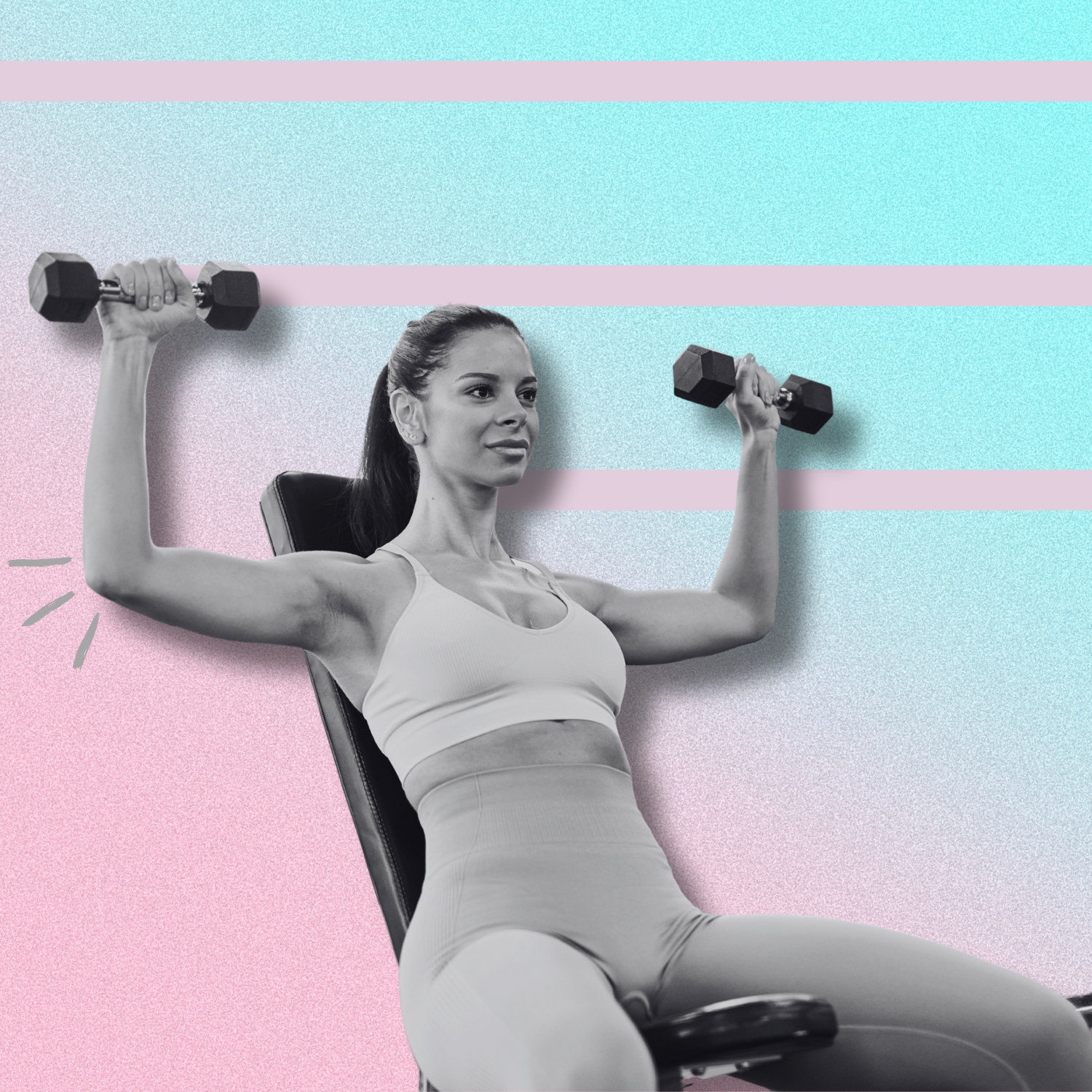
Credit: www.outsideonline.com
Benefits Of Chest Exercises
Focusing on chest exercises at the gym offers more than just a sculpted look. These movements target some of the biggest muscles in your upper body, which can improve your strength and daily function. Whether you’re pushing weights or doing bodyweight exercises, the benefits extend beyond appearance.
Improved Upper Body Strength
Chest exercises build the pectoral muscles, which play a key role in many pushing movements. This increased strength helps you perform everyday tasks like lifting, pushing doors, or carrying heavy bags with ease. When I started focusing on chest workouts, I noticed I could push heavier objects without strain.
Better Posture And Shoulder Stability
Strong chest muscles support your shoulders and upper back, reducing the risk of rounded shoulders and poor posture. This stability lowers the chance of injuries during other activities. Have you ever felt shoulder pain after a workout? Strengthening your chest can help prevent that discomfort.
Enhanced Athletic Performance
Many sports require powerful chest muscles for movements like throwing, swimming, and pushing opponents. Adding chest exercises to your routine can boost your performance in these activities. Think about how much more effective your push-ups or punches become with a stronger chest.
Increased Muscle Definition And Confidence
Regular chest training leads to noticeable muscle definition that boosts your physical appearance. This change often increases self-confidence and motivation to keep training. Have you felt more confident in your clothes after improving your chest muscles?
Support For Other Muscle Groups
Chest workouts often engage the shoulders, triceps, and core, creating a more balanced upper body. This synergy helps you lift heavier weights overall and reduces muscle imbalances. When you strengthen your chest, you naturally support the muscles around it.
Anatomy Of Chest Muscles
Understanding the anatomy of your chest muscles can transform how you approach your workouts. Knowing which muscles you’re targeting helps you choose the right exercises and avoid injury. It also gives you a clearer idea of how your body moves and responds during training.
Pectoralis Major
The pectoralis major is the large, fan-shaped muscle that covers most of your chest. It has two main parts: the clavicular head (upper chest) and the sternal head (middle and lower chest). This muscle controls movements like pushing and lifting, making it the primary focus in most chest workouts.
Have you noticed how bench presses or push-ups hit this muscle the hardest? Focusing on both parts can help you build a fuller chest rather than just a bulky upper area.
Pectoralis Minor
Located underneath the pectoralis major, the pectoralis minor is smaller but crucial. It helps stabilize your shoulder blade and assists in movements that pull your shoulders forward. Ignoring this muscle can lead to poor posture or shoulder discomfort during chest exercises.
Try incorporating movements that activate the pectoralis minor, such as dips or scapular push-ups, to balance your chest development and improve shoulder health.
Serratus Anterior
The serratus anterior lies along the side of your rib cage, just beneath the armpit. It plays a key role in the movement and stability of your shoulder blade, especially when you push or reach forward. Strengthening this muscle supports your chest muscles and prevents common injuries.
Have you ever felt a weakness or sharp pain near your ribs after heavy pressing? That’s often linked to a weak serratus anterior. Exercises like push-up plus or dynamic punches can help you engage and strengthen this important muscle.
Essential Equipment For Chest Workouts
Building a strong chest requires more than just effort; having the right equipment can make a big difference in your workout results. The essential tools for chest exercises help you target muscles effectively and safely. Understanding the role of each piece of equipment can improve how you train and keep your sessions interesting.
Dumbbells
Dumbbells offer great flexibility for your chest workouts. They allow you to work each side of your body independently, which helps fix muscle imbalances.
You can perform exercises like dumbbell presses and flyes that stretch your chest muscles more than machines or barbells. This range of motion can lead to better muscle activation and growth.
Have you noticed how your chest feels when switching from machines to dumbbells? That stretch and control can boost your progress.
Barbells
Barbells are a classic choice for building chest strength and mass. They let you lift heavier weights, which is key for muscle growth.
With exercises like the barbell bench press, you can push yourself safely by having a spotter or using safety racks. This encourages lifting heavier loads.
Think about how challenging it feels to push a heavy barbell compared to dumbbells. That intensity can push your chest muscles to new limits.
Bench Press
The bench press setup is essential for chest workouts, combining stability and a variety of movement angles. Adjustable benches let you target different parts of your chest by changing the incline or decline.
Using a bench with dumbbells or a barbell enhances your workout options and keeps your muscles guessing. This variety prevents plateaus and keeps your training effective.
What angle do you usually use for your presses? Experimenting with incline or decline benches might unlock new chest gains.
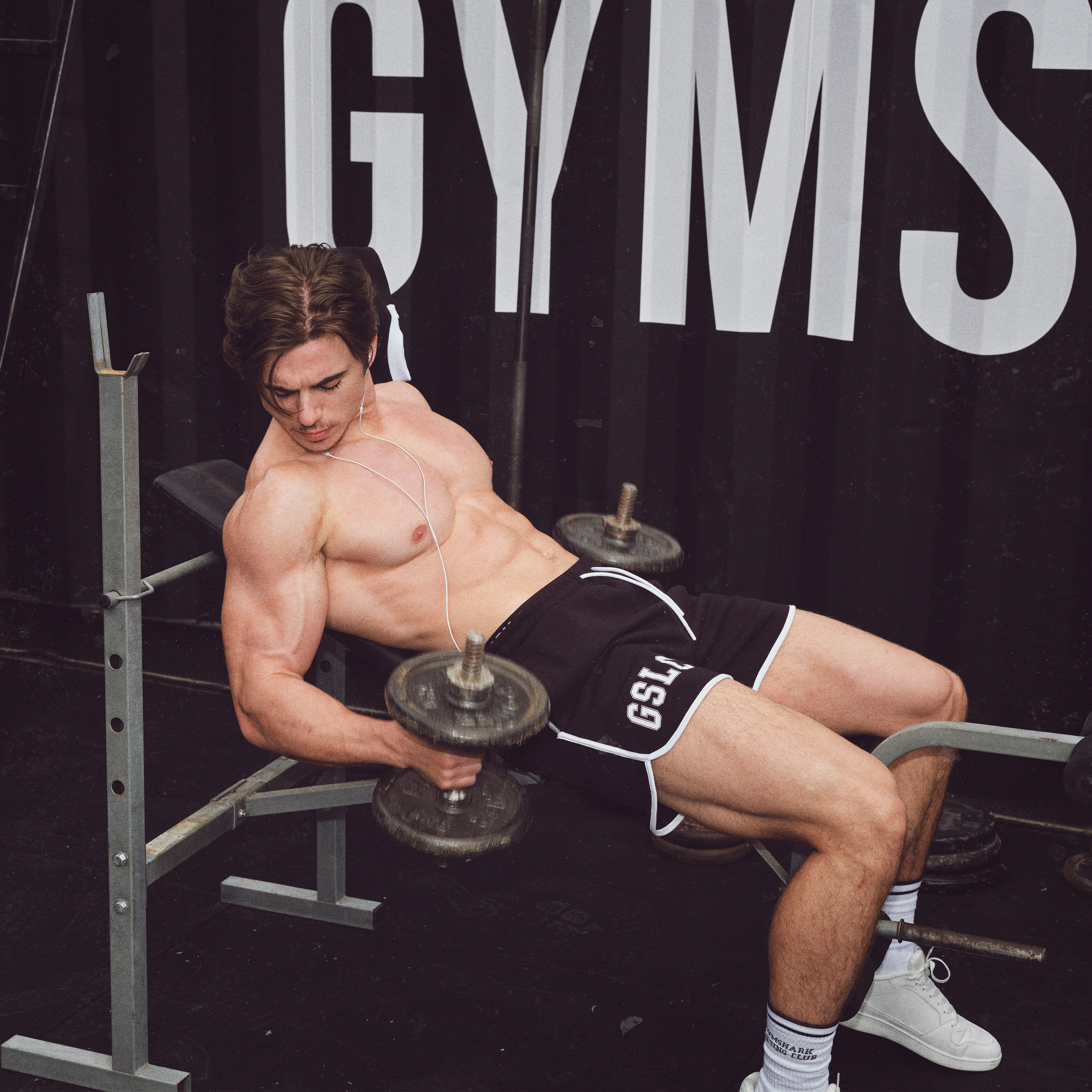
Credit: www.gymshark.com
Best Chest Exercises For Mass
Building chest mass requires focused exercises that target muscle growth. Effective chest exercises stimulate muscle fibers deeply. This leads to increased size and strength over time.
Choosing the right exercises ensures balanced development of the chest muscles. These workouts should challenge the chest from different angles. Consistency and proper form are key to seeing results.
Bench Press Variations
The bench press is a classic chest builder. Variations target different parts of the chest. Flat bench press works the middle chest. Incline bench press focuses on the upper chest. Decline bench press hits the lower chest. Use a barbell or dumbbells for variety. Controlled movements and full range of motion are important.
Incline Dumbbell Press
This exercise targets the upper chest and shoulders. Dumbbells allow a greater range of motion than barbells. Press the weights up while keeping your back on the bench. Lower the dumbbells slowly to stretch the chest muscles. This improves muscle activation and growth.
Chest Flyes
Chest flyes stretch and contract the chest muscles deeply. Use dumbbells or a cable machine for flyes. Keep a slight bend in your elbows. Bring your arms together in a wide arc. This isolates the chest and enhances muscle definition. Avoid heavy weights to maintain good form.
Workout Routines For Different Levels
Chest exercises suit all fitness levels. Each level needs a unique workout plan. These plans build strength safely and effectively. Beginners start with simple moves to learn form. Intermediate exercisers add more weight and reps. Advanced routines focus on muscle growth and endurance. Find the right routine to match your current ability.
Beginner Routines
- Push-ups: Start with wall or knee push-ups.
- Chest Press with Dumbbells: Use light weights.
- Chest Fly with Dumbbells: Focus on slow, controlled movements.
- Incline Push-ups: Hands on a bench or step.
- 3 sets of 8-12 reps per exercise.
Intermediate Routines
- Barbell Bench Press: Moderate weight, focus on form.
- Incline Dumbbell Press: Targets upper chest muscles.
- Cable Chest Fly: Maintain tension throughout the movement.
- Dips: Use body weight or light assistance.
- 4 sets of 10-15 reps per exercise.
Advanced Routines
- Heavy Barbell Bench Press: Increase weight gradually.
- Incline Barbell Press: For upper chest strength.
- Weighted Dips: Add extra weight using a belt.
- Plyometric Push-ups: Build explosive power.
- Superset Chest Fly and Press: Maximize muscle fatigue.
- 5 sets of 8-12 reps per exercise.
Tips For Maximizing Muscle Growth
Maximizing muscle growth during your chest workouts takes more than just lifting weights. It requires attention to detail in how you perform exercises, increase intensity, and recover. Small changes in your approach can lead to significant gains in strength and muscle size.
Proper Form Techniques
Maintaining proper form is key to targeting your chest muscles effectively and avoiding injury. Focus on controlled movements rather than rushing through reps. For example, lowering the bar slowly during a bench press increases muscle tension and stimulates growth.
Keep your shoulders back and avoid flaring your elbows excessively; this protects your joints and ensures the chest muscles are doing the work. Have you noticed how tweaking your grip width can change which part of your chest feels more engaged?
Progressive Overload
Muscles grow when you challenge them beyond their usual capacity. Gradually adding weight, increasing reps, or changing the exercise angle forces your chest to adapt and grow stronger. If you’ve been lifting the same weight for weeks, your progress might stall.
Try tracking your workouts to ensure you’re consistently increasing the challenge. Even adding just 5 pounds to your bench press every couple of weeks can make a huge difference over time.
Rest And Recovery
Muscle growth happens outside the gym when your body repairs itself. Avoid training your chest every day; give it at least 48 hours to recover. Overtraining can lead to fatigue and decreased performance.
Sleep quality is just as important. Aim for 7-9 hours per night to support muscle repair and hormone balance. Have you ever noticed how a good night’s sleep affects your energy and strength during workouts?
Common Mistakes To Avoid
Many gym-goers make common mistakes during chest workouts. These errors can slow progress and cause injury. Avoiding them helps build strength safely and effectively. Pay attention to your body and workout habits for better results.
Overtraining
Training the chest too often leads to fatigue and muscle strain. Muscles need time to recover and grow stronger. Overtraining increases the risk of injury and reduces workout quality. Limit chest exercises to two or three times per week.
Neglecting Warm-up
Skipping warm-up causes tight muscles and poor performance. Warming up increases blood flow and prepares muscles for exercise. Spend five to ten minutes on light cardio and dynamic stretches. This step reduces injury risk and improves workout efficiency.
Ignoring Nutrition
Muscle growth requires proper nutrition and hydration. Skipping meals or poor diet slows recovery and strength gains. Focus on balanced meals with protein, carbs, and healthy fats. Drink enough water before, during, and after workouts to stay energized.
Incorporating Chest Exercises Into Full-body Workouts
Adding chest exercises to your full-body workouts can boost your overall strength and balance. It helps prevent muscle imbalances and keeps your routine fresh. You might wonder how to fit chest training without overloading your schedule or tiring out your upper body too much.
Let’s break down some practical ways to do this effectively.
Choosing The Right Chest Exercises For Full-body Training
Focus on compound movements like push-ups and bench presses. These exercises engage multiple muscle groups, saving you time and energy.
Including variations like incline or decline presses targets different parts of your chest, improving muscle development without adding extra workout days.
Balancing Chest Work With Other Muscle Groups
Avoid training your chest on consecutive days to allow proper recovery. Pair chest exercises with lower body or back workouts to give your muscles time to rebuild.
For example, combine bench presses with squats or deadlifts in the same session. This approach helps maintain workout intensity and supports balanced muscle growth.
Adjusting Volume And Intensity To Fit Your Goals
If your goal is strength, aim for heavier weights and fewer reps during chest exercises. For endurance or muscle tone, choose lighter weights with more repetitions.
Tracking your performance helps you know when to increase weight or reps, making your workouts more effective over time.
Integrating Chest Warm-ups And Cool-downs
Start with light push-ups or band pull-aparts to warm up your chest and shoulders. This reduces injury risk and prepares your muscles for heavier lifts.
After your workout, stretch your chest and shoulders to improve flexibility and aid recovery. Taking just a few minutes can make a big difference in how you feel the next day.
Tracking Progress And Setting Goals
Tracking your progress and setting clear goals are essential parts of any chest exercise routine at the gym. Without measuring how far you’ve come, it’s easy to lose motivation or miss out on important improvements. Setting specific, achievable goals keeps your workouts focused and helps you push your limits safely.
How To Track Your Chest Workout Progress
Start by noting down the weights you lift, the number of reps, and the sets for each chest exercise. Use a workout journal or an app to keep this data organized. Tracking these details allows you to see patterns and recognize when you need to increase resistance or change your routine.
Take progress photos every few weeks. Visual evidence often reveals changes that numbers alone don’t show. You might be surprised how your chest shape improves before you notice strength gains.
Setting Realistic And Measurable Goals
Set goals that are specific and time-bound, like increasing your bench press by 10 pounds in a month. Avoid vague targets such as “get stronger” or “build muscle.” Clear goals help you stay accountable and give you a sense of achievement as you hit each milestone.
Break big goals into smaller steps. For example, if you want to do 20 push-ups, start with 10, then gradually add reps each week. This approach prevents burnout and keeps your progress steady.
Adjusting Your Goals Based On Progress
Review your progress regularly and be honest about what’s working. If you’re consistently hitting your targets, raise the bar to continue challenging yourself. If progress stalls, it might be time to tweak your exercises or rest periods.
Remember, plateaus are normal. Use them as signals to change your strategy rather than reasons to quit. How often do you rethink your workout plan when results slow down?
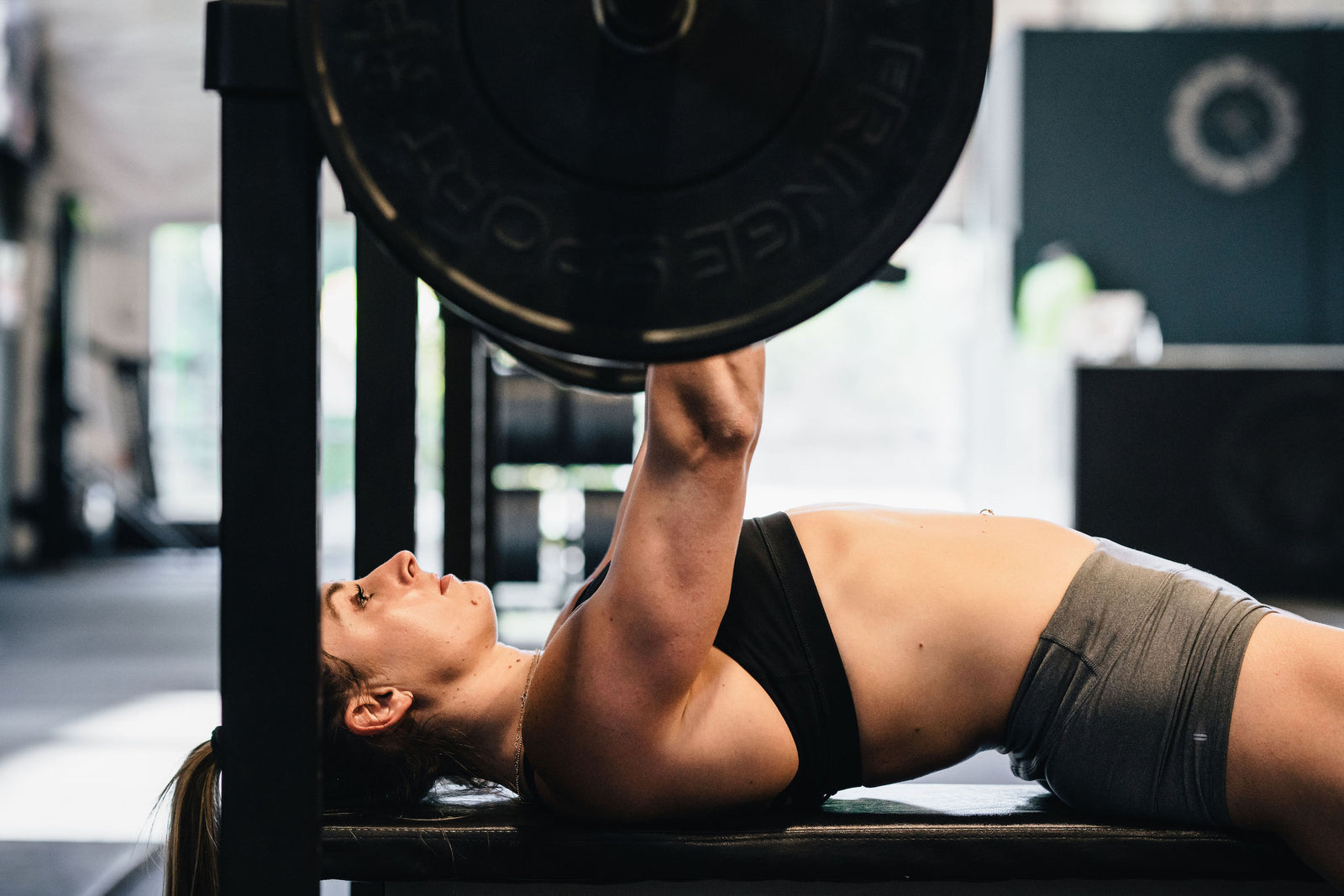
Credit: swolverine.com
Frequently Asked Questions
What Are The Best Chest Exercises In The Gym?
The best chest exercises include bench press, dumbbell flyes, push-ups, and cable crossovers. These target all chest areas effectively for strength and muscle growth.
How Often Should I Train Chest Muscles Weekly?
Training chest muscles 2 to 3 times per week is ideal. This frequency allows for muscle recovery and optimal growth without overtraining.
Can Chest Exercises Improve Posture?
Yes, chest exercises strengthen chest and shoulder muscles, which support better posture. Strong chest muscles reduce slouching and improve upper body alignment.
What Equipment Is Needed For Effective Chest Workouts?
Common chest workout equipment includes barbells, dumbbells, benches, and cable machines. These tools help perform varied exercises for balanced chest development.
Conclusion
Chest exercises build strength and shape your upper body well. Focus on form to avoid injuries and get good results. Mix different workouts to target all chest muscles. Rest and proper nutrition help your muscles grow. Consistency is key; keep going even on slow days.
Your chest will become stronger and look better over time. Stay patient and enjoy the progress you make. Small steps add up to big changes in the gym. Keep pushing forward and stay committed to your goals.







