
Are you ready to take your swimming performance to the next level? The right gym exercises can boost your strength, improve your endurance, and help you swim faster with less effort.
Whether you’re training for a competition or just want to enjoy your time in the pool more, focusing on specific workouts can make all the difference. You’ll discover simple yet powerful exercises designed to build the muscles swimmers rely on most.
Keep reading to unlock the secret to stronger strokes and smoother swims!
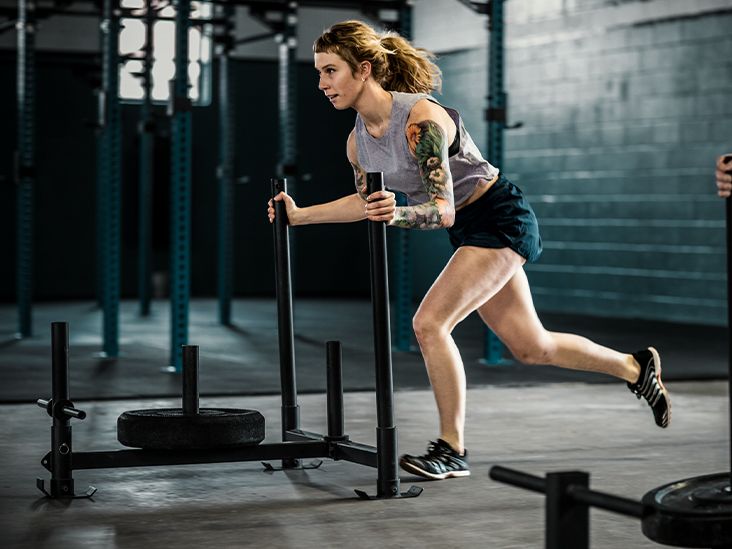
Credit: www.healthline.com
Benefits Of Gym Training For Swimmers
Gym training offers swimmers a powerful edge beyond the pool. It builds strength, improves endurance, and sharpens overall performance. Adding gym exercises to your routine can transform your swimming experience in ways you might not expect.
Improved Muscle Strength And Power
Swimming relies on strong muscles, especially in the shoulders, back, and core. Gym exercises like weightlifting and resistance training target these muscle groups directly.
Stronger muscles help you push harder against the water, increasing your speed and efficiency. Have you noticed how a stronger pull can shave seconds off your lap times?
Enhanced Endurance And Stamina
Endurance is key for longer swims and maintaining technique under fatigue. Cardiovascular workouts and circuit training in the gym boost your stamina.
This means you can swim longer without feeling drained, keeping your form consistent throughout. What if your body could sustain a strong pace with less effort?
Injury Prevention And Better Recovery
Swimmers often face shoulder and joint issues due to repetitive movements. Strengthening stabilizer muscles in the gym reduces the risk of injuries.
Additionally, targeted stretches and mobility exercises help your body recover faster after tough swim sessions. Wouldn’t it be great to swim pain-free season after season?
Increased Flexibility And Range Of Motion
Flexibility plays a huge role in efficient swimming strokes. Gym routines that include dynamic stretches and mobility drills improve your range of motion.
Better flexibility allows for smoother, more powerful strokes. How could improved movement enhance your stroke technique?
Boosted Mental Focus And Discipline
Gym training demands focus and mental toughness. Pushing through challenging workouts builds discipline that carries over to your swim sessions.
This mental edge can help you stay motivated and confident in the pool. How often do you find your gym mindset influencing your swim performance?
Core Exercises
Strong core muscles are essential for swimmers. They help maintain stability in the water, improve stroke efficiency, and reduce the risk of injury. Building a powerful core can give you better control over your body, making every swim stroke more effective.
Plank Variations
Planks are a classic core exercise that target multiple muscle groups at once. Try side planks to engage your obliques or plank with shoulder taps to challenge your balance. These variations keep the exercise fresh and help build endurance in your core.
Holding a plank might seem simple, but have you noticed how your form breaks down after just 30 seconds? That’s a sign your core needs more work. Push yourself to hold longer or add movement for an extra challenge.
Russian Twists
Russian twists focus on your obliques and improve rotational strength, which is crucial for the twisting motion in swimming. Sit on the floor, lean back slightly, and twist your torso side to side while holding a weight or medicine ball.
If you feel strain in your lower back, slow down and control each twist. Quality beats speed here. How much rotation can you achieve without losing form? That control will translate to better swim turns and strokes.
Medicine Ball Slams
Medicine ball slams combine power and core engagement. Lift the ball overhead, then slam it down with force, using your core to generate power from your hips to your shoulders. This explosive movement mimics the dynamic strength swimmers need.
Try doing sets of 10-15 slams, focusing on driving your core hard with each slam. Feel how your abs tighten and your energy builds? That’s the kind of core strength that supports strong swimming performance.
Upper Body Workouts
Upper body strength is crucial for swimmers to enhance their stroke power and improve overall endurance in the water. Focusing on targeted workouts can boost your arm, shoulder, and back muscles, helping you swim faster and with better control. Let’s look at some effective exercises that specifically build the upper body strength swimmers need.
Pull-ups And Chin-ups
Pull-ups and chin-ups are excellent for building the muscles used in pulling through the water, like your lats, biceps, and shoulders. You don’t need any fancy equipment—just a sturdy bar will do. Try to focus on controlled movements, pulling yourself up slowly and lowering down with control to maximize muscle engagement.
Wondering how many reps you should aim for? Start with as many as you can do with good form, even if it’s just a few, and add more over time. These exercises mimic the pulling motion in swimming, so they directly improve your stroke strength.
Lat Pulldowns
Lat pulldowns target the large muscles in your back, which play a key role in your swimming stroke efficiency. If pull-ups feel too challenging at first, lat pulldowns let you control the weight and gradually build strength. Focus on pulling the bar down towards your chest while keeping your shoulders down and back.
Try pairing lat pulldowns with some core work to stabilize your body during swimming. Ask yourself—are you engaging your entire upper body when you swim, or just relying on your arms? Strong lats help distribute the workload and reduce fatigue in your shoulders.
Dumbbell Shoulder Press
The dumbbell shoulder press strengthens your deltoids and triceps, essential for powerful arm recovery during your swim strokes. Use a weight that challenges you but still allows proper form—avoid arching your back or locking your elbows. Press the dumbbells overhead and control the descent to work both the lifting and lowering phases.
Adding this exercise to your routine can prevent shoulder injuries by balancing your muscle strength. Are your shoulders ready to handle the repetitive overhead movements swimming demands? Regular shoulder presses improve stability and endurance for every stroke.
Lower Body Strengthening
Building lower body strength is crucial for swimmers aiming to boost their power in the water. Strong legs help you push off the wall harder, maintain better body position, and increase overall propulsion. Focusing on targeted exercises can make a noticeable difference in your swimming performance.
Squats
Squats are a fantastic way to develop your quads, hamstrings, and glutes—all key muscles for swimmers. Start with bodyweight squats to master the form before adding weights. Keep your chest up and knees tracking over your toes to avoid injury.
Try adding squats to your routine twice a week. You’ll notice improved kick strength and explosive power off the blocks. Have you paid attention to how your legs feel during your swim sprints? Squats can help you push harder and swim faster.
Lunges
Lunges help correct muscle imbalances by working each leg independently. This is important because uneven strength can affect your stroke symmetry and efficiency. Focus on controlled movements and keep your knee aligned with your ankle as you step forward.
You can mix in walking lunges or stationary lunges with dumbbells for added resistance. Lunges not only build strength but improve your balance and coordination, which are essential in the water. How balanced do you feel when you kick on one side?
Leg Press
The leg press machine offers a safe way to load your legs with heavier weights. It targets your quads, glutes, and hamstrings while reducing stress on your lower back. Adjust the seat and foot placement to engage different parts of your legs.
Use the leg press to increase your overall leg power, which translates into stronger push-offs and better endurance. Set realistic weight goals to avoid injury but challenge yourself to improve over time. Are you ready to add more strength behind every kick?
Cardio For Endurance
Building endurance is a key part of swimming success. Cardio exercises help you sustain energy during long swims and improve your overall stamina in the water. By focusing on targeted cardio workouts, you can push your limits and recover faster between sets.
Treadmill Intervals
Running on the treadmill with intervals boosts your cardiovascular capacity quickly. Try alternating between 1-minute sprints and 2-minute jogs. This mix of high and low intensity mimics the bursts of speed and steady pace needed in swimming.
I found that short, intense sprints on the treadmill made my swim sprints feel easier. Can you handle pushing your heart rate up and then recovering without losing pace?
Rowing Machine
The rowing machine is excellent for swimmers because it works both your upper and lower body. It challenges your lungs and muscles simultaneously, much like swimming does. Maintain a steady rhythm and focus on powerful pulls to build endurance and strength together.
When I added rowing to my routine, my breathing control during long swim sets improved noticeably. Have you tried syncing your breathing with movements outside the pool?
Stationary Bike
Cycling on a stationary bike strengthens your legs and enhances your cardiovascular system. Adjust the resistance to simulate uphill climbs, helping you build stamina without impact on your joints. Aim for steady rides lasting 20-40 minutes to boost your aerobic base.
Consistent biking helped me stay strong in the final laps of races. What endurance gains might you see by riding regularly?
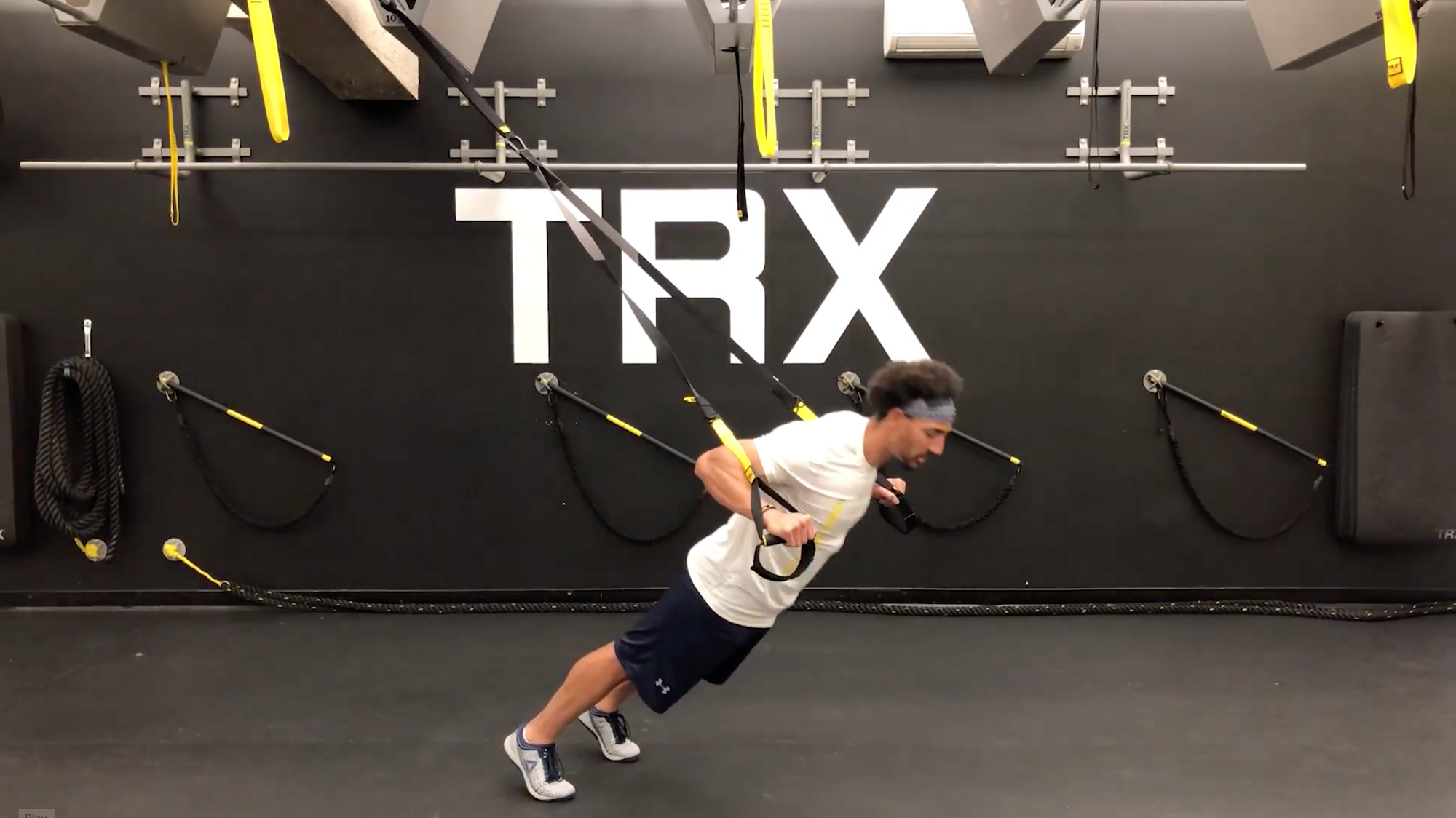
Credit: www.trxtraining.com
Flexibility And Mobility
Flexibility and mobility are essential for swimmers to move freely and reduce injury risks. Good flexibility helps in achieving better stroke techniques and faster turns. Mobility allows joints to move through their full range with ease. Both improve overall swimming performance and comfort in the water.
Dynamic Stretching
Dynamic stretching warms up muscles and joints before swimming. It involves controlled movements that mimic swimming actions. This type of stretching increases blood flow and prepares the body for exercise. Examples include arm circles, leg swings, and torso twists. These movements boost flexibility and reduce muscle stiffness.
Foam Rolling
Foam rolling helps release muscle tightness and improve tissue quality. It targets areas like the shoulders, back, and hips important for swimmers. Rolling increases blood flow and reduces soreness after workouts. Use slow, steady pressure on tight spots to ease tension. Regular foam rolling supports better mobility and faster recovery.
Yoga For Swimmers
Yoga enhances flexibility, balance, and breath control. It stretches muscles gently and strengthens core stability. Poses like downward dog, cobra, and warrior improve swimmer posture. Yoga also helps calm the mind and focus on breathing. This practice supports long-term mobility and injury prevention.
Incorporating Resistance Training
Incorporating resistance training boosts swimmers’ power and endurance. It helps build stronger muscles used during swimming strokes. Resistance exercises also improve joint stability and reduce injury risks. Swimmers gain better control and speed in the water through targeted strength work.
Resistance Bands
Resistance bands add tension during exercises, activating muscles deeply. They are lightweight and easy to carry anywhere. Bands help improve shoulder strength and flexibility. Swimmers can do rows, pull-aparts, and presses with bands. These exercises mimic swimming motions and enhance stroke power.
Weighted Vests
Weighted vests increase body resistance during workouts. Wearing a vest while doing bodyweight exercises builds endurance. It challenges muscles more without extra equipment. Swimmers benefit from stronger legs and core through vest training. Walking, jumping, and push-ups become tougher and more effective.
Cable Machines
Cable machines provide smooth, controlled resistance in many directions. They allow precise muscle targeting with adjustable weights. Swimmers can perform lat pulldowns, face pulls, and woodchoppers. These moves strengthen back, shoulders, and core muscles. Cable training improves stroke mechanics and swimming efficiency.
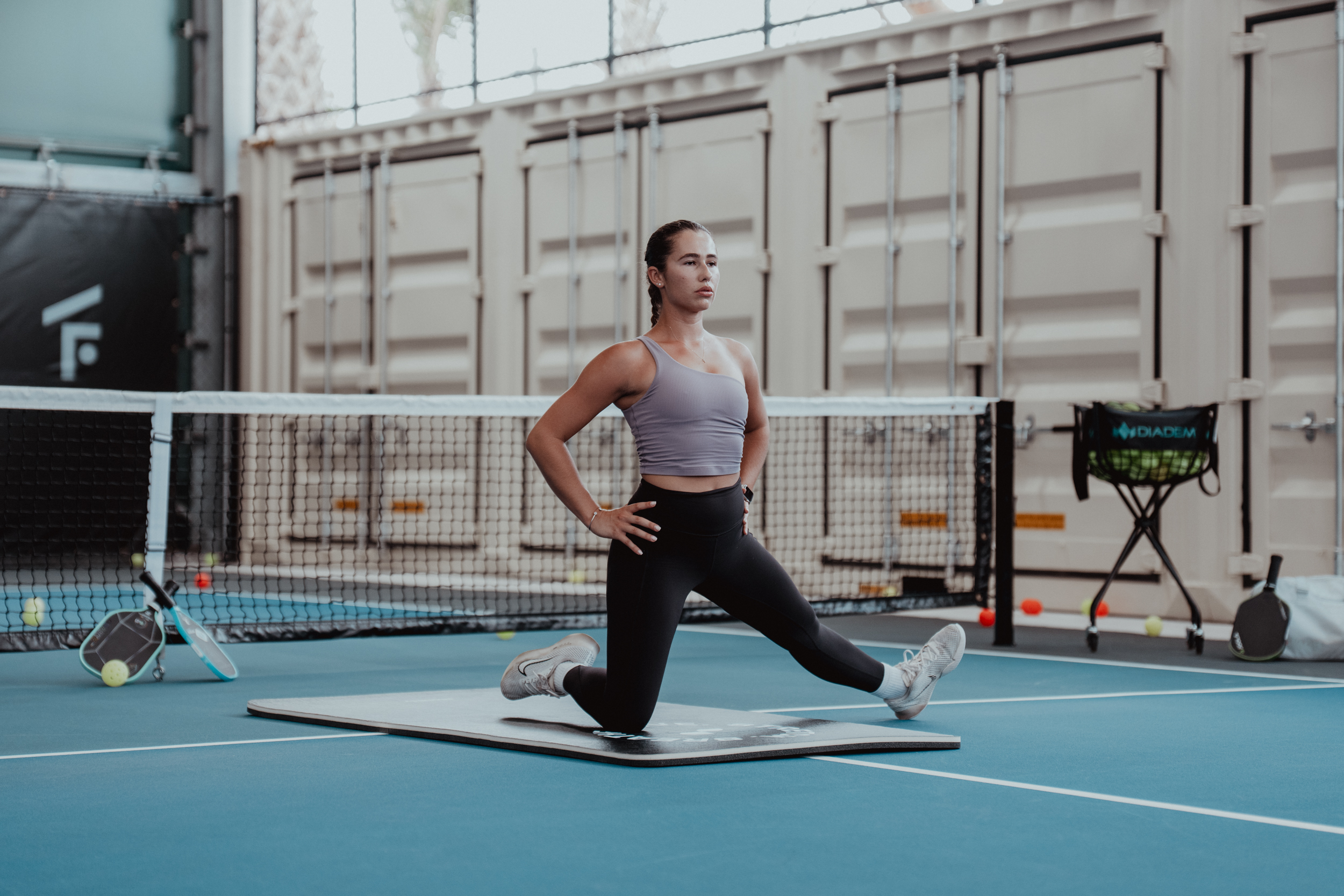
Credit: pliability.com
Recovery And Injury Prevention
Recovery and injury prevention are vital for swimmers to perform well and stay healthy. Proper recovery helps muscles heal and reduces fatigue. Injury prevention keeps you swimming longer and avoids setbacks. Both focus on balancing training and rest.
Effective recovery boosts strength and flexibility. It lowers the risk of strains or joint pain. Injury prevention includes smart training habits and body care. These steps make your workouts safer and more productive.
Cool-down Techniques
Cooling down helps your body adjust after intense swimming. It lowers heart rate and relaxes muscles. Simple activities include slow swimming or gentle stretching.
- Swim easy laps for 5 to 10 minutes.
- Stretch shoulders, back, and legs gently.
- Focus on deep breathing to calm the body.
This routine removes waste products like lactic acid. It reduces muscle stiffness and soreness. Cooling down also improves blood flow to aid healing.
Rest And Sleep Importance
Rest is when your muscles repair and grow stronger. Lack of rest leads to tiredness and poor performance. Sleep is especially important for overall recovery.
- Aim for 7 to 9 hours of sleep nightly.
- Keep a regular sleep schedule.
- Rest between training sessions to avoid overuse.
Good rest supports energy levels and mental focus. It helps prevent injuries caused by fatigue or poor form.
Injury Prevention Tips
Preventing injuries is key to long-term swimming success. Use proper technique to reduce strain on joints and muscles.
- Warm up before workouts to prepare your body.
- Use cross-training exercises to build balanced strength.
- Listen to your body and avoid pushing through pain.
- Wear appropriate swim gear to support your body.
- Stay hydrated to keep muscles flexible.
Regular check-ins with a coach or therapist can catch issues early. Early care means faster recovery and less time off.
Frequently Asked Questions
What Are The Best Gym Exercises For Swimmers?
The best gym exercises for swimmers focus on strength, endurance, and flexibility. Key moves include pull-ups, lat pulldowns, planks, and squats. These exercises improve swimming power, core stability, and overall performance in the water.
How Does Weight Training Benefit Swimmers?
Weight training builds muscle strength and power, essential for swimming speed. It also enhances endurance and reduces injury risk. Swimmers gain improved stroke efficiency and better overall body control through targeted resistance exercises.
Which Gym Workouts Improve Swimming Endurance?
Endurance workouts like circuit training, rowing, and high-rep resistance exercises help swimmers. These workouts increase cardiovascular fitness and muscular stamina, allowing swimmers to maintain speed and technique during long-distance swims.
Can Gym Exercises Prevent Swimming Injuries?
Yes, gym exercises strengthen muscles and joints, reducing injury risk. Core strengthening and mobility work improve posture and stroke mechanics. This leads to fewer overuse injuries and better overall swimming health.
Conclusion
Building strength in the gym helps swimmers perform better in the water. Exercises like squats, pull-ups, and core work improve endurance and speed. Strong muscles reduce injury risk and support good technique. Regular gym workouts complement swim training well. Focus on balanced routines that target all major muscle groups.
Consistency matters more than intensity for steady progress. Small, steady steps lead to big improvements. Keep moving, stay dedicated, and enjoy the swim journey.







