
Are you ready to start losing weight but unsure where to begin at the gym? You’re not alone.
Many beginners feel overwhelmed by all the machines and exercises. The good news is, losing weight doesn’t have to be complicated. With the right gym exercises, you can burn fat, build strength, and feel confident in your body. This guide will show you simple and effective workouts designed just for beginners like you.
Keep reading, and you’ll discover how easy it can be to take the first step toward a healthier, fitter you.

Credit: www.womenshealthmag.com
Benefits Of Gym Exercise For Weight Loss
Gym exercise offers many benefits for those who want to lose weight. It helps burn calories and improves overall health. Exercising at the gym also builds muscle, which boosts metabolism. This means your body burns more calories even at rest. Regular gym workouts can make weight loss easier and more effective.
Improves Metabolism
Exercise increases your metabolic rate. This means your body uses more energy throughout the day. A higher metabolism helps you lose weight faster. Strength training at the gym builds muscle, which also raises metabolism.
Burns Calories Efficiently
Gym workouts, such as cardio and circuit training, burn many calories. Burning more calories than you eat leads to weight loss. Gym machines help you work out different muscle groups effectively.
Builds Lean Muscle Mass
Muscle weighs more than fat but takes less space. Building lean muscle makes your body look toned. Muscle tissue burns more calories, even when you rest. Strength training exercises help increase muscle mass.
Boosts Energy Levels
Regular gym exercise increases stamina and energy. Feeling more energetic helps you stay active all day. Higher energy means you can exercise longer and burn more calories.
Supports Mental Health
Exercise releases endorphins that improve mood. A better mood reduces stress and emotional eating. Gym workouts create a healthy routine and boost confidence.
Offers Structured Routine
Going to the gym provides a set schedule. A routine helps maintain consistency in exercise. Consistency is key to successful weight loss.
Setting Realistic Fitness Goals
Setting realistic fitness goals is key to staying motivated and seeing progress. Goals give your workouts a clear purpose. They help you track success and celebrate small wins. Unrealistic goals cause frustration and can lead to giving up. Start with simple, achievable targets that fit your lifestyle and current fitness level. Adjust as you improve to keep challenging yourself.
Define Clear And Specific Goals
Be clear about what you want to achieve. Instead of vague goals like “lose weight,” aim for specific ones such as “lose 5 pounds in one month.” Specific goals provide focus and direction. Write them down and review regularly to stay on track.
Set Measurable Targets
Track your progress with numbers or milestones. Use tools like a scale, measuring tape, or fitness apps. Measurable goals make it easier to see improvements. This keeps motivation high and helps adjust your plan if needed.
Create Achievable Milestones
Break big goals into smaller steps. For example, start with exercising three times a week. Small milestones build confidence and make the journey less overwhelming. Celebrate each step to stay encouraged.
Make Time-bound Plans
Give your goals a deadline. A time frame adds urgency and helps plan your workouts. Avoid setting too short or too long periods. Balance is important to keep steady progress without stress.
Focus On Habits, Not Just Results
Good habits lead to lasting change. Aim to build routines like drinking more water or walking daily. Habits support your bigger goals and improve overall health. Consistency matters more than perfection.
Choosing The Right Workout Plan
Choosing the right workout plan is key to losing weight at the gym. A good plan fits your fitness level and goals. It keeps you motivated and reduces the chance of injury. Beginners need simple, clear routines that build strength and burn calories. The right plan balances cardio and strength training for best results.
Start with a plan that feels doable. It should challenge you without causing burnout. Consistency matters more than intensity at first. You will see better progress by sticking to a steady routine. Keep track of your workouts and adjust as your fitness grows.
Assess Your Current Fitness Level
Know your starting point before choosing exercises. Check your stamina, strength, and flexibility. This helps select workouts that match your ability. Avoid plans that are too hard or too easy.
Set Realistic Weight Loss Goals
Define clear, achievable goals for your weight loss journey. Break big goals into smaller milestones. This keeps you motivated and focused. Track progress regularly to stay on track.
Include Both Cardio And Strength Training
Cardio burns calories and improves heart health. Strength training builds muscle and boosts metabolism. A mix of both helps lose weight faster. Plan workouts with balance and variety.
Choose Workouts You Enjoy
Enjoyment helps you stay consistent with exercise. Pick activities that make you feel good. Experiment with different classes or machines. Fun workouts become habits easier.
Plan Your Workout Schedule
Decide how many days you can exercise weekly. Even 3 days a week can make a difference. Space workouts to allow muscle recovery. Consistency beats intensity in the long run.

Credit: www.beautybites.org
Cardio Workouts For Fat Loss
Cardio workouts burn calories fast and help reduce body fat. They improve heart health and boost energy. Regular cardio sessions make weight loss easier and more effective.
Start slow and increase intensity as your fitness grows. Focus on exercises that raise your heart rate and keep it steady for 20-30 minutes or more. Here are some beginner-friendly cardio workouts to try at the gym.
Treadmill Routines
The treadmill is a simple tool for fat loss. Walking or jogging on it raises your heart rate. Begin with a warm-up walk at a slow pace for 5 minutes. Increase speed to a comfortable jog or brisk walk.
- Try intervals: alternate 1 minute of jogging with 2 minutes of walking.
- Keep your posture straight and breathe deeply.
- Set a goal to work out for 20 to 30 minutes.
This routine improves endurance and burns fat effectively.
Cycling Sessions
Stationary bikes offer a low-impact cardio option. Pedaling boosts calorie burn and tones leg muscles. Adjust the resistance to make cycling harder or easier.
- Start with 5 minutes at low resistance to warm up.
- Increase resistance for 2 minutes, then lower it for 3 minutes.
- Repeat this cycle for 20 to 30 minutes.
Cycling helps build stamina and supports steady fat loss.
Jump Rope Techniques
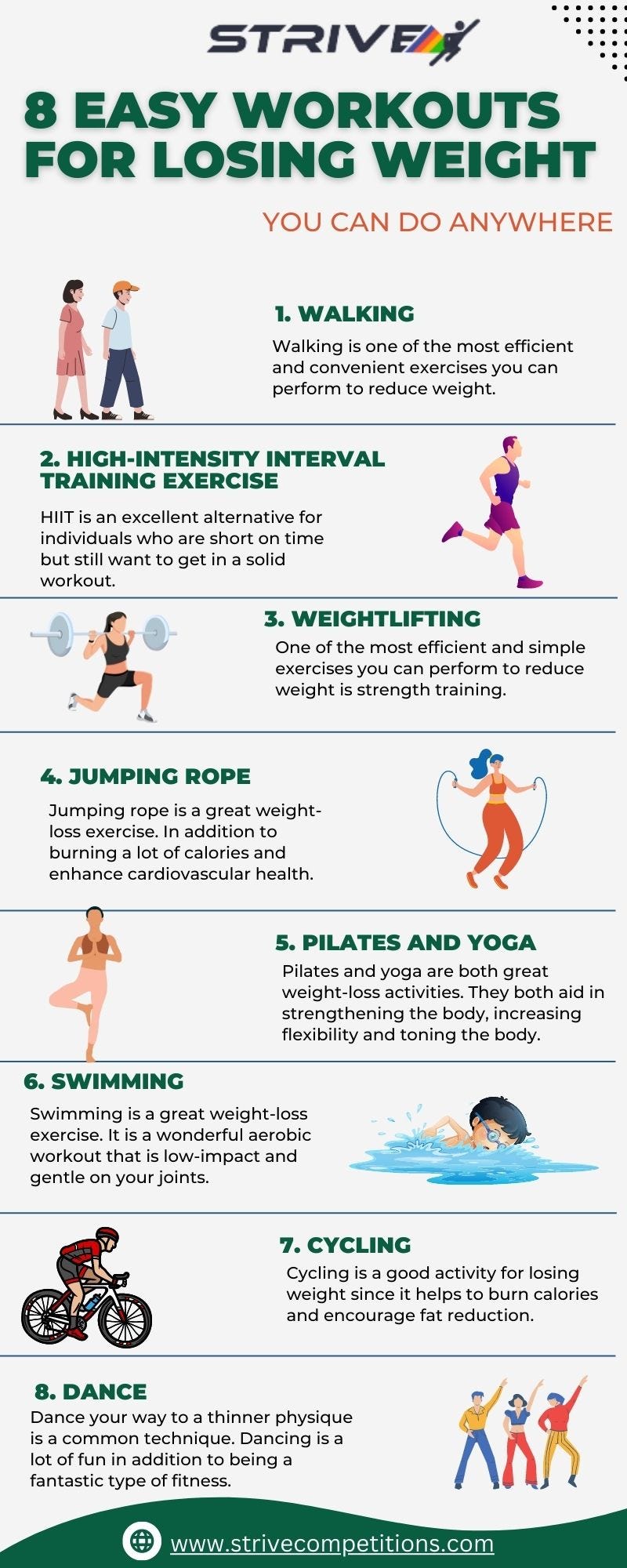
Jumping rope is a fun, high-intensity cardio exercise. It burns many calories quickly and improves coordination. Beginners should start slowly to avoid injury.
- Begin with 30 seconds of jumping, then rest for 30 seconds.
- Use short, controlled jumps to stay balanced.
- Gradually increase jump time as you improve.
This exercise is excellent for quick fat burning and full-body fitness.
Strength Training Essentials
Strength training builds muscle and boosts metabolism. It helps burn more calories even at rest. Beginners can start with simple exercises and light weights. Consistency and good form matter most. Strength training supports weight loss by shaping your body and increasing strength.
Basic Weightlifting Tips
Choose light weights to start. Focus on form to avoid injury. Breathe out while lifting and breathe in when lowering. Perform slow, controlled movements. Rest for about 60 seconds between sets. Work all major muscle groups evenly. Aim for 2-3 sessions per week. Track your progress to stay motivated.
Bodyweight Exercises
No equipment needed. Use your body weight as resistance. Try squats, push-ups, lunges, and planks. These exercises improve strength and balance. Perform 2-3 sets of 10-15 repetitions. Modify exercises to match your fitness level. Increase difficulty gradually by adding more reps or sets.
Resistance Bands Workouts
Resistance bands are light and portable. They offer varied resistance for muscle growth. Use bands for rows, chest presses, and leg lifts. Bands improve muscle tone and flexibility. Perform exercises slowly and with control. Start with light resistance and increase as you get stronger. Include bands in your routine 2-3 times a week.
Incorporating Flexibility And Balance
Incorporating flexibility and balance exercises helps improve overall fitness and supports weight loss efforts. These exercises reduce muscle stiffness and improve coordination. They also lower injury risks during workouts. Beginners should include these activities to build a strong foundation.
Flexibility and balance exercises promote better posture and body awareness. This helps burn calories more efficiently. They also enhance movement flow, making other gym exercises easier and safer.
Yoga For Beginners
Yoga improves flexibility by stretching muscles gently. It also strengthens the core, which aids balance. Many beginner yoga poses focus on slow, controlled movements. These moves help calm the mind and body.
Practicing yoga regularly can increase joint mobility. It also reduces muscle tension after cardio or weight training. Yoga helps beginners learn proper breathing techniques. This improves stamina and focus during workouts.
Pilates Basics
Pilates focuses on core strength and body control. It improves posture and builds balanced muscle tone. Beginners start with simple mat exercises that are easy to follow.
Pilates movements emphasize slow, precise actions. This trains the body to move more efficiently. Pilates also enhances balance by strengthening deep stabilizing muscles. Consistent practice supports weight loss by improving muscle function.
Creating A Balanced Workout Schedule
Creating a balanced workout schedule is key to losing weight effectively and staying motivated. It helps you avoid burnout and injuries while making steady progress. You want to build a routine that fits your lifestyle and challenges your body in the right way.
Mix Cardio And Strength Training
Cardio exercises burn calories quickly, while strength training builds muscle that boosts your metabolism. Try to include both types in your weekly plan. For example, you could do 30 minutes of brisk walking or cycling three days a week, and strength exercises like bodyweight squats or dumbbell lifts two days a week.
Have you noticed how adding strength training helped you feel stronger and more energetic? It’s a common experience because muscles use more energy even when you’re resting.
Schedule Rest Days
Rest days are often overlooked but essential for recovery and weight loss. Your muscles need time to heal and grow stronger after workouts. Without rest, you risk getting injured or feeling too tired to keep going.
Plan at least one or two rest days each week. On these days, focus on light activities like stretching or gentle walking to keep your body moving without strain.
Keep Your Workouts Varied
Doing the same exercises every day can lead to boredom and plateaus in weight loss. Changing your routine keeps your body guessing and improves overall fitness. Try alternating between different cardio machines, switching up your strength moves, or joining group classes.
Have you ever hit a point where your progress slowed down? Mixing things up can reignite your motivation and push your results forward.
Set Realistic Time Goals
Don’t overwhelm yourself with long workouts right away. Start with manageable sessions, like 20 to 30 minutes, then gradually increase as your fitness improves. Consistency matters more than intensity at first.
Think about your daily schedule. When can you fit in exercise without stress? Sticking to a realistic plan helps you build a lasting habit.
Credit: www.elenaspringub.de
Nutrition Tips For Beginners
Nutrition plays a crucial role in your weight loss journey, especially when you are new to gym workouts. What you eat can either boost your progress or hold you back. Understanding basic nutrition helps you fuel your body correctly and recover faster.
Balanced Diet Basics
Your body needs a mix of nutrients to function well and lose weight effectively. Focus on eating a variety of foods from all the main groups:
- Proteins:Chicken, fish, beans, and eggs help build and repair muscles.
- Carbohydrates:Whole grains, fruits, and vegetables give you energy for workouts.
- Fats:Healthy fats from nuts, seeds, and avocados support overall health.
Try to avoid processed foods high in sugar and unhealthy fats. Have you noticed how eating whole foods makes you feel more energetic during your workouts?
Pre And Post-workout Nutrition
Eating at the right times can improve your performance and recovery. Before your workout, choose a snack with carbs and a bit of protein to fuel your muscles. A banana with peanut butter or yogurt with fruit works well.
After exercising, your body needs protein to repair muscles and carbs to replenish energy. Try a meal like grilled chicken with brown rice and vegetables or a smoothie with protein powder and berries.
Drinking water before, during, and after your workout is just as important. How often do you hydrate around your exercise sessions?
Tracking Progress Effectively
Tracking your progress is key to staying motivated and seeing real results in your weight loss journey at the gym. Without clear tracking, it’s easy to lose sight of how far you’ve come or where you need to improve. Let’s talk about practical ways to monitor your progress effectively so you stay on course and celebrate every win.
Setting Clear, Measurable Goals
You need goals that are specific and easy to track. Instead of saying, “I want to lose weight,” try “I want to lose 5 pounds in 4 weeks.”
Clear goals give you a target to aim for and a way to measure success. Write them down and review them weekly to stay focused.
Keeping A Workout Journal
Logging your workouts helps you spot patterns and improvements. Record exercises, weights, reps, and how you feel after each session.
This simple habit helped me notice when I was pushing too hard or not enough. Seeing progress on paper made me more confident and consistent.
Using Technology To Your Advantage
Apps and fitness trackers provide real-time data on your workouts, heart rate, and calories burned. They also remind you to stay active and hydrated.
Choose one that fits your style and use it daily. The visual progress charts can turn small improvements into big motivation boosts.
Tracking More Than Just The Scale
Weight can fluctuate for many reasons, so don’t rely on it alone. Measure your waist, hips, and body fat percentage if possible.
Notice how your clothes fit and how much energy you have. These signs often tell a better story of your progress than the scale.
Regularly Reviewing And Adjusting Your Plan
Set a weekly or bi-weekly time to review your data and ask yourself: Are your workouts challenging enough? Is your diet supporting your goals?
Adjust your routine based on what the numbers and your feelings tell you. This keeps your plan fresh and effective.
Staying Motivated On Your Fitness Journey
Staying motivated during your fitness journey can feel like the biggest challenge, especially when results seem slow or workouts become repetitive. The key is to keep your enthusiasm alive by creating a support system and celebrating every milestone. Motivation isn’t just about willpower; it’s about making your workout routine enjoyable and rewarding.
Finding A Workout Buddy
Having someone to exercise with can change your entire mindset. A workout buddy holds you accountable and makes gym sessions more fun. When I started going to the gym, pairing up with a friend turned boring treadmill runs into lively chats, which made me look forward to workouts.
Choose a buddy who matches your fitness level and goals. You can share tips, encourage each other, and push each other to try new exercises. If you don’t have a friend nearby, consider joining group classes or online communities to find like-minded people.
Rewarding Your Achievements
Setting small, clear goals and rewarding yourself when you meet them keeps your motivation high. These rewards don’t have to be big or expensive—think of a relaxing massage, a new workout outfit, or even a cheat meal. When I hit my first 10-pound weight loss, I treated myself to a movie night, and it felt like a real celebration of my progress.
Write down your goals and the rewards you plan to give yourself. This creates a visible reminder of what you’re working toward and what’s waiting for you at the finish line. How will you celebrate the next milestone in your fitness journey?
Frequently Asked Questions
What Are The Best Gym Exercises For Beginner Weight Loss?
Beginners should start with cardio like treadmill walking and cycling. Combine with bodyweight exercises such as squats and lunges. These burn calories and improve endurance. Gradually increase intensity for effective weight loss.
How Often Should Beginners Work Out To Lose Weight?
Aim for at least 3 to 5 sessions per week. Each session should last 30 to 60 minutes. Consistency helps boost metabolism and burn fat. Rest days are essential for muscle recovery and injury prevention.
Can Beginners Lose Weight Using Gym Machines Alone?
Yes, gym machines like ellipticals and rowing machines effectively burn calories. They provide controlled, low-impact workouts ideal for beginners. Combining machines with strength training enhances fat loss and muscle tone.
Should Beginners Focus More On Cardio Or Strength Training?
Beginners should prioritize cardio for initial fat burning. Adding strength training builds muscle, increasing metabolism long-term. A balanced workout plan combining both yields the best weight loss results.
Conclusion
Starting gym exercises can help you lose weight step by step. Choose simple workouts and stay consistent every day. Small efforts bring big changes over time. Eat healthy and drink enough water to support your body. Track your progress to stay motivated and focused.
Remember, patience and regular exercise lead to real results. Keep going, and enjoy the journey to a healthier you.







