
Are you ready to strengthen your core and see real results at the gym? Your core is the foundation for almost every movement you make—whether you’re lifting weights, running, or just going about your day.
Focusing on the right core exercises can improve your balance, reduce pain, and boost your overall performance. You’ll discover simple yet powerful core workouts that fit perfectly into your gym routine. Keep reading to learn how to build a stronger, more stable core that supports everything you do.
Benefits Of A Strong Core
A strong core supports the entire body. It plays a key role in daily activities and workouts. Building core strength helps with balance, posture, and overall movement. It also reduces the risk of injuries and improves athletic performance.
Improved Posture And Balance
Core muscles keep the spine stable and aligned. Good posture reduces strain on the back and neck. It helps you stand and sit comfortably for longer. Better balance lowers the chance of falling during sports or daily tasks.
Enhanced Athletic Performance
A strong core increases power and agility. It helps transfer energy efficiently from the lower to the upper body. This boosts performance in running, jumping, and lifting. Core strength supports quick changes in direction.
Reduced Risk Of Injury
Strong core muscles protect the spine and joints. They absorb shocks and reduce pressure on the body. This lowers the chance of strains and sprains. A stable core helps avoid lower back pain.
Better Everyday Function
Core strength makes daily tasks easier. It supports movements like bending, twisting, and lifting. Carrying groceries or playing with kids feels less tiring. A strong core improves overall body control and endurance.
Credit: swolverine.com
Essential Core Muscles
Your core muscles are the foundation of nearly every movement you make, especially during workouts at the gym. Understanding the essential muscles involved helps you target them effectively and avoid injury. These muscles work together to stabilize your body and generate strength.
Abdominals
The abdominals are often the first muscles people think of when talking about the core. They include the rectus abdominis, which gives you the “six-pack” look, and the transverse abdominis, a deeper muscle that acts like a natural weight belt. Strengthening your abs improves posture and helps you perform exercises like squats and deadlifts with better form.
Have you noticed how a strong core makes lifting heavy weights easier? That’s your abs working hard to keep your spine stable.
Obliques
The obliques run along the sides of your abdomen and assist in twisting and bending motions. They are crucial for rotational movements and help prevent injuries when you change direction quickly. Training your obliques with exercises like Russian twists or side planks adds balance to your core strength.
Think about how many times you twist your torso during daily activities or sports. Ignoring the obliques means missing out on a major part of core stability.
Lower Back
The lower back muscles support your spine and work opposite the abdominals to maintain balance. Weak lower back muscles can lead to poor posture and chronic pain, especially if you spend a lot of time sitting. Strengthening this area with exercises like back extensions or bird dogs can protect your spine and improve overall core function.
Have you ever felt lower back discomfort after a workout? Strengthening these muscles can often help reduce that problem.
Hip Flexors
Hip flexors connect your lower spine to your thighs and play a key role in lifting your legs and bending at the hips. Tight or weak hip flexors can limit your range of motion and affect your core’s stability. Including hip flexor stretches and strengthening moves like leg raises can improve your core’s performance and reduce injury risk.
When was the last time you focused on your hip flexors? They’re often overlooked but essential for a strong, balanced core.
Plank Variations
Plank variations are a powerful way to challenge your core beyond the basic hold. They engage different muscles, improve stability, and keep your workouts fresh. Trying different plank styles can help you discover which moves activate your muscles best and prevent workout boredom.
Forearm Plank
The forearm plank is a classic core exercise that targets your abs, back, and shoulders. Keep your elbows directly under your shoulders and your body in a straight line from head to heels. If you feel your hips sagging, it means your core isn’t fully engaged—try tightening your abs to hold better.
Hold the position for 20 to 60 seconds, depending on your fitness level. Adding a timer can turn this into a fun challenge. Have you noticed how your breathing changes during the hold? Focusing on steady breaths helps maintain your form and calm your mind.
Side Plank
The side plank hits your obliques, the muscles along your waist, which many people overlook. Prop yourself up on one forearm, stack your feet, and lift your hips so your body forms a straight line. This position improves balance and strengthens your side core, which is essential for twisting and bending movements.
Try holding for 30 seconds on each side and increase the time as you get stronger. You can also raise your top arm or leg for an extra challenge. Think about how strong your body feels when both sides are equally balanced—are you paying enough attention to your weaker side?
Plank With Leg Lift
This variation adds a dynamic element by lifting one leg while holding a plank. It forces your core to stabilize more intensely and works your glutes and hamstrings. Start in a forearm or high plank, then slowly lift one leg a few inches off the ground, keeping your body steady.
Hold the leg up for a few seconds before switching sides. This move teaches you to control your body and prevents common plank mistakes like dipping hips or swaying. How does lifting your leg change the way your core feels compared to a regular plank?
Credit: www.gymshark.com
Crunch Techniques
Crunch exercises are a staple for anyone serious about strengthening their core. They target the abdominal muscles directly, helping to build definition and improve overall stability. But not all crunches are created equal—different techniques engage your muscles in unique ways, offering varied benefits and challenges.
Standard Crunch
The standard crunch is a simple yet effective move that focuses on the upper abs. Lie on your back with knees bent and feet flat on the floor. Lift your shoulders toward the ceiling using your abdominal muscles, then slowly lower back down.
Keep your hands behind your head without pulling on your neck—that’s a common mistake that can cause strain. Feel the contraction in your abs with each lift. Try to control the movement rather than rushing through it.
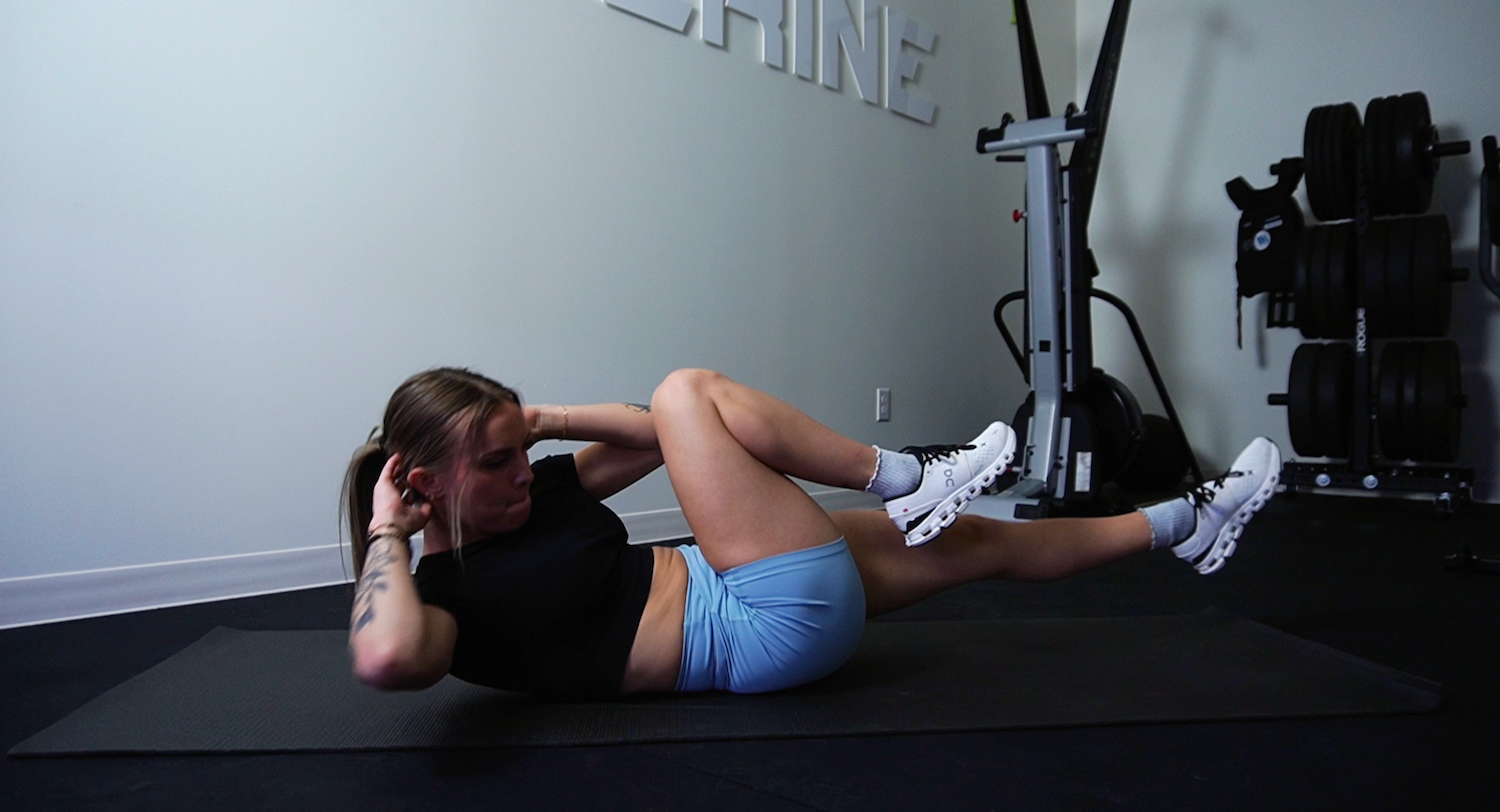
Bicycle Crunch
This variation adds a twist to engage the obliques along with the upper and lower abs. Lie on your back, bring your knees toward your chest, and lift your shoulder blades off the floor. Now, rotate your torso to bring your right elbow toward your left knee while extending the right leg.
Switch sides in a smooth, pedaling motion, like riding a bike. You’ll notice how this move challenges your coordination and balance while firing up multiple core muscles. If you feel strain in your neck, focus on using your abs to lift instead of pulling with your hands.
Reverse Crunch
Reverse crunches shift the focus to your lower abs, an area many find tough to target. Lie flat on your back with your hands by your sides. Lift your knees toward your chest, curling your hips off the floor as you engage your lower abdominal muscles.
Lower your legs slowly without letting your feet touch the ground to maintain tension. This move requires control and focus, so take your time. Have you noticed how targeting lower abs feels different? That’s because this exercise recruits muscles that standard crunches often miss.
Dynamic Core Exercises
Dynamic core exercises challenge your abdominal muscles through movement, not just static holds. They improve stability, coordination, and functional strength, which you’ll notice in everyday activities and sports. Adding these exercises to your gym routine keeps your workouts fresh and your core engaged in new ways.
Russian Twists
Russian Twists target your obliques and help improve rotational strength. Sit on the floor with your knees bent, lean back slightly, and twist your torso side to side while holding a weight or medicine ball. Try to keep your core tight and movements controlled; this will maximize engagement and reduce the risk of injury.
Have you noticed how twisting motions in sports or chores become easier after doing this? That’s your core getting stronger with every twist.
Medicine Ball Slams
Medicine Ball Slams combine power and core activation. Lift the ball overhead, then slam it forcefully onto the ground while engaging your abs. This explosive movement not only targets your core but also works your shoulders and back.
It’s a satisfying exercise that lets you release tension while building strength. Plus, the intensity helps burn calories quickly—perfect for those short but effective gym sessions.
Mountain Climbers
Mountain Climbers boost your core stability and cardiovascular fitness simultaneously. Get into a plank position and alternate driving your knees toward your chest quickly. This exercise trains your abs, hip flexors, and shoulders all at once.
Do you find your core shaking during this move? That’s your muscles working hard to keep you stable. Challenge yourself to increase speed or duration as your strength improves.
Credit: steelsupplements.com
Stability Ball Workouts
Stability ball workouts challenge your core muscles in a dynamic way. They improve balance, strength, and coordination. Using the ball creates instability, forcing your body to engage more muscles. These exercises help build a strong and stable core.
Ball Pass
Lie on your back holding the stability ball between your feet. Lift your legs and arms at the same time. Pass the ball from your feet to your hands. Lower both arms and legs slowly. Repeat the movement to work your abs and hip flexors.
Stability Ball Rollout
Kneel on the floor with the ball in front of you. Place your hands on the ball and slowly roll it forward. Keep your core tight and back straight. Roll out as far as you can without losing control. Use your abs to pull the ball back to start.
Ball Plank
Place your forearms on the stability ball and extend your legs behind you. Keep your body in a straight line from head to heels. Hold this position, engaging your core muscles. The unstable surface forces your abs and shoulders to work harder.
Pilates Moves For Core Strength
Pilates is a powerful way to build core strength while improving your overall body control. The moves focus on precise, controlled motions that engage deep abdominal muscles you might not hit with regular workouts. Adding these Pilates moves to your gym routine can help you develop a strong, stable core that supports everything from lifting weights to daily activities.
The Hundred
The Hundred is a classic Pilates move that wakes up your core and challenges your endurance. Lie on your back with your legs in a tabletop position and lift your head and shoulders off the mat. Pump your arms up and down vigorously while breathing deeply for 100 counts.
This move targets your upper and lower abs while also improving circulation. I noticed after a few sessions my breathing felt more controlled during intense cardio workouts. Can you imagine how better breathing techniques could enhance your next gym session?
Roll Up
The Roll Up is simple but effective for spinal articulation and abdominal strength. Start lying flat with your arms reaching overhead. Slowly roll up one vertebra at a time until you reach a seated position, then roll back down with control.
It might seem easy, but the slow movement forces your core to engage fully for balance and control. Try it with straight legs to increase the challenge. Feeling your abs working steadily with each roll helps you connect mind and muscle.
Double Leg Stretch
This move challenges your coordination and core stability by combining stretching and strengthening. Begin lying on your back with knees pulled in. Extend your arms overhead and legs out straight simultaneously, then circle your arms around while pulling your knees back in.
Double Leg Stretch demands focus to keep your lower back pressed to the floor and your core tight. I’ve found it’s a great way to test how well your core holds up under movement. How steady is your core when your body is in motion?
Yoga Poses For Core
Yoga offers gentle yet effective ways to strengthen your core muscles. These poses engage your abs, back, and hips. They improve balance and posture too. Practicing these yoga poses at the gym helps build a strong foundation. This can support other workouts and daily activities.
Boat Pose
Boat Pose challenges your abdominal muscles and hip flexors. Sit on the floor, lift your legs, and balance on your sit bones. Keep your back straight and arms extended forward. Hold the position to feel your core working hard. This pose improves stability and endurance.
Downward Dog
Downward Dog activates the core by requiring you to hold a strong plank position. Start on hands and feet, hips lifted high. Your body forms an inverted V shape. Tighten your abs to support your spine. This pose stretches the back and strengthens the shoulders.
Warrior Iii
Warrior III tests your balance and core control. Stand on one leg, lean forward, and extend your other leg back. Stretch your arms forward for stability. Keep your body in a straight line from head to heel. This pose builds core strength and improves focus.
Incorporating Core Exercises Into Routine
Incorporating core exercises into your gym routine builds strength and stability. A strong core improves posture, balance, and overall fitness. Core workouts support every movement, making other exercises safer and more effective.
Consistency matters most. Regularly including core exercises ensures steady progress. Choose exercises that fit your fitness level and goals. Variety keeps workouts interesting and targets different muscles.
Choosing The Right Core Exercises
Select exercises that engage multiple muscle groups. Planks, leg raises, and Russian twists work well. Focus on form rather than speed. Proper technique prevents injury and maximizes benefits.
Scheduling Core Workouts In Your Gym Routine
Plan core exercises 3 to 4 times a week. Add them after cardio or weight training. Avoid overworking the muscles to allow recovery. Short sessions of 10 to 15 minutes are effective.
Using Gym Equipment For Core Training
- Medicine balls enhance rotational strength.
- Stability balls improve balance and control.
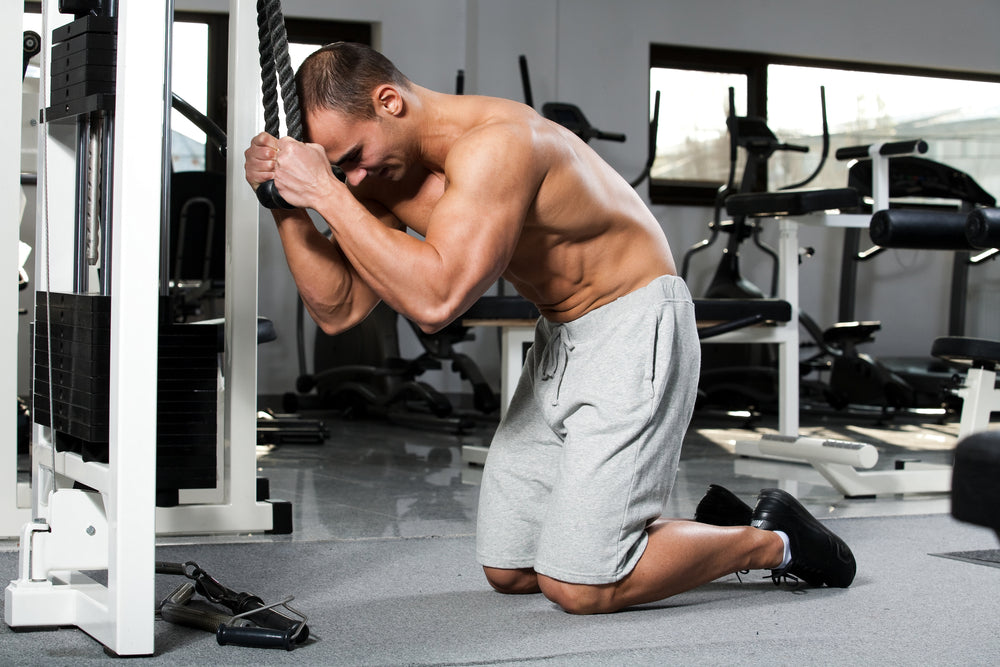
- Cable machines allow resistance variations.
- Ab rollers target deep core muscles.
Mix equipment exercises with bodyweight moves for variety.
Tracking Progress And Adjusting Your Routine
Note improvements in strength and endurance. Increase intensity by adding reps or resistance. Change exercises every few weeks to challenge muscles. Stay motivated by setting small, clear goals.
Common Mistakes To Avoid
Core exercises strengthen the muscles around your trunk. Doing them correctly matters a lot. Mistakes can cause injuries or reduce results. Avoid these common errors to get the best from your workout.
Using Momentum Instead Of Muscle Control
Swinging your body or using momentum reduces core engagement. Move slowly and with control. Focus on tightening your abdominal muscles during each repetition.
Holding Your Breath
Breath-holding increases tension and fatigue. Breathe deeply and steadily. Exhale during the hard part of the exercise. Inhale while returning to the start position.
Arching Or Rounding The Back
Your spine should stay neutral. Avoid arching or rounding the back. This protects your lower back and targets core muscles properly.
Neglecting Proper Form
Good form prevents injuries and improves effectiveness. Watch yourself in a mirror or ask a trainer for feedback. Quality beats quantity every time.
Overtraining The Core Muscles
Core muscles need rest like any other muscle. Overworking them can cause soreness and fatigue. Give your body time to recover between sessions.
Frequently Asked Questions
What Are The Best Core Exercises To Do At The Gym?
The best core exercises include planks, Russian twists, leg raises, and cable crunches. These target all core muscles effectively. They improve stability, strength, and posture when done consistently.
How Often Should I Train My Core At The Gym?
Train your core 2-3 times per week with rest days in between. This frequency allows muscle recovery and growth. Overtraining can lead to fatigue and injury.
Can Core Exercises Help Reduce Belly Fat Effectively?
Core exercises strengthen muscles but don’t directly burn belly fat. Fat loss requires overall calorie burn through cardio and a balanced diet. Combining both yields the best results.
Are Weighted Core Exercises Better Than Bodyweight Ones?
Weighted core exercises increase resistance, boosting muscle strength and growth. Bodyweight exercises improve endurance and stability. Both types are beneficial when combined in a workout routine.
Conclusion
Strong core exercises build balance and improve posture. They protect your back from injuries. Regular training helps with daily movements and sports. Start with basic moves and increase difficulty slowly. Consistency is key to seeing real progress. Keep your form correct to avoid pain.
Your core strength supports your whole body. Stay patient and enjoy the process. A strong core means better health and confidence. Keep these exercises in your gym routine.







