
Are you looking for a simple way to stay active and healthy as you age? A fitness tracker for seniors might be just what you need.
It’s not about complicated gadgets or intense workouts. It’s about making your daily steps count and keeping track of your progress without any hassle. Imagine having a friendly tool that motivates you, reminds you to move, and helps you feel more energetic every day.
Keep reading to discover how the right fitness tracker can support your health and make staying fit easier than ever.

Credit: www.amazon.com
Benefits Of Fitness Trackers For Seniors
Fitness trackers offer many benefits for seniors. They help monitor health, encourage activity, and provide useful data. These devices make it easier to stay fit and safe. Seniors can track steps, heart rate, sleep, and more. This information helps seniors understand their body and improve habits. Fitness trackers support a healthier lifestyle with simple, clear feedback.
Improved Health Monitoring
Fitness trackers measure heart rate and physical activity daily. They detect irregularities early, helping seniors avoid health risks. Continuous monitoring helps doctors get accurate health data. Seniors can share this data during medical visits. This leads to better care and faster response to issues.
Encourages Physical Activity
Trackers motivate seniors to move more each day. They set simple goals like walking or light exercise. Seeing progress boosts confidence and keeps seniors active. Activity reminders prevent long periods of sitting still. Regular movement improves strength, balance, and mood.
Promotes Better Sleep
Many trackers monitor sleep patterns and quality. Seniors learn how long and well they sleep each night. This helps identify sleep problems early. Better sleep improves energy, memory, and overall health. Seniors can adjust habits for a good night’s rest.
Easy To Use And Understand
Fitness trackers for seniors have simple screens and clear instructions. They provide easy-to-read data and alerts. Seniors do not need special skills to use them. Devices often sync with phones or tablets for detailed reports. This makes fitness tracking accessible and stress-free.
Supports Independence And Confidence
Fitness trackers give seniors control over their health. They reduce the need for constant supervision. Knowing their health status builds confidence in daily activities. Seniors feel empowered to manage their fitness and wellbeing. This fosters a more independent lifestyle.
Key Features To Look For
Choosing the right fitness tracker for seniors means focusing on features that truly enhance daily life. It’s not just about counting steps; the device should be easy to use, support health monitoring, offer safety options, and last long enough to keep up with your routine. What features matter most to you?
Ease Of Use
A fitness tracker should feel simple and intuitive. Large, clear displays and straightforward menus help avoid frustration. Imagine trying to read tiny numbers or navigate complicated buttons—would you stick with it?
Touchscreens that respond well and straps that are easy to fasten make a big difference. Some devices even offer voice commands or simple one-button controls. These small details ensure you focus on your activity, not the device.
Health Monitoring Capabilities
Tracking heart rate, sleep quality, and daily activity levels is essential. Some trackers also monitor blood oxygen levels or detect irregular heartbeats, which can alert you to potential health issues early. How often do you wish you had these insights?
Look for devices that sync data with smartphone apps or allow easy sharing with caregivers or doctors. This connection can help you stay informed and proactive about your health.
Emergency Features
Safety is a top priority. Fitness trackers with built-in fall detection or emergency SOS buttons can alert family or emergency services when you need help. Wouldn’t peace of mind make your daily walks more enjoyable?
Some models also offer location tracking, so your loved ones can quickly find you if something goes wrong. Check if these features require a subscription or smartphone pairing for full functionality.
Battery Life
Long battery life means fewer interruptions and less hassle charging the device. Some fitness trackers last several days or even weeks on a single charge. How often do you want to remember charging your tracker?
Consider devices that offer quick charging or battery-saving modes. Reliable battery life helps keep your focus on health, not on keeping the tracker powered up.
Top Fitness Trackers For Seniors
Choosing the right fitness tracker can make a big difference in staying active and healthy as you age. Seniors often look for devices that are easy to use, reliable, and tailored to their specific needs. Here are some top fitness trackers that combine functionality, comfort, and value, helping you keep track of your health without any hassle.
Budget-friendly Options
Not everyone wants to spend a lot on a fitness tracker, especially if you’re new to using one. Affordable models like the Xiaomi Mi Band 7and the Fitbit Inspire 3offer great features without breaking the bank. These devices track steps, heart rate, and sleep, providing the essentials for staying active.
What’s impressive is how these budget-friendly trackers still offer user-friendly apps that make monitoring your progress simple. If you want a no-fuss option that covers your basics, these are solid choices.
Premium Picks
If you want something more advanced, premium trackers like the Apple Watch Series 9and the Garmin Vivosmart 5provide a wealth of features. They offer accurate health metrics, fall detection, and even ECG monitoring, which can be crucial for seniors with specific health concerns.
These devices often include emergency SOS features and customizable alerts, giving you and your loved ones peace of mind. Would you invest in a tracker that can alert emergency contacts automatically?
Wearable Comfort
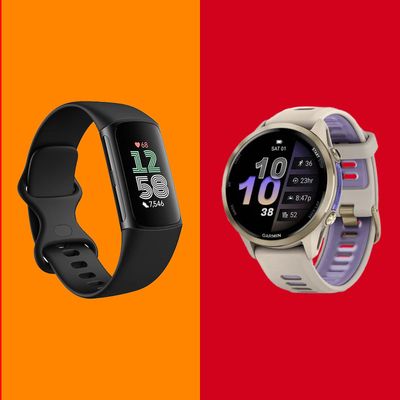
Comfort matters just as much as features. A bulky or heavy tracker might discourage daily wear, defeating the purpose. Look for lightweight devices with adjustable straps like the Fitbit Charge 5or Withings Move.
Materials like soft silicone or breathable fabric can prevent irritation, especially if you wear the tracker all day. Have you noticed how a comfortable wearable encourages you to keep it on, making your fitness journey smoother?
Setting Up Your Fitness Tracker
Setting up your fitness tracker is the first step toward making the most of this helpful device. It might feel a bit technical at first, but with clear steps, you’ll have it ready in no time. Let’s walk through the process to get you moving and tracking your progress effortlessly.
Initial Setup Steps
Start by charging your fitness tracker fully. A full charge ensures the device won’t shut down during setup, saving you frustration.
Next, power on the device and select your language and region. This helps the tracker provide accurate data tailored to your location.
Enter your personal details such as age, weight, height, and activity level. These numbers help the tracker calculate calories burned and other important metrics more precisely.
Don’t overlook the importance of setting a daily step goal or activity target that fits your lifestyle. It’s motivating to see progress when your goals feel realistic.
Connecting To Other Devices
Most fitness trackers connect to your smartphone via Bluetooth. Open the companion app on your phone, and it will guide you through pairing with the tracker.
Allow necessary permissions in the app to sync health data, notifications, and even GPS tracking if available. This connection lets you view detailed reports and keep your progress organized.
Have you considered linking your fitness tracker with other health apps? Syncing with apps like Apple Health or Google Fit can centralize your wellness data.
Remember, keeping your devices updated with the latest software improves performance and security. Regularly check for updates in the app or on the tracker itself.
Daily Use And Maintenance
Using a fitness tracker every day can transform how you understand your health. To get the most from your device, consistent use and proper care are essential. A little attention to daily habits and maintenance helps keep your tracker accurate and ready to support your fitness goals.
Routine Monitoring
Check your fitness tracker data regularly to see trends in your activity and sleep. This helps you spot changes in your health early and adjust your routines as needed. Are you reaching your step goals? Is your heart rate staying within a healthy range? Tracking these details daily can motivate you to stay active.
Make it a habit to wear your tracker during key activities like walking, exercising, or even relaxing. Consistent use ensures the device collects enough data to provide meaningful insights. If you notice gaps in your tracking, ask yourself what changes you can make to wear it more regularly.
Cleaning And Care Tips
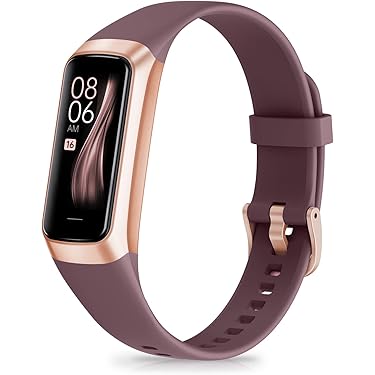
Keeping your fitness tracker clean prevents skin irritation and maintains sensor accuracy. Wipe the band and device gently with a soft cloth dampened with water and mild soap after workouts or daily use. Avoid harsh chemicals that can damage the tracker’s materials.
Check the band for signs of wear or buildup, especially under the sensors where sweat can collect. If your tracker is waterproof, rinse it occasionally to remove dirt and sweat. Let it dry completely before wearing it again to avoid skin discomfort.
- Remove the tracker before showering if it’s not water-resistant.
- Store it in a cool, dry place when not in use.
- Charge the device regularly but avoid overcharging to prolong battery life.
How often do you clean your fitness tracker? A simple routine can extend its lifespan and keep your data reliable. Treat your device like a trusted companion in your fitness journey.
Credit: www.amazon.com
Integrating Fitness Trackers With Health Goals
Integrating fitness trackers with health goals helps seniors stay active and healthy. These devices offer clear insights into daily activities and vital signs. They motivate users to maintain consistent habits and improve well-being gradually. Fitness trackers provide real-time data that seniors can use to adjust their routines. This approach makes health goals more manageable and less overwhelming.
Setting Achievable Goals
Start with simple and clear goals. Small steps encourage steady progress without causing frustration. Goals should match current fitness levels and health conditions. For example, aim for a 10-minute walk daily or 5,000 steps per day. Set targets for sleep, heart rate, or water intake too. Use the fitness tracker to customize and update goals as needed. Realistic goals build confidence and keep seniors motivated.
Monitoring Progress
Track daily activities and health data using the fitness tracker app. Review statistics like steps taken, calories burned, and heart rate. Regular monitoring helps identify patterns and areas to improve. Celebrate achievements to boost morale and commitment. The device sends reminders and alerts to stay on track. Sharing progress with family or doctors adds support and encouragement. Monitoring progress creates a clear path toward better health.
Overcoming Common Challenges
Using a fitness tracker can be challenging for seniors. These devices offer many benefits, but some obstacles may appear. Understanding common challenges helps seniors use trackers better and enjoy their health journey.
Technical Difficulties
Many seniors face issues with technology. Fitness trackers may seem complex at first. The screen can be small, and buttons hard to press. Setting up apps or syncing data might confuse some users.
Simple steps help solve these problems:
- Choose devices with large displays and easy buttons.
- Ask for help from family or friends during setup.
- Use online tutorials with clear instructions.
- Practice regularly to become comfortable with the device.
Motivation And Consistency
Staying motivated is key to using a fitness tracker well. Some seniors may lose interest over time. Daily goals can feel too hard or boring.
Try these tips to keep going:
- Set small, achievable targets.
- Track progress and celebrate successes.
- Join group challenges or exercise with friends.
- Use reminders and alerts on the device.
The Future Of Fitness Trackers For Seniors
The future of fitness trackers for seniors looks promising as technology continues to evolve. These devices are becoming more user-friendly, accurate, and tailored to meet the unique needs of older adults. Imagine a tracker that not only counts steps but also understands your health patterns and helps you stay motivated every day.
Technological Advances
Fitness trackers are getting smarter with features like fall detection, heart rate monitoring, and even blood pressure tracking. Some models now use voice commands, making it easier for seniors who may struggle with small screens or buttons.
Wearable sensors are becoming more comfortable and discreet, so you can wear them all day without irritation. Integration with smartphones and other devices means you get real-time updates and alerts that can connect you directly to your doctor or family.
Have you noticed how some devices now use AI to personalize your fitness goals? This means the tracker can suggest activities based on your daily routine and health status, not just generic targets.
Potential Health Impacts
Using advanced fitness trackers can help you catch health issues early by monitoring irregular heartbeats or unusual activity levels. This proactive approach can reduce emergency visits and improve your overall well-being.
Tracking your sleep quality and hydration can also lead to better energy levels and mood throughout the day. Staying consistent with your activity becomes easier when the device gives you gentle reminders tailored to your lifestyle.
What if your tracker could alert someone if you fall or need help? This feature alone can bring peace of mind to you and your loved ones, encouraging more independence without sacrificing safety.
Credit: nymag.com
Frequently Asked Questions
What Features Should A Fitness Tracker For Seniors Have?
A good fitness tracker for seniors includes heart rate monitoring, step counting, fall detection, and easy-to-read displays. It should offer simple navigation and long battery life. These features help seniors track health accurately and stay motivated.
How Does A Fitness Tracker Benefit Senior Health?
Fitness trackers encourage regular activity, monitor vital signs, and detect irregularities early. They help seniors maintain mobility, improve cardiovascular health, and promote better sleep. Using one can boost overall wellness and independence.
Are Fitness Trackers Easy For Seniors To Use?
Yes, many fitness trackers are designed with seniors in mind. They offer large screens, simple interfaces, and voice commands. These features ensure seniors can use them comfortably without tech frustration.
Can Fitness Trackers Detect Falls For Seniors?
Some fitness trackers include fall detection sensors. They alert emergency contacts if a fall occurs. This feature enhances safety and provides peace of mind for seniors and their families.
Conclusion
Fitness trackers help seniors stay active and healthy every day. They track steps, heart rate, and sleep to give useful insights. Choosing a simple, easy-to-use device matters most. These tools encourage gentle exercise and better habits. Staying connected to health feels good and motivates more movement.
Small changes can lead to big improvements over time. A fitness tracker supports a happy, active lifestyle for seniors. Give one a try and enjoy feeling stronger and more energetic. Health and wellness become easier with the right support.







