
Are you ready to take your leg workouts to the next level? Strong legs aren’t just about looking good—they give you power, improve your balance, and boost your overall fitness.
Whether you want to build muscle, burn fat, or increase endurance, the right leg exercises at the gym can make all the difference. You’ll discover simple yet effective moves that target every part of your legs. Get ready to transform your lower body and feel stronger with every step you take.
Keep reading, and let’s get those legs working!
Benefits Of Leg Exercises
Leg exercises at the gym offer more than just toned muscles. They build a foundation for your entire body, improving strength, balance, and endurance. Understanding these benefits can motivate you to add more leg workouts to your routine and see real progress.
Improved Overall Strength And Stability
Strong legs support everything you do, from walking to lifting heavy objects. When you work your legs, you engage large muscle groups that help stabilize your core and improve posture. This stability reduces your risk of injury both in the gym and during daily activities.
Enhanced Athletic Performance
Whether you run, jump, or cycle, powerful legs boost your performance. Exercises like squats and lunges train muscles that generate force and speed. Have you noticed how your endurance improves after consistent leg training? That’s the power of strong legs.
Increased Calorie Burn And Fat Loss
Leg workouts are great for burning calories because they use large muscles. Exercises such as deadlifts or leg presses demand a lot of energy, helping you burn fat faster. Adding leg days can make your fat loss journey more efficient and sustainable.
Better Balance And Coordination
Leg exercises challenge your balance and coordination, especially when done on one leg or with weights. These workouts train your nervous system to control your movements more precisely. Improving balance helps in everyday tasks and reduces falls as you age.
Boosted Hormone Production For Muscle Growth
Working out your legs triggers the release of hormones like testosterone and growth hormone. These hormones aid muscle growth throughout your body, not just in your legs. This means leg exercises indirectly help you build upper body strength too.
Squats
Squats are a fundamental leg exercise that builds strength in the thighs, hips, and buttocks. This movement targets multiple muscle groups, making it efficient for overall leg development. Squats also improve balance and flexibility, which helps in daily activities and other workouts.
Proper Form
Stand with your feet shoulder-width apart. Keep your chest up and your back straight. Slowly bend your knees and lower your hips as if sitting in a chair. Stop when your thighs are parallel to the floor. Make sure your knees stay behind your toes. Push through your heels to return to the starting position. Keep your core tight throughout the movement. Avoid rounding your back or letting your knees collapse inward.
Variations To Try
- Goblet Squat:Hold a dumbbell or kettlebell close to your chest. This helps with balance and keeps your torso upright.
- Sumo Squat:Place your feet wider than shoulder-width with toes pointing out. This targets the inner thighs more.
- Jump Squat:Perform a regular squat, then jump explosively upward. Land softly and go into the next squat.
- Bulgarian Split Squat:Place one foot behind you on a bench. Squat down with the front leg. This works each leg separately.
- Barbell Back Squat:Rest a barbell on your upper back. This allows you to add more weight for strength building.
Lunges
Lunges are a powerful exercise to strengthen and tone your legs. They target the thighs, hips, and glutes effectively. Lunges also improve balance and coordination. This makes them a perfect choice for your gym workout.
Forward Lunges
Forward lunges focus on the front of your legs and glutes. Step forward with one foot. Lower your hips until both knees form a 90-degree angle. Keep your back straight and core tight. Push back to the starting position using your front leg. Repeat with the other leg. This exercise builds strength and stability.
Reverse Lunges
Reverse lunges work the same muscles but with a different movement. Step backward instead of forward. Lower your body until your back knee almost touches the floor. Keep your front knee aligned with your ankle. Push through your front heel to rise back up. Reverse lunges reduce stress on the knees. They are great for improving balance.
Leg Press
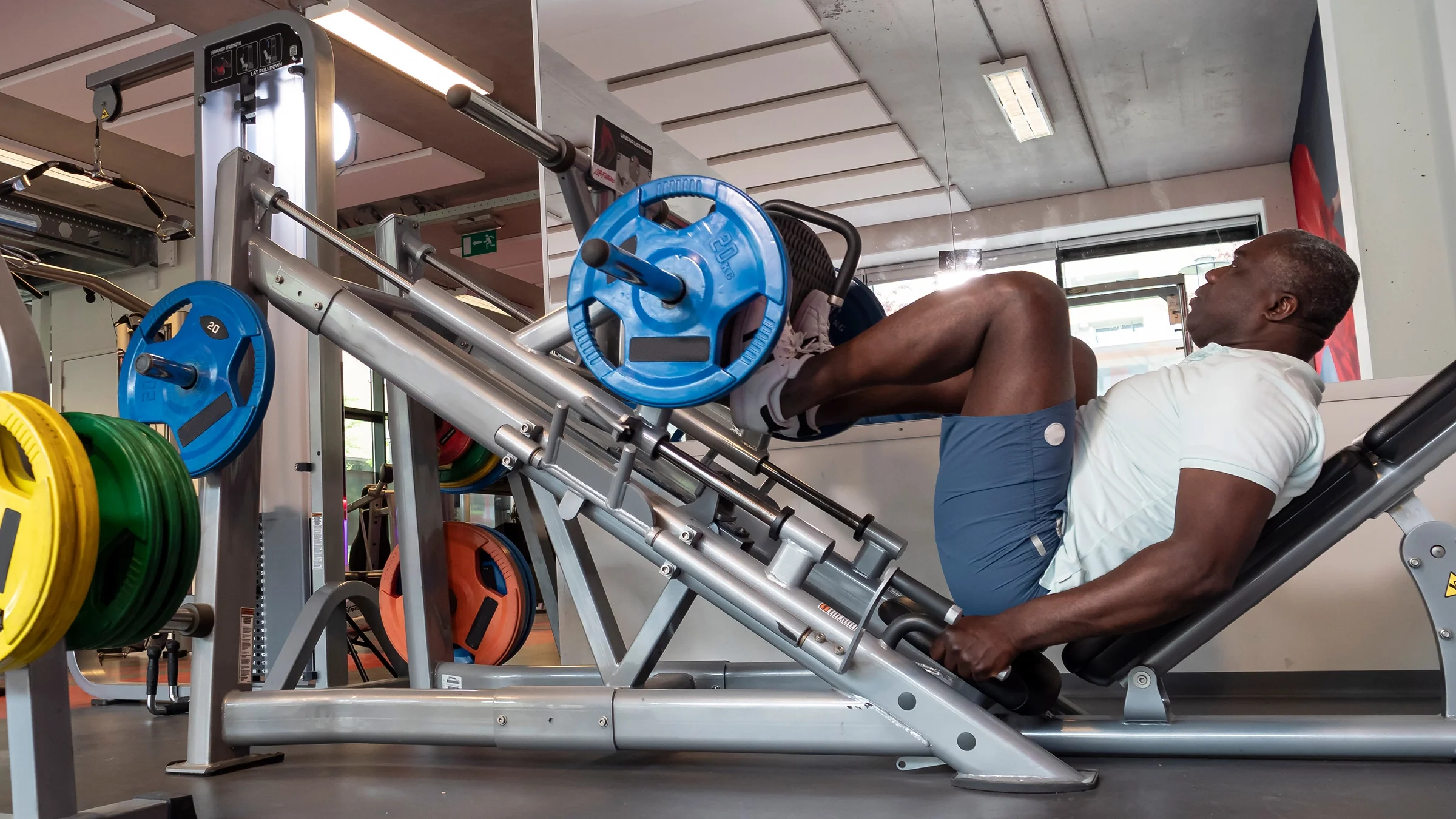
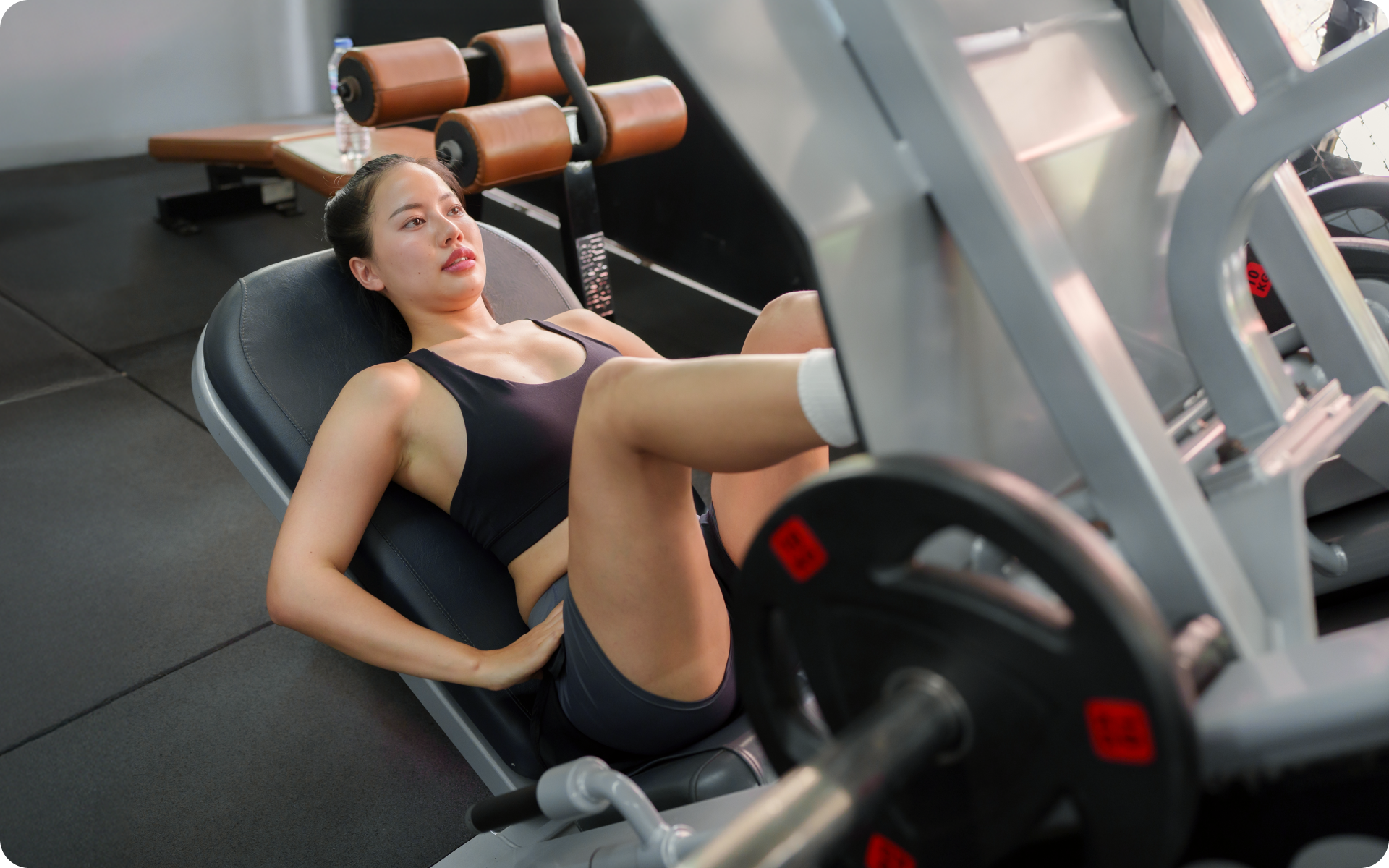
The leg press is a powerhouse move for building strong, muscular legs. It targets your quads, hamstrings, and glutes with controlled resistance, making it a staple for many gym-goers. Unlike free weights, the leg press machine guides your movement, helping you focus on pushing heavy weight safely.
Machine Setup
Start by adjusting the seat so your knees form about a 90-degree angle when your feet rest on the platform. Position your feet shoulder-width apart, with toes pointing slightly outward to engage different muscle fibers.
Check that your back and hips are firmly against the seat padding. This setup helps prevent strain on your lower back and keeps your movement efficient. Always begin with a lighter weight to find the right balance between challenge and control.
Common Mistakes
- Locking your knees:Straightening your legs fully at the top can stress your knee joints. Instead, keep a slight bend to protect them.
- Placing feet too high or low:Too high shifts focus to your glutes and hamstrings, while too low emphasizes your knees. Adjust based on your goals, but maintain comfort and control.
- Allowing your lower back to lift:This often happens when the weight is too heavy. Keep your back pressed to the seat to avoid injury.
- Using momentum:Pushing with jerky movements reduces effectiveness and raises injury risk. Slow, steady reps work best.
Have you noticed any of these habits during your workouts? Fixing them could dramatically improve your results and keep you injury-free.
Deadlifts
Deadlifts are a powerful exercise for building strong legs and a solid core. They work multiple muscles, including the hamstrings, glutes, lower back, and quads. This compound movement helps improve strength, posture, and overall fitness. Proper form is key to avoid injury and gain the most from deadlifts.
Technique Tips
- Stand with feet hip-width apart, bar close to shins.
- Keep your back straight and chest up throughout.
- Bend at the hips and knees to grip the bar firmly.
- Engage your core before lifting the bar by straightening hips and knees.
- Lift the bar in a smooth motion, keeping it close to your body.
- Avoid rounding your back; maintain a neutral spine at all times.
- Lower the bar slowly, controlling the movement to the ground.
Different Styles
| Style | Description | Focus Area |
|---|---|---|
| Conventional Deadlift | Feet hip-width, hands outside knees, targets overall legs and back. | Hamstrings, glutes, lower back |
| Sumo Deadlift | Wide stance, hands inside knees, reduces back strain. | Inner thighs, glutes, quads |
| Romanian Deadlift | Focuses on hip hinge, legs slightly bent, targets hamstrings deeply. | Hamstrings, glutes |
| Trap Bar Deadlift | Uses hex bar, easier on back, upright posture. | Quads, glutes, lower back |

Credit: steelsupplements.com
Calf Raises
Calf raises target the muscles in the lower leg. They help improve strength, balance, and ankle stability. These exercises shape the calves and boost overall leg power. Calf raises are simple but effective. You can do them standing or seated. Each version works the calves slightly differently.
Standing Calf Raises
Stand with your feet hip-width apart. Keep your core tight and back straight. Slowly lift your heels off the ground. Rise as high as you can on your toes. Hold for a moment, then lower your heels back down. Use controlled movement to avoid bouncing.
Standing calf raises engage the gastrocnemius muscle. This is the larger calf muscle visible from the outside. You can add weights by holding dumbbells or using a calf raise machine. Aim for 3 sets of 12 to 15 reps for best results.
Seated Calf Raises
Sit on a bench or machine with your feet flat on the floor. Place weights on your knees if possible. Lift your heels by pushing through the balls of your feet. Pause at the top, then lower your heels slowly.
Seated calf raises focus on the soleus muscle. This muscle lies underneath the gastrocnemius. It plays a key role in endurance and posture. Perform 3 sets of 15 to 20 reps to build strength and size.
Hamstring Curls
Hamstring curls target the muscles at the back of your thighs. These curls help strengthen and tone your hamstrings. Strong hamstrings improve leg stability and reduce injury risk. This exercise is common in most gyms and suits many fitness levels. It can be done using different machines or with resistance bands.
Benefits
- Builds strength in hamstrings and improves muscle balance
- Supports knee joint health and reduces strain
- Enhances athletic performance by increasing leg power
- Helps prevent lower back pain by stabilizing the pelvis
- Improves flexibility and range of motion in legs
Effective Variations
- Seated Hamstring Curls:Performed on a seated machine, isolates hamstrings well.
- Lying Hamstring Curls:Done face down on a bench, offers a full range of motion.
- Standing Hamstring Curls:Uses one leg at a time, improving balance and coordination.
- Resistance Band Curls:Portable and easy, suitable for home or travel workouts.
- Swiss Ball Hamstring Curls:Adds core engagement and challenges stability.
Leg Extension
The leg extension is a popular gym exercise that focuses on building the front thigh muscles. It uses a machine where you lift a padded bar with your legs. This movement isolates the quadriceps, helping to improve strength and muscle shape. Many gym-goers include leg extensions to add definition and power to their legs.
Targeting Quads
Leg extensions mainly work the quadriceps muscles. These are the large muscles on the front of your thigh. The exercise helps strengthen each quad muscle individually. You sit on the machine and lift the weight by straightening your knee. This action targets the quads directly without much help from other muscles. Strong quads improve overall leg strength and support knee health.
Avoiding Injury
Proper form is key to avoid injury during leg extensions. Always adjust the machine to fit your leg length. Keep your back pressed against the seat and avoid locking your knees at the top. Use a weight that feels challenging but does not cause pain. Move slowly and control the motion, especially when lowering the weight. Avoid jerky movements to protect your knee joints.
Incorporating Cardio
Incorporating cardio into your leg workout routine boosts endurance and burns calories. Cardio exercises improve heart health and increase stamina. Combining cardio with leg exercises shapes strong, toned legs faster. Cardio also helps reduce muscle soreness after intense leg sessions.
Treadmill Workouts
Using a treadmill targets leg muscles and improves cardiovascular fitness. Walking or running on an incline strengthens calves, quads, and hamstrings. Interval training on the treadmill raises heart rate and burns more fat. Adjust speed and incline for varied intensity and better results.
Cycling Benefits
Cycling is low-impact and easy on the joints. It works the quadriceps, hamstrings, and glutes effectively. Cycling increases leg muscle endurance and improves overall leg strength. Spin classes or stationary bikes offer controlled environments for intense cardio sessions.
Frequency And Recovery
Balancing how often you work your legs and allowing enough time for recovery is key to building strength without risking injury. Your muscles need time to repair and grow after intense gym sessions. Ignoring recovery can lead to fatigue and stalled progress, but too much rest might slow down your gains.
Optimal Training Schedule
Training your legs 2 to 3 times per week usually hits the sweet spot for most people. This frequency lets you challenge your muscles while giving them time to rebuild stronger. You can split your workouts by focusing on different muscle groups each day, like quads one session and hamstrings another.
Think about how your body feels after each workout. Are your legs still sore and tired days later? That’s a sign you might need more rest between sessions. On the other hand, if you feel ready to go again quickly, you could try adding an extra session.
Importance Of Rest
Rest days are not just breaks—they’re when your muscles actually grow. Without rest, your body can’t repair tiny muscle tears caused by heavy leg exercises. Skipping rest can lead to overtraining, which might cause pain or injury.
Sleep plays a big role in recovery too. Aim for 7 to 9 hours of quality sleep to give your muscles the best chance to recover. Also, light activities like walking or gentle stretching on rest days can improve blood flow and reduce soreness.
Have you ever pushed through soreness only to find your performance drop? That’s your body telling you to slow down. Listen closely and give your legs the rest they deserve to come back stronger.
Nutrition For Leg Strength
Nutrition plays a key role in building strong legs. Proper food and drink help muscles recover and grow after tough workouts. Without good nutrition, leg exercises might not bring the best results. Eating the right nutrients fuels your body and supports muscle health. Focus on what you eat and drink to boost leg strength.
Protein Intake
Protein is essential for muscle repair and growth. Aim to include a source of protein in every meal. Good options are chicken, fish, eggs, beans, and dairy. Protein helps rebuild muscle fibers after leg workouts. Consuming enough protein daily supports stronger and bigger leg muscles.
Hydration Tips
Water keeps muscles working well during workouts. Dehydration can cause cramps and reduce strength. Drink water before, during, and after exercise. Carry a water bottle to stay hydrated at the gym. Proper hydration also aids nutrient delivery to your muscles.
Credit: www.goodrx.com
Credit: betterme.world
Frequently Asked Questions
What Are The Best Leg Exercises At The Gym?
The best leg exercises include squats, lunges, leg presses, and deadlifts. They target quads, hamstrings, glutes, and calves. These moves build strength, improve balance, and increase muscle size effectively.
How Often Should I Do Leg Workouts At The Gym?
For optimal results, train legs 2 to 3 times per week. Allow 48 hours of rest between sessions. This frequency promotes muscle growth and recovery without overtraining.
Can Leg Exercises Improve Overall Fitness And Mobility?
Yes, leg exercises enhance strength, balance, and joint stability. They boost endurance and aid daily movements. Strong legs reduce injury risk and improve athletic performance.
What Equipment Is Needed For Gym Leg Exercises?
Common gym equipment includes barbells, dumbbells, leg press machines, and resistance bands. These tools help add resistance and variety, making workouts more effective and engaging.
Conclusion
Strong legs help you move better and stay healthy. Exercises like squats, lunges, and leg presses build muscle and improve balance. Consistent workouts at the gym make legs stronger over time. Start with light weights and increase slowly to avoid injury.
Rest days help muscles recover and grow. Keep good form to get the best results. Remember, patience and effort bring lasting strength. Your legs will thank you with better performance in daily life and sports. Stay active, stay strong.







