
Are you ready to take control of your health and shed those extra pounds? A well-crafted fitness plan designed just for women can make all the difference in reaching your weight loss goals.
Imagine feeling stronger, more energized, and confident in your own skin. This guide will show you simple, effective steps tailored to your body and lifestyle. Keep reading, and discover how easy it can be to transform your routine and see real results.
Your journey to a healthier, happier you starts right here.

Credit: apps.apple.com
Benefits Of Weight Loss For Women
Losing weight helps women feel stronger and more confident every day. A good fitness plan boosts energy and supports overall health. Better sleep and mood often follow regular exercise and healthy eating.
Losing weight can transform a woman’s life. It offers numerous health benefits. She can enjoy a more active and fulfilling lifestyle. She will likely see improvements in her mental and physical well-being.Physical Health Improvements
Weight loss reduces the risk of many diseases. Women can lower their chances of heart disease. Diabetes risk also decreases with a healthier weight. Joints experience less strain, reducing pain and discomfort.Enhanced Mental Well-being
Shedding pounds boosts self-esteem and confidence. Women often feel happier and less stressed. Regular exercise releases endorphins, improving mood. This leads to a more positive outlook on life.Increased Energy Levels
Losing weight can increase energy levels significantly. Women find themselves more active and productive. Daily tasks become easier and less tiring. They can enjoy a more vibrant lifestyle.Better Sleep Quality
A healthy weight improves sleep quality. Women experience fewer sleep disturbances. This results in waking up refreshed and energized. Good sleep also supports overall health and well-being.Improved Mobility And Flexibility
Weight loss enhances mobility and flexibility. Women can move more freely and comfortably. Activities like walking or yoga become more enjoyable. This encourages a more active and engaged lifestyle.Positive Body Image
Achieving weight loss boosts a woman’s body image. It fosters a sense of pride and accomplishment. Women feel more comfortable and confident in their skin. This positive change can impact many life areas.
Credit: www.amazon.com
Setting Realistic Fitness Goals
Setting realistic fitness goals is the foundation of a successful weight loss journey for women. Without clear, achievable targets, it’s easy to feel overwhelmed or discouraged. By defining practical goals, you create a roadmap that keeps you motivated and helps measure your progress effectively.
Understanding Your Starting Point
Before setting any goal, take a moment to assess where you currently stand. Are you just beginning your fitness journey, or do you have some experience? Knowing your fitness level helps you avoid goals that are too ambitious or too easy.
Track simple metrics like your current weight, body measurements, or how long you can exercise comfortably. These details give you a baseline to work from and show you where improvement is possible.
Setting Smart Goals
SMART goals are Specific, Measurable, Achievable, Relevant, and Time-bound. For example, instead of saying “I want to lose weight,” say “I want to lose 5 pounds in 6 weeks by exercising 4 times a week.”
This clarity keeps your focus sharp and your efforts directed. It also helps you celebrate small victories, which are vital for staying motivated.
Balancing Ambition With Patience
It’s natural to want fast results, but unrealistic goals can lead to burnout or injury. Ask yourself if your goals respect your body’s limits and lifestyle. Can you maintain your workout schedule without sacrificing rest or nutrition?
Remember, consistency beats intensity. Small, steady progress often leads to long-lasting results.
Adjusting Goals As You Progress
Your initial goals might need tweaking as you advance. If you hit a plateau or find certain targets too easy, don’t hesitate to adjust your plan. Flexibility allows you to stay challenged without feeling overwhelmed.
Are you tracking your progress regularly? This practice helps you stay honest with yourself and make necessary changes along the way.
Choosing The Right Workout Types
Choosing the right workout types is key to effective weight loss for women. Each type of exercise offers unique benefits that support fat burning and muscle toning. A balanced fitness plan includes a mix of cardio, strength training, and flexibility exercises. This approach helps improve overall health and keeps workouts interesting.
Cardio Exercises
Cardio exercises raise the heart rate and burn calories fast. Activities like walking, running, cycling, and dancing help shed fat efficiently. Cardio also improves heart and lung health. Aim for at least 150 minutes of moderate cardio weekly. It boosts metabolism and increases energy levels.
Strength Training
Strength training builds muscle and tones the body. Muscle burns more calories than fat, even at rest. Using weights, resistance bands, or bodyweight exercises helps shape the physique. Focus on major muscle groups like legs, arms, and core. Strength training also strengthens bones and improves posture.
Flexibility And Balance
Flexibility and balance exercises prevent injuries and improve movement. Stretching, yoga, and Pilates enhance muscle flexibility and joint health. These workouts support recovery and reduce soreness. Balance training helps with coordination and stability. Including these exercises leads to better workout performance and daily function.
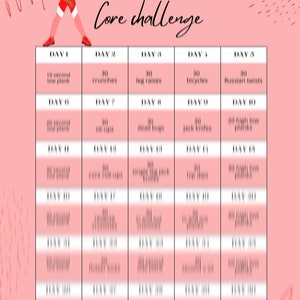
Credit: www.etsy.com
Creating A Weekly Exercise Schedule
Creating a weekly exercise schedule is key to staying consistent and making steady progress toward your weight loss goals. A well-planned schedule helps you balance different types of workouts, prevent burnout, and keep motivation high. It also allows you to track your progress and adjust your routine based on how your body responds.
Assessing Your Current Fitness Level And Goals
Start by honestly evaluating where you are now. Are you new to exercise, or have you been active for some time? Knowing your fitness level helps you choose workouts that challenge you without causing injury.
Set clear, realistic goals for the week. Do you want to focus on fat loss, muscle toning, or improving endurance? Your goals will shape the types of exercises and their intensity.
Choosing The Right Mix Of Workouts
Variety keeps your routine exciting and works different muscle groups. Aim to include:
- Cardio exerciseslike brisk walking, cycling, or dancing to burn calories.
- Strength trainingwith weights or bodyweight to build lean muscle, which boosts metabolism.
- Flexibility and balance workoutssuch as yoga or Pilates to improve posture and prevent injuries.
Think about activities you enjoy—if you hate running, try swimming or a dance class. Enjoyment increases your chances of sticking with the plan.
Scheduling Rest And Recovery Days
Rest days are just as important as workout days. They give your muscles time to recover and grow stronger.
Plan at least one or two rest days each week. You can use these days for light stretching or leisurely walks if you want to stay active without overexertion.
Ignoring rest can lead to fatigue and injury, which could set you back. How do you usually feel after a tough workout? Listening to your body is essential.
Creating A Sample Weekly Exercise Schedule
| Day | Workout Type | Focus |
|---|---|---|
| Monday | Cardio | Brisk walking or jogging for 30 minutes |
| Tuesday | Strength Training | Upper body workout with dumbbells |
| Wednesday | Flexibility | Yoga or stretching session |
| Thursday | Cardio | Cycling or dance class for 30-45 minutes |
| Friday | Strength Training | Lower body workout focusing on legs and glutes |
| Saturday | Active Rest | Light walking or recreational activity |
| Sunday | Rest | Complete rest to recover |
Does this schedule fit your lifestyle and energy levels? Feel free to adjust the timing or swap activities to suit your preferences.
Nutrition Tips To Support Weight Loss
Nutrition plays a crucial role in your journey to lose weight. It’s not just about eating less but eating smart. Adjusting your food choices can help you burn fat, build energy, and keep hunger in check.
Balanced Diet Essentials
Your body needs a mix of nutrients to stay healthy and shed pounds effectively. Focus on including:
- Proteins:Chicken, fish, beans, and tofu help build muscle and keep you full longer.
- Healthy fats:Avocados, nuts, and olive oil support metabolism and brain health.
- Complex carbs:Whole grains, vegetables, and fruits provide lasting energy without spikes in blood sugar.
I used to skip fats thinking they made me gain weight, but adding healthy fats actually helped me feel satisfied and eat less overall. Have you noticed how some foods keep you full longer than others?
Meal Timing And Portions
When and how much you eat can impact your weight loss as much as what you eat. Try eating smaller, balanced meals every 3-4 hours instead of three large ones. This keeps your metabolism active and prevents overeating.
Portion control is key. Use smaller plates or measure your food to avoid eating more than your body needs. Watching your portions helped me stop mindless snacking and lose weight without feeling deprived. What if adjusting meal size and timing made your weight loss easier?
Hydration Importance
Drinking enough water often gets overlooked but it’s vital for weight loss. Water helps your body burn fat and reduces hunger by filling your stomach. Aim for at least 8 glasses a day, more if you exercise.
Sometimes thirst feels like hunger, leading to extra calories. I started carrying a water bottle everywhere, and it cut down my snacking habits significantly. How often do you reach for water before grabbing a snack?
Tracking Progress And Staying Motivated
Tracking progress helps women stay focused on weight loss goals. It shows how far they have come and what to improve. Staying motivated keeps the fitness journey enjoyable and consistent. Small wins build confidence and push effort forward. Using simple tools and clear goals makes tracking easier and more fun.
Using Fitness Apps
Fitness apps offer easy ways to track daily workouts and meals. They provide charts and reminders that keep users engaged. Many apps let users log weight, steps, and calories. Visual progress encourages sticking to the plan. Some apps connect with friends for group motivation.
Setting Milestones
Breaking big goals into smaller milestones makes progress clear. Milestones can be weight targets, workout days, or strength gains. Celebrating these moments boosts morale and shows real improvement. Writing milestones down or marking them on a calendar helps maintain focus.
Reward Systems
Rewards motivate continued effort and make the process enjoyable. Choose healthy treats like new workout clothes or a relaxing day. Avoid food-based rewards to support good habits. Rewards give a sense of achievement and encourage consistency.
Common Challenges And How To Overcome Them
Starting a fitness plan to lose weight can bring many challenges. These obstacles can slow progress and cause frustration. Knowing common difficulties helps prepare for them. Finding ways to overcome these problems keeps motivation high. This section covers key challenges women face and how to deal with them.
Dealing With Plateaus
Weight loss plateaus happen when progress stops. The body adjusts to the routine and burns fewer calories. Changing the workout plan helps restart weight loss. Try increasing exercise intensity or trying new activities. Adjusting calorie intake also breaks plateaus. Tracking food and exercise helps find what works best.
Managing Time Constraints
Busy schedules make finding workout time hard. Short, effective workouts can fit any day. High-intensity interval training (HIIT) saves time and boosts fat burn. Planning workouts early in the day avoids last-minute skips. Combining exercise with daily tasks, like walking or stretching, adds activity. Consistency matters more than long sessions.
Handling Emotional Eating
Stress or emotions often trigger overeating. Recognizing emotional hunger is the first step. Try healthy distractions like walking or reading when cravings hit. Keeping healthy snacks ready prevents poor food choices. Writing down feelings helps understand triggers. Seeking support from friends or groups reduces emotional eating urges.
Tips For Long-term Success
Long-term success in weight loss depends on more than just quick fixes. It requires steady effort and smart choices. Building strong habits, staying consistent, and having support make the journey easier and more effective.
Building Healthy Habits
Healthy habits form the foundation of lasting weight loss. Start with small changes like drinking more water or adding a daily walk. Repeat these actions until they feel natural. Focus on balanced meals and regular physical activity. Avoid extreme diets that are hard to keep up. Consistent habits lead to steady progress over time.
Maintaining Consistency
Consistency is key to reaching weight loss goals. Set a routine that fits your lifestyle and stick to it. Track your workouts and meals to stay on course. Expect some days to be harder; keep going anyway. Regular effort beats occasional bursts of intense activity. Over time, consistency creates real results.
Seeking Support Networks
Support from friends, family, or groups boosts motivation. Share your goals and progress with others. Join fitness classes or online communities for encouragement. Talking to others helps overcome challenges and stay accountable. Support makes the journey less lonely and more rewarding.
Frequently Asked Questions
What Is The Best Fitness Plan For Women To Lose Weight?
A balanced fitness plan includes cardio, strength training, and flexibility exercises. Consistency and a healthy diet are key for effective weight loss.
How Often Should Women Exercise To Lose Weight?
Women should aim for at least 150 minutes of moderate exercise weekly. Combining cardio and strength training 3-5 times a week yields good results.
Can Strength Training Help Women Lose Weight Faster?
Yes, strength training builds muscle and boosts metabolism. It helps burn more calories even at rest, speeding up weight loss effectively.
What Diet Complements A Fitness Plan For Weight Loss?
A diet rich in lean proteins, vegetables, whole grains, and healthy fats supports weight loss. Avoid processed foods and sugary drinks for best results.
Conclusion
Sticking to a fitness plan helps women lose weight steadily. Small steps lead to big changes over time. Eating healthy and exercising go hand in hand. Consistency matters more than perfection every day. Celebrate progress, no matter how small it seems.
Stay patient, strong, and keep moving forward. Your body will thank you with more energy. Believe in yourself and enjoy the journey ahead.







