
Are you nearing your due date and looking for natural ways to help start labor? Gym ball exercises might be just what you need.
These simple movements can ease your discomfort, encourage your baby to move into the right position, and gently nudge your body toward labor. If you want to feel more in control and prepared for the big day, keep reading. This guide will show you easy, safe gym ball exercises that could make a real difference in how your labor begins.
Benefits Of Gym Ball For Labour
Using a gym ball can help ease labor by encouraging baby movement and opening the pelvis. Gentle bouncing and rocking improve comfort and may speed up labor naturally.
The benefits of using a gym ball during labour are both diverse and impactful. Mothers-to-be often find this simple tool to be a game-changer in their birthing experience. It provides a unique combination of support, mobility, and comfort that traditional labour methods might lack.How Gym Ball Supports Labour
Using a gym ball can help support your body in various positions, allowing you to find the most comfortable stance during labour. The ball gently cushions your weight, providing a soft surface that can ease pressure on your back and hips. Many women feel more secure and stable, which can naturally lead to a more relaxed state of mind.Improving Pelvic Mobility
A gym ball encourages movement that can significantly improve pelvic mobility. By sitting and gently bouncing or rocking on the ball, you can open up your pelvic area, which may help your baby descend more easily. This gentle motion can be far more comfortable than lying still, particularly during early labour.Reducing Labour Discomfort
The gentle motion and support of a gym ball can help reduce discomfort during labour. It allows you to maintain an upright position, which can promote efficient contractions and possibly shorten labour time. One mother shared that swaying on the ball felt like a soothing dance, distracting her from pain and keeping her focused on each breath. Have you considered how a small change in your labour environment might bring you comfort? A gym ball might just be the supportive partner you need.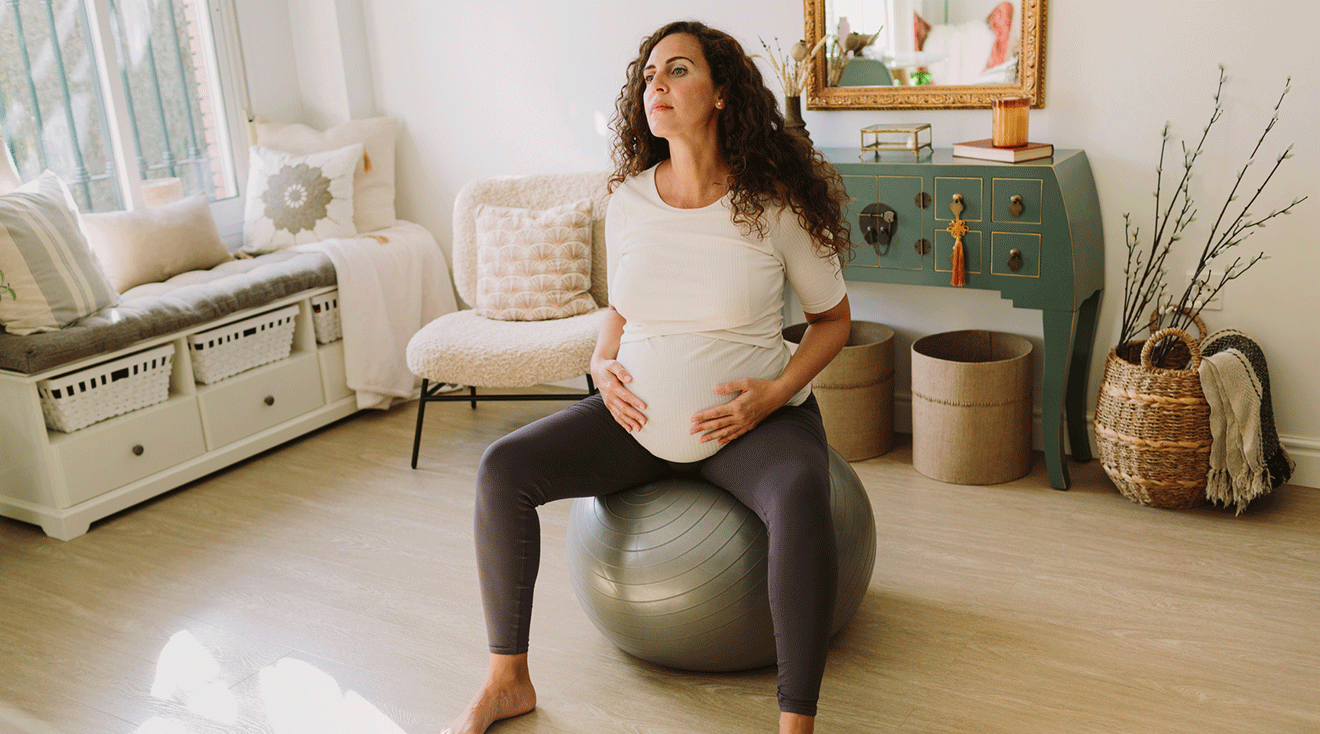
Credit: www.thebump.com
Preparing For Gym Ball Exercises
Preparing for gym ball exercises helps ensure a safe and effective session. Proper preparation reduces risks and improves comfort. It allows expecting mothers to feel confident and relaxed while doing the exercises.
Choosing the right gym ball, following safety tips, and creating a cozy space are essential steps. These steps support both mother and baby during labour preparation exercises.
Choosing The Right Gym Ball
Select a gym ball that fits your height. When sitting, your knees should be at a 90-degree angle. Choose a ball made from anti-burst material for safety. Check the weight limit to ensure it supports you properly. Bright colors and smooth surfaces often indicate quality.
Safety Tips During Pregnancy
- Consult your doctor before starting exercises.
- Stay hydrated throughout the session.
- Avoid sudden or jerky movements.
- Stop exercising if you feel pain or dizziness.
- Wear comfortable, non-slip shoes.
- Use the ball on a flat, stable surface.
Setting Up A Comfortable Space
Find a quiet room with enough open space. Use a soft mat under the ball for extra cushioning. Keep water and a towel nearby. Ensure good lighting and ventilation in the room. Remove any objects that could cause tripping or slipping.
Effective Gym Ball Moves
Using a gym ball for labour preparation can make a real difference in how your body feels and responds. These effective gym ball moves help open your pelvis, encourage baby to move down, and relieve tension. Each exercise is gentle yet purposeful, giving you a way to stay active and comfortable as you approach labour.
Pelvic Tilts On The Ball
Sitting on the ball, gently rock your pelvis forward and backward. This simple movement helps loosen your lower back and encourages your baby to settle into the right position. Try to focus on slow, controlled tilts—imagine your pelvis as a bowl of water trying not to spill.
This move was a game-changer for me. After a few minutes, I felt less pressure and more ease in my hips. Can you feel your pelvis starting to open with each tilt?
Gentle Hip Circles
While seated on the ball, make slow circles with your hips. Move clockwise for about 10 rotations, then switch to counterclockwise. This motion increases flexibility and encourages blood flow in the pelvic area.
Hip circles helped me relax when contractions started getting uncomfortable. They’re also a great way to break up long periods of rest. What differences do you notice in your hips after doing a few circles?
Seated Rocking And Bouncing
Rock back and forth or bounce gently while sitting on the ball. This rhythmic motion mimics natural movement patterns and can soothe your body during early labour. Keep your feet flat on the floor and let your spine stay tall.
Many women find this comforting—like a gentle massage for the lower back. It’s easy to do while watching TV or chatting with someone. Have you tried gentle bouncing yet? Notice how it changes your mood or tension levels.
Squats Using The Ball For Support
Place the ball against a wall and lean your lower back into it. Slowly squat down, keeping your weight in your heels and knees aligned with your toes. The ball offers support and helps control your movement safely.
Squats open the pelvis and strengthen your legs, which can help your body during labour. Using the ball made me feel more balanced and confident in my squats. Could adding this support help you feel steadier during your practice?
Timing And Frequency
Knowing the right timing and how often to do gym ball exercises can make a real difference in helping your body prepare for labour. Too much or too little might not give you the results you want. Finding the right balance helps you stay comfortable and safe while encouraging progress.
When To Start Exercises
Most experts suggest starting gym ball exercises around 36 weeks of pregnancy. Your body is usually ready by then, and gentle movement can encourage your baby to move into the right position.
If you’re unsure, ask your healthcare provider. They can give you advice based on your unique pregnancy and any health concerns you might have.
Recommended Duration
Short, consistent sessions work best. Aim for about 10 to 15 minutes a day rather than long, tiring workouts.
Try breaking it up into smaller chunks if that feels better—like 5 minutes in the morning and 10 in the evening. The key is to keep your muscles active without overdoing it.
Listening To Your Body
Your body knows best. If you feel any discomfort, pain, or dizziness, stop immediately and rest.
Notice how your body responds after each session. Are you feeling more relaxed, or is something not quite right? Adjust your routine based on these signals.
Have you ever pushed through discomfort only to regret it later? Don’t let that happen now—your comfort is important for both you and your baby.
Combining Gym Ball With Other Techniques
Combining gym ball exercises with other natural labour techniques can enhance your comfort and potentially encourage labour to start. Using multiple approaches together can create a supportive environment for your body, making movement and relaxation more effective. How you blend these methods depends on what feels right for you, but combining the gym ball with breathing, walking, or massage often works well.
Breathing Exercises
Deep, controlled breathing calms your mind and eases tension in your body. While sitting on the gym ball, try slow inhalations through your nose and gentle exhalations through your mouth. This helps you focus and may encourage your uterus to relax and contract rhythmically.
You can also add gentle pelvic tilts on the ball with each breath. This movement paired with breathing can increase your pelvic flexibility and improve circulation. Have you noticed how your breath changes the way your body feels during these exercises?
Walking And Movement
Walking after a session on the gym ball keeps your pelvis active and encourages baby to move downwards. The ball helps open your hips, and walking adds the natural rhythm your body needs to prepare for labour. Try alternating between sitting on the ball and walking around your room or garden.
Movement stimulates your nervous system and can increase contractions in a gentle way. Even short, frequent walks after ball exercises can make a big difference. What small steps can you take right now to keep your body moving?
Using Heat And Massage
Applying heat or a warm compress to your lower back while on the gym ball can soothe muscle tension. The combination of gentle bouncing and heat relaxes tight areas that might be holding your body back from labour progress. You can also ask your partner to massage your lower back or hips as you sit on the ball.
Massage releases tension and boosts blood flow, helping your body to relax and respond better to contractions. Using a warm towel or heating pad before or after ball exercises may also improve your comfort. How does your body respond to touch and warmth during these moments?

Credit: www.juliekeysbumpbirthandbaby.com
Precautions And When To Stop
Using a gym ball to encourage labour can be helpful, but it’s important to know when to pause or stop exercises for your safety and your baby’s. Listening to your body and watching for warning signs can prevent unnecessary stress and complications.
Signs To Avoid Exercises
Stop exercising immediately if you experience any of these symptoms:
- Sharp or persistent pain:Any sudden or ongoing pain in your belly, back, or pelvis is a red flag.
- Vaginal bleeding or fluid leakage:This could indicate something serious and needs prompt attention.
- Decreased fetal movement:If your baby’s movements slow down or stop, pause and check with your provider.
- Dizziness or shortness of breath:Feeling lightheaded or unable to catch your breath means you should rest immediately.
- Contractions that become regular or intense:If contractions start to feel stronger or closer together, it might be time to stop and prepare for labour.
Consulting Your Healthcare Provider
Before starting gym ball exercises, have a detailed chat with your healthcare provider.
They know your pregnancy history and can advise if these exercises are safe for you.
If you have any conditions like placenta previa, high blood pressure, or preterm labour risk, your provider may suggest avoiding certain movements.
Regular check-ins during your practice can help adjust your routine and keep you and your baby safe.
Modifying Exercises For Comfort
Not every exercise feels right for every body. You should adjust movements to fit your comfort level.
If you feel any discomfort, try sitting on the ball with feet flat on the floor instead of bouncing or rocking.
Use pillows or cushions for extra support if your back or hips start to ache.
Remember, gentle and steady is better than pushing through pain.
How can you make your routine more comfortable today?
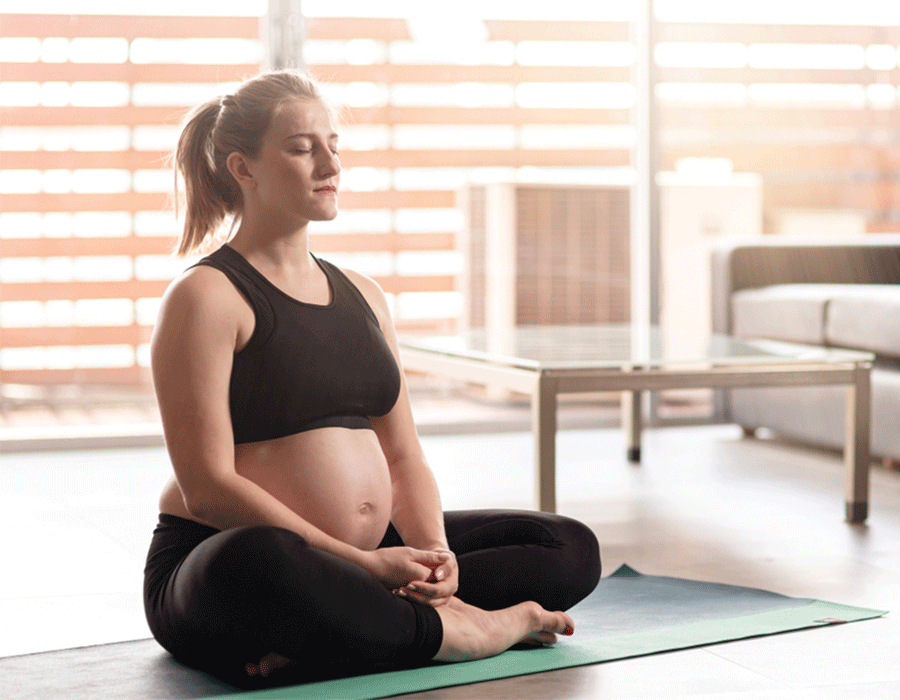
Credit: www.thebump.com
Frequently Asked Questions
Can Gym Ball Exercises Help Induce Labour Naturally?
Yes, gym ball exercises can encourage labour by promoting pelvic movement and relaxation. They improve blood flow and help the baby descend, potentially stimulating contractions naturally.
Which Gym Ball Exercises Are Best To Induce Labour?
Pelvic tilts, hip circles, and bouncing gently on the gym ball are effective. These moves open the pelvis and encourage baby positioning for labour onset.
How Often Should I Do Gym Ball Exercises For Labour?
Aim for 15-30 minutes daily, broken into short sessions. Consistency helps relax muscles and encourages labour without causing fatigue or strain.
Is It Safe To Use A Gym Ball During Late Pregnancy?
Yes, gym balls are generally safe when used properly. Always consult your healthcare provider before starting exercises to ensure they suit your condition.
Conclusion
Using gym ball exercises can help prepare your body for labor. They encourage movement and improve pelvic flexibility. These exercises may ease discomfort and promote baby’s descent. Always listen to your body and avoid pain. Consult your doctor before starting any new exercise.
Gentle, steady effort works best for most women. Stay comfortable and take breaks when needed. Small steps can support a smoother labor experience. Trust your body’s natural timing and signals.







