
Are you tired of knee pain holding you back during your workouts or daily activities? Strengthening your knees at the gym can make a huge difference in how you move, feel, and perform.
Imagine having stronger, more stable knees that support every step you take, whether you’re lifting weights or just walking around. You’ll discover simple yet effective knee strengthening exercises designed to boost your knee health and prevent injuries. Keep reading to learn how you can protect your knees and take your fitness to the next level.
Benefits Of Knee Strengthening
Strengthening knees at the gym helps reduce pain and improves stability. Strong muscles support joints, making daily activities easier and safer. Regular exercises also lower injury risk and boost overall mobility.
Knee strengthening exercises at the gym offer a multitude of benefits that can enhance your overall quality of life. Whether you’re an athlete looking to improve performance or someone seeking to prevent injuries, these exercises can play a crucial role in your fitness journey. Let’s dive into the specific advantages of focusing on knee strengthening.Enhancing Stability And Support
Strengthening your knees boosts stability, helping you maintain balance during everyday activities. With stronger knees, you feel more confident tackling tasks like climbing stairs or hiking trails. A personal experience: after committing to knee strengthening exercises, I noticed a dramatic improvement in my ability to perform squats with ease.Reducing Injury Risks
A robust knee joint is less prone to injuries, which is especially important if you lead an active lifestyle. By building the muscles around your knee, you provide added protection to the joint. Imagine skipping that painful knee twist during a soccer game—strong knees can make this a reality.Improving Athletic Performance
Knee strength directly impacts your athletic abilities. Whether it’s running, jumping, or lifting, powerful knees enhance your performance. Have you ever wondered why some athletes seem to move effortlessly? Their secret is often strong, well-conditioned knees. Integrating knee strengthening exercises into your gym routine not only safeguards your knees but also elevates your fitness level. Are you ready to take the next step towards healthier knees?Key Muscles For Knee Strength
Building strong knees isn’t just about focusing on the joint itself. It’s about the muscles around the knee that support, stabilize, and move it. Strengthening these muscles can reduce pain, prevent injuries, and improve your overall mobility.
Quadriceps Role
Your quadriceps, located at the front of your thigh, are the primary muscles responsible for straightening your knee. They absorb much of the shock when you walk, run, or jump. If these muscles are weak, your knee takes more strain, increasing your risk of injury.
Think about squats or leg presses; they target your quads effectively. Have you noticed how your knees feel after a solid set of these exercises? That’s your quads working hard to protect your knees.
Hamstrings Importance
The hamstrings are at the back of your thigh and help bend your knee. They balance the action of the quadriceps, preventing excessive forward movement of the shin bone. Without strong hamstrings, your knees become unstable during activities like running or climbing stairs.
Try adding hamstring curls or deadlifts to your gym routine. These moves keep your knees safe by supporting proper joint alignment and movement control.
Glute Engagement
Many overlook the glutes when thinking about knee strength. However, your glute muscles stabilize your hips and help control knee alignment, especially during dynamic activities. Weak glutes can cause your knees to cave inward, increasing injury risk.
Exercises like hip thrusts and lateral band walks activate your glutes, giving your knees better support. Have you felt how tight your hips get after sitting all day? Activating your glutes can counteract that stiffness and protect your knees.
Calf Contributions
Your calves play a key role in knee function by supporting ankle movement and aiding balance. Strong calves help absorb impact and reduce stress on the knees during walking or running. Neglecting calf strength can lead to altered gait patterns that strain your knees.
Calf raises and jump rope sessions are simple ways to build calf strength. Notice how improving your calf power changes your overall leg stability and knee comfort?
Effective Gym Exercises
Building strong knees requires more than just general leg workouts. Effective gym exercises target specific muscles around your knee to improve stability and reduce injury risk. These exercises not only enhance strength but also support your everyday movements and athletic performance.
Squats Variations
Squats are a powerhouse for knee strength, but varying your squat type can target different muscle groups. Try goblet squats to improve form and balance, or Bulgarian split squats to focus on each leg individually. These variations help you build strength evenly, reducing the chance of muscle imbalances that stress your knees.
Leg Press Techniques
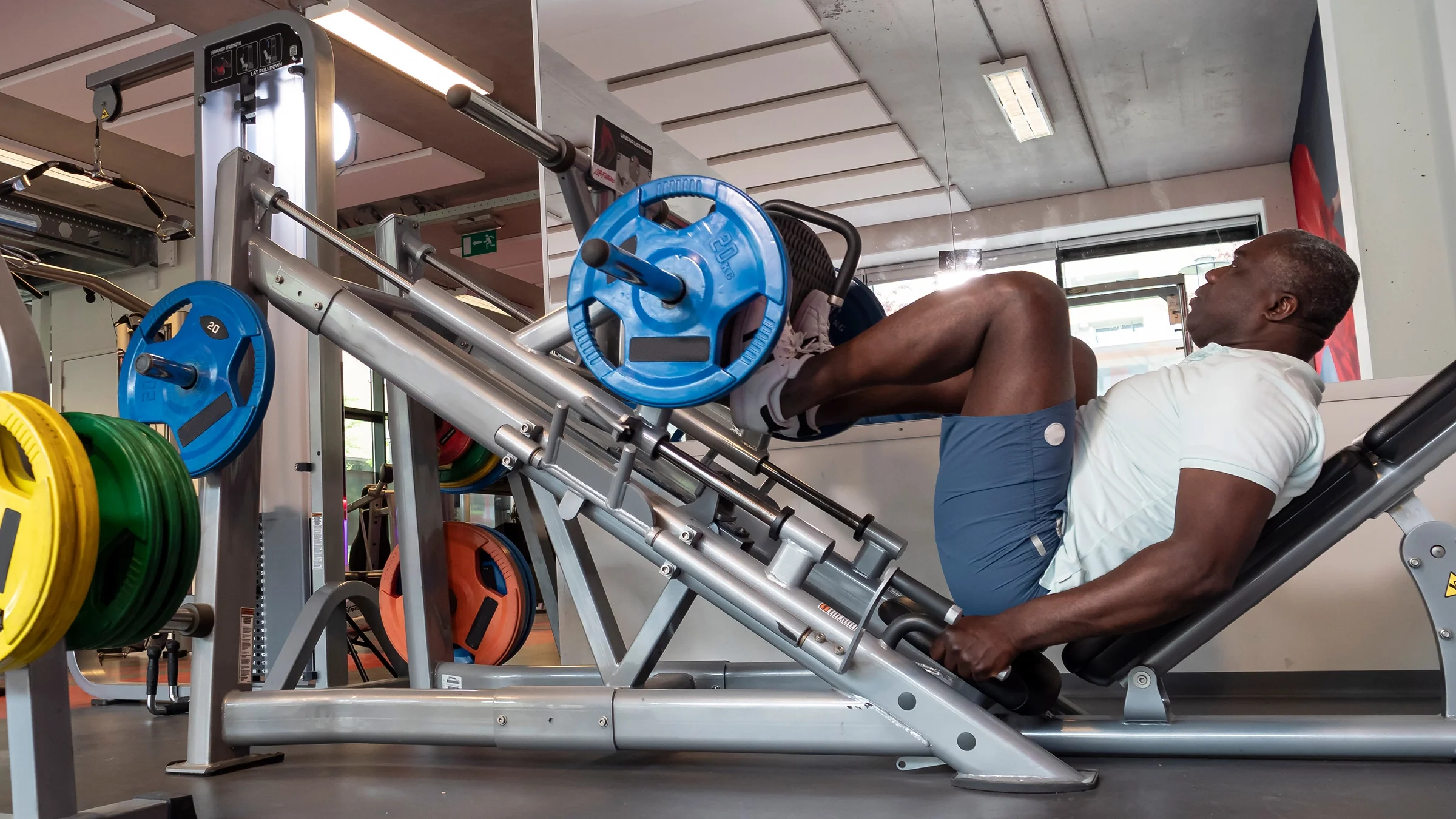
The leg press machine allows you to add resistance safely while focusing on your quads, hamstrings, and glutes. Adjust your foot placement to emphasize different muscles—higher for hamstrings, lower for quads. Pay attention to your knee alignment during presses; pushing through the heels keeps pressure off your joints and maximizes muscle engagement.
Lunges And Step-ups
Lunges and step-ups mimic real-life movements and challenge your knee stability. Start with bodyweight lunges and gradually add dumbbells to increase intensity. Step-ups on a bench engage your knee extensors and improve balance—perfect for preventing injuries when you move quickly or change direction.
Hamstring Curls
Strengthening your hamstrings balances the work your quads do, protecting your knee from strain. Use the hamstring curl machine to isolate these muscles effectively. Try both seated and lying variations to hit the hamstrings differently and avoid plateaus in strength gains.
Calf Raises
Strong calves support your knee by absorbing shock during walking and running. Perform standing calf raises with or without weights to build endurance and power. Consider single-leg calf raises to improve balance and correct any side-to-side weakness.
Credit: www.goodrx.com
Proper Form And Tips
Proper form is key to safe and effective knee strengthening exercises. It helps prevent injury and improves workout results. Following simple tips enhances your exercise routine and protects your joints.
Maintaining Knee Alignment
Keep your knees in line with your toes during all movements. Avoid letting knees collapse inward or push outward. Proper alignment reduces stress on ligaments and joints. Use a mirror or ask a trainer to check your form.
Avoiding Common Mistakes
- Do not lock your knees at full extension.
- Avoid letting your knees go past your toes in squats or lunges.
- Keep your feet flat on the floor throughout the exercise.
- Don’t rush through the movements; control is crucial.
These habits protect your knees and improve muscle engagement.
Breathing And Tempo Control
Inhale deeply before starting the movement. Exhale slowly as you exert force or lift weight. Maintain a steady pace to keep muscles engaged.
Slow and controlled movements boost strength and stability around the knee. Avoid holding your breath to reduce fatigue and dizziness.
Incorporating Flexibility And Balance
Adding flexibility and balance to your knee strengthening routine can change how your knees feel day to day. Flexibility helps your joints move smoothly, while balance builds the control needed to prevent falls or injuries. Together, they create a strong foundation that supports every gym session and daily activity.
Stretching For Knee Health
Stretching after your knee exercises is key to keeping your muscles loose and your joints happy. Focus on stretches that target the muscles around your knee, like your quadriceps, hamstrings, and calves.
- Quadriceps stretch:Stand on one leg, pull your other foot toward your buttocks, and hold for 20-30 seconds.
- Hamstring stretch:Sit on the floor, extend one leg, and reach toward your toes without bouncing.
- Calf stretch:Place your hands on a wall, step one foot back, and press your heel down.
Have you noticed how tight muscles can limit your knee’s range of motion? Regular stretching can prevent that stiffness and even reduce knee pain over time.
Balance Drills To Support Stability
Balance drills are a simple way to improve how your knees respond to sudden movements or uneven surfaces. Try standing on one leg for 30 seconds, then switch. To add challenge, close your eyes or stand on a soft surface like a foam pad.
Using balance boards or stability balls also works wonders. These tools force your muscles to adjust constantly, strengthening the tiny stabilizers around your knee that regular exercises might miss.
How often do you challenge your balance during workouts? Even a few minutes can make a difference in your knee’s stability and reduce the risk of injury.

Credit: www.youtube.com
Progression And Frequency
Building stronger knees at the gym requires more than just showing up. How you increase the challenge and how often you train make a big difference in your progress and injury risk. Understanding the right pace and frequency helps you stay on track and avoid setbacks.
Increasing Intensity Safely
Start with weights or resistance levels that feel challenging but doable. If you can easily complete your sets, it’s time to add more weight or increase resistance.
Try increasing by small amounts, like 5-10% each week. This keeps your joints and muscles adapting without strain.
Listen to your body closely. Sharp pain is a warning sign—ease back or adjust your exercise.
Have you ever felt stronger one day and then sore the next? That’s your body signaling how much stress it can handle.
Recommended Workout Frequency
For knee strengthening, aim for 2 to 3 sessions per week. This gives your muscles enough time to recover and grow stronger.
Too frequent workouts without rest can cause overuse injuries. Too few sessions slow your progress.
Mix in rest or low-impact activities like swimming or cycling on off days. This supports recovery while keeping you active.
Think about your weekly schedule—how can you fit in consistent knee workouts without skipping rest?
When To Seek Professional Guidance
Knowing when to seek professional guidance during knee strengthening exercises is vital. Proper support helps prevent injury and promotes faster recovery. Listening to your body’s signals ensures you train safely and effectively.
Signs Of Overuse Or Injury
- Persistent knee pain lasting more than a few days
- Swelling or redness around the knee joint
- Sharp or sudden pain during exercise
- Difficulty bending or straightening the knee
- Feeling instability or the knee giving way
- Reduced range of motion or stiffness
These signs suggest overuse or injury. Continuing exercises without help may worsen the condition.
Working With Trainers And Therapists
Certified trainers guide you through safe knee exercises. They adjust routines based on your ability and progress. Physical therapists offer specialized care for injuries.
Professionals create tailored plans to strengthen muscles without strain. They teach proper form to avoid common mistakes. Regular check-ins help track improvements and prevent setbacks.

Credit: www.womenshealthmag.com
Frequently Asked Questions
What Are The Best Knee Strengthening Exercises At The Gym?
The best exercises include leg presses, hamstring curls, and step-ups. These target muscles supporting the knee, improving stability and strength.
How Often Should I Do Knee Strengthening Workouts?
Perform knee exercises 2-3 times per week. Consistency helps build muscle and prevent injury without overstraining your knees.
Can Knee Strengthening Exercises Help Reduce Knee Pain?
Yes, strengthening muscles around the knee reduces joint stress. This often decreases pain and improves function in daily activities.
Should I Warm Up Before Knee Strengthening Exercises?
Always warm up for 5-10 minutes. Light cardio and dynamic stretches prepare muscles and reduce injury risk during workouts.
Conclusion
Strong knees help you move better every day. Simple gym exercises build knee strength safely. Consistency matters most for lasting results. Start slow and increase effort over time. Listen to your body to avoid pain. Healthy knees support walking, running, and sports.
Keep your routine regular for best benefits. A little effort leads to big improvements. Stay patient and enjoy each small gain. Your knees will thank you in the long run.







