
Are you tired of dealing with constant back pain that limits your daily activities? Imagine finding relief with simple exercises you can do right at home.
Gym ball exercises are a gentle, effective way to strengthen your back muscles and reduce discomfort. You’ll discover easy moves that target your pain, improve your posture, and help you feel better fast. Keep reading to learn how a gym ball can become your best ally in beating back pain for good.
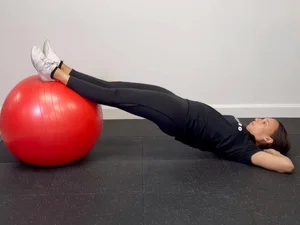
Credit: www.rehabhero.ca
Benefits Of Gym Ball For Back Pain
Using a gym ball for back pain can be a game-changer. These versatile tools offer numerous benefits that can help alleviate discomfort and improve overall back health. By integrating gym ball exercises into your routine, you may find relief and enhance your quality of life.
Improving Core Strength
A strong core is essential for a healthy back. Gym ball exercises engage your core muscles, providing an effective workout. Exercises like ball crunches challenge your stability, forcing your core to work harder, which in turn supports your spine better.
Have you ever noticed how sitting on a gym ball requires balance? This constant engagement strengthens your abdominal muscles over time. A stronger core means less strain on your back and a reduced risk of future pain.
Enhancing Posture
Good posture is crucial for back health, and a gym ball can help you achieve it. Sitting on a gym ball encourages you to sit upright, aligning your spine correctly. This practice can translate into better posture in your daily activities.
Consider swapping your office chair for a gym ball for a portion of the day. This simple change can remind you to maintain proper posture, reducing slouching and its associated back strain.
Increasing Flexibility
Flexibility plays a vital role in reducing back pain. Gym ball exercises can gently stretch and loosen tight muscles. Movements like seated ball rolls can improve the flexibility of your lumbar region.
Think about how much easier daily tasks become when your body moves freely. Incorporating flexibility exercises with a gym ball into your routine can enhance your range of motion and potentially decrease back pain.
Are you ready to give gym ball exercises a try for your back pain? Remember to start gradually and consult a professional if you’re unsure about which exercises are best for you. Your journey to a healthier back might just begin with a simple, bouncy ball.
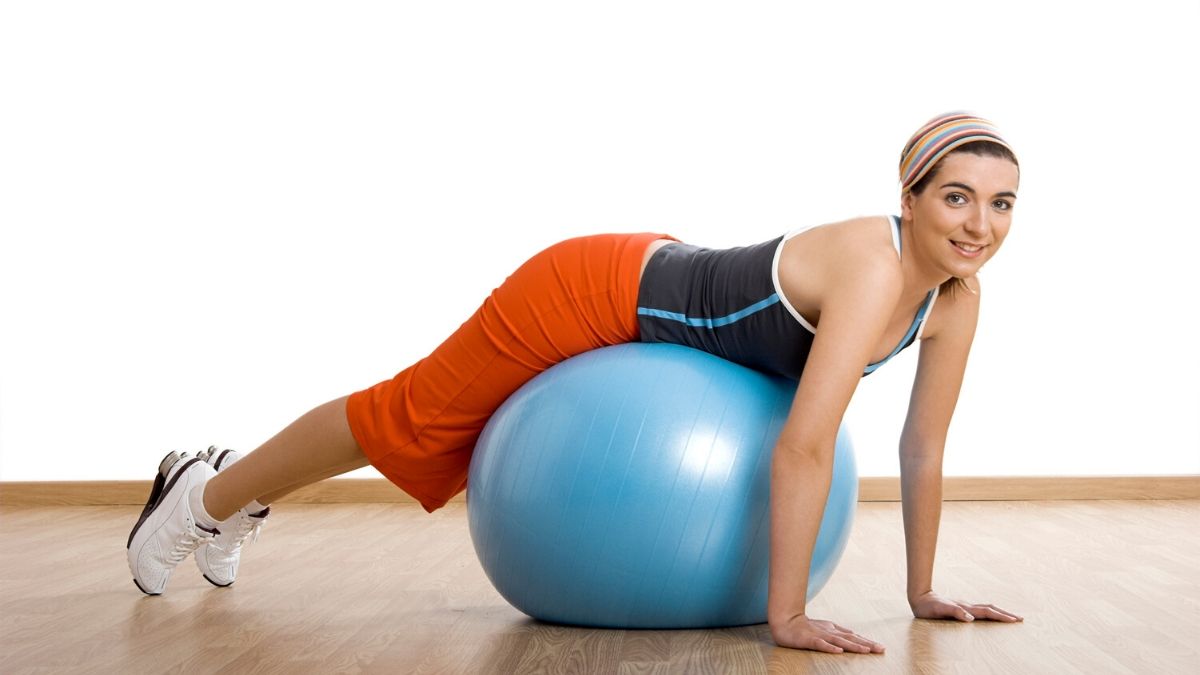
Credit: eliasschools.com
Choosing The Right Gym Ball
Choosing the right gym ball plays a key role in easing back pain effectively. The right fit supports your spine and improves posture during exercises. A poorly chosen ball may cause discomfort or injury.
Consider factors like size, weight, and material before buying a gym ball. Proper safety measures also matter to avoid accidents and ensure smooth workouts.
Size And Weight Considerations
Select a gym ball size that matches your height. Sitting on the ball, your knees should bend at a 90-degree angle. Too big or too small balls affect balance and posture.
Check the ball’s weight limit to ensure it supports your body safely. Heavier balls offer more stability but might be harder to move during exercises.
Material And Durability
Look for gym balls made from burst-resistant materials. Thick, high-quality PVC or rubber lasts longer and withstands pressure better.
A durable ball keeps its shape and firmness even after repeated use. Avoid thin, cheap balls that can easily puncture or lose air.
Safety Tips
- Check the ball for any damage before each use.
- Inflate the ball according to the manufacturer’s instructions.
- Use the ball on a non-slip surface to prevent sliding.
- Wear comfortable clothes that allow easy movement.
- Start exercises slowly to maintain balance and control.
Basic Gym Ball Exercises
Basic gym ball exercises can be a game-changer for easing back pain. They help strengthen your core and improve posture without putting extra strain on your spine. You don’t need complicated routines—just a few simple moves can make a big difference.
Pelvic Tilts
Pelvic tilts on a gym ball gently engage your lower back and abdominal muscles. Start by sitting on the ball with feet flat on the floor. Slowly tilt your pelvis forward and backward, feeling your lower back stretch and contract.
This exercise helps reduce stiffness and improves flexibility. How often do you consciously move your pelvis during the day? Adding this simple motion can ease tension you didn’t realize was there.
Bridges
Bridges on the gym ball target your glutes and lower back muscles, which support your spine. Lie on your back with your feet resting on the ball. Lift your hips toward the ceiling, hold for a few seconds, then lower down slowly.
Try to keep your core tight as you lift. This move strengthens the muscles that stabilize your pelvis and lower back, which is crucial for pain relief. Have you noticed how much your glutes contribute to back support?
Seated Marches
Seated marches help improve your balance and engage your core while sitting on the ball. Sit upright with feet flat on the floor. Lift one knee toward your chest, then lower it and repeat with the other side.
This exercise challenges your stability and wakes up deep muscles around your spine. It’s a simple way to add movement if you spend a lot of time sitting. What if a small change in how you sit could ease your back pain?
Advanced Moves For Back Relief
Advanced gym ball exercises can target your back muscles more deeply, offering stronger relief from pain. These moves challenge your stability and strength, helping to rebuild support for your spine. If you’ve mastered basic exercises, it’s time to push a little further and see real improvement.
Ball Rollouts
Ball rollouts engage your core and lower back simultaneously. Start by kneeling with your forearms on the ball. Slowly roll the ball forward, extending your body while keeping your back straight.
This movement strengthens your lower back and improves control. If your back starts to arch excessively, ease off to avoid strain. How far can you extend without losing form?
Superman Extensions
Lie face down on the ball with your hips supported and feet on the floor. Extend your arms forward, then lift your chest, arms, and legs off the ball. Hold briefly and lower back down.
This exercise targets your upper and lower back muscles. It improves posture and reduces stiffness. Can you hold the lift longer each time without discomfort?
Back Extensions
Position yourself face down on the ball with your hips resting on it and feet anchored. Place your hands lightly behind your head or crossed over your chest. Slowly lift your upper body up, squeezing your back muscles.
Back extensions build strength in your spinal erectors. They support better alignment and reduce pain during daily activities. Are you focusing on controlled movements rather than speed?
Incorporating Gym Ball Into Daily Routine
Adding a gym ball to your daily routine can make a big difference in managing back pain. It offers gentle support and encourages movement that strengthens your core and improves posture. If you’re wondering how to start, focus on simple exercises that fit easily into your day and gradually build up.
Stretching Techniques
Use the gym ball to stretch your back muscles safely and effectively. Sitting on the ball, slowly roll forward until your hands reach the floor, feeling a gentle stretch along your spine. Another great move is to lie on the ball with your feet flat on the floor and extend your arms overhead, opening your chest and relieving tension.
These stretches help release tight muscles and improve flexibility. Do you notice how your back feels more relaxed after just a few minutes? That’s a sign your body is responding well.
Combining With Other Exercises
The gym ball works best when combined with other low-impact exercises like walking or swimming. You can add core-strengthening moves like pelvic tilts or bridges using the ball for extra support. This combination targets multiple areas that contribute to back health.
Try mixing gym ball exercises with simple routines you already enjoy. How might adding just a few minutes of ball work change your current workout?
Frequency And Duration
Start with short sessions, about 10 minutes daily, to avoid overdoing it. Consistency is more important than intensity. Gradually increase the time as your comfort and strength improve.
Listen to your body—if any movement causes pain, pause and adjust. Could dedicating a small daily window for gym ball exercises be the key to easing your back pain?

Credit: www.udemy.com
Precautions And When To Avoid
Using a gym ball for back pain relief can be highly effective, but it’s important to know when to be cautious. Ignoring warning signs or pushing through pain can lead to more harm than good. Understanding the precautions and when to avoid certain exercises helps you stay safe and get the best results.
Recognizing Warning Signs
Pay close attention to how your body feels during and after exercises. Sharp or worsening pain in your back is a clear signal to stop immediately. Other warning signs include numbness, tingling in your legs, or feeling dizzy while on the gym ball.
If you notice any of these, don’t ignore them. Your body is telling you something isn’t right, and continuing could make your condition worse.
Modifications For Injuries
If you have a history of back injuries, you might need to adjust your gym ball exercises. Simple changes like reducing the range of motion or performing movements more slowly can make a big difference. You can also try supporting your lower back with a towel or cushion to ease pressure.
Remember, the goal is to strengthen without strain. Listen to your body and make changes that allow you to exercise comfortably and safely.
Consulting Healthcare Providers
Before starting gym ball exercises, especially if you have chronic back pain or a previous injury, talk to a healthcare professional. They can help you understand which exercises are safe and suggest personalized modifications. Sometimes, what feels like a good idea might not be suitable for your specific condition.
Would you risk a workout plan without expert advice when your back health is on the line? Getting guidance can save you from setbacks and speed up your recovery.
Frequently Asked Questions
What Are The Best Gym Ball Exercises For Back Pain?
Effective gym ball exercises include pelvic tilts, bridges, and seated marches. These strengthen core muscles and improve spinal alignment, reducing back pain.
How Does A Gym Ball Help Relieve Back Pain?
A gym ball promotes balance and stability. It engages core muscles, improves posture, and decreases pressure on the spine, easing back pain effectively.
Can Gym Ball Exercises Prevent Future Back Pain?
Yes, regular gym ball exercises enhance core strength and flexibility. This support reduces strain on the back and helps prevent future pain episodes.
How Often Should I Do Gym Ball Exercises For Back Pain?
Perform gym ball exercises 3 to 4 times weekly. Consistency improves muscle strength and spinal support, aiding long-term back pain relief.
Conclusion
Using gym ball exercises can ease your back pain effectively. These moves strengthen your muscles gently and improve your posture. Regular practice helps reduce stiffness and boosts flexibility. Start slowly and listen to your body’s signals. Consistency is key for lasting relief and better back health.
Small steps lead to big changes over time. Stay patient and keep moving for a stronger, pain-free back.







