
Are you ready to build a stronger, more defined core? Your abs do more than just look great—they support your posture, improve balance, and boost overall strength.
But not all ab exercises are created equal, especially at the gym where options can be overwhelming. You’ll discover the best ab exercises that truly work, helping you get the results you want faster. Keep reading to unlock simple, effective moves that will transform your workout and your core.
Benefits Of Strong Abs
Strong abs improve posture and balance during daily activities. Good ab exercises at the gym help build core strength and reduce back pain. A solid core also supports better athletic performance and overall fitness.
Benefits of Strong AbsA strong core offers numerous advantages. It impacts your overall health and fitness. Developing strong abs is not just about aesthetics. It’s about enhancing your quality of life.Improved Posture
Strong abs support your spine. They help maintain a straight posture. Good posture reduces strain on your back. It also prevents slouching. With a strong core, you stand tall and confident. This can also reduce the risk of back pain.Enhanced Athletic Performance
A solid core boosts athletic performance. It enhances your balance and stability. Athletes benefit from powerful abs. They provide better control in sports. Core strength helps in activities like running and jumping. It ensures efficient movement and agility.Reduced Risk Of Injury
Strong abs protect you from injuries. They stabilize your body. This stability prevents falls and mishaps. A robust core is essential for daily activities. It helps with lifting and bending safely. Preventing injuries means fewer setbacks.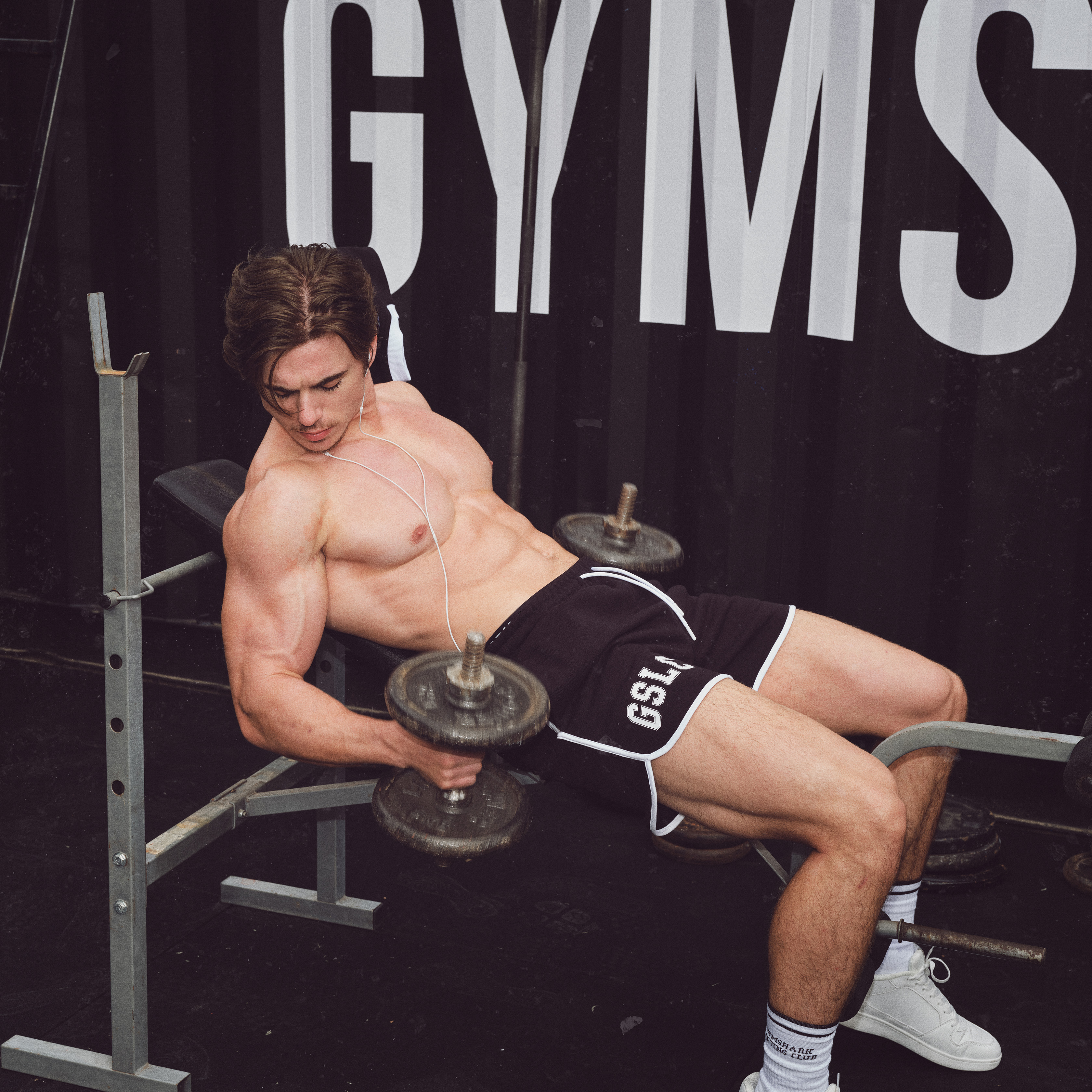
Credit: www.gymshark.com
Key Muscles In The Core
The core is more than just the six-pack muscles. It includes several important muscles that help with balance, strength, and posture. Understanding these muscles helps target them effectively during gym workouts.
Strong core muscles improve overall fitness and reduce injury risk. Each muscle plays a unique role in stabilizing the body and supporting movement.
Rectus Abdominis
This muscle runs down the front of the abdomen. It is the most visible muscle, often called the “six-pack.” The rectus abdominis helps with bending forward and stabilizing the spine. Many gym ab exercises focus on this muscle.
Obliques
Obliques are on the sides of the abdomen. They help twist and bend the torso. Strengthening obliques improves rotation and side movement. They also support the spine during dynamic actions.
Transverse Abdominis
This deep muscle wraps around the abdomen like a belt. It stabilizes the spine and pelvis. The transverse abdominis helps maintain good posture and supports breathing. It is essential for core strength and injury prevention.
Effective Gym Equipment For Abs
Finding the right gym equipment can transform your ab workouts from basic to highly effective. Choosing tools that challenge your core in different ways helps you build strength and definition faster. Let’s look at some equipment that can make your abs work harder and smarter at the gym.
Cable Machines
Cable machines are excellent for targeting your abs with controlled resistance. You can perform exercises like cable crunches or standing woodchoppers that engage your entire core.
These machines let you adjust the weight to fit your fitness level, making it easy to progress. Have you tried rotating your torso against the cable’s pull? It activates your obliques in a way crunches alone don’t.
Ab Rollers
Ab rollers may look simple, but they demand a lot from your core muscles. Rolling out and back forces your abs to stabilize your body, improving both strength and endurance.
If you haven’t used an ab roller, start on your knees to avoid strain. This tool is great for developing deep core muscles that support your spine and improve posture.
Medicine Balls
Medicine balls add dynamic movement to your ab workouts. Tossing or twisting with a medicine ball challenges your core to control force and maintain balance.
Try seated Russian twists or overhead slams with a medicine ball. These exercises boost power and coordination, not just strength.
Are you ready to add variety and intensity to your gym routine with these equipment choices?

Credit: www.youtube.com
Top Ab Exercises With Weights
Adding weights to your ab routine can take your core strength to the next level. Weighted exercises challenge your muscles more, leading to better definition and endurance. If you want to push beyond basic bodyweight moves, these top ab exercises with weights are perfect for your gym sessions.
Cable Crunches
Cable crunches let you control resistance throughout the movement, making your abs work harder. Use a rope attachment and kneel facing the machine. Pull the rope down while crunching your abs, focusing on contracting your core with each rep.
What’s great is how you can easily adjust the weight to match your strength. This exercise also helps improve posture by engaging your lower back along with your abs. Try adding cable crunches to your routine for a solid core burn.
Weighted Decline Sit-ups
Holding a weight plate or dumbbell during decline sit-ups intensifies the movement. Lie back on a decline bench and hold the weight close to your chest. As you sit up, squeeze your abs and keep your movements controlled to avoid using momentum.
This exercise targets the upper and lower abs effectively. Have you noticed how adding just a little extra weight makes the same sit-up feel much tougher? It’s a simple way to challenge your core and build strength faster.
Russian Twists With Medicine Ball
Russian twists work your obliques and help improve rotational strength. Sit on the floor, lean back slightly, and hold a medicine ball. Twist your torso from side to side, touching the ball to the ground near your hips with each twist.
The medicine ball adds resistance, so your obliques have to work harder. You can increase the weight or speed to keep progressing. How often do you focus on your side abs? This move is a reminder how important it is to train all parts of your core.
Bodyweight Moves For Core Strength
Bodyweight moves build core strength without equipment. These exercises improve stability, balance, and endurance. They activate deep muscles that support your spine and posture. You can do them anywhere at the gym or home.
Planks And Variations
Planks are a simple way to engage the entire core. Hold a straight line from head to heels. Keep your elbows under shoulders and tighten your abs. Try side planks to target obliques and improve balance. For more challenge, lift one leg or arm while holding the plank.
Hanging Leg Raises
Hanging leg raises work the lower abs and hip flexors. Hang from a pull-up bar with arms fully extended. Slowly lift your legs up to 90 degrees or higher. Avoid swinging by controlling the movement. Lower your legs with control for maximum effect.
Mountain Climbers
Mountain climbers combine cardio and core strength. Start in a high plank position. Bring one knee toward your chest, then quickly switch legs. Keep your hips low and back flat. This move increases heart rate and tones the abs at once.

Credit: www.housefit.ca
Tips For Maximizing Ab Workouts
Maximizing ab workouts requires more than just doing many crunches. Focus on quality over quantity to see real results. Proper technique, correct breathing, and gradual challenge help build strong abs effectively. Small adjustments can make each session more productive and safer.
Proper Form And Technique
Good form targets the right muscles and prevents injury. Keep your lower back pressed to the floor during crunches. Avoid pulling your neck with your hands. Engage your core by tightening your stomach muscles throughout the movement. Slow, controlled motions work better than fast, jerky ones.
Breathing Patterns
Breathing correctly improves performance and muscle control. Exhale during the effort phase, like when you lift your upper body. Inhale while returning to the starting position. Holding your breath can cause tension and reduce oxygen flow. Practice steady breathing to maintain rhythm and energy.
Progressive Overload
Challenge your abs by increasing difficulty over time. Add weight with a medicine ball or plate during exercises. Increase the number of reps or sets gradually. Try more complex moves like hanging leg raises or cable crunches. Progressive overload helps muscles grow and prevents workout plateaus.
Common Mistakes To Avoid
Many people focus on doing endless ab exercises at the gym, but they often miss key points that limit their progress or even cause injury. Avoiding common mistakes can make your workouts more effective and safer. Let’s look at some pitfalls you might be falling into without realizing it.
Overtraining The Abs
It’s tempting to work your abs every day, thinking more reps mean faster results. However, abs are muscles too—they need time to recover like any other muscle group. Overtraining can lead to fatigue, reduced performance, and even lower back pain.
Try giving your abs at least 48 hours to rest between intense workouts. Instead of daily ab sessions, focus on quality over quantity and listen to your body’s signals.
Neglecting Other Core Muscles
Your core is not just your abs. It includes muscles in your lower back, hips, and pelvis that support your entire trunk. Ignoring these muscles can create imbalances and increase injury risk.
Have you ever felt tightness or discomfort during ab workouts? It might be because those supporting muscles are weak or underused. Add exercises like planks, bridges, and rotational moves to balance your core strength.
Poor Posture During Exercises
Many gym-goers perform ab exercises with incorrect posture, which reduces effectiveness and strains the neck or lower back. Rounding your back or pulling on your neck during crunches is a common mistake.
Focus on engaging your core by drawing your belly button toward your spine and keeping your movements controlled. If you feel pain anywhere besides your abs, stop and reassess your form—you might need to slow down or adjust your position.
Integrating Abs Into Full-body Routine
Integrating ab exercises into a full-body gym routine helps build a strong, balanced core. A strong core supports all movements and improves posture. It also reduces injury risk during workouts and daily activities.
Focusing only on abs can lead to muscle imbalance. Combining abs with other muscle groups creates better overall strength. This approach saves time and boosts workout effectiveness.
Balancing Core With Compound Movements
Compound exercises work multiple muscles at once, including the core. Movements like squats, deadlifts, and overhead presses engage abs naturally. They improve core strength while training other body parts.
Adding targeted ab exercises complements these lifts. Planks, leg raises, and cable crunches isolate the core. This combination builds endurance and stability in the midsection.
Frequency And Recovery
Training abs three to four times a week is ideal. The core muscles recover quickly but still need rest. Overworking abs can lead to fatigue and poor form.
Mix light and intense ab workouts to avoid burnout. Pay attention to how your body feels. Rest days are important for muscle repair and growth.
Combining Cardio And Strength
Cardio supports fat loss, revealing toned abs underneath. Running, cycling, or rowing increases heart rate and burns calories. Pair cardio sessions with strength training for best results.
Use circuit training to blend cardio and core work. This keeps your heart rate high and muscles engaged. It also saves time and boosts calorie burn.
Frequently Asked Questions
What Are The Best Ab Exercises At The Gym?
Effective gym ab exercises include planks, cable crunches, hanging leg raises, and Russian twists. These target all core muscles, improve strength, and enhance stability. Incorporating variety ensures balanced abdominal development and reduces workout monotony.
How Often Should I Do Ab Workouts At The Gym?
Perform ab workouts 3 to 4 times a week for optimal results. Allow at least one day of rest between sessions to enable muscle recovery and growth. Consistency and proper form are key to progress.
Can Gym Ab Exercises Help Reduce Belly Fat?
Ab exercises strengthen core muscles but do not directly burn belly fat. Fat loss requires a calorie deficit through diet and full-body cardio workouts. Combining both approaches leads to a toned and lean midsection.
Are Weighted Ab Exercises Effective At The Gym?
Yes, weighted ab exercises increase resistance and muscle engagement. Adding weights like medicine balls or cables intensifies the workout, promoting muscle growth and definition. Start with light weights to avoid injury.
Conclusion
Strong abs need regular and focused workouts at the gym. Choose exercises that target all parts of your core. Keep your movements slow and controlled for best results. Consistency matters more than doing many reps quickly. Rest and proper form help prevent injuries.
Pair these exercises with a healthy diet for better results. Enjoy the process and celebrate small progress. Your core strength will improve over time. Stay patient and keep pushing forward.







