
Are you looking for a safe and effective way to stay active during your pregnancy? Gym ball exercises might be exactly what you need.
Using a gym ball can help you strengthen your body, improve balance, and ease pregnancy discomforts—all while preparing you for childbirth. Imagine feeling more comfortable, energized, and confident as your body changes. You’ll discover simple gym ball exercises designed just for you and your growing baby.
Keep reading to learn how these moves can make a real difference in your pregnancy journey.
Benefits Of Gym Ball Exercises
Gym ball exercises help improve balance and strengthen core muscles during pregnancy. They also reduce back pain and promote better posture for expecting mothers. Gentle movements with the ball support flexibility and comfort throughout pregnancy.
Pregnancy is a transformative journey, filled with both excitement and challenges. As your body changes, finding exercises that support and nurture your well-being becomes essential. Gym ball exercises are a fantastic way to stay active during pregnancy, offering a range of benefits that cater to your unique needs.Improving Core Strength
Building a strong core is crucial during pregnancy. A gym ball provides the perfect platform to engage your core muscles safely. Simple exercises like pelvic tilts or seated ball circles can activate these muscles without straining your back. Have you noticed how even a slight movement on the ball requires your core to engage? This subtlety ensures you’re strengthening your body while minimizing injury risks. Plus, a strong core supports better posture, which is beneficial as your belly grows.Enhancing Balance And Stability
Pregnancy can sometimes throw your balance off-kilter. The gym ball challenges your stability, helping you improve balance through gentle movements. Try sitting on the ball while watching TV or working at your desk. This simple act can enhance your stability over time. As you progress, you’ll find that everyday movements become smoother and more controlled.Reducing Pregnancy Discomfort
Pregnancy often comes with its share of discomforts—think back pain or pelvic pressure. Gym ball exercises can be a game-changer in alleviating these issues. Rocking or bouncing gently on the ball can relieve tension and improve circulation. Many moms-to-be find this particularly soothing and a welcome relief from traditional seating options. Have you tried using the ball to stretch out your back? It’s an effective way to ease discomfort and promote relaxation. Incorporating these exercises into your routine might just be the comfort boost you need. By integrating gym ball exercises into your routine, you can address multiple aspects of your pregnancy journey. These benefits not only support your physical health but also contribute to a more enjoyable and comfortable experience. So, why not give it a try and feel the difference for yourself?
Credit: 6degreeshealth.com.au
Choosing The Right Gym Ball
Choosing the right gym ball is important for safe and effective pregnancy exercises. A well-fitted ball supports the body properly and helps maintain balance. Comfort and stability also depend on the ball’s size, material, and safety features.
Selecting The Correct Size
The size of the gym ball affects comfort and posture during exercises. Sitting on the ball, your knees should be at a 90-degree angle, with feet flat on the floor. Typical sizes range from 45 cm to 75 cm in diameter. Use this guide to pick the right size:
- Under 5 feet tall: 45 cm ball
- 5 to 5 feet 5 inches: 55 cm ball
- 5 feet 6 inches to 6 feet: 65 cm ball
- Taller than 6 feet: 75 cm ball
Correct size helps maintain good posture and reduces strain on the back.
Material And Durability
Gym balls come in different materials like PVC or rubber. Choose a ball made from burst-resistant, non-toxic materials. It should feel firm but flexible. Durability matters to prevent sudden popping during use. A high-quality ball lasts longer and handles body weight safely.
Safety Features To Consider
Safety is key during pregnancy workouts. Look for balls with anti-slip surfaces to avoid slipping. Some balls offer slow deflation features to reduce injury risks if punctured. Also, check weight limits to ensure the ball can support your body. These features keep you safe and confident while exercising.
Safe Gym Ball Exercises For Pregnancy
Using a gym ball during pregnancy supports gentle movement and balance. These exercises help ease back pain and improve posture. They also prepare the body for labor by strengthening key muscles safely.
Focus on slow, controlled motions. Avoid over-stretching or sudden moves. Always keep your feet flat on the ground to maintain stability.
Pelvic Tilts On The Ball
Sit on the gym ball with feet flat and hip-width apart. Tighten your abdominal muscles gently. Tilt your pelvis forward and back slowly. This movement relieves lower back tension and strengthens pelvic muscles.
Seated Hip Circles
Remain seated on the ball with a straight spine. Move your hips in small circles, clockwise then counterclockwise. This exercise improves hip flexibility and reduces stiffness. Keep the movements smooth and controlled.
Wall Squats With The Ball
Place the gym ball between your lower back and a wall. Walk feet slightly forward and lower into a squat. Keep knees behind toes and back supported by the ball. Hold for a few seconds, then rise slowly. This strengthens legs and supports the pelvis.
Gentle Back Stretches
Lean forward on the gym ball with arms extended on the floor. Let your back stretch while keeping hips on the ball. Breathe deeply and hold for 20 seconds. This stretch eases back tightness and promotes relaxation.
Tips For Exercising Safely
Exercising with a gym ball during pregnancy can be both safe and beneficial, but it requires careful attention to how you move and listen to your body. Safety isn’t just about avoiding injury; it’s about making sure your workout supports your well-being and the baby’s development. Here are some practical tips to help you exercise safely while using a gym ball.
Maintaining Proper Posture
Keeping your posture correct on the gym ball is crucial. Sit with your feet flat on the floor, hips and knees at a 90-degree angle. This position helps stabilize your pelvis and reduces strain on your lower back.
Try to keep your back straight and avoid leaning too far forward or backward. Imagine a string pulling your head upward to keep your spine aligned. If you feel discomfort, adjust your position immediately.
Avoiding Overexertion
Pregnancy is not the time to push yourself to the limit. Pay attention to how hard you’re working, and don’t let your heart rate climb too high. A good rule is to keep exercise intensity at a level where you can still hold a conversation comfortably.
Break your routine into shorter sessions if needed. Rest often and stay hydrated. Remember, it’s about consistent movement, not intensity.
Listening To Your Body
Your body gives you constant feedback—are you paying attention? If you feel sharp pain, dizziness, or unusual shortness of breath, stop immediately. These signs mean your body is telling you something isn’t right.
Pregnancy can change how you feel during exercise, so what worked last week might not feel right today. Adjust your workout based on daily energy levels and comfort. Trusting your instincts can prevent many complications.
Modifications For Different Trimesters
Pregnancy brings many changes to your body, and adjusting your gym ball exercises to suit each trimester is key for safety and effectiveness. Each stage requires different care to support your growing baby and maintain your strength. Knowing how to modify your routine can make your workouts more comfortable and beneficial.
First Trimester Adjustments
In the first trimester, your body is still adapting to pregnancy. Focus on gentle movements and avoid holding your breath during exercises. You can continue most basic gym ball exercises, but keep the intensity low to prevent fatigue.
Balance might feel a bit off, so use a wall or chair nearby for extra support. Pay attention to how you feel—if you notice dizziness or nausea, stop and rest. Light pelvic tilts and seated marches on the ball are great to start building core strength safely.
Second Trimester Techniques
As your belly grows, your center of gravity shifts. This means you’ll need to adjust your posture and exercise range. Sit on the ball with your feet wider apart to create a stable base.
Try gentle bouncing or hip circles to relieve lower back tension. Avoid exercises that require lying flat on your back, as this can reduce blood flow. Instead, focus on seated stretches and supported squats using the ball to keep your muscles engaged without strain.
Third Trimester Precautions
In the final trimester, your priority is comfort and safety. Your balance will be more challenged, so avoid quick or jerky movements on the ball. Opt for slow, controlled exercises that support your pelvic floor and help open your hips.
Using the ball against a wall can add stability during exercises like wall squats. Listen closely to your body—if you feel any pain or sharp discomfort, stop immediately. Have you noticed how small adjustments make a big difference in your comfort during these last weeks?

Credit: www.youtube.com
Incorporating Gym Ball Into Daily Routine
Adding a gym ball to your daily routine during pregnancy can make a big difference in how you feel. It’s a simple tool that supports your body while helping you stay active and comfortable. The key is to fit it in easily without overwhelming your day, making each session count.
Short Exercise Sessions
Even five to ten minutes with a gym ball can boost your strength and balance. Try sitting on the ball while watching TV or working at a desk to engage your core muscles gently. Quick exercises like pelvic tilts or gentle bouncing can improve circulation and reduce back pain.
Have you noticed how small, consistent movements make a difference over time? Short sessions fit well into busy days and help you stay mindful of your body’s needs.
Combining With Prenatal Yoga
Your gym ball complements prenatal yoga by adding extra support and stability. Use it during stretches to deepen poses without strain. For example, sitting on the ball while doing seated twists can feel soothing and safe for your belly.
Adding the ball to your yoga flow can help you maintain proper posture and balance. How might this gentle mix help you feel more grounded and flexible as your body changes?
Using The Ball For Relaxation
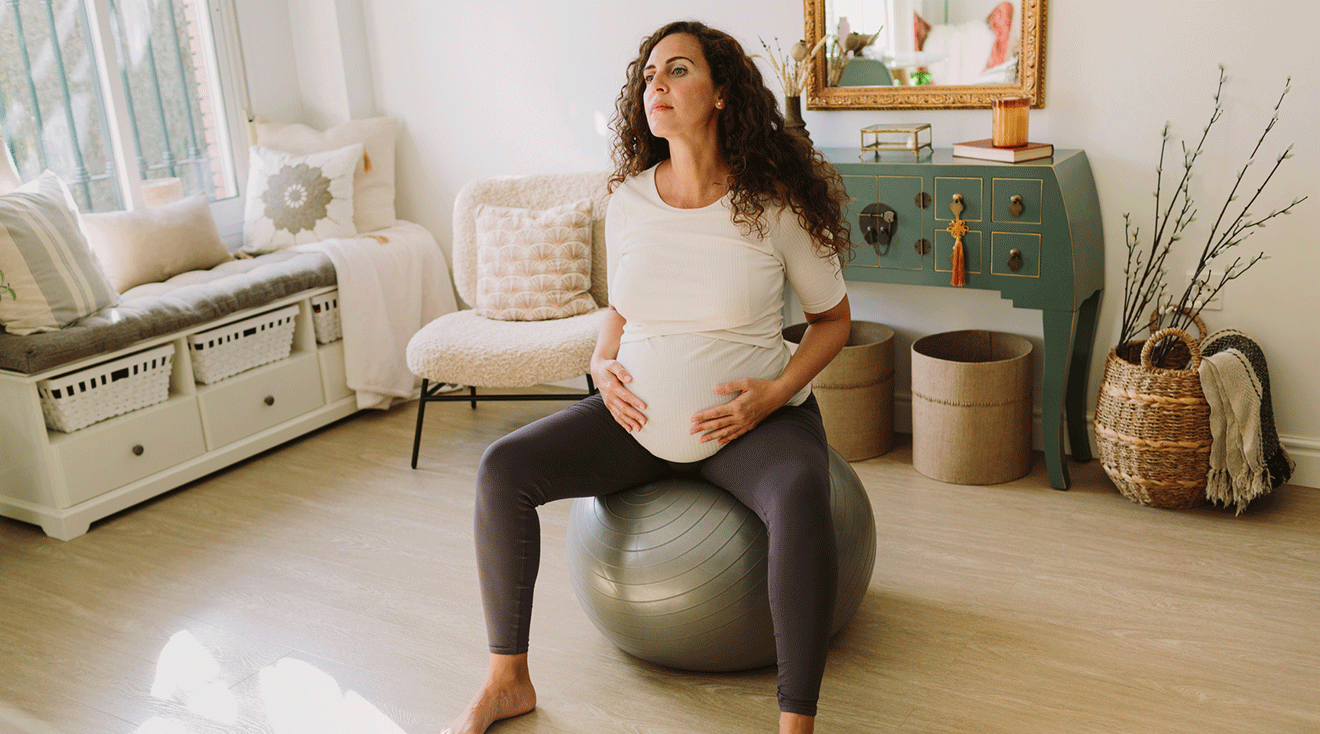
The gym ball isn’t just for exercise—it’s a great tool for relaxation. Leaning back on the ball can open your chest and ease tension in your shoulders. Gentle rocking motions can calm your mind and help with breathing.
Try this when you feel stressed or tired. Could this simple practice become your go-to way to unwind after a long day?
Credit: www.thebump.com
Frequently Asked Questions
What Are The Benefits Of Gym Ball Exercises During Pregnancy?
Gym ball exercises improve balance, strengthen core muscles, and enhance posture. They reduce back pain and prepare the body for labor. These exercises also promote relaxation and increase pelvic flexibility, aiding a smoother delivery and faster postpartum recovery.
Is It Safe To Use A Gym Ball While Pregnant?
Yes, gym ball exercises are generally safe during pregnancy when done correctly. Always consult your healthcare provider first. Avoid exercises that cause discomfort or imbalance. Use a properly sized ball and maintain good posture to prevent falls or injuries.
How Often Should Pregnant Women Do Gym Ball Exercises?
Pregnant women should aim for 3-4 sessions per week. Each session can last 15-30 minutes, depending on comfort. Consistency helps improve strength and flexibility. Listen to your body and rest if you feel tired or uneasy during exercises.
Which Gym Ball Exercises Help With Labor Preparation?
Exercises like pelvic tilts, hip circles, and gentle bouncing on the ball help. These movements open the pelvis, improve flexibility, and encourage optimal fetal positioning. Regular practice can reduce labor duration and ease delivery discomfort.
Conclusion
Using gym ball exercises during pregnancy helps keep your body strong and flexible. These exercises support your balance and ease back pain. They also prepare your body for labor and delivery. Always listen to your body and move gently. Talk to your doctor before starting any new exercise.
Stay safe and enjoy the benefits of staying active with a gym ball. Small steps make a big difference for you and your baby. Keep moving, stay comfortable, and feel good every day.







