
Are you ready to build stronger muscles and boost your confidence at the gym? Push exercises are the key to sculpting your chest, shoulders, and triceps.
Whether you’re a beginner or looking to level up your routine, mastering push exercises can transform your workouts and deliver noticeable results faster. You’ll discover simple, effective push exercises that fit any gym session. Keep reading to unlock the secrets that will power up your strength and help you achieve your fitness goals.
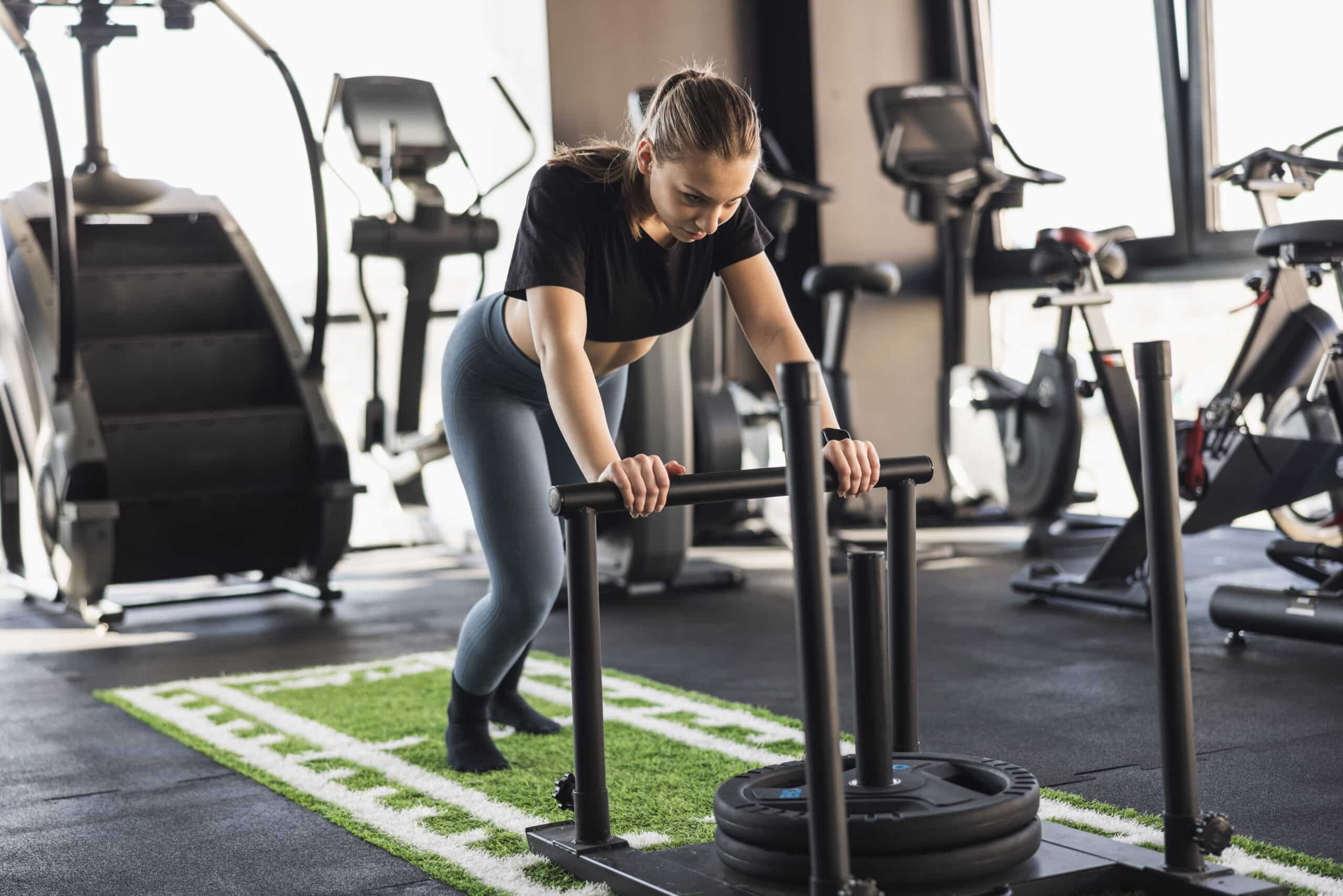
Credit: generationiron.com
Benefits Of Push Exercises
Push exercises build upper body strength by targeting chest, shoulders, and triceps. They improve muscle tone and help with everyday movements. Regular push workouts also boost endurance and support better posture.
Push exercises are a staple in any effective workout routine. They help build strength, enhance endurance, and target multiple muscle groups. Whether you’re lifting weights or using your body weight, push exercises offer numerous benefits that can elevate your fitness game.Muscle Groups Targeted
Push exercises are great for targeting major muscle groups. They primarily focus on your chest, shoulders, and triceps. When you push a weight or your body away from you, these muscles engage, helping you build size and strength. Remember the last time you did a set of push-ups? That burning sensation in your chest and arms? That’s your muscles working hard. Add variety to your routine with exercises like bench presses and overhead presses to keep challenging these muscle groups.Improved Functional Strength
Push exercises aren’t just about looking good—they boost your functional strength too. This means they help you perform everyday activities more efficiently. Think about lifting a grocery bag or pushing a heavy door open. With stronger muscles, these tasks become much easier. Functional strength is crucial, as it enhances your ability to perform tasks that you encounter daily. Plus, who doesn’t love the feeling of being able to move through life with more ease?Enhanced Muscle Endurance
Regular push exercises can significantly improve your muscle endurance. This means your muscles can work longer without getting tired. It’s not just about lifting heavier weights; it’s about being able to perform more reps with good form. Imagine being able to do more push-ups in a row, or pressing a heavier weight with ease. Increased muscle endurance helps you perform better in both your workouts and daily life activities. So, how many push-ups can you do before you feel the burn? Challenge yourself and watch your endurance grow. Incorporate push exercises into your regular routine and notice the difference they make. Are you ready to push your limits?Key Push Movements
Push exercises form the backbone of any solid gym routine. They target the chest, shoulders, and triceps, helping you build strength and muscle definition. Understanding the key push movements will improve your workout efficiency and reduce the risk of injury.
Push-ups Variations
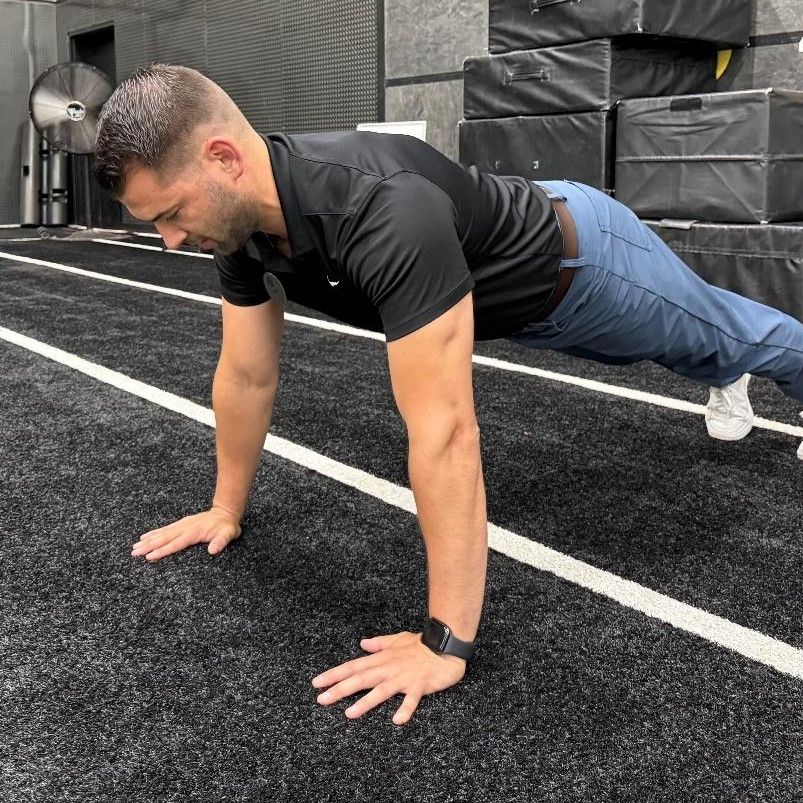
Push-ups are a classic exercise that anyone can do anywhere. But have you tried changing your hand placement or elevating your feet? These simple tweaks shift the focus to different muscles, making your workout more dynamic.
- Standard Push-Up:Great for overall chest and triceps development.
- Diamond Push-Up:Focuses more on the triceps and inner chest.
- Incline Push-Up:Easier on the shoulders, perfect for beginners or warm-ups.
- Decline Push-Up:Puts more stress on the upper chest and shoulders.
Experiment with these variations and notice how your muscles respond. Which version challenges you the most?
Bench Press Techniques
The bench press is a powerful lift but requires solid form to be effective and safe. Position your feet flat on the floor, keep your shoulder blades pinched together, and lower the bar slowly to your chest.
Controlling the descent helps prevent injury and maximizes muscle engagement. Don’t rush the lift; focus on steady breathing and a strong core to support the movement.
- Grip Width:Wide grip targets the chest more, while narrow grip emphasizes triceps.
- Bar Path:The bar should move in a slight arc, touching just below your nipples.
Try adjusting your grip width to find what feels strongest for you. Are you pushing the bar in the most efficient path?
Overhead Press Tips
The overhead press strengthens your shoulders and engages your core like few other exercises. Stand tall with your feet shoulder-width apart and press the weight overhead in a controlled motion.
Keep your elbows slightly in front of the bar to protect your shoulder joints. Avoid overarching your lower back by tightening your abs throughout the press.
- Breathing:Inhale before the press, exhale as you push the weight up.
- Head Position:Slightly tilt your head back to allow the bar to pass safely.
Have you noticed how a small adjustment in elbow placement changes your comfort and strength? Focus on form, and your progress will follow.
Building A Push Workout
Building a push workout is about more than just lifting weights. It’s about structuring your session to maximize strength gains and avoid injury. You want to target your chest, shoulders, and triceps efficiently, ensuring every rep counts.
Warm-up Essentials
Skipping a warm-up can cost you progress and increase injury risk. Start with 5 to 10 minutes of light cardio like jumping jacks or brisk walking to get your blood flowing. Follow this with dynamic stretches focused on your shoulders, chest, and triceps to prepare those muscles for the upcoming workload.
Try arm circles, shoulder shrugs, and push-up variations with low intensity. This not only primes your muscles but also improves your range of motion. Have you noticed how a proper warm-up makes your first heavy set feel smoother and less daunting?
Exercise Order And Sets
Arrange your exercises by starting with compound movements like bench presses or overhead presses. These require the most energy and engage multiple muscle groups, giving you the best return on your effort. After these, move to isolation exercises like tricep pushdowns or front raises to target specific muscles.
For strength building, aim for 3 to 5 sets of 6 to 12 reps per exercise. If your goal is muscle endurance, you might increase reps to 15 or more. Keep track of your sets and reps so you can gradually increase weight or volume over time, pushing yourself just enough without overdoing it.
Rest And Recovery
Rest between sets is crucial and depends on your goal. For strength, rest 1.5 to 3 minutes between sets to allow your muscles to recover fully. If you’re focusing on endurance or fat loss, shorter rests of 30 to 60 seconds can keep your heart rate up and challenge your stamina.
Recovery doesn’t end when the workout does. Pay attention to how your body feels the next day. Soreness is normal, but sharp pain is not. Adjust your rest days and consider light activity like walking or stretching to help your muscles heal faster.
Common Mistakes To Avoid
Push exercises are great for building strength and muscle. Many people make simple mistakes that slow progress or cause injury. Avoiding these common errors leads to better results and safer workouts.
Poor Form Issues
Using poor form puts stress on joints and muscles. It reduces workout effectiveness and increases injury risk. Keep your back straight and elbows at the right angle. Move slowly and control each repetition. Avoid locking your elbows or arching your back too much.
Overtraining Risks
Training push muscles too often causes fatigue and pain. Muscles need time to recover and grow stronger. Overtraining leads to weaker performance and potential injury. Follow a balanced schedule with rest days. Listen to your body’s signals to prevent burnout.
Neglecting Supporting Muscles
Focusing only on push muscles creates imbalances. Supporting muscles like the back and core stabilize movements. Weak support muscles increase injury risk during push exercises. Include exercises for these areas in your routine. This improves overall strength and posture.
Advanced Push Training Tips
Advanced push training helps improve strength and muscle growth. Small changes in technique and routine make big differences. Focus on controlled movements and smart progress. This section covers key tips to boost your push workouts.
Progressive Overload Strategies
Push your muscles by increasing the load regularly. Add more weight to your bench press or push-ups gradually. Increase reps or sets to challenge your muscles. Track your progress to ensure steady improvement. Avoid large jumps in weight to prevent injury.
Incorporating Resistance Bands
Resistance bands add variable tension to push exercises. They help improve muscle activation and joint stability. Use bands during push-ups or overhead presses. Choose bands with different resistance levels for variety. Bands also aid in warm-ups and injury prevention.
Using Tempo And Pauses
Control your movement speed to increase workout intensity. Slow down the lowering phase of push exercises. Pause briefly at the bottom or top of each rep. This technique improves muscle control and strength. Avoid rushing through reps to maximize gains.
Credit: www.fitandwell.com
Nutrition For Strength Gains
Nutrition plays a crucial role in pushing your strength gains to the next level. Without the right fuel, your muscles won’t recover or grow effectively after those intense push exercises. What you eat can directly impact how quickly you see progress and how strong you become.
Protein Intake Guidelines
Protein is the building block of muscle. Aim for about 1.6 to 2.2 grams of protein per kilogram of your body weight daily. This range supports muscle repair and growth without overloading your system.
Choose high-quality protein sources like chicken, fish, eggs, dairy, or plant-based options such as lentils and tofu. Spreading your protein intake evenly throughout the day helps keep your muscles fueled and ready to repair.
Pre- And Post-workout Nutrition
What you eat before and after your workout can make a big difference. About 1 to 2 hours before your session, eat a balanced meal with carbs and protein—think a chicken sandwich or yogurt with fruit.
After training, focus on replenishing glycogen and providing protein to your muscles. A simple shake with whey protein and a banana can speed up recovery and reduce soreness.
Supplements To Consider
Supplements can support your nutrition but shouldn’t replace real food. Creatine monohydrate is one of the most researched supplements and helps increase strength during push exercises.
Other options include beta-alanine for endurance and branched-chain amino acids (BCAAs) if your protein intake is low. Always check if a supplement fits your specific needs rather than grabbing what’s popular.
Tracking Progress
Tracking progress is essential in push exercises at the gym. It helps you see how far you have come. It also shows what needs improvement. Keeping track makes workouts more effective and focused. It builds motivation and confidence as you notice gains.
Using Workout Logs
Workout logs are simple tools to record your exercises. Write down the type of push exercises you do. Note the number of sets, reps, and weights used. Logging workouts daily or weekly helps spot patterns. It shows which exercises bring the best results. Using a log keeps you organized and accountable.
Measuring Strength Improvements
Strength gains are the main goal of push workouts. Measure progress by tracking the weight lifted. Increase in reps also shows strength growth. Test your maximum weight every few weeks. Notice when you lift heavier or more reps easily. These signs mean your muscles are getting stronger.
Adjusting Workouts Over Time
As you track progress, change workouts to avoid plateaus. Add more weight or extra reps for challenge. Switch exercises to target muscles differently. Adjust rest time to improve endurance or strength. Regular changes keep workouts fresh and effective. This helps maintain steady progress in push training.

Credit: www.origym.co.uk
Frequently Asked Questions
What Are The Best Push Exercises For Gym Beginners?
Best push exercises for beginners include push-ups, bench press, and shoulder presses. These build upper body strength safely. Start with light weights, focus on form, and gradually increase intensity to avoid injury and improve muscle growth.
How Do Push Exercises Improve Upper Body Strength?
Push exercises target chest, shoulders, and triceps muscles. They enhance muscle endurance and overall upper body power. Regular training improves posture, functional strength, and athletic performance by strengthening key pushing muscles effectively.
Can Push Exercises Help With Muscle Definition?
Yes, push exercises tone chest, shoulders, and triceps muscles. Combined with proper diet and cardio, they reduce fat and enhance muscle definition. Consistent workouts increase muscle size and create a more sculpted upper body appearance.
How Often Should I Do Push Exercises In My Routine?
Perform push exercises 2 to 3 times weekly with rest days in between. This frequency allows muscle recovery and optimal growth. Avoid daily push workouts to prevent overtraining and injury.
Conclusion
Push exercises build strength in your chest, shoulders, and triceps. They help improve muscle tone and boost upper body power. Regular practice supports better posture and daily movement. Start with simple moves and increase difficulty over time. Stay consistent and focus on good form to avoid injury.
Push workouts fit well in any gym routine. They help create a balanced and strong physique. Keep pushing forward, one set at a time.







