
Starting a gym routine can feel overwhelming, especially if you’re new to working out. But what if getting stronger and healthier was easier than you think?
You don’t need fancy equipment or complicated moves to make progress. With the right simple exercises, you can build confidence, avoid injury, and see results faster than you expect. Keep reading to discover easy gym exercises designed just for beginners like you—exercises that fit into your busy life and set you up for success from day one.
Your fitness journey starts here, and it’s easier than you might believe.

Credit: www.youtube.com
Basic Gym Equipment For Beginners
Starting at the gym can be overwhelming. Understanding basic equipment helps ease the journey. Knowing what to use builds confidence. This section guides beginners through essential tools.
Essential Machines
Machines offer a safe workout option. They guide your movements. Perfect for those new to the gym. Popular machines include the treadmill and stationary bike. Both improve cardiovascular health. The leg press and chest press are also key. They target major muscle groups effectively. Machines reduce the risk of injury. They support proper form.
Free Weights Guide
Free weights provide flexibility in workouts. Dumbbells and barbells are common choices. They help build strength and muscle. Start with lighter weights. Gradually increase as strength improves. Free weights engage stabilizing muscles. They enhance balance and coordination. Always maintain proper form to prevent injury.
Resistance Bands
Resistance bands are versatile and portable. They add challenge to any exercise. Suitable for strength training and flexibility. Bands come in different resistance levels. Choose based on your fitness level. They are ideal for home workouts. Easy to store and transport. Perfect for those with limited space.
Warm-up Routines
Starting your gym session with a proper warm-up is crucial. It prepares your body for exercise, reduces injury risk, and boosts your performance. Many beginners skip this step, but even a few minutes can make a big difference in how you feel and move during your workout.
Dynamic Stretching
Dynamic stretching involves moving your muscles through a full range of motion. It wakes up your joints and increases blood flow without making you feel tired.
- Arm circles: Swing your arms in controlled circles to loosen your shoulders.
- Leg swings: Gently swing one leg forward and backward to open your hip joints.
- Walking lunges: Take a step forward and bend your knees, stretching your legs and hips.
These stretches feel different from the static holds you might be used to. They keep your body active and ready to move. Have you noticed how dynamic stretches make your workout feel smoother?
Light Cardio Options
Light cardio gets your heart rate up just enough to increase circulation. It wakes up your muscles and helps you feel energized without wearing you out.
- Walking briskly on a treadmill for 5 minutes.
- Using a stationary bike at a gentle pace.
- Jumping rope slowly to find your rhythm.
Try choosing the option that feels easiest and most enjoyable to you. This small effort can help you transition from rest to exercise. What simple cardio move gets you motivated to keep going?
Simple Strength Exercises
Simple strength exercises are the foundation of any beginner’s gym routine. They help you build muscle, improve posture, and boost overall fitness without overwhelming your body. These exercises are easy to learn and can be adjusted as you gain confidence and strength.
Bodyweight Moves
Bodyweight exercises are perfect if you’re just starting out. They require no equipment and can be done anywhere. Think about squats, push-ups, and lunges—they target multiple muscle groups and improve coordination.
When I first tried push-ups, I struggled to do more than five. But with consistent practice, I noticed my upper body strength improving quickly. Have you tried slowing down your movements to focus on form? It often makes a big difference.
Dumbbell Workouts
Dumbbells are great for beginners because they allow you to control the weight and work on balance. Start with light weights to get used to the movement patterns. Exercises like dumbbell curls, shoulder presses, and goblet squats build strength safely.
Using dumbbells helped me isolate weak muscles that bodyweight exercises missed. You can try this simple routine:
- 10 dumbbell bicep curls
- 10 dumbbell shoulder presses
- 10 goblet squats
- Repeat for 2-3 sets
How do you feel about adding small weights to your workout? It can be surprisingly motivating.
Machine-based Lifts
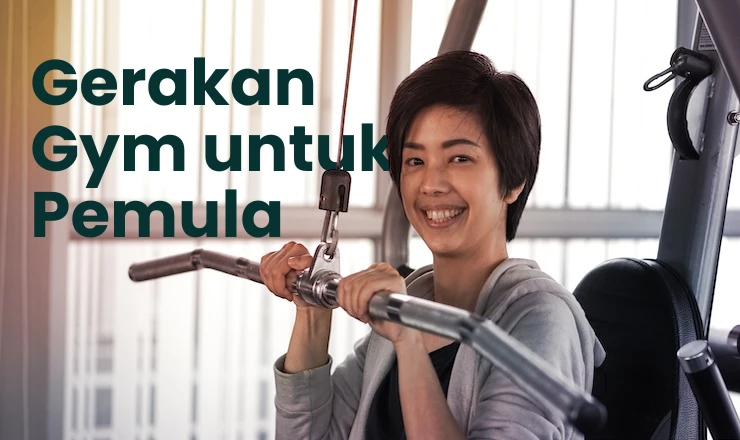
Machines guide your movements, making them ideal if you’re new or recovering from injury. They help you focus on specific muscles without worrying about balance. Try the leg press, chest press, or lat pulldown to start.
When I first used machines, I felt more confident than free weights. The controlled path reduced my fear of injury and let me build strength steadily. Have you checked if your gym offers beginner-friendly machines? They might be your best starting point.
Cardio Workouts For Starters
Starting cardio workouts can feel intimidating, but picking the right machines and techniques makes all the difference. Cardio exercises boost your heart health, burn calories, and improve stamina. You don’t need to push too hard at first—finding a comfortable pace helps build consistency and confidence.
Treadmill Tips
The treadmill is a popular choice for beginners because it mimics natural walking and running. Start with a slow walk to warm up, then gradually increase your speed. Keep your posture straight and avoid holding the handrails; this helps engage your core and improves balance.
Try mixing short intervals of faster walking or light jogging with slower recovery periods. This variation prevents boredom and challenges your body without overwhelming it. Have you noticed how even small changes in speed can affect your breathing and heart rate?
Stationary Bike Basics
The stationary bike is gentle on your joints and easy to use, making it ideal for beginners. Adjust the seat height so your knees have a slight bend at the bottom of each pedal stroke—this prevents strain and increases efficiency. Start pedaling at a steady, comfortable pace to build endurance.
Adding short bursts of higher resistance helps improve muscle strength without exhausting you. Pay attention to your breathing and how your legs feel—overdoing it can lead to soreness. What’s your favorite way to keep the ride interesting while staying in control?
Rowing Machine
Rowing works both your upper and lower body, providing a full workout in one machine. Focus on mastering the rowing technique before increasing intensity: push with your legs first, then lean back slightly while pulling the handle, and finally return smoothly. This sequence protects your back and maximizes power.
Start with short sessions of steady rowing to build stamina and avoid fatigue. Keep your movements fluid and controlled rather than fast and jerky. Have you tried tracking your strokes per minute to find a rhythm that feels right for you?
Flexibility And Mobility
Flexibility and mobility form the foundation of any successful workout routine, especially for beginners. Improving these aspects helps you move more freely, reduces the risk of injury, and makes your gym sessions more effective. You don’t need to be flexible like a gymnast to benefit; even small improvements can make a big difference in how your body feels and performs.
Stretching Techniques
Stretching is a simple way to improve flexibility and prepare your muscles for exercise. Focus on dynamic stretches before your workout, such as leg swings or arm circles, which warm up your muscles and increase blood flow. After your workout, try static stretches like holding a hamstring stretch for 20-30 seconds to help your muscles relax and lengthen.
Don’t rush through stretches. Pay attention to how your body feels and avoid pushing into pain. Have you noticed how a few deep stretches can change the way your body feels after sitting all day? That’s the power of stretching.
Foam Rolling
Foam rolling is a form of self-massage that targets tight muscles and improves mobility. Using a foam roller on areas like your calves, quads, and upper back can release muscle knots and increase blood flow. This simple tool helps your muscles recover faster and can make stretching more effective.
Start with gentle pressure and roll slowly over sore or tight spots. You might feel some discomfort, but it shouldn’t be painful. Have you ever tried foam rolling and noticed how much easier it became to move afterward? Adding just a few minutes of foam rolling can boost your flexibility and reduce muscle stiffness.

Credit: www.kreedon.com
Building A Beginner Workout Plan
Building a beginner workout plan is your first step toward a healthier lifestyle. It sets the foundation for consistency and progress. Without a clear plan, it’s easy to feel overwhelmed or lose motivation quickly.
Setting Realistic Goals
Start by asking yourself what you want to achieve. Are you looking to build strength, improve endurance, or just get moving more? Setting clear, achievable goals helps you stay motivated and track your progress.
Choose goals that challenge you but don’t cause frustration. For example, aiming to work out three times a week for 20 minutes each session is a solid start. Small wins build confidence and encourage you to keep going.
Balancing Workouts
A good beginner plan includes a mix of exercises. Combine cardio, strength training, and flexibility work to cover all bases. This approach prevents boredom and reduces the risk of injury.
- Cardio: Try walking, cycling, or light jogging for 15-20 minutes.
- Strength: Use bodyweight exercises like squats, push-ups, or dumbbell lifts.
- Flexibility: Add stretching or yoga to improve mobility.
Think about how your schedule fits these workouts. Can you split them across the week, or do you prefer a full-body session each time? Adjust based on what feels sustainable for you.
Rest Days
Rest days are just as important as workout days. Your body needs time to recover and build strength. Skipping rest can lead to burnout or injuries.
Plan at least one or two rest days every week. Use these days to relax, stretch gently, or take a light walk if you feel up to it. How do you usually feel after rest days? Notice the difference in your energy and performance.
Nutrition Tips For Fast Results
Nutrition plays a crucial role in how quickly you see results from your gym workouts. What you eat before and after exercising can boost your energy, improve recovery, and help build muscle faster. Paying attention to simple nutrition tips can make your workouts more effective and keep you motivated.
Pre-workout Snacks
Eating the right snack before your workout gives you the fuel you need to perform well. Aim for a combination of carbs and protein about 30 to 60 minutes before you start. This mix keeps your energy steady and prevents muscle breakdown.
- A banana with a spoonful of peanut butter
- Greek yogurt with a handful of berries
- Whole-grain toast topped with a slice of turkey
Have you noticed a difference in your workout when you eat something small beforehand? If not, try adjusting what and when you eat to find your best fuel.
Post-workout Meals
After exercising, your body needs protein and carbs to repair muscles and replenish energy. Try to eat a balanced meal within two hours of finishing your workout. This helps reduce soreness and supports muscle growth.
- Grilled chicken with quinoa and steamed vegetables
- A smoothie made with protein powder, banana, and spinach
- Omelet with veggies and a slice of whole-grain bread
Think about how your muscles feel the day after your workout. Are you giving your body enough nutrients to recover well?
Hydration
Water is often overlooked, but it’s essential for fast workout results. Staying hydrated helps your muscles work efficiently and reduces fatigue. Drink water before, during, and after your exercise session.
- Carry a water bottle to sip regularly
- Choose water over sugary drinks
- If your workout is intense or lasts over an hour, consider a drink with electrolytes
Have you tracked how much water you drink on workout days? Small changes in hydration can lead to big improvements in your energy and performance.
Common Mistakes To Avoid
Starting a gym routine is exciting, but it’s easy to fall into habits that slow your progress or cause injury. Knowing the common mistakes to avoid helps you stay on track and make the most of every workout. Let’s break down some pitfalls you might not realize you’re making and how to fix them.
Overtraining Signs
Pushing yourself too hard can backfire quickly. Feeling constantly tired, sore, or irritable after workouts might mean you’re overtraining. Instead of getting stronger, your body is breaking down.
Watch out for these signs:
- Persistent muscle soreness lasting more than a few days
- Difficulty sleeping or restless nights
- Decreased motivation or enthusiasm for workouts
- Sudden drop in performance or strength
Have you ever ignored these signs hoping to “power through”? It’s smarter to rest or do a lighter workout. Your muscles need time to recover and grow stronger.
Poor Form Issues
Using incorrect form is one of the biggest mistakes beginners make. It can cause injuries and reduce the effectiveness of your exercises. If you notice discomfort in your joints or awkward movements, your form might be off.
Here are ways to check your form:
- Use mirrors to watch your posture
- Record yourself and compare with proper technique videos
- Ask a trainer or experienced gym buddy for feedback
I once hurt my lower back by rounding it during deadlifts. Fixing my form not only stopped the pain but helped me lift more weight safely. Are you paying enough attention to how you move?
Skipping Warm-ups
It’s tempting to jump straight into your workout, but skipping warm-ups is risky. Warm-ups prepare your muscles and joints for exercise, reducing injury risk and improving performance.
Simple warm-up ideas include:
- 5-10 minutes of light cardio like walking or cycling
- Dynamic stretches targeting the muscles you’ll use
- Practice sets with lighter weights before going heavy
Have you noticed how much better your workout feels after warming up? Taking this small step saves you from setbacks and keeps you moving forward.
Tracking Progress
Tracking progress is key for anyone starting gym exercises. It shows how much you improve. It also keeps you motivated and focused. Without tracking, it is hard to know what works best.
Workout Journals
Writing down workouts helps you see your growth. Note exercises, sets, reps, and weights used. Record how you feel after each session. This simple habit creates a clear picture of your fitness journey. Look back to compare past and current performance.
Using Apps
Fitness apps make tracking easy and fun. They store data like workouts, calories, and progress photos. Many apps offer reminders and tips. Choose an app that fits your needs and skill level. Regular use builds a helpful log of your efforts.
Measuring Improvements
Check progress with simple tests and measures. Track changes in strength, endurance, and flexibility. Use a tape measure to see inches lost or gained. Note changes in weight or body fat if possible. Celebrate small wins to stay encouraged and consistent.
Credit: prodiadigital.com
Frequently Asked Questions
What Are The Best Gym Exercises For Beginners?
Start with simple exercises like bodyweight squats, push-ups, and walking on the treadmill. These build strength and endurance safely.
How Often Should Beginners Workout At The Gym?
Aim for 3 to 4 sessions per week. This frequency allows muscle recovery and steady fitness improvement without overtraining.
Which Gym Equipment Is Easiest For Beginners To Use?
Begin with machines like leg press, chest press, and lat pulldown. They guide movement and reduce injury risk for newbies.
How Long Should A Beginner’s Gym Workout Last?
Keep workouts between 30 to 45 minutes. This duration balances effectiveness and prevents early fatigue or burnout.
Conclusion
Starting with easy gym exercises builds strong habits and confidence. Small steps lead to better strength and health. Keep a steady pace and listen to your body. Consistency matters more than doing too much too soon. Enjoy the process and celebrate progress, no matter how small.
Soon, exercise will feel like a natural part of your day. Stay patient, stay motivated, and keep moving forward. Your fitness journey begins with simple actions today.







