
Your knees carry a lot of weight every day. Whether you’re running, walking, or just moving around, strong knees make everything easier and less painful.
If you want to boost your knee strength and protect yourself from injury, gym exercises are one of the best ways to do it. You’ll discover simple, effective knee strengthening exercises you can do at the gym. These moves will help you feel more stable, reduce discomfort, and keep you active for years to come.
Ready to give your knees the care they deserve? Let’s dive in!
Benefits Of Knee Strengthening
Strengthening knees through gym exercises improves stability and reduces injury risk. It also eases joint pain and boosts overall movement. Regular workouts help maintain healthy knees for daily activities.
Knee strengthening exercises are essential for maintaining the health and function of your knees. Whether you’re an athlete, a fitness enthusiast, or just someone looking to improve joint health, these exercises can offer numerous benefits. By focusing on key muscle groups, you can enhance stability, prevent injuries, and boost your overall performance.Improved Joint Stability
Strengthening the muscles around your knee, such as the quadriceps, hamstrings, and calves, provides greater support to the joint. This increased support can reduce the risk of knee buckling or giving out during activities. Imagine feeling more confident in your movements, knowing your knees are stable and secure.Injury Prevention
Stronger knees are less prone to injuries like sprains and strains. Regularly engaging in knee strengthening exercises can help you build resilience against unexpected twists and turns. Have you ever had to sit out on activities you love due to a knee injury? By prioritizing these exercises, you can keep doing what you enjoy without fear of setbacks.Enhanced Athletic Performance
Athletes often rely on knee strength for optimal performance. Whether you’re running, jumping, or squatting, strong knees can improve your efficiency and power. Picture yourself reaching new personal bests, aided by the strength and endurance of your knees. Isn’t it exciting to think about the potential improvements you can achieve? By integrating these exercises into your routine, you can experience these benefits firsthand. Don’t let weak knees hold you back from your goals. Embrace the power of knee strengthening and take control of your joint health today!
Credit: www.womenshealthmag.com
Anatomy Of The Knee
The knee is one of the most complex joints in your body. It supports your weight, allows movement, and absorbs shock when you walk, run, or jump. Understanding the anatomy of your knee can help you target the right muscles and avoid injuries during strengthening exercises.
Key Muscles Involved
Your knee’s stability and movement depend heavily on a few key muscles around it. The quadriceps, located at the front of your thigh, straighten the knee when you extend your leg. The hamstrings, at the back of your thigh, bend the knee and control its motion.
Don’t forget the calves and hip muscles—they also play a role in supporting your knee. Strengthening these muscles can improve your knee’s function and reduce pain. Have you noticed how tight or weak muscles around the knee affect your daily activities?
Ligaments And Tendons
Ligaments connect bones to bones and keep your knee stable. Four main ligaments—ACL, PCL, MCL, and LCL—work together to prevent your knee from moving in unwanted directions. These ligaments are crucial during twisting or sudden stops.
Tendons link muscles to bones, allowing movement when muscles contract. The patellar tendon, for example, connects your quadriceps to your shin bone and helps you kick or jump. Damage to ligaments or tendons can cause pain and limit your ability to exercise.
Common Knee Issues
Many people experience knee problems that affect their workouts and daily life. Issues like tendonitis, ligament tears, and arthritis can cause swelling, pain, or instability. Even small imbalances in muscle strength can lead to discomfort or injury over time.
Have you ever felt a sudden pop or sharp pain in your knee during exercise? That might signal a ligament injury. Paying attention to your knee’s signals helps you adjust your routine before problems worsen.
Essential Warm-up Moves
Warming up is a key part of knee strengthening exercises at the gym. It prepares the muscles and joints for the workout ahead. Proper warm-up moves reduce injury risk and improve overall performance. These moves increase blood flow and loosen stiff muscles around the knee. Starting with the right warm-up creates a solid foundation for effective knee training.
Dynamic Stretching
Dynamic stretching involves moving muscles through a full range of motion. It wakes up the knee joints and surrounding muscles. Examples include leg swings, knee lifts, and walking lunges. These stretches improve flexibility and prepare muscles for exercise. Avoid holding stretches still; keep the body moving to stay warm.
Low-impact Cardio
Low-impact cardio helps raise heart rate without stressing the knees. Options include cycling, brisk walking, or using an elliptical machine. This cardio boosts circulation and warms knee tendons and ligaments. Aim for 5 to 10 minutes to get the body ready. It also helps reduce stiffness before heavier exercises.
Joint Mobilization Techniques
Joint mobilization focuses on gently moving the knee joint to improve mobility. Simple movements like knee circles or seated knee bends work well. These techniques increase joint lubrication and reduce stiffness. Mobilizing joints helps maintain proper movement patterns during workouts. Regular practice keeps knees flexible and pain-free.
Top Gym Exercises For Knee Strength
Strong knees support every move you make. Exercises at the gym can help build knee strength safely and effectively. Focus on controlled movements and proper form. This helps protect your joints and improve stability. Below are key exercises to strengthen your knees.
Squats Variations
Squats are excellent for knee strength. They work the muscles around the knee, like the quads and hamstrings. Try different types such as:
- Bodyweight squats for beginners
- Goblet squats holding a dumbbell
- Sumo squats with wide stance
- Box squats to control depth
Keep your knees aligned with your toes. Avoid letting them go past your feet.
Lunges And Step-ups
Lunges and step-ups build balance and strength. They target the quads, glutes, and hamstrings. Perform forward or reverse lunges. Step onto a bench or platform with control. Focus on smooth, slow motions. Keep your knee over your ankle during each move.
Leg Press And Extensions
The leg press machine allows controlled knee strengthening. Push with your feet while keeping knees in line. Adjust the seat for comfort. Leg extensions isolate the quadriceps. Use light weight to avoid stress. Do slow, steady reps for best results.
Hamstring Curls
Hamstring curls strengthen the muscles behind your knee. Use a machine or resistance bands. Curl your legs slowly toward your buttocks. Keep hips steady and avoid swinging. Strong hamstrings help balance knee joint forces and reduce injury risk.
Using Resistance Bands
Using resistance bands for knee strengthening exercises offers a simple yet effective way to build muscle and improve joint stability. These bands provide adjustable tension that challenges your muscles without stressing your knees. Whether you’re rehabbing an injury or aiming to prevent one, resistance bands can fit right into your gym routine.
Benefits Of Bands
Resistance bands are lightweight and portable, making them easy to bring along to any workout. They allow smooth, controlled movements that reduce the risk of injury compared to heavy weights. Plus, bands help you activate smaller muscles around your knee that often get overlooked during traditional exercises.
Have you noticed how bands provide consistent resistance throughout the entire movement? This constant tension helps improve muscle endurance and joint support more effectively than free weights alone.
Targeted Band Exercises
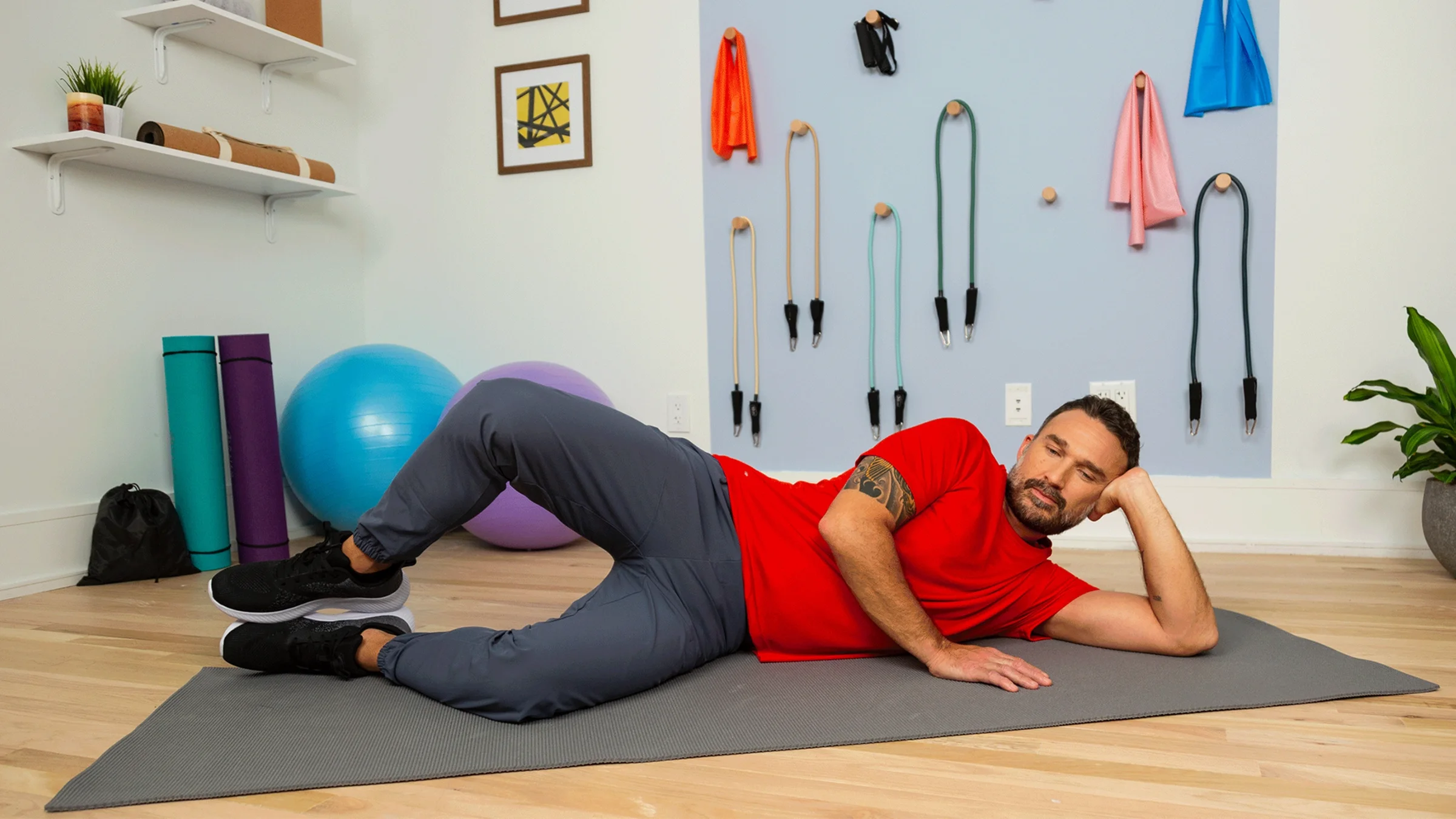
- Side-Lying Leg Raises:Wrap a band just above your knees and lift your leg to strengthen the hip abductors that support your knee.
- Seated Knee Extensions:Anchor the band to a stable point and loop it around your ankle, then extend your knee slowly to build quadriceps strength.
- Standing Hamstring Curls:Attach the band to a low point and your ankle; pull your heel toward your buttocks to target hamstrings.
These exercises focus on the muscles that keep your knee stable during everyday movements. Are you giving enough attention to these smaller, crucial muscles?
Incorporating Bands Into Workouts
Add resistance bands to your warm-up or cool-down to gently activate your knee muscles before heavier lifting or cardio. You can also replace some machine exercises with band work to engage muscles differently.
Try combining band exercises with bodyweight moves like squats or lunges. This mix challenges your knees through multiple angles and forces, enhancing overall strength.
What changes do you notice in your knee’s stability or pain levels after adding bands to your routine? Paying attention to these subtle shifts helps fine-tune your workouts for better results.
Credit: www.goodrx.com
Balance And Stability Training
Balance and stability training plays a key role in strengthening knees. It helps improve joint control and reduces injury risk. Focused exercises train muscles around the knee to support better movement. These workouts also enhance coordination and overall body awareness. Consistent practice builds confidence in daily activities and sports.
Single-leg Exercises
Single-leg exercises challenge balance and strengthen knee stabilizers. Standing on one leg forces muscles to work harder. Try single-leg squats or single-leg deadlifts to engage the knee fully. These moves improve control and build strength simultaneously. Start with support, then progress to free standing for more challenge.
Balance Board Techniques
Balance boards create an unstable surface that activates knee muscles deeply. Standing or doing light movements on the board improves joint stability. Use slow, controlled motions to maintain balance and engage muscles. These techniques train reflexes and enhance proprioception, which is the body’s sense of position. Practice regularly for steady progress.
Core Engagement
Strong core muscles support knee stability during movement. Engage your core to keep the body aligned and balanced. Exercises like planks and bridges help build core strength. A stable core reduces strain on knees and improves posture. Focus on tightening abdominal muscles while performing knee exercises for better results.
Progression And Safety Tips
Progressing safely through knee strengthening exercises is key to building strong joints. Careful planning helps avoid injury and improves results. Focus on gradual changes, good form, and listening to your body.
Gradual Intensity Increase
Start with light weights or simple movements. Increase intensity slowly to allow muscles and joints to adapt. Jumping into heavy exercises too soon can cause pain or damage. Track progress and add small increments in weight or reps over weeks.
Rest days between sessions give knees time to recover. Balance exercise with recovery to improve strength safely.
Proper Form And Technique
Correct form reduces stress on the knee joint. Poor technique can lead to pain or injury. Use mirrors or ask a trainer to check your posture during exercises.
Keep knees aligned with toes during movements. Avoid letting knees cave inward or push too far forward. Engage core muscles to support your body. Control each movement rather than rushing through sets.
Avoiding Overuse Injuries
Overuse injuries come from repeating the same motion without enough rest. Mix different exercises to avoid strain. Include low-impact activities like swimming or cycling for variety.
Stop exercising if you feel sharp knee pain or swelling. Use ice and rest if discomfort occurs. Consult a healthcare professional if pain continues. Protect your knees by listening to your body’s signals.

Credit: www.youtube.com
Recovery And Mobility
Recovery and mobility play a key role in knee strengthening exercises at the gym. Proper care helps reduce pain and prevents injuries. It also improves joint function and muscle flexibility. Paying attention to recovery allows better progress in workouts.
Stretching Routines
Stretching helps keep knee muscles flexible and reduces stiffness. Focus on gentle stretches for the quadriceps, hamstrings, and calves. Hold each stretch for 20 to 30 seconds without bouncing. Stretching before and after workouts improves blood flow and eases muscle tension.
Foam Rolling Benefits
Foam rolling breaks up muscle knots around the knee. It increases circulation and promotes faster healing. Roll slowly over tight areas for 1 to 2 minutes. Foam rolling relieves soreness and helps maintain soft tissue health. Use it regularly to support knee mobility.
Rest And Nutrition
Rest is vital for knee recovery and muscle growth. Avoid overtraining and allow 48 hours between intense sessions. Proper sleep helps the body repair damaged tissues. Nutrition fuels recovery with protein, healthy fats, and vitamins. Drink plenty of water to stay hydrated and support joint health.
When To Seek Professional Help
Knowing when to seek professional help for knee strengthening exercises is important. Ignoring serious signs can make problems worse. Early advice from experts can protect your knee health. Professionals guide safe and effective recovery. They tailor plans to fit individual needs and conditions.
Signs Of Knee Pain
Persistent knee pain lasting more than a few days is a warning. Sharp pain during movement needs attention. Swelling that does not reduce can indicate injury. Difficulty bending or straightening the knee signals trouble. A feeling of instability or the knee giving way requires evaluation. These signs show the body needs expert care.
Physical Therapy Options
Physical therapy helps restore knee strength and function. Therapists use exercises to improve muscle support around the knee. They teach proper movement patterns to avoid further injury. Therapy may include manual treatments to reduce pain and stiffness. Regular sessions track progress and adjust exercises. This personalized approach speeds recovery safely.
Custom Exercise Plans
Custom exercise plans consider your specific knee condition. Experts design routines that target weak muscles without strain. These plans balance strengthening with flexibility and balance work. Progress is gradual to prevent setbacks. Adjustments reflect improvements or new challenges. Personalized plans improve outcomes and protect joint health.
Frequently Asked Questions
What Are The Best Knee Strengthening Exercises At The Gym?
The best knee strengthening exercises include squats, leg presses, lunges, and hamstring curls. These target muscles around the knee, improving stability and reducing injury risk. Using proper form and moderate weights enhances effectiveness and safety.
How Often Should I Do Knee Strengthening Workouts?
For optimal results, perform knee strengthening exercises 2-3 times per week. Allow rest days between sessions to aid muscle recovery. Consistency helps build strength and supports knee joint health over time.
Can Knee Strengthening Exercises Prevent Injuries?
Yes, strengthening muscles around the knee improves joint stability. This reduces the risk of ligament injuries and strains. Regular exercises enhance balance, support, and overall knee function during physical activities.
Should I Use Weights For Knee Strengthening Exercises?
Using weights can increase exercise intensity and improve muscle strength. Start with light weights and focus on correct form. Gradually increase resistance as your knee strength and endurance improve.
Conclusion
Strong knees support every step and movement you make. Regular gym exercises help build knee strength safely. Start with simple moves and increase intensity slowly. Consistency is key to avoid injury and gain benefits. Strong knees improve balance, reduce pain, and boost confidence.
Keep your focus on form, not speed or weight. Enjoy the process of getting stronger every day. Your knees will thank you for the care and effort. Stay active and healthy with these simple exercises.







