
Are you curious about how your fitness level stacks up for your age? Understanding your fitness test results by age can give you clear insights into your health and help you set realistic goals.
Whether you want to boost your energy, improve strength, or simply feel better every day, knowing where you stand is the first step. You’ll discover simple ways to measure your fitness, what numbers really mean for your body, and how you can use this knowledge to stay strong and healthy at any age.
Keep reading to unlock the secrets to your personal fitness and take control of your well-being right now.
Credit: www.eatthis.com
Fitness Tests For Different Ages
Fitness tests vary by age to match different strength and endurance levels. Younger people focus on agility and speed, while older adults test balance and flexibility. These age-based tests help track health and fitness progress safely.
Understanding how fitness levels vary across different ages is essential for tailoring workouts that suit your needs. Fitness tests are a great way to assess your current level and set realistic goals. But did you know that the type of fitness test you should take changes as you age? Let’s explore how fitness evaluations differ from childhood to senior years, ensuring you can maintain a healthy lifestyle at any age.Tests For Children And Teens
Children and teens are in their prime growth years, making it crucial to focus on flexibility, endurance, and strength. Common tests include the shuttle run, which measures agility, and the sit-and-reach test for flexibility. These assessments not only gauge physical abilities but also encourage a lifelong interest in fitness. Physical activity should be fun for this age group. The beep test, for example, is often used in schools and serves as both a challenge and a game. It helps young athletes understand their cardiovascular limits in an engaging way.Assessments For Adults
As you enter adulthood, the focus shifts towards maintaining a balanced fitness level that includes strength, endurance, and flexibility. The push-up test and plank hold are excellent indicators of upper body and core strength. These can easily be done at home and provide quick feedback on your fitness status. Cardiovascular health becomes increasingly important. The 1.5-mile run test is a straightforward way to evaluate endurance. It’s not just about speed; it’s about how efficiently your body uses oxygen.Evaluations For Seniors
For seniors, the emphasis is on maintaining mobility and preventing falls. The chair stand test measures lower body strength, essential for daily activities like climbing stairs. It’s a simple test that can be performed in the comfort of your living room. Balance tests, such as the one-leg stand, become more important as you age. They help identify risks of falling, enabling you to take preventive measures. Keeping track of these metrics ensures you maintain independence and quality of life. Are you assessing your fitness age-appropriately? Tailoring your fitness tests to your age can make a significant difference in your overall health and wellbeing.
Credit: www.aftcalculator.com
Key Fitness Components To Measure
Knowing which fitness components to measure can help you track your progress effectively. Each aspect reveals something unique about your physical health. Understanding these key areas allows you to focus your workouts where they matter most.
Cardiovascular Endurance
Cardiovascular endurance shows how well your heart and lungs work during physical activity. It affects how long and hard you can exercise without getting tired. You can measure this by timing how long you can run, cycle, or swim at a steady pace.
Think about the last time you felt out of breath climbing stairs. Improving cardiovascular endurance means fewer moments like that and more energy throughout your day. How often do you test your stamina beyond daily activities?
Muscular Strength And Endurance
Muscular strength is the amount of force your muscles can produce in a single effort. Muscular endurance is how long your muscles can sustain repeated activity. Both are important for everyday tasks, from lifting heavy objects to carrying groceries without strain.
Simple tests like push-ups, planks, or lifting weights can show your current strength and endurance levels. Tracking these results helps you know when to push harder or switch up your routine. Have you noticed which muscles get tired first during your workouts?
Flexibility
Flexibility measures how far your joints can move without pain or restriction. Good flexibility reduces injury risk and improves posture. You can test it by reaching for your toes or performing arm stretches.
Stretching regularly often feels like a chore but it pays off by making daily movements easier. How flexible are you compared to when you were younger? Noticing small gains here can be surprisingly motivating.
Body Composition
Body composition breaks down your weight into fat, muscle, and bone. It’s more telling than just your weight alone. Knowing your body fat percentage helps you set realistic fitness goals and monitor changes effectively.
Tools like skinfold calipers or bioelectrical impedance scales can give you quick insights. Have you ever been surprised by what a body composition test revealed about your health?
Popular Fitness Tests By Age Group
Fitness tests help assess physical health and abilities at different ages. Each age group has specific tests that measure relevant fitness aspects. These tests track progress and identify areas needing improvement. They guide safe and effective exercise plans for youth, adults, and seniors.
Pacer Test For Youth
The PACER test measures aerobic fitness in children and teens. It involves running back and forth across a 20-meter distance at increasing speeds. The test is simple and fun, making it popular in schools. It checks heart and lung endurance, essential for growing bodies.
Push-up And Sit-up Tests
Push-up and sit-up tests evaluate muscle strength and endurance. These tests suit both youth and adults. They measure upper body and core strength by counting maximum repetitions in a set time. These exercises need no equipment and show overall fitness level.
Vo2 Max Testing For Adults
VO2 max testing measures the maximum oxygen the body can use during exercise. It is a key indicator of cardiovascular fitness. Adults often undergo this test to monitor heart and lung health. It requires special equipment and is done in fitness labs or clinics.
Balance And Mobility Tests For Seniors
Balance and mobility tests help check stability and movement in older adults. These tests reduce fall risk and improve daily function. Common tests include standing on one leg or walking a short distance. They support safe aging and independence.
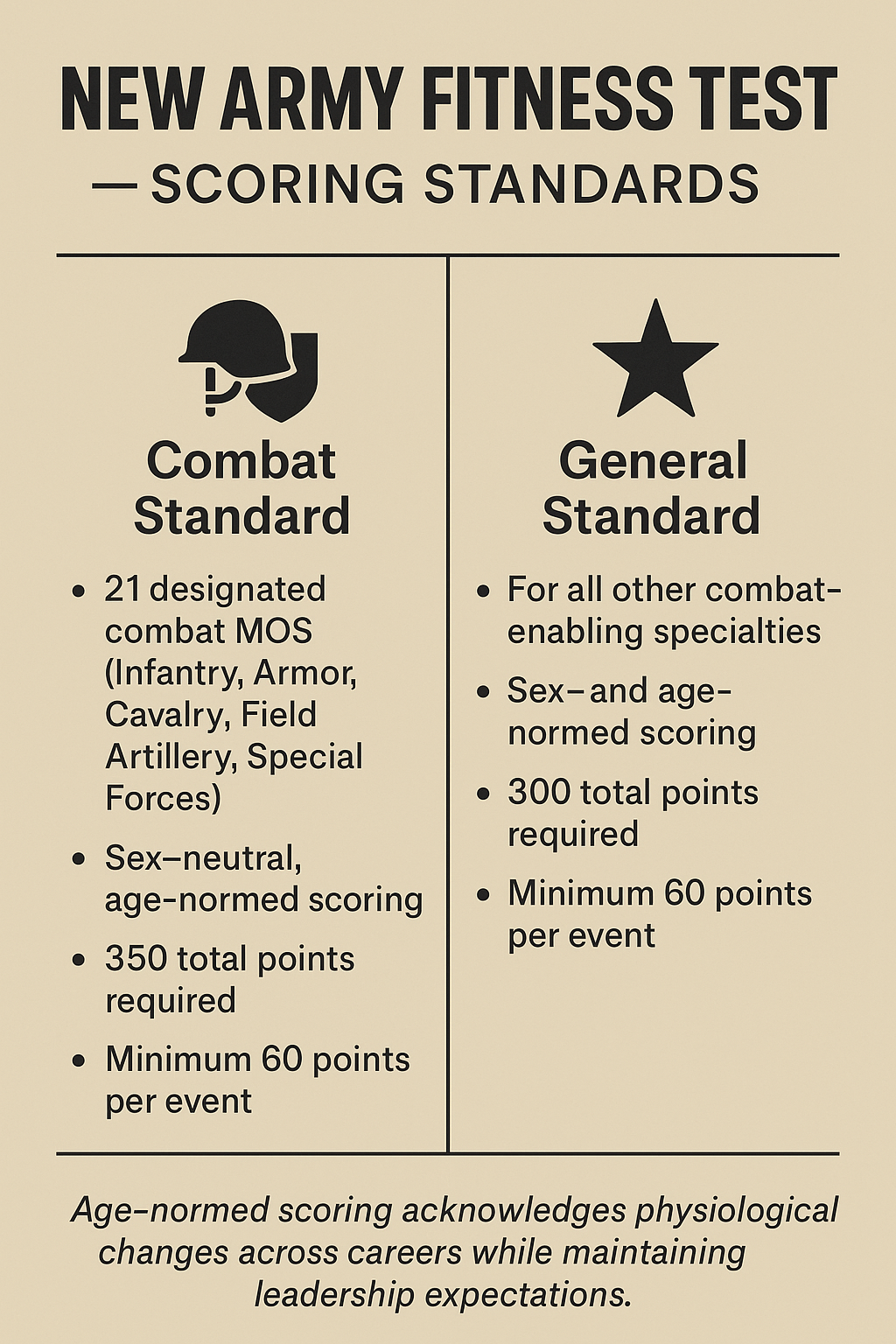
Credit: allveteran.com
How To Track Progress Over Time
Tracking fitness progress over time helps you see real improvements. It motivates you to keep going and adjust your workouts. Regular monitoring shows what works and what needs change. Simple tracking methods make it easier to stay on track. Let’s explore ways to track your fitness effectively.
Setting Realistic Fitness Goals
Set clear and achievable goals based on your age and fitness level. Start with small targets like increasing reps or walking time. Goals should be specific, measurable, and time-bound. For example, aim to do 10 more push-ups in a month. Realistic goals keep you motivated and prevent frustration.
Recording Test Results
Write down your fitness test results after each session. Track numbers like time, distance, or repetitions. Use a notebook or a simple spreadsheet for easy access. Record the date, type of test, and your results. This helps you compare progress week by week or month by month.
Using Technology And Apps
Fitness apps and devices help monitor your progress automatically. They track steps, heart rate, and workouts with accuracy. Apps can remind you to test your fitness regularly. Many apps show charts and graphs to visualize your growth. Choose user-friendly tools that suit your needs and skills.
Tips For Safe And Effective Testing
Testing your fitness level by age can provide valuable insights into your health and progress. However, ensuring safety and effectiveness during these tests is crucial. Without proper care, you risk injury or inaccurate results that can misguide your fitness journey.
Warm-up And Cool-down Routines
Starting with a warm-up prepares your muscles and heart for the upcoming effort. Simple activities like brisk walking or light jogging for 5 to 10 minutes can raise your body temperature and reduce injury risk.
After your test, cooling down helps your body return to its resting state. Stretching major muscle groups or slow walking for 5 to 10 minutes prevents dizziness and stiffness. Have you ever skipped a warm-up and felt tightness or cramps during exercise?
Listening To Your Body
Your body sends clear signals when something isn’t right. Pay attention to pain, dizziness, or extreme fatigue during testing. These signs mean you should stop immediately and rest.
Keep a journal of how you feel before, during, and after tests. Tracking these details helps you notice patterns and improve your approach. Are you confident in distinguishing between normal effort discomfort and warning signs?
When To Seek Professional Guidance
Some fitness tests may not be safe for everyone, especially if you have pre-existing conditions or are new to exercise. A healthcare provider or certified trainer can tailor tests to your abilities and monitor your responses.
Professional guidance also helps interpret your results accurately and set realistic goals. If you’re unsure about your readiness or test outcomes, don’t hesitate to ask for expert help. Could a professional’s insight give you the confidence to push your limits safely?
Adjusting Fitness Plans Based On Test Results
Adjusting fitness plans based on test results helps create a personalized workout routine. Fitness tests reveal which areas need attention and which areas are strong. Tailoring plans to these results improves overall health and performance. It also keeps motivation high by setting clear goals.
Identifying Strengths And Weaknesses
Fitness tests highlight physical strengths and weaknesses. Strengths could be endurance, flexibility, or strength. Weaknesses might include poor balance or low stamina. Recognizing these areas helps focus efforts where they matter most. This approach avoids wasting time on exercises that don’t target weak points.
Modifying Workouts For Improvement
Workout plans should change according to test findings. Increase intensity in weak areas with specific exercises. For example, add more cardio for low endurance or strength training for weak muscles. Balance workouts by mixing different types of exercises. This variety helps build overall fitness safely and effectively.
Incorporating Rest And Recovery
Rest days are vital for fitness progress. Test results can indicate when the body needs more recovery. Overtraining can lead to injury and fatigue. Include rest periods based on how hard workouts are. Good recovery improves strength, reduces soreness, and prepares you for the next session.
Frequently Asked Questions
What Is A Fitness Test By Age?
A fitness test by age measures physical health and performance at different life stages. It helps track strength, endurance, and flexibility. Age-specific tests ensure safety and relevance. These assessments guide personalized fitness plans for improving overall well-being.
Why Is Age Important In Fitness Testing?
Age affects muscle strength, cardiovascular health, and recovery speed. Fitness tests tailored by age provide accurate benchmarks. They help identify age-related changes and prevent injuries. This approach promotes effective training and healthier aging.
How Often Should I Do Fitness Tests By Age?
Perform fitness tests every 3 to 6 months for best results. Regular testing tracks progress and adjusts workouts. It helps maintain motivation and ensures safety. Consistent assessment supports long-term fitness improvements across all ages.
What Are Common Fitness Tests For Different Ages?
Common tests include cardiovascular endurance, strength, flexibility, and balance assessments. Younger adults focus on strength and endurance. Older adults emphasize balance and flexibility. These tests help customize workouts for age-appropriate fitness goals.
Conclusion
Fitness tests help track health at every age. They show strengths and areas to improve. Regular testing keeps you motivated and aware. Age changes fitness, but effort makes a difference. Stay active, eat well, and rest enough. Small steps lead to big health gains.
Check your fitness often and adjust your goals. Keep moving to feel better each day. Your body will thank you for care. Fitness is a lifelong journey worth taking.







