
Have you ever wondered how some men in their 50s look and feel like they’re in their 30s? What if you could discover the secrets behind their energy, strength, and vitality?
This article is all about men your age who are proving that 50 is just a number when it comes to fitness. You’ll learn practical tips and inspiring stories that can help you boost your own health and confidence. Keep reading to find out how these men stay in great shape—and how you can too.
Age And Fitness Myths
Age and fitness myths often confuse people about staying active after 50. Many believe aging means slowing down physically. But that’s not the full story. Staying fit after 50 is not only possible but beneficial. Let’s explore some common misconceptions and the importance of fitness in later years.
Common Misconceptions About Aging
Many think muscles weaken with age, but exercise can counter this. Some believe older adults can’t build strength. This is false; strength training helps at any age. There’s a myth that seniors should avoid intense workouts. Yet, tailored exercises can enhance health safely. Aging doesn’t mean giving up on fitness. It means adjusting routines to fit new needs.
Why Fitness Matters After 50
Fitness boosts both physical and mental health post-50. Regular activity improves heart health and reduces disease risk. Exercise supports joint flexibility and muscle strength. It also boosts mood and energy levels. Staying fit enhances life quality, making daily tasks easier. Fitness fosters independence, keeping seniors active and engaged in life.
Inspiring Transformation Stories
Transformation stories of men in their 50s show that age is not a barrier to fitness. These stories highlight real-life examples of how dedication and smart choices lead to remarkable changes. They prove that you can start from any point and still build strength, overcome health issues, and maintain a balanced lifestyle.
From Sedentary To Strong
Imagine sitting for hours daily, feeling tired and weak. That was John’s life at 52 until he decided to walk just 10 minutes a day. Gradually, he added strength training and now lifts weights heavier than he ever thought possible.
You don’t have to jump into intense workouts immediately. Small, consistent steps build a foundation. What simple move can you start with today to break your sedentary routine?
Overcoming Health Challenges
Mark faced high blood pressure and joint pain that limited his activity. Instead of giving up, he tailored exercises around his condition, focusing on low-impact workouts like swimming and yoga.
This approach not only improved his fitness but also reduced medication needs. If health issues hold you back, how can you adjust your routine to work with your body, not against it?
Balancing Work, Family, And Fitness
Jason’s biggest challenge was squeezing workouts into a packed schedule filled with meetings and family time. He found success by waking up 30 minutes earlier and involving his family in weekend hikes.
Making fitness a shared experience turned it into quality time rather than a chore. How might you integrate fitness into your daily routine without sacrificing other priorities?
Key Factors Behind Their Success
Success in fitness at age 50 does not happen by chance. It results from a mix of habits, choices, and mindset. These men share key factors that keep them strong and healthy. Their approach covers exercise, food, and mental strength. Understanding these elements can inspire anyone to improve their health and fitness.
Consistent Workout Routines
Regular exercise builds strength and endurance over time. These men follow steady workout schedules without skipping days. They balance cardio, strength training, and flexibility exercises. Consistency helps their bodies adapt and stay fit. They also adjust workouts to avoid injury and stay motivated.
Nutrition And Diet Changes
Healthy eating supports their physical efforts. They focus on whole foods like vegetables, lean protein, and whole grains. Cutting back on processed foods and sugar is common. Drinking enough water and controlling portion sizes help maintain weight. Small, smart changes in diet lead to big results.
Mental Resilience And Motivation
Strong minds drive these men to keep going. They set clear goals and celebrate progress. Facing challenges with a positive attitude keeps them moving forward. Building mental toughness helps overcome setbacks. Staying motivated is as important as physical effort.

Credit: www.youtube.com
Workout Plans For Men Over 50
Designing a workout plan for men over 50 needs careful thought. The body changes with age, requiring exercises that build strength, improve heart health, and keep joints flexible. A good plan balances these elements to boost energy and maintain health.
Strength Training Essentials
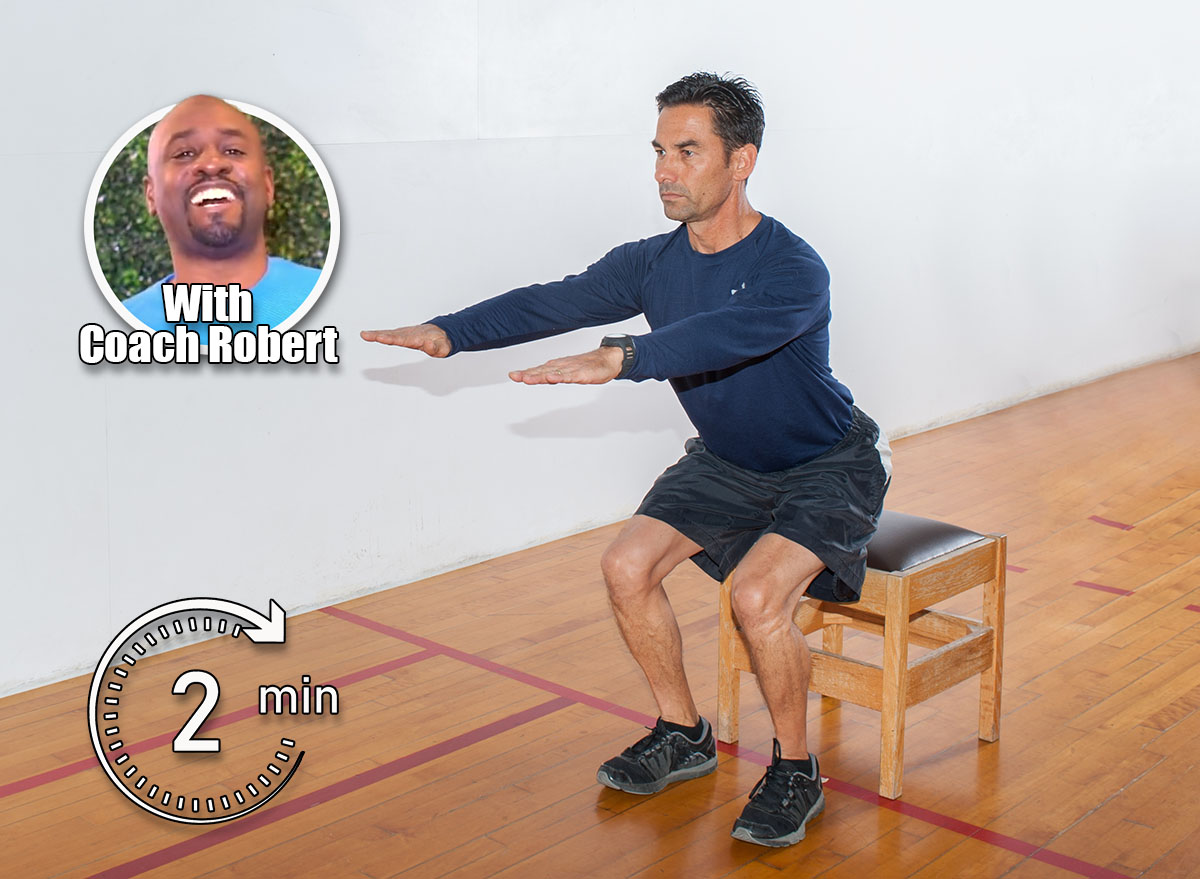
Strength training helps keep muscles strong and bones healthy. Focus on low to moderate weights with more repetitions. Exercises like squats, push-ups, and dumbbell lifts work well. Rest days are important to allow muscles to recover.
- Include compound movements targeting multiple muscles
- Start with light weights to avoid strain
- Use machines or free weights based on comfort
- Train major muscle groups twice a week
- Warm up before and stretch after sessions
Cardio And Flexibility
Cardio exercises strengthen the heart and improve endurance. Choose activities like walking, cycling, or swimming. Aim for at least 150 minutes of moderate cardio weekly. Stretching and flexibility exercises reduce stiffness and improve mobility.
- Incorporate dynamic stretches before cardio
- Practice static stretches after workouts
- Yoga or Pilates can enhance flexibility
- Vary cardio types to stay motivated
- Keep intensity moderate to avoid exhaustion
Injury Prevention Tips
Prevent injuries by listening to the body and avoiding overexertion. Use proper form during exercises to reduce risk. Gradually increase workout intensity and duration. Include balance exercises to prevent falls. Stay hydrated and get enough rest.
- Warm up thoroughly before all workouts
- Wear appropriate footwear and clothing
- Modify exercises if pain occurs
- Consult a doctor before starting new routines
- Include cooldown to relax muscles
Nutrition Tips For Lasting Results
Nutrition plays a key role in maintaining fitness after 50. Eating the right foods supports muscle health and energy levels. It also helps the body recover faster and stay strong over time.
Choosing the right nutrients can improve workout results and overall well-being. Focus on balanced meals and smart choices to keep progress steady and lasting.
Protein And Muscle Maintenance
Protein helps repair and build muscles. Older adults need more protein to prevent muscle loss. Include sources like lean meats, fish, eggs, and dairy. Plant-based options such as beans, lentils, and tofu also work well.
Aim for protein in every meal. This supports muscle strength and reduces fatigue. Spread intake evenly throughout the day for best results.
Supplements Worth Considering
Supplements can fill nutrition gaps. Vitamin D supports bone health and immune function. Omega-3 fatty acids reduce inflammation and improve heart health. Creatine may boost muscle strength and energy.
Consult a healthcare provider before starting supplements. Proper guidance ensures safety and effectiveness.
Hydration And Recovery
Water is essential for muscle function and recovery. Drink enough fluids before, during, and after exercise. Dehydration can cause cramps and reduce performance.
Include electrolyte-rich drinks if sweating heavily. Rest and sleep are vital for repair and growth. Proper hydration and rest speed up recovery and reduce injury risk.
Credit: www.eatthis.com
Lifestyle Habits Supporting Fitness
Lifestyle habits shape the fitness levels of men in their 50s. Small daily choices build strong bodies and minds. Consistent routines keep energy high and bodies healthy. Understanding key habits helps maintain fitness over time. Focus on rest, social ties, and progress to stay motivated.
Sleep And Stress Management
Good sleep restores muscles and sharpens focus. Most need seven to eight hours nightly. Stress weakens the immune system and slows recovery. Simple habits reduce stress: deep breathing, meditation, or light walks. Avoid screens before bed to improve sleep quality. Balanced rest and calm mind boost fitness efforts.
Social Support And Accountability
Friends or groups encourage staying active. Sharing goals creates motivation and commitment. Exercising with others makes workouts enjoyable. Social support helps overcome tough days. Accountability partners remind each other to keep moving. Healthy connections strengthen both body and mind.
Tracking Progress Over Time
Recording workouts shows growth and areas to improve. Use journals, apps, or simple charts. Tracking helps set realistic goals and celebrate wins. Seeing progress sparks motivation to continue. Regular review adjusts routines for better results. Small improvements add up to lasting fitness.
Getting Started Safely
Starting a fitness routine after 50 requires care and attention. Safety must come first to avoid injury and ensure progress. Taking small, steady steps can build confidence and strength. This section guides you through important actions before beginning your fitness journey.
Medical Checkups And Clearance
Getting a full health checkup is essential before starting any exercise program. A doctor can spot hidden issues that could cause problems. Share your fitness plans with your healthcare provider. They can suggest safe activities and any limits to observe.
Setting Realistic Goals
Set clear and simple fitness goals. Avoid aiming too high too fast. Small goals help track progress and keep motivation strong. Focus on improving strength, balance, and endurance over time. Celebrate each success, no matter how small.
Finding Professional Guidance
Working with a fitness expert can make a big difference. Trainers who understand older adults can create safe, effective routines. They teach proper form and help prevent injury. Choose a coach who listens and adapts to your needs.

Credit: www.youtube.com
Frequently Asked Questions
What Fitness Routines Do Men In Their 50s Follow?
Men in their 50s often combine strength training, cardio, and flexibility exercises. This balanced approach helps maintain muscle mass, heart health, and joint mobility. Consistency and proper recovery are key for long-term fitness success at this age.
How Does Diet Impact Fitness For Men Aged 50?
A balanced diet rich in protein, fiber, and healthy fats supports muscle repair and energy. Men aged 50 should limit processed foods and sugars. Proper nutrition enhances workout results and overall well-being.
Can Men In Their 50s Build Muscle Effectively?
Yes, men in their 50s can build muscle with regular strength training. Muscle growth may be slower but remains achievable. Adequate protein intake and recovery are essential to support muscle development.
What Are Common Fitness Challenges For Men In Their 50s?
Common challenges include slower metabolism, joint pain, and reduced muscle mass. These can be managed with tailored workouts, proper nutrition, and rest. Regular health check-ups also help in maintaining fitness safely.
Conclusion
These men show that age is just a number. Staying active keeps the body strong and healthy. Simple daily habits can improve fitness at any age. Consistency matters more than intensity or age. Everyone can find ways to move and feel better.
Small steps add up to big changes over time. Fitness in your 50s is about balance and effort. Keep going, and enjoy the benefits of staying fit.







