
Are you looking to boost your energy, burn calories, and improve your heart health? Cardio exercises at the gym are your secret weapon.
Whether you’re new to working out or want to take your fitness to the next level, the right cardio routine can make a huge difference. You’ll discover simple, effective exercises that fit your pace and goals. Keep reading to find out how to make every minute on the treadmill or bike count—and enjoy the results faster than you think.
Benefits Of Cardio Workouts
Cardio exercises at the gym improve heart health and boost energy levels. They help burn calories and support weight loss effectively. Regular cardio also strengthens lungs and enhances overall fitness.
Cardio workouts offer numerous health benefits. They boost overall well-being and physical fitness. Engaging in regular cardio exercises can transform your health journey. Explore the benefits of cardio workouts below.Enhancing Heart Health
Cardio exercises strengthen the heart. They improve blood circulation. This reduces the risk of heart diseases. A stronger heart pumps blood efficiently. Regular cardio helps maintain optimal blood pressure. It ensures a healthier cardiovascular system.Increasing Metabolism
Cardio boosts metabolic rate. This aids in burning calories faster. It helps in weight management. Increased metabolism energizes your body. You feel more active throughout the day. Cardio exercises contribute to a healthier weight.Improving Endurance
Cardio builds stamina. It enhances endurance for daily activities. Regular practice increases lung capacity. You breathe more efficiently. This makes physical tasks easier. Enhanced endurance improves overall quality of life.Best Cardio Machines To Try
Cardio exercises boost heart health and burn calories effectively. Gym cardio machines offer a variety of workouts. Each machine targets muscles differently and keeps workouts interesting. Choosing the right machine can improve fitness and motivation.
Treadmill Techniques
Start with a warm-up walk for five minutes. Increase speed gradually to a comfortable run or brisk walk. Use incline settings to mimic uphill walking. This adds intensity without extra speed. Maintain good posture: head up, shoulders relaxed, and arms swinging naturally. Try interval training by alternating fast and slow pace.
Elliptical Advantages
The elliptical reduces joint impact while giving a full-body workout. It targets legs, arms, and core muscles. Adjust resistance levels to match your fitness. Use the handles to engage upper body muscles. Keep a steady pace for endurance or increase resistance for strength. The smooth motion helps prevent injuries.
Rowing Machine Moves
Rowing works both upper and lower body muscles. Begin with a strong leg push, then lean back slightly. Pull the handle towards your chest and extend arms forward. Keep movements smooth and controlled. Focus on breathing: inhale on recovery, exhale on pull. Try steady rowing for endurance or sprints for power.
Stair Climber Tips
Step steadily and avoid bouncing. Keep your back straight and core tight. Use handrails lightly for balance, not support. Increase step speed to boost heart rate. Try intervals by climbing fast then slow. The stair climber shapes legs and improves stamina.
Top Cardio Exercises Without Machines
Cardio exercises without machines offer great ways to boost heart health and burn calories. These workouts require minimal space and no special equipment. Perfect for gym days when machines are busy or unavailable. They also improve stamina and endurance quickly.
Try these effective cardio routines that rely on your own body and simple tools. They keep your sessions fresh and challenging without complex setups.
Jump Rope Routines
Jump rope is a classic cardio exercise that burns many calories fast. It improves coordination, balance, and agility. Just a rope and a small space are enough.
- Start with steady jumps for 1-2 minutes.
- Try high knees or double unders for more intensity.
- Rest for 30 seconds between rounds.
- Repeat for 10-15 minutes.
Jump rope routines raise your heart rate quickly and strengthen your legs.
High-intensity Interval Training
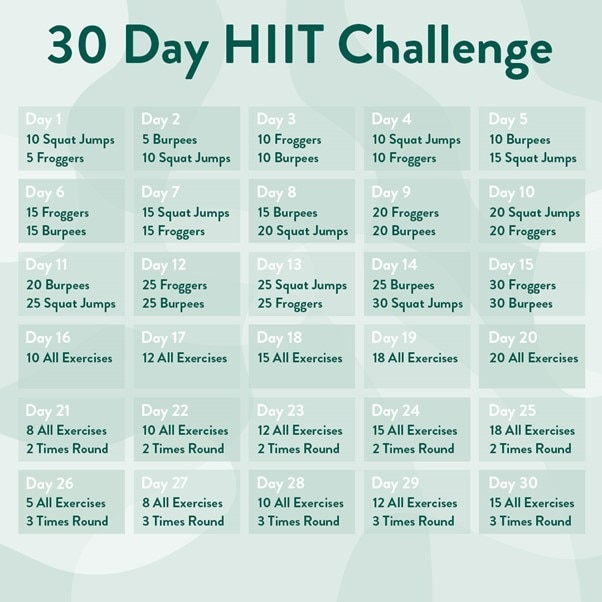
High-Intensity Interval Training (HIIT) mixes short bursts of intense effort with rest. It maximizes fat burning and improves fitness fast.
- Choose exercises like sprinting, jumping jacks, or burpees.
- Work hard for 20-40 seconds.
- Rest or move slowly for 10-20 seconds.
- Repeat for 15-20 minutes.
HIIT sessions are quick and can fit any busy schedule.
Bodyweight Circuits
Bodyweight circuits use your own weight for resistance. They build strength and cardio fitness at the same time.
- Include exercises like squats, lunges, push-ups, and mountain climbers.
- Perform each move for 30-45 seconds.
- Rest for 15 seconds before next exercise.
- Complete 3-4 rounds.
Circuits keep your heart pumping and muscles working without equipment.
Credit: www.hollandandbarrett.com
Maximizing Fat Burn During Cardio
Maximizing fat burn during your cardio sessions can transform the way you approach workouts at the gym. It’s not just about spending time on the treadmill or bike; it’s about how you structure your effort and listen to your body. Small changes can lead to big results, helping you shed fat more efficiently while keeping your energy high.
Interval Training Benefits
Interval training mixes short bursts of intense exercise with periods of rest or low activity. This approach keeps your metabolism elevated even after your workout ends. You don’t need to push yourself to exhaustion; even moderate intervals can boost fat burn significantly.
Think about sprinting for 30 seconds, then walking for a minute. Repeat this cycle 8 to 10 times, and you’ll work harder without feeling drained. Many gym-goers find this method breaks the boredom of steady cardio and challenges their bodies in new ways.
Target Heart Rate Zones
Understanding your heart rate zones helps you train smarter, not just harder. Your fat-burning zone typically lies between 60% and 70% of your maximum heart rate. Staying within this range encourages your body to use fat as a primary fuel source.
You can calculate your maximum heart rate by subtracting your age from 220. Then, use a heart rate monitor or fitness tracker to stay in the right zone. Have you noticed how some workouts feel easier yet still effective? That’s often because you’re training in your optimal zone.
Combining Strength With Cardio
Adding strength exercises to your cardio routine can amplify fat loss. Muscles burn more calories at rest, so increasing your muscle mass helps you burn fat all day long. You don’t have to lift heavy weights—bodyweight exercises between cardio sets work well too.
Try alternating between a minute of jump rope and a set of push-ups or squats. This keeps your heart rate up while building muscle. Have you tried mixing strength and cardio this way? It can make your workout more dynamic and less time-consuming.
Common Mistakes To Avoid
Cardio exercises at the gym can transform your fitness level, but certain mistakes can hold you back or even cause injury. Avoiding common pitfalls ensures your workouts are both effective and safe. Let’s look at some frequent errors and how you can steer clear of them.
Overtraining Risks
It’s tempting to push hard every day, but overtraining can lead to burnout and injuries. Your body needs time to recover, especially after intense cardio sessions. If you feel persistent fatigue, soreness that doesn’t fade, or declining performance, it’s a sign to dial back.
Have you ever felt excited to keep going but ended up sidelined by injury? Balancing effort and rest is crucial to long-term progress. Listen to your body and schedule rest days or low-intensity workouts to avoid overdoing it.
Ignoring Warm-up And Cool-down
Skipping warm-up and cool-down is a common mistake that can affect your performance and recovery. A warm-up prepares your muscles and heart for exercise, reducing injury risk. Even a simple 5-10 minute walk or light cycling can make a big difference.
Cooling down helps your heart rate return to normal and flushes out waste products from your muscles. Stretching after cardio reduces stiffness and improves flexibility. Are you rushing through your workout and missing these key steps? Taking the time can improve how you feel during and after exercise.
Poor Form And Technique
Maintaining proper form during cardio exercises prevents strain and maximizes results. Whether running on a treadmill or using a rowing machine, your posture matters. Slouching or incorrect foot placement can cause discomfort and reduce efficiency.
Focus on controlled movements and steady breathing. If you’re unsure about your technique, ask a trainer for guidance or use mirrors to self-correct. How often do you pay attention to your body alignment during cardio? Small adjustments can greatly enhance your workout quality.

Credit: www.jefit.com
Tracking Progress And Staying Motivated
Tracking your progress and staying motivated are key to making the most out of your cardio workouts at the gym. Without a clear way to see improvements, it’s easy to lose interest or feel stuck. Finding practical tools and strategies helps you keep your momentum and celebrate small wins along the way.
Using Fitness Apps
Fitness apps provide a simple way to log your workouts and monitor your progress over time. Many apps track distance, pace, heart rate, and calories burned, giving you detailed feedback after each session.
Some apps even let you set reminders and challenges to keep you engaged. Have you ever felt motivated just by seeing a streak of completed workouts on your phone? This kind of visual progress can push you to keep going.
Setting Realistic Goals
Setting achievable goals keeps your workouts focused and rewarding. Instead of aiming to run a marathon right away, try increasing your treadmill time by five minutes each week.
Small, clear goals make it easier to notice improvements and avoid frustration. What goal feels right for you today? Start there, and adjust as you improve.
Joining Group Classes
Group classes add a social element that can boost your motivation significantly. Exercising with others creates a sense of accountability and friendly competition.
You might find that the energy from a group session helps you push harder and enjoy your cardio workouts more. Have you tried a spin or HIIT class? The shared experience often makes time fly and results come faster.

Credit: www.prevention.com
Frequently Asked Questions
What Are The Best Cardio Exercises At The Gym?
The best cardio exercises include treadmill running, cycling, rowing, and elliptical training. These workouts boost heart health and burn calories efficiently.
How Long Should A Cardio Session Last At The Gym?
Aim for 20 to 40 minutes per cardio session. Consistency and moderate intensity maximize fat burning and endurance improvement.
Can Cardio Exercises Help With Weight Loss?
Yes, cardio increases calorie burn and speeds up metabolism. Regular sessions combined with a healthy diet promote effective weight loss.
How Often Should I Do Cardio Workouts Weekly?
Try 3 to 5 cardio sessions per week. This frequency improves cardiovascular fitness without causing overtraining or fatigue.
Conclusion
Cardio exercises at the gym help improve heart health and stamina. You can choose from many machines and activities to keep it fun. Regular workouts boost energy and support weight loss. Short sessions often work well for busy schedules. Remember to start slow and increase intensity over time.
Consistency is key for lasting results and better fitness. Enjoy the process and celebrate small improvements. Your body and mind will thank you for the effort. Keep moving, stay active, and feel healthier every day.







