
Are you tired of trying different workouts without seeing real results? Creating the right exercise schedule for weight loss in the gym can change everything for you.
Imagine having a clear, simple plan that fits your lifestyle and helps you burn fat faster. This isn’t just about working harder—it’s about working smarter. You’ll discover how to design a gym routine that keeps you motivated and delivers the weight loss results you want.
Ready to transform your body and feel confident? Keep reading, because your best workout plan starts here.
Benefits Of A Gym Exercise Schedule
Establishing a gym exercise schedule for weight loss is more than just about shedding pounds; it’s about transforming your lifestyle. Regular exercise sessions not only help you achieve your weight loss goals but also bring a plethora of benefits that enhance your overall well-being. From boosting your metabolism to building lean muscle and enhancing endurance, a well-planned gym routine can be a game-changer.
Boosting Metabolism
Following a consistent gym schedule can significantly boost your metabolism. When you engage in regular physical activity, your body burns more calories even when you’re at rest. Imagine having an engine that keeps running efficiently, even when it’s not being revved up. That’s the power of a turbocharged metabolism!
Consider incorporating a mix of cardio and strength training exercises. This combination elevates your metabolic rate and keeps those calories burning long after you’ve left the gym. Remember the time when you felt more energetic throughout the day after a morning workout? That’s your metabolism working overtime!
Building Lean Muscle
Building lean muscle is another significant benefit of a structured gym schedule. Lean muscle not only improves your body composition but also plays a crucial role in burning fat. As you increase your muscle mass, you naturally enhance your body’s ability to burn calories.
In the gym, focus on exercises like weightlifting and resistance training. You’ll notice how your body starts to feel stronger and more toned. Have you ever admired someone’s sculpted arms or defined legs? They’re likely the result of dedicated muscle-building efforts.
Enhancing Endurance
Enhancing your endurance is key to sustaining an active lifestyle. With a regular gym schedule, you gradually build the stamina needed to tackle both your workouts and daily activities with ease. Remember when climbing a flight of stairs left you breathless? Consistent exercise can change that.
Incorporate cardiovascular activities such as running, cycling, or swimming. These activities not only improve your heart health but also increase your lung capacity. How amazing would it be to run that 5K or cycle through your favorite trail without feeling exhausted?
With these benefits in mind, how will you structure your gym schedule to maximize your weight loss journey? Whether you’re a morning person or prefer evening workouts, consistency is key. What changes will you make to ensure you stick to your plan?
Credit: www.lemon8-app.com
Key Components Of A Fat-burning Workout
A fat-burning workout includes exercises that boost metabolism and burn calories efficiently. It combines different types of training to target fat loss and improve fitness. A well-rounded exercise plan helps maintain muscle while shedding fat.
Cardio Training
Cardio exercises increase heart rate and burn calories fast. Activities like running, cycling, and swimming are great choices. Cardio improves endurance and helps the body use fat as energy. Regular cardio sessions support steady weight loss.
Strength Training
Strength training builds muscle and raises metabolism. Lifting weights or using resistance bands tones the body. More muscle means the body burns more calories at rest. Strength workouts also improve bone health and overall strength.
High-intensity Interval Training
High-Intensity Interval Training (HIIT) mixes short bursts of hard effort with rest. This style burns lots of calories in less time. HIIT keeps metabolism high even after exercise ends. It is effective for fat loss and improving fitness quickly.
Weekly Exercise Plan For Weight Loss
Building a weekly exercise plan is key to consistent weight loss at the gym. It helps you target different muscle groups, boost metabolism, and avoid burnout. Structuring your workouts with variety keeps your body challenged and your motivation high.
Day 1: Full-body Strength
Start your week by focusing on full-body strength training. Use compound exercises like squats, deadlifts, and bench presses to engage multiple muscles at once.
This approach not only builds muscle but also burns more calories during and after your workout. How often do you push your whole body in a single session?
Day 2: Cardio And Core
Mix in cardio to increase your calorie burn and improve heart health. Choose activities like treadmill running, cycling, or rowing for 30-45 minutes.
After cardio, add core exercises such as planks, Russian twists, and leg raises to strengthen your midsection. Strong core muscles support overall fitness and enhance your posture.
Day 3: Active Recovery
Active recovery helps your muscles heal without complete rest. Try light activities like walking, yoga, or gentle stretching.
These low-intensity movements keep blood flowing and reduce soreness, making your next workout more effective. Have you noticed a difference when you take time for recovery?
Day 4: Upper Body Strength
Focus on your chest, back, shoulders, and arms with exercises like push-ups, pull-ups, dumbbell presses, and rows. Aim for 3-4 sets of 8-12 reps.
Building upper body strength improves daily tasks and boosts your metabolism. What upper body move challenges you the most?
Day 5: Hiit Session
High-Intensity Interval Training (HIIT) is a powerful way to torch calories in a short time. Alternate between bursts of intense effort and brief rest periods.
Try sprint intervals, jump squats, or kettlebell swings for 20-30 minutes. This workout spikes your heart rate and keeps fat burning long after you finish.
Day 6: Lower Body Strength
Target your legs and glutes with exercises like lunges, leg presses, hamstring curls, and calf raises. Focus on form to avoid injury and maximize results.
Strong legs support overall fitness and help you burn more calories throughout the day. Which lower body exercise makes you feel strongest?
Day 7: Rest Or Light Activity
Give your body a break or choose light activities such as walking, swimming, or gentle yoga. Rest days are crucial for muscle repair and mental focus.
Use this time to reflect on your progress and plan the week ahead. How do you feel after a day of rest compared to a workout day?
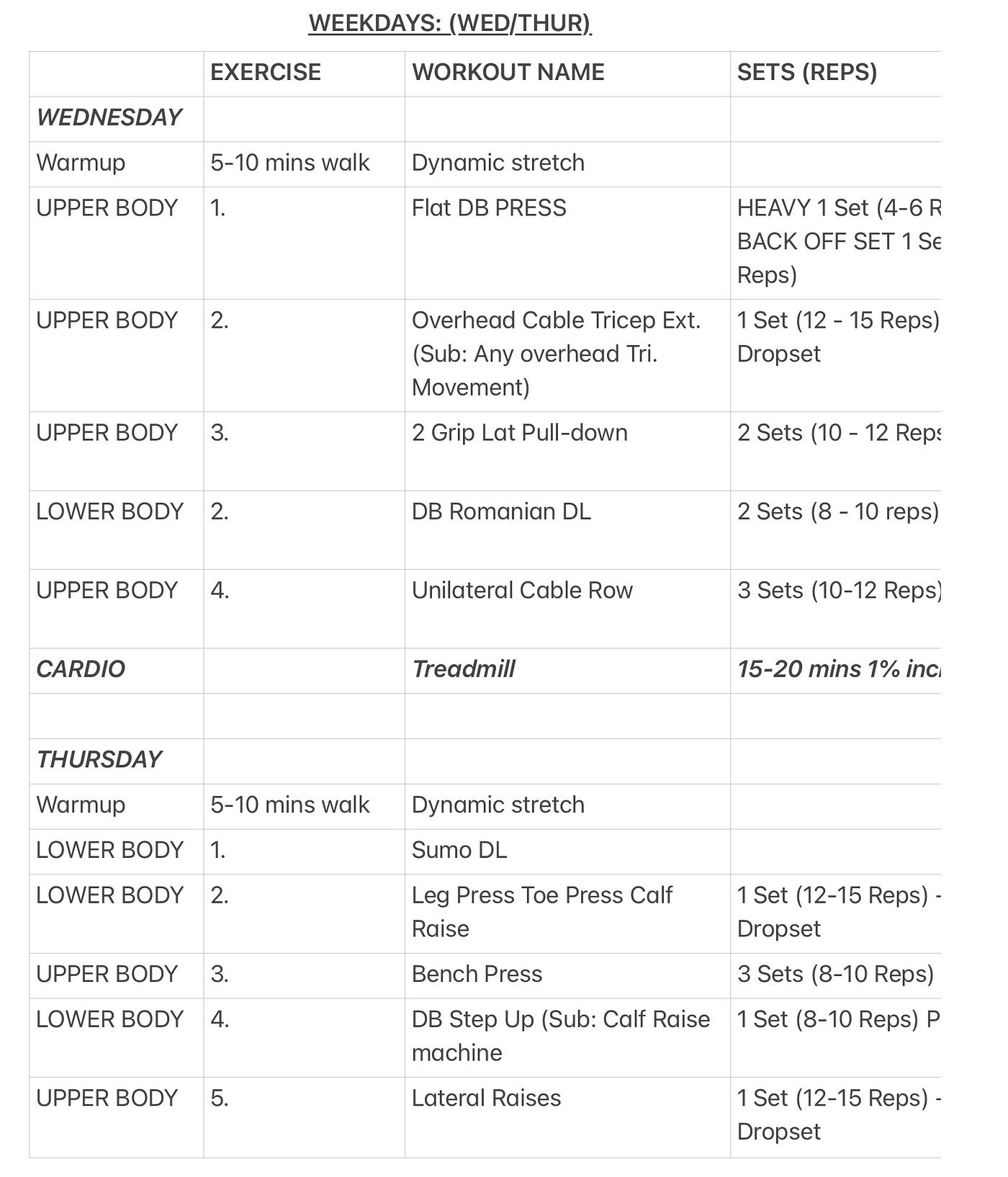
Credit: medium.com
Tips For Maximizing Fat Burn
Maximizing fat burn during your gym sessions isn’t just about working harder; it’s about working smarter. Small adjustments to your routine can make a big difference in how effectively your body burns fat. Let’s dive into practical tips you can start applying today to get the most out of your workouts.
Proper Warm-up And Cool-down
Starting with a good warm-up prepares your muscles and heart for the workout ahead. Try dynamic stretches or light cardio for 5 to 10 minutes to boost your circulation and reduce injury risk.
Cooling down helps your body recover and prevents stiffness. Spend another 5 to 10 minutes doing gentle movements and stretching. This also aids in gradually lowering your heart rate, which can improve fat metabolism over time.
Nutrition Timing
What you eat before and after your workout can change how your body uses energy. Eating a small, balanced meal 30 to 60 minutes before hitting the gym can give you the energy to push harder and burn more calories.
Post-exercise nutrition is just as important. Consuming protein and some carbs within 30 minutes after your workout helps repair muscles and supports fat loss by boosting your metabolism.
Hydration Strategies
Water plays a key role in fat burning and overall performance. Dehydration can slow your metabolism and reduce your workout intensity.
Make a habit of drinking water before, during, and after exercise. If your session lasts longer than an hour, consider adding electrolytes to maintain balance and prevent fatigue.
Tracking Progress And Adjusting The Plan
Tracking your progress and adjusting your exercise plan is essential to stay on course with your weight loss goals. Without monitoring, it’s easy to lose motivation or miss signs that your body needs a new challenge. Regular check-ins help you understand what’s working and what needs change, keeping your gym sessions effective and rewarding.
Measuring Results
Keep track of more than just the number on the scale. Use a combination of measurements like body fat percentage, muscle tone, and how your clothes fit. Taking photos every few weeks can show visual progress that numbers might miss.
Record your gym performance too. Note the weights you lift, the number of reps, and your workout duration. Seeing improvements here means your body is getting stronger, even if the scale doesn’t move much.
Modifying Intensity
If your workouts start to feel too easy, it’s time to push harder. Increase weights, add more sets, or shorten rest times to challenge your muscles. This keeps your body adapting, which is crucial for continued fat loss.
On the flip side, if you feel constantly tired or sore, reduce the intensity. Rest and recovery are just as important as the workouts themselves. Ask yourself: Are you pushing too hard, or not enough?
Avoiding Plateaus
Hitting a plateau can be frustrating but it’s a normal part of weight loss. To break through, change your routine regularly. Swap exercises, try different machines, or add high-intensity intervals to shock your body.
Mixing up your workouts also keeps boredom away. Have you noticed your progress stalling after doing the same routine for weeks? That’s your signal to switch things up.

Credit: heydaisyday.com
Frequently Asked Questions
What Is The Best Gym Exercise Schedule For Weight Loss?
A balanced gym schedule includes cardio, strength training, and rest days. Aim for 4-5 workout sessions weekly. Combine high-intensity interval training (HIIT) with weight lifting for optimal fat burn and muscle tone.
How Often Should I Work Out To Lose Weight In Gym?
Exercising 4-5 times a week is ideal for weight loss. Include a mix of cardio and strength exercises. Consistency and progressive intensity help maximize fat loss and improve overall fitness.
Can Strength Training Help With Weight Loss At The Gym?
Yes, strength training builds muscle, which boosts metabolism. Increased muscle mass helps burn more calories at rest. Combine it with cardio for effective, sustainable weight loss.
Should I Do Cardio Before Or After Strength Training?
It’s best to do strength training first to maximize energy. Follow with cardio to burn extra calories. This sequence preserves muscle and enhances fat loss.
Conclusion
Sticking to a gym exercise schedule helps you lose weight steadily. Consistency matters more than intensity or time spent. Mix cardio with strength training for best results. Rest days are important to let your body recover. Keep your goals clear and track your progress often.
Small steps lead to big changes over time. Stay patient and trust the process you follow. Your efforts will show in how you feel and look.







