
Your lower back plays a key role in almost every movement you make. When it’s weak or sore, even simple tasks can become painful and frustrating.
But what if you could strengthen that area with just a few smart exercises at the gym? You’ll discover effective gym exercises designed specifically to protect and build your lower back. These moves will not only ease discomfort but also boost your overall strength and stability.
Keep reading to find out how to take control of your lower back health and feel better every day.
Causes Of Lower Back Pain
Poor posture, weak muscles, and sudden movements often cause lower back pain. Overloading the back during gym exercises can also lead to discomfort. Stretching and strengthening exercises help reduce pain and improve back health.
Lower back pain affects many people worldwide. Several factors contribute to this discomfort. Understanding the causes is crucial for effective prevention and treatment. Let’s explore some common reasons behind lower back pain.Muscle Strain And Sprain
Muscle strain occurs from overuse or improper lifting. This leads to tears in the muscle fibers. Sprains involve ligament stretching or tearing. Both can cause significant pain and limit mobility.Poor Posture
Slouching or sitting improperly strains the lower back. Over time, this weakens the muscles and causes pain. Maintaining good posture reduces stress on the spine.Herniated Discs
Discs cushion the vertebrae in your spine. A herniated disc occurs when one slips out of place. This can press on nerves and cause pain or numbness.Degenerative Disc Disease
As we age, spinal discs lose hydration and flexibility. This leads to degenerative disc disease. It results in chronic pain and affects daily activities.Sciatica
Sciatica refers to pain along the sciatic nerve. It runs from the lower back down each leg. Compression of this nerve causes shooting pain or tingling.Inactivity
A sedentary lifestyle weakens back muscles. Weak muscles lack support for the spine. Regular exercise strengthens these muscles and alleviates pain.Obesity
Excess weight puts extra pressure on the spine. This increases the risk of lower back pain. Maintaining a healthy weight helps reduce this strain. Understanding these causes can lead to better prevention strategies. Addressing these factors improves back health and quality of life.Benefits Of Gym Exercises
Gym exercises for the lower back offer many benefits. They help strengthen muscles, improve posture, and reduce pain. Regular workouts can increase flexibility and support daily movements. A strong lower back also lowers the risk of injury during physical activities.
These exercises target key muscles that support the spine. Building strength in this area helps with balance and stability. Better core strength supports the entire body and can improve athletic performance. Gym workouts provide a controlled environment to focus on proper form and technique.
Improved Muscle Strength And Stability
Gym exercises build the muscles around the lower spine. Strong muscles protect the back from strain and injury. Stability in this area helps maintain proper posture throughout the day. This strength supports movements like bending, lifting, and twisting with ease.
Reduced Lower Back Pain
Targeted workouts can relieve chronic back pain. Strengthening muscles reduces pressure on spinal discs. Exercises increase blood flow, which aids healing. Regular training helps prevent future back problems by improving muscle support.
Enhanced Flexibility And Mobility
Lower back exercises improve flexibility in the spine and hips. Better mobility allows smoother, pain-free movements. Stretching and strengthening together help reduce stiffness. This flexibility makes daily activities easier and more comfortable.
Better Posture And Spinal Alignment
Strong back muscles encourage correct posture. Good posture reduces strain on the spine and joints. Gym exercises teach body awareness and proper alignment. This leads to less fatigue and discomfort during long hours of sitting or standing.
Increased Core Strength
Lower back workouts engage core muscles including abs and hips. A strong core supports the entire torso. This balance helps with lifting and carrying heavy objects safely. Core strength also improves overall stability and coordination.
Warm-up Techniques
Warming up is essential before any lower back workout. It prepares your muscles and joints for exercise. Proper warm-up reduces injury risks and improves performance. The goal is to increase blood flow and gently stretch muscles. Start with simple movements and slowly increase intensity. This helps your body adjust and prevents strain during the main workout.
Dynamic Stretching For Lower Back
Dynamic stretches move your muscles through a full range of motion. These stretches increase flexibility and loosen tight muscles. Examples include leg swings, torso twists, and hip circles. Perform each movement slowly and smoothly for 10 to 15 repetitions. Dynamic stretching activates your muscles without causing fatigue.
Light Cardio Warm-up
Light cardio raises your heart rate and warms your entire body. Choose low-impact activities like walking, cycling, or using an elliptical. Spend 5 to 10 minutes on this step. It helps increase blood flow to your lower back muscles. This prepares your body for more intense exercise.
Activation Exercises For Core And Glutes
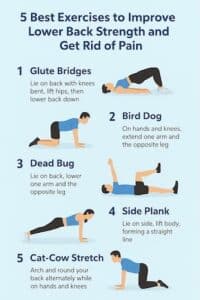
Core and glute muscles support the lower back during workouts. Activating these muscles improves stability and reduces strain. Simple exercises include glute bridges, bird dogs, and planks. Perform 2 sets of 10 to 15 repetitions. Focus on slow, controlled movements and proper form.
Core Strengthening Moves
Building a strong core is essential for protecting your lower back during daily activities and workouts. Core strengthening moves target the muscles around your abdomen and lower spine, helping you maintain better posture and reduce the risk of injury. These exercises challenge your stability and improve your overall control, making your lower back more resilient.
Planks Variations
Planks are a simple yet powerful way to engage your entire core without putting strain on your lower back.
Try holding a basic forearm plank for 20-30 seconds, focusing on keeping your body in a straight line.
To increase the challenge, add side planks or plank with leg lifts. These variations activate different muscles, improving your balance and strength.
Have you noticed how holding a plank feels different than doing sit-ups? That’s because planks stabilize your core rather than just flex your spine.
Bird-dog Exercise
The bird-dog exercise improves coordination between your limbs and strengthens the muscles that support your spine.
Start on all fours, then extend your right arm forward and left leg back, holding for a few seconds.
Switch sides and repeat. This move trains your body to stay stable while moving, which helps reduce lower back pain.
This exercise helped me regain control after a back strain. You might be surprised how such a simple move can make a big difference.
Dead Bug
Dead bug is a beginner-friendly exercise that teaches you to stabilize your core while moving your arms and legs.
Lie on your back with your arms pointing toward the ceiling and knees bent at 90 degrees.
Slowly lower your right arm and left leg toward the floor while keeping your lower back pressed down, then return to start and switch sides.
It’s easy to rush through this, but focus on slow, controlled movements to really feel your core working.
Lower Back Strength Exercises
Building strength in the lower back is key to preventing pain and improving posture. Strong muscles support the spine and help with daily activities. These exercises target the muscles around the lower spine for better stability and endurance.
Superman Pose
The Superman Pose works the lower back by lifting the chest and legs off the ground. Lie face down with arms stretched ahead. Slowly raise your arms, chest, and legs together. Hold for a few seconds and lower back down. Repeat for several reps to strengthen your back muscles.
Back Extensions
Back Extensions focus on the erector spinae muscles along the spine. Use a back extension bench or lie face down on a mat. Keep your hands behind your head or crossed on your chest. Lift your upper body gently, then lower it back down. Controlled movements help build endurance and reduce injury risk.
Good Mornings
Good Mornings strengthen the lower back and hamstrings together. Stand with feet shoulder-width apart and a barbell on your shoulders or hands behind your head. Bend forward slowly at the hips, keeping your back straight. Return to standing position. This exercise improves flexibility and back muscle power.
Credit: regeneratechiropractic.com.au
Stretching For Flexibility
Stretching for flexibility is essential for a healthy lower back. It helps to reduce stiffness and improve movement. Gentle stretches ease tension in muscles around the spine. Regular practice supports better posture and lowers injury risk.
Focus on stretches that target the lower back and nearby muscles. These moves increase blood flow and prepare your body for exercise. Stretching also helps to relieve pain and discomfort after long periods of sitting.
Cat-cow Stretch
The Cat-Cow Stretch improves spine flexibility and warms up the back muscles. Start on your hands and knees. Arch your back up like a cat, tucking your chin to your chest. Then, dip your back down, lifting your head and tailbone. Repeat slowly for several breaths. This movement loosens the spine and reduces tension.
Child’s Pose
Child’s Pose is a gentle stretch that relaxes the lower back. Kneel on the floor and sit back on your heels. Reach your arms forward and lower your chest toward the ground. Keep your forehead resting on the floor. Hold this position for 30 seconds to one minute. It helps lengthen the spine and calms tight muscles.
Hamstring Stretch
Tight hamstrings affect lower back health. Sit on the floor with one leg extended. Keep your back straight and lean forward toward your toes. Hold the stretch without bouncing. Switch legs after 20 to 30 seconds. This stretch eases pressure on the lower back and improves overall flexibility.
Proper Form And Safety Tips
Proper form and safety are key for lower back exercises. They protect your spine and muscles from injury. Following the right steps helps you get the best results. Focus on control and alignment during every move. Avoid rushing or using too much weight.
Safety also means listening to your body. Stop if you feel sharp pain. Warm-up and stretch before exercising. This prepares your muscles and joints for the workout.
Maintain A Neutral Spine
Keep your back straight and natural. Avoid rounding or arching your lower back too much. A neutral spine reduces strain on discs and muscles. Use a mirror or ask for help to check your form.
Engage Your Core Muscles
Tighten your abdominal muscles during exercises. This supports your lower back and improves balance. A strong core helps protect your spine from injury.
Use Controlled Movements
Move slowly and with control. Avoid jerky or fast motions. Controlled movements target muscles better and lower injury risk. Focus on quality, not quantity of reps.
Choose The Right Weight
Start with light weights or no weight. Increase gradually as your strength improves. Using too much weight can strain your back. Keep weights manageable to maintain good form.
Warm Up And Stretch
- Spend 5-10 minutes warming up your body.
- Include gentle stretches for your lower back and hips.
- Warm muscles are less likely to get injured.
Common Mistakes To Avoid
Lower back exercises can bring great relief and strength, but only if done correctly. Mistakes not only reduce effectiveness but can also cause injury. Paying attention to common errors helps you protect your back and get the best results.
Improper Form And Technique
Skipping proper form is the fastest way to hurt your lower back. For example, rounding your spine during a deadlift puts unnecessary strain on your discs. Instead, keep your back straight and engage your core to support the movement.
Have you ever felt sharp pain during an exercise? That’s often a sign your form needs adjustment. Use mirrors or record yourself to check your posture.
Lifting Too Heavy Too Soon
Trying to lift heavy weights without building a solid foundation leads to injury. When I first started, I jumped into heavy deadlifts and ended up with a strained muscle. Gradually increase weight as your muscles get stronger.
Focus on mastering bodyweight or light resistance exercises before moving on. Are you adding weight only when you feel completely stable?
Neglecting Warm-up And Stretching
Ignoring warm-up routines causes your muscles to be stiff and more prone to injury. Even a simple 5-minute walk or gentle stretches can prepare your lower back for more intense work.
Ask yourself if you’re giving your body enough time to get ready. This small step can make a big difference in how your back feels during and after exercise.
Overtraining Without Rest
Doing lower back exercises every day without rest can lead to fatigue and strain. Your muscles need time to recover and grow stronger.
Plan rest days or alternate with other muscle groups to avoid burnout. How often do you listen to your body’s signals to take a break?
Ignoring Core Engagement
Your core muscles support your lower back during every exercise. Forgetting to engage your core shifts pressure to your spine and increases injury risk.
Try tightening your abdominal muscles before each movement. Can you feel the difference in stability when your core is active?
When To Consult A Professional
Knowing when to consult a professional is important for your lower back health. Exercising the lower back can help, but it can also cause injury if done incorrectly. Seeking expert advice ensures safety and effectiveness.
Some signs mean you should stop and get help. Professional guidance can prevent worsening pain and long-term damage. Understanding these signs keeps your workouts safe.
Persistent Or Severe Pain
Pain that lasts more than a few days needs attention. Severe pain, especially sharp or shooting, is a warning. Do not ignore these symptoms. A professional can diagnose the problem and suggest the right treatment.
Difficulty Moving Or Standing
Struggling to move or stand straight after exercise signals trouble. Limited motion or stiffness may indicate injury. Experts can assess your condition and recommend safe exercises or therapy.
Numbness Or Weakness In Legs
Numbness, tingling, or weakness in your legs or feet needs urgent care. These symptoms may show nerve involvement. A specialist can provide proper diagnosis and treatment plans to avoid complications.
Previous Back Injuries
If you have had back injuries before, consulting a professional is wise. Past injuries increase the risk of re-injury. A trainer or therapist can create a tailored workout plan for your needs.
Lack Of Improvement Over Time
Not seeing any progress or improvement after weeks of exercise suggests a problem. Sometimes, exercises may not suit your condition. Professionals can adjust your routine or suggest other therapies for better results.

Credit: backmusclesolutions.com

Credit: powerliftingtechnique.com
Frequently Asked Questions
What Are The Best Gym Exercises For Lower Back Pain?
Effective gym exercises for lower back pain include deadlifts, hyperextensions, and bird-dogs. These strengthen muscles supporting the spine. Always use proper form to avoid injury. Start with light weights and gradually increase intensity for best results.
How Often Should I Do Lower Back Exercises At The Gym?
Perform lower back exercises 2-3 times per week. This frequency allows muscle recovery and growth. Avoid overtraining to prevent strain. Combine with core strengthening for balanced support and better posture.
Can Gym Workouts Prevent Lower Back Injuries?
Yes, gym workouts that strengthen lower back and core muscles reduce injury risk. They improve stability and posture. Regular training enhances flexibility and supports spinal alignment. Always warm up and use proper technique for safety.
Are Weightlifting Exercises Safe For Lower Back Health?
Weightlifting can be safe if done with correct form and appropriate weights. Focus on core engagement and avoid sudden movements. Consulting a trainer helps prevent injury. Gradual progression is key to strengthening the lower back safely.
Conclusion
Strong lower back muscles help support your spine and reduce pain. Regular gym exercises improve flexibility and build strength safely. Start with light weights and focus on proper form. Consistency matters more than intensity for lasting results. Listen to your body and rest when needed.
Healthy habits like stretching and good posture also protect your back. Stay patient and keep moving. Your lower back will thank you.







