
Are you ready to get the most out of your time at the gym? Knowing how to use exercise equipment correctly can make all the difference in reaching your fitness goals faster and safer.
Whether you’re new to the gym or just unsure about some machines, this guide will help you feel confident and in control. Imagine avoiding common mistakes, boosting your workout results, and protecting your body from injury—all by mastering the basics of gym equipment.
Keep reading, and you’ll discover simple tips that turn every session into a step closer to the strong, healthy you want to become.

Credit: strengthwarehouseusa.com
Choosing The Right Equipment
Choosing the right equipment in a gym can be daunting. Each piece serves a different purpose. Understanding your fitness goals helps in selecting the correct tools. Let’s explore the main categories of gym equipment.
Cardio Machines
Cardio machines elevate your heart rate. They improve endurance and burn calories. Popular choices include treadmills, stationary bikes, and ellipticals. Treadmills are great for running or walking. They offer adjustable speeds and inclines. Stationary bikes are easier on the joints. Ellipticals provide a full-body workout. They combine the motion of running and stair climbing.
Strength Training Tools
Strength training tools help build muscle. They increase strength and tone your body. Free weights like dumbbells and barbells are versatile. They allow a range of motion. Resistance machines target specific muscles. They guide your movements, reducing injury risk. Kettlebells are ideal for dynamic exercises. They improve power and core stability.
Flexibility And Balance Gear
Flexibility and balance gear enhance your range of motion. They promote stability and coordination. Yoga mats provide a comfortable surface. They’re used for stretching and yoga routines. Stability balls are excellent for core exercises. They challenge balance and posture. Resistance bands offer varied levels of tension. They’re useful for stretching and strengthening.
Credit: www.gofit-gym.com
Setting Up Safely
Setting up safely before using exercise equipment is crucial to avoid injuries and get the most from your workout. Taking time to adjust and prepare ensures your body moves correctly and comfortably. Let’s look at how to make your setup both safe and effective.
Adjusting Machines To Fit You
Every gym machine is built with adjustable parts to match different body sizes and shapes. Before you start, check the seat height, backrest position, and handle placement. If the seat is too low or too high, your joints may strain during exercise.
Try sitting on the machine and moving through the motion slowly without weights. This helps you spot any uncomfortable angles or awkward positions. Adjust until you feel stable and balanced.
- Align your knees with the machine’s pivot points.
- Keep your back supported but not pressed too tightly.
- Ensure your grip is firm but relaxed on handles.
Proper Warm-up Techniques
Warming up prepares your muscles and joints for exercise, reducing injury risk. Spend at least 5 to 10 minutes on light cardio like walking or cycling. This raises your heart rate and increases blood flow to muscles.
Follow with dynamic stretches that mimic the movements you’ll do on the equipment. For example, leg swings before using a leg press machine help loosen your hips. Ask yourself: are your muscles feeling ready or still stiff?
Skipping warm-ups can lead to soreness and even strains. Treat your warm-up as part of the workout, not an optional step.
Using Safety Features
Modern gym machines come with safety features designed to protect you. Before lifting weights, make sure pins and locks are properly secured. Don’t ignore emergency stops on cardio machines like treadmills.
Use clips or collars on free weights to prevent plates from sliding off. If a machine has adjustable resistance, start light and increase gradually. Never force a movement that feels blocked or painful.
- Check cables and pulleys for wear before using.
- Use spotter arms or safety catches when available.
- Keep your workout area clear of obstacles and clutter.
Have you ever noticed how quickly a small safety adjustment can make your workout feel more controlled? Paying attention to these details keeps you focused and confident during your gym session.
Using Cardio Equipment
Using cardio equipment at the gym can boost your stamina and help you burn calories efficiently. Each machine offers a unique way to get your heart rate up. Understanding how to use them correctly helps you avoid injury and get the best workout possible.
Treadmills
Treadmills are great for walking, jogging, or running indoors. Start by adjusting the speed and incline to match your fitness level. Don’t rush—begin with a slow pace to warm up your muscles.
Keep your posture upright and avoid holding onto the handrails tightly; this lets your arms move naturally. If you want to challenge yourself, try interval training by alternating between fast and slow speeds. Have you tried setting small goals like running one extra minute each session?
Ellipticals
Ellipticals provide a low-impact cardio option that’s easy on your joints. Set the resistance level to something challenging but manageable. Keep your feet flat on the pedals and use the handles to engage your upper body.
Try moving both forwards and backwards to work different muscles. Pay attention to your breathing—steady and deep breaths improve endurance. How does switching directions change the way your legs feel during the workout?
Stationary Bikes
Stationary bikes come in upright and recumbent styles. Adjust the seat height so your knees bend slightly at the lowest pedal point. Proper setup prevents knee strain and makes pedaling smoother.
You can control the resistance to simulate flat roads or hills. Use the bike for steady rides or interval sprints, depending on your goals. Ever noticed how your legs feel after a 20-minute hill climb simulation?
Rowing Machines
Rowing machines work your whole body and improve cardiovascular fitness. Start by setting the damper level; lower settings mimic fast, light strokes, while higher levels feel heavier. Focus on your form: legs push first, then lean back slightly and pull with your arms.
Keep your movements smooth and controlled to avoid injury. Rowing can be intense—try shorter bursts with rest periods if you’re new. How does synchronizing your leg drive and arm pull affect your overall power?
Strength Training Basics
Strength training is a key part of any gym routine. It helps you build muscle, increase endurance, and improve overall health. Understanding the basics can make your workouts more effective and safer.
Free Weights Vs Machines
Free weights include dumbbells, barbells, and kettlebells. They require you to control the movement, which engages more muscles and improves balance. However, free weights can be tricky if you’re new and increase the risk of injury without proper form.
Machines guide your movement along a fixed path. They are easier to use and can help you target specific muscles. Machines are perfect if you want to focus on building strength with less risk of poor form.
Which do you prefer: the challenge of free weights or the support of machines? Trying both can help you find what fits your goals and comfort level.
Common Machines And Their Use
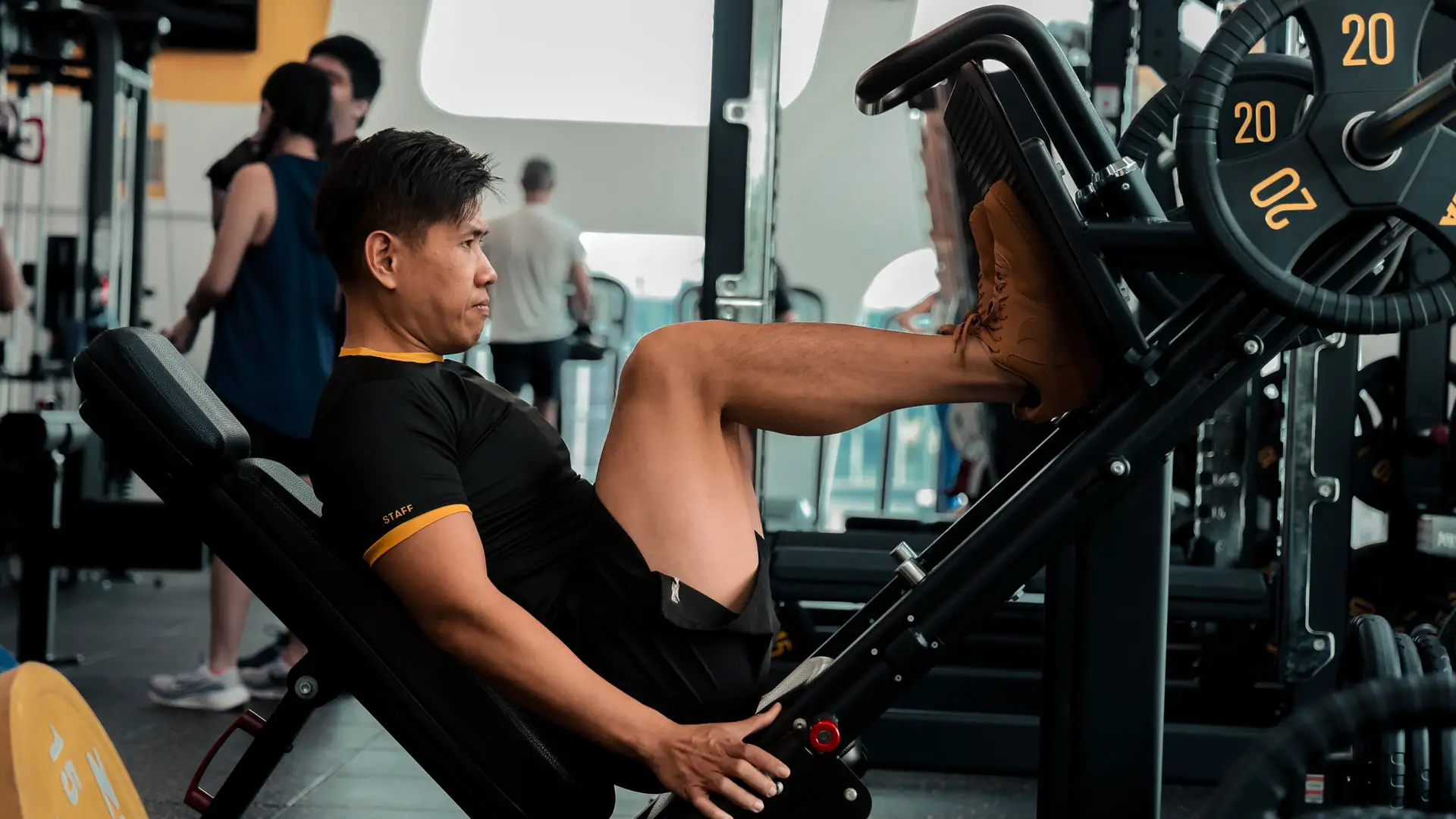
- Leg Press:Strengthens your quads, hamstrings, and glutes by pushing weight with your legs.
- Lat Pulldown:Targets your back muscles, especially the lats, by pulling a bar down towards your chest.
- Chest Press:Works your chest, shoulders, and triceps by pushing handles away from your body.
- Seated Row:Focuses on your upper back and biceps by pulling handles towards your torso.
Using these machines can help you safely build strength. Start with lighter weights to get comfortable with the motion.
Proper Form And Technique
Form matters more than the amount of weight you lift. Poor technique can cause injuries and slow your progress. Always start with a weight you can control easily.
Keep your core engaged and maintain a neutral spine to protect your back. Move through the full range of motion slowly and with control. Never sacrifice form to lift heavier weights.
Have you ever felt pain during a workout? That’s a sign to check your form or reduce weight. Consider asking a trainer for guidance—they can spot small errors that make a big difference.
Tracking Progress
Tracking your progress while using gym equipment is key to staying motivated and making consistent improvements. It helps you see how far you’ve come and keeps you focused on your fitness journey. Without tracking, it’s easy to lose direction or plateau without realizing it.
Setting Realistic Goals
Set clear, achievable goals that match your current fitness level. Instead of aiming to lift twice your body weight in a month, start with smaller targets like adding 5 pounds every two weeks. This approach prevents burnout and keeps you encouraged.
Think about what you want to improve—strength, endurance, or flexibility—and tailor your goals accordingly. Writing them down or using a fitness app can make your goals feel more concrete and easier to track.
Monitoring Workouts
Keep a simple workout log to record what exercises you do, how many sets and reps, and the weights used. This can be a notebook, an app, or even a spreadsheet. Tracking details helps you spot patterns and know when it’s time to increase the challenge.
Pay attention to how your body feels during and after workouts. Are you recovering faster? Do you feel stronger? These insights are just as valuable as numbers on paper.
Adjusting Intensity Over Time
Your progress depends on gradually increasing workout intensity. If you lift the same weight every session, your muscles won’t grow stronger. Try adding a little more weight, extra reps, or reducing rest time between sets.
Listen to your body—pushing too hard can lead to injury. Adjust your routine to keep challenging yourself without overdoing it. Have you noticed when your workouts start feeling easier? That’s your cue to step it up.

Credit: www.silversneakers.com
Avoiding Common Mistakes
Using gym equipment effectively means avoiding mistakes that could slow your progress or cause injury. Many gym-goers push themselves too hard or skip essential steps, thinking it will save time or effort. However, understanding common pitfalls can make your workouts safer and more productive.
Overtraining Risks
It’s tempting to spend extra hours on the treadmill or lift heavier weights every session. But overtraining can lead to fatigue, muscle soreness, and even injury. Have you ever felt drained instead of energized after a workout?
Listen to your body. If you notice persistent soreness or decreased performance, it might be time to cut back. Rest days are not a waste—they help your muscles grow stronger and prevent burnout.
Ignoring Machine Instructions
Gym machines come with instructions for a reason. Skipping them can result in using the wrong form or setting the resistance too high. I once saw a friend hurt his shoulder because he ignored the seat adjustment on a shoulder press machine.
Take a moment to read the instructions or ask a trainer for guidance. Proper use protects your joints and targets the right muscles, making your workout more effective.
Neglecting Rest And Recovery
Rest is as important as the workout itself. Many people focus solely on exercise and forget that muscles need time to repair. Without recovery, you risk injury and stalled progress.
Incorporate rest days and use light activities like walking or stretching to aid recovery. How do you feel after a day off? Often, a little rest can boost your next workout’s quality.
Tips For Staying Motivated
Staying motivated while using exercise equipment in the gym can be challenging, but the right approach keeps your energy high and progress steady. Motivation doesn’t come from magic; it comes from habits, support, and recognizing your own achievements. How can you keep pushing yourself even on days when you feel like skipping your workout?
Creating A Workout Routine
Having a clear, simple routine takes the guesswork out of your gym time. Plan your exercises ahead, mixing cardio and strength training to keep things interesting. When you know exactly what to do, you’re less likely to wander or lose focus.
Try setting small goals within your routine, like increasing weights or time on the treadmill each week. This makes progress measurable and motivates you to come back for more. What’s one small change you can add to your routine this week?
Finding Support And Guidance
Working out with a friend or joining a fitness class adds accountability to your efforts. Having someone to share your wins and struggles with makes the journey less lonely and more enjoyable. You might find yourself pushing harder just to keep up or encourage your partner.
If you’re unsure about using certain equipment, ask a trainer for guidance. Proper form and technique prevent injury and boost confidence. Could a quick chat with a gym expert change the way you approach your workouts?
Celebrating Milestones
Recognizing your achievements, no matter how small, fuels motivation like nothing else. Did you lift heavier weights today? Did you complete an extra set? Take a moment to appreciate these wins—they are proof your hard work is paying off.
Consider keeping a workout journal or using an app to track your progress. Watching your improvements over time keeps motivation alive and helps you set new challenges. What milestone can you celebrate today?
Frequently Asked Questions
How Do I Start Using Gym Exercise Equipment Safely?
Begin with a warm-up and read equipment instructions carefully. Start with light weights or low resistance. Ask gym staff for guidance to ensure proper form and avoid injury.
What Are The Best Machines For Beginners At The Gym?
Treadmills, stationary bikes, and elliptical trainers are beginner-friendly. They improve cardiovascular fitness and are easy to use. Strength machines with guided motions also help build muscle safely.
How Often Should I Clean Gym Equipment Before Use?
Wipe down equipment before and after use with disinfectant wipes. This prevents the spread of germs and keeps the equipment hygienic for everyone.
Can I Combine Cardio And Strength Machines In One Workout?
Yes, combining cardio and strength machines balances endurance and muscle building. Alternate between machines for a full-body workout and improved fitness results.
Conclusion
Using gym equipment correctly helps you stay safe and get better results. Start with light weights or simple machines to learn the movements. Take your time to understand how each tool works. Ask gym staff for help if you feel unsure.
Regular exercise builds strength and improves health. Keep a steady pace and listen to your body. Enjoy the process and watch your fitness grow step by step. Consistency is key to success. Stay motivated and make your workouts a habit.







