
Are you tired of neck pain holding you back during your workouts or daily activities? Strengthening your neck muscles can make a huge difference in your overall fitness and well-being.
Whether you want to improve your posture, reduce injury risk, or just feel stronger, neck strengthening exercises at the gym are your secret weapon. You’ll discover simple yet effective exercises designed to build a powerful, resilient neck. Keep reading to unlock the tips that can transform your workout and protect your neck for years to come.
Benefits Of Neck Strengthening
Neck strengthening exercises at the gym help reduce pain and improve posture. Strong neck muscles support the head and prevent injuries. Regular workouts also boost overall stability and comfort.
Neck strengthening exercises offer many benefits for gym enthusiasts. A strong neck supports overall health and wellness. It aids in maintaining balance and reducing strain on the spine. Below, we explore some key benefits of strengthening the neck muscles.Improved Posture
A strong neck enhances posture significantly. It helps in aligning the spine correctly. This reduces the risk of slouching. Good posture boosts confidence and appearance. It also minimizes back and shoulder pain. Consistent neck exercises help maintain this alignment.Injury Prevention
Strengthening the neck is crucial for injury prevention. It stabilizes the head during physical activities. This reduces the risk of whiplash or strains. Athletes benefit greatly from a strong neck. It provides better protection in contact sports. A robust neck acts as a natural shield, reducing injury risks.Enhanced Athletic Performance
Athletes can improve their performance with a strong neck. It contributes to better coordination and balance. This is essential in sports requiring quick movements. A strong neck also aids in maintaining focus. Athletes can perform longer with reduced fatigue. Incorporating neck exercises enhances overall athletic abilities.Anatomy Of The Neck
Understanding the anatomy of your neck is essential before you start any neck strengthening exercises at the gym. The neck is a complex structure made up of bones, muscles, nerves, and blood vessels. Strengthening the right muscles can improve posture, reduce pain, and protect against injuries.
Key Muscles To Target
Your neck has several important muscles that control movement and provide support. The main ones to focus on include:
- Sternocleidomastoid:This muscle runs from behind your ear to your collarbone. It helps you rotate and flex your neck.
- Trapezius:Extending from the base of your skull to your mid-back, this muscle supports your neck and shoulders.
- Levator Scapulae:Located along the side of your neck, it lifts your shoulder blades.
- Scalenes:These muscles sit on the sides of your neck and assist with breathing and neck movement.
Strengthening these muscles helps maintain neck stability and enhances your range of motion.
Common Weak Points
Many people have weak neck muscles that go unnoticed until pain or injury occurs. The front neck muscles, like the sternocleidomastoid, are often weaker than the back muscles, causing imbalances. Also, the deep muscles that support the cervical spine tend to be neglected.
Have you ever experienced neck stiffness after long hours at your desk? This is often due to weak stabilizing muscles. Focusing on these weak points in your workout can prevent discomfort and improve your overall strength.
Safety Tips For Neck Training
Training your neck muscles requires care to avoid injuries. Neck strengthening exercises can improve posture and reduce pain. Safety is key to get the best results without harm. Follow these tips to protect your neck during workouts.
Proper Warm-up Techniques
Start with gentle neck movements to prepare muscles. Slowly tilt your head side to side and forward. Perform circular motions to increase blood flow. Warm-up helps reduce stiffness and prevents strains. Spend 5 to 10 minutes warming up before lifting weights.
Avoiding Common Mistakes
- Do not use heavy weights right away.
- Keep movements slow and controlled.
- Avoid jerky or sudden neck motions.
- Do not hold your breath during exercises.
- Stop if you feel sharp pain or dizziness.
Ignoring these errors can cause serious neck injuries.
When To Seek Professional Guidance
Consult a trainer if you are new to neck exercises. A professional can show correct form and techniques. Visit a doctor if you have neck pain or past injuries. Physical therapists offer tailored programs for safe training. Getting help lowers the risk of complications.
Basic Neck Exercises
Basic neck exercises build strength and improve flexibility. They help reduce pain and prevent injuries. These exercises are simple and effective for all fitness levels. Consistent practice enhances neck muscle control and stability.
Neck Flexion And Extension
Neck flexion and extension target the front and back neck muscles. To perform flexion, slowly lower your chin toward your chest. Hold briefly, then return to the starting position. Extension involves gently lifting your head backward. Move slowly to avoid strain. Repeat for several controlled repetitions.
Lateral Neck Raises
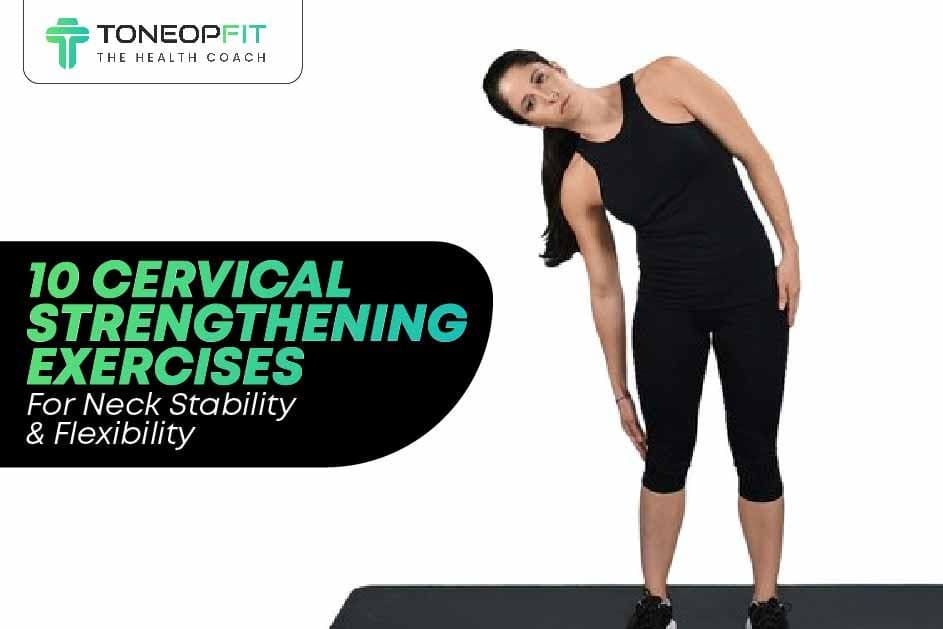
Lateral neck raises strengthen the side neck muscles. Sit or stand with a straight spine. Slowly tilt your head toward one shoulder without lifting the shoulder. Hold the stretch for a moment. Return to center and repeat on the other side. This exercise improves neck balance and posture.
Isometric Holds
Isometric holds build neck strength without movement. Press your forehead into your palms using gentle force. Hold the tension for a few seconds. Repeat by pressing the back of your head into your hands. Side presses work the neck muscles on each side. These exercises enhance muscle endurance safely.
Advanced Neck Workouts
Advanced neck workouts build strength and stability beyond basic exercises. These moves help protect the neck during intense physical activities. They also improve posture and reduce injury risk. Proper form and gradual progression are key to safe training.
Weighted Neck Harness Exercises
This exercise uses a neck harness with attached weights. The harness fits around the head, allowing controlled resistance. Move the neck slowly forward, backward, or side to side. Start with light weights to avoid strain. Increase weight as neck muscles grow stronger.
Resistance Band Training
Resistance bands offer flexible, adjustable tension for neck training. Attach the band to a stable object at head height. Place the band around the head or neck. Perform movements like nodding or shaking against the band’s pull. Bands provide smooth resistance for safer workouts.
Cable Machine Variations
Cable machines allow precise resistance control for neck exercises. Use a head harness or strap attachment. Perform neck flexion, extension, and lateral movements with cables. Adjust weight and speed to match your strength level. This method targets neck muscles effectively and safely.

Credit: nhssca.us
Integrating Neck Workouts In Your Routine
Integrating neck workouts into your gym routine strengthens muscles that often get overlooked. A strong neck improves posture, supports your spine, and reduces injury risk. It also enhances performance in many sports and daily activities.
Adding neck exercises requires thoughtful planning to avoid strain. The neck is delicate and needs gradual, consistent training. Combine neck workouts with your existing exercises for balanced strength and overall fitness.
Frequency And Volume
Train your neck two to three times per week. Allow at least 48 hours of rest between sessions. Keep workouts short, around 10 to 15 minutes each.
Start with low volume: 2 to 3 sets of 8 to 12 repetitions per exercise. Use light resistance or body weight to avoid overloading. Increase intensity slowly as your neck muscles adapt.
Balancing With Other Muscle Groups
Include neck exercises alongside upper back, shoulder, and core workouts. These areas work together to support head and neck posture. Avoid neglecting opposing muscle groups to prevent imbalances.
Design your routine to train all major muscles evenly. For example, pair neck strengthening with traps, rhomboids, and spinal erectors. Balanced training promotes better posture and reduces injury risk.
Tracking Progress And Staying Motivated
Tracking progress is key to building a stronger neck. It helps you see improvements and keeps you motivated. Staying motivated makes workouts more consistent and effective. Small wins add up and boost your confidence.
Measuring Strength Gains
Track how much weight you lift during neck exercises. Note the number of sets and repetitions completed. Use a journal or app to record your workouts. Regularly testing your neck’s endurance shows progress.
Try simple tests like holding head positions for longer times. Measure neck circumference to check muscle growth. Photos can help visualize changes over weeks. These measurements give clear evidence of improvement.
Setting Realistic Goals
Set goals that are challenging but reachable. Break big goals into smaller milestones. For example, increase resistance by small amounts each week. Focus on steady progress rather than quick results.
Write down your goals to stay focused. Adjust goals based on your progress and how your body feels. Celebrate each achievement to keep motivation high. Realistic goals prevent frustration and support long-term success.
Credit: toneopfit.com
Common Neck Pain And How To Address It
Neck pain is a common issue for many people who exercise or sit for long hours. It often comes from weak muscles or poor posture. Understanding how to spot neck pain early helps stop it from getting worse. Proper care and exercises can ease pain and build strength. Knowing the signs and recovery steps is important for healthy neck muscles.
Identifying Overuse Symptoms
Overuse symptoms show when neck muscles are strained too much. Signs include:
- Stiffness and soreness in the neck
- Sharp or dull pain during movement
- Headaches starting at the base of the skull
- Tightness that feels worse after exercise
- Difficulty turning the head fully
These symptoms mean the neck needs attention. Ignoring them can lead to more pain and injury.
Recovery And Rest Strategies
Rest is key for healing sore neck muscles. Avoid heavy lifting or intense workouts for a few days. Gentle stretching helps keep muscles flexible. Use ice packs to reduce swelling and heat packs to relax muscles. Sleep with a supportive pillow to keep the neck aligned. Drink plenty of water to help muscle recovery. Gradually return to neck strengthening exercises after pain eases.

Credit: www.muscleandfitness.com
Frequently Asked Questions
What Are The Best Neck Strengthening Exercises At The Gym?
Effective gym exercises include neck bridges, resistance band curls, and weighted shrugs. These target neck muscles safely and build strength progressively.
How Often Should I Do Neck Strengthening Exercises?
Perform neck exercises 2-3 times weekly with rest days. This frequency helps muscles recover and grow without risk of strain.
Can Neck Strengthening Reduce Pain And Stiffness?
Yes, regular neck strengthening improves posture and reduces muscle tension, which alleviates pain and stiffness in the neck area.
Is Neck Strengthening Safe For Beginners At The Gym?
Yes, beginners should start with light resistance and proper form. Gradually increase intensity to avoid injury and build strength safely.
Conclusion
Building neck strength helps improve posture and reduce pain. Regular exercises protect against injuries during sports or daily activities. Start with light weights and increase slowly to avoid strain. Consistency matters more than intensity for lasting results. Strong neck muscles support your head and upper body well.
Keep your movements controlled and focus on proper form. A strong neck boosts confidence and overall fitness too. Try these exercises to feel the difference soon. Stay patient and enjoy the progress you make each day.







