
Are you ready to transform your core and build strong, defined abs? Whether you’re new to the gym or looking to level up your workout, focusing on the right ab exercises can make all the difference.
Your core isn’t just about looks—it supports your posture, improves balance, and boosts your overall strength. You’ll discover simple yet effective ab exercises you can do at the gym that fit your routine and deliver real results. Keep reading to find out how to target your abs the right way and feel the power of a stronger core every day.
Benefits Of Gym Ab Exercises
Gym ab exercises offer more than just a toned stomach. They build strength that helps in daily tasks and workouts. Regular ab training improves body control and reduces injury risks. Here are key benefits of focusing on abs at the gym.
Improved Core Strength
Strong abs support your entire body. They act as a central pillar for movement. A powerful core makes lifting weights safer and easier. It also helps in stabilizing the spine during exercises. Core strength reduces back pain and boosts endurance. This foundation allows better performance in all gym activities.
Enhanced Athletic Performance
Abs play a major role in sports and fitness. Strong core muscles improve balance and coordination. They help you move faster and with more power. Many sports depend on quick twists and turns that need core strength. Regular ab workouts increase speed and agility. This leads to better results in athletic training.
Better Posture And Stability
Good posture starts with strong abdominal muscles. They keep your spine aligned and prevent slouching. Stability improves balance during standing and moving. This lowers the chance of falls and injuries. Gym ab exercises teach control over body position. Better posture also reduces muscle strain and fatigue.
Credit: steelsupplements.com
Essential Gym Equipment For Abs
Building strong abs requires more than just crunches on the floor. The right gym equipment can target your core more effectively and keep your workouts interesting. Using various tools helps you challenge your muscles in different ways, which is key to seeing real progress.
Cable Machines
Cable machines allow you to perform controlled twisting and pulling movements that engage your entire core. They are great for exercises like cable woodchoppers or cable crunches that work your obliques and upper abs.
What makes cables so effective is the constant tension they provide throughout the movement. This means your abs stay engaged longer, helping you build strength faster than bodyweight exercises alone.
Ab Rollers
Ab rollers might look simple, but they demand a lot from your core muscles. Rolling forward and back forces your abs to stabilize your body and prevent your lower back from sagging.
Using an ab roller regularly can improve your core endurance and control. Have you tried this tool yet? It’s a tough challenge but worth the effort for stronger abs.
Medicine Balls
Medicine balls add weight and variety to your ab workouts. You can use them for Russian twists, overhead slams, or sit-ups to increase resistance and boost muscle activation.
Adding medicine balls makes your core exercises more dynamic. Plus, they improve your coordination and power, which is important for sports and daily activities.
Decline Benches
Decline benches let you work your abs against gravity by performing sit-ups or leg raises at an angle. This added difficulty helps target the lower abs, an area often overlooked.
Have you noticed how decline sit-ups feel different from regular ones? The incline increases the range of motion and intensity, pushing your core strength further.
Top Ab Exercises To Try
Targeting your abs at the gym can be more effective when you focus on exercises that challenge the muscles from different angles. These top ab exercises will help you build strength, improve stability, and carve out definition. Each one offers unique benefits that keep your workouts fresh and your core engaged.
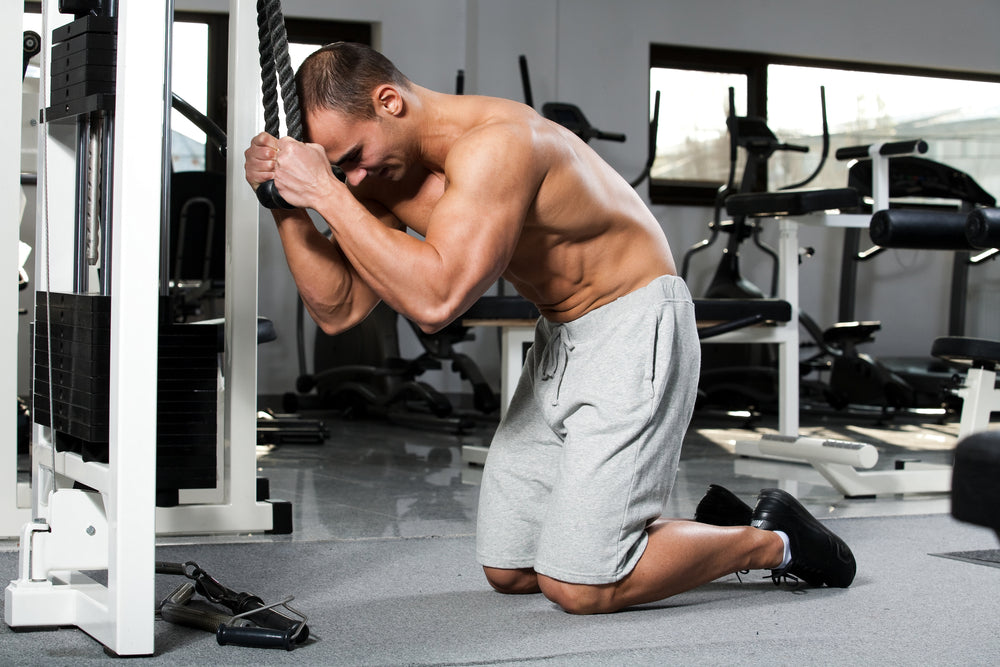
Cable Crunches
Cable crunches let you add resistance to your core workout, making your abs work harder. You can adjust the weight to match your strength level, which helps in progressing steadily. Try to keep your movement controlled and focus on squeezing your abs as you pull down the cable.
Hanging Leg Raises
Hanging leg raises target the lower abs and hip flexors intensely. They also improve grip strength since you’re hanging from a bar. Start with bent knees if straight leg raises feel too difficult, then build up to full leg raises as you get stronger.
Ab Wheel Rollouts
The ab wheel rollout challenges your entire core, especially your deep stabilizer muscles. Using an ab wheel forces you to keep your back flat and abs tight throughout the movement. It’s a simple tool, but it demands control and balance, making it highly effective.
Medicine Ball Russian Twists
This exercise works your obliques and helps improve rotational strength. Holding a medicine ball adds resistance, making each twist more challenging. Keep your feet off the ground and twist from side to side slowly to really feel the burn in your sides.
Decline Bench Sit-ups
Decline bench sit-ups increase the difficulty by adding gravity’s resistance. They engage your upper and lower abs simultaneously. Focus on a slow, controlled motion to maximize muscle engagement and avoid using momentum.
:max_bytes(150000):strip_icc()/Health-GettyImages-1408670689-bc8ab4a5531a4ea994468dabe1b19052.jpg)
Credit: www.health.com
Proper Form And Techniques
Mastering proper form and techniques is crucial for effective ab exercises at the gym. It ensures you target the right muscles and prevent injuries. Paying attention to small details can make a big difference in results and how you feel during your workout.
Maintaining Neutral Spine
Your spine should stay in a neutral position throughout ab exercises. This means avoiding excessive arching or rounding of your lower back. Keeping a neutral spine protects your back and helps engage your core more efficiently.
Imagine lying on a mat with a small gap between your lower back and the floor. That slight curve is what you aim to keep during movements like crunches or leg raises. If you feel strain in your lower back, you might be losing this alignment.
Controlled Breathing
Breathing rhythm plays a big role in your ab workout effectiveness. Exhale during the effort phase, such as when you crunch up, and inhale while returning to the starting position. This breathing pattern supports better muscle engagement and reduces unnecessary tension.
I noticed that when I hold my breath during ab exercises, I get tired faster and my form slips. Paying attention to controlled breathing helped me sustain longer sets and feel stronger through every rep. Have you tried syncing your breath with your movements?
Avoiding Common Mistakes
- Using Momentum:Swinging your body to complete reps reduces the work your abs do. Slow and steady beats fast and sloppy every time.
- Neck Strain:Pulling on your neck during crunches can cause pain and injury. Keep your hands lightly supporting your head and lead with your chest instead.
- Overextending:Going too far back or lifting too high can stress your spine. Focus on quality of movement rather than range.
Have you ever felt pain or discomfort during ab workouts? It’s often due to these simple mistakes. Correcting them will make your sessions safer and more productive.
Creating An Effective Ab Routine
Creating an effective ab routine helps build a strong core and improves overall fitness. A clear plan guides your workouts and ensures balanced muscle development. Focus on varied exercises, proper volume, and recovery for the best results.
Exercise Selection
Choose exercises targeting all abdominal areas: upper abs, lower abs, and obliques. Include movements like crunches, leg raises, and Russian twists. Mixing different exercises prevents plateaus and keeps workouts interesting.
Sets And Reps
Perform 3 to 4 sets per exercise. Aim for 12 to 20 reps to build endurance and strength. Adjust reps based on your fitness level and goals. Higher reps work well for toning, while fewer reps with resistance build muscle.
Rest Periods
Keep rest between sets short, around 30 to 45 seconds. Short breaks maintain workout intensity and challenge your muscles. Longer rests can reduce the effectiveness of the routine and slow progress.
Incorporating Core Workouts With Full Body Training
Adding core workouts to your full body training can significantly boost your overall strength and stability. Your core is the foundation for almost every movement, so focusing on it alongside compound exercises creates a powerful synergy. Have you noticed how your balance improves when your core is strong? That’s the kind of benefit you can expect by blending these workouts.
Balancing Core And Compound Movements
Core exercises target muscles that stabilize your spine and pelvis, while compound movements engage multiple muscle groups at once. To get the most from your gym time, balance these two by pairing a core exercise with a compound lift. For example, follow squats or deadlifts with planks or hanging leg raises to keep your core activated throughout your workout.
By alternating between these exercises, you prevent overworking any single muscle group. This approach also keeps your routine dynamic, reducing boredom and increasing motivation. Ask yourself: Are you focusing enough on your core, or just on the big lifts?
Scheduling Core Workouts
Scheduling core workouts doesn’t mean you need to dedicate a separate day just for abs. You can add short, focused core sessions before or after your full body workouts. Even 10-15 minutes of core work can make a big difference when done consistently.
Consider these tips for your schedule:
- Include core exercises on days you perform compound lifts to enhance stability.
- Use rest days for gentle core-focused activities like Pilates or yoga to promote recovery.
- Listen to your body—if your core feels fatigued, give it time to recover before pushing hard again.
What’s your current workout schedule? Could a few minutes of core work before or after your main exercises improve your performance?
Tips For Maximizing Results
Maximizing your results from ab exercises at the gym takes more than just showing up and doing crunches. You need smart strategies that push your muscles to grow and adapt while supporting your overall health. Here are practical tips to help you get the most out of every workout session.
Progressive Overload
To see real change in your core strength and definition, you must challenge your muscles regularly. Increase the difficulty by adding resistance, increasing reps, or trying more advanced movements.
For example, if you start with basic crunches, next try weighted crunches or cable rotations. Your abs need this gradual challenge to avoid plateaus and keep improving.
Consistency And Patience
Ab muscles don’t develop overnight. You must commit to regular workouts and avoid skipping sessions, even when progress seems slow.
Think about it like building a habit; the more consistent you are, the stronger your core becomes over time. Are you ready to show up for yourself day after day?
Nutrition And Recovery
Your diet plays a huge role in revealing your abs. Eating clean and managing calorie intake can help reduce body fat that hides muscle definition.
Also, recovery is crucial. Your muscles need time to repair and grow stronger, so prioritize sleep and rest days. How well are you supporting your workouts with good nutrition and rest?
Credit: www.gymshark.com
Frequently Asked Questions
What Are The Best Ab Exercises At The Gym?
The best gym ab exercises include cable crunches, hanging leg raises, and ab rollouts. These target all core areas effectively for strength and definition.
How Often Should I Do Ab Exercises At The Gym?
For optimal results, train abs 2-3 times per week. Allow rest days between sessions for muscle recovery and growth.
Can Gym Ab Exercises Reduce Belly Fat?
Ab exercises strengthen muscles but don’t directly burn belly fat. Combine with cardio and a healthy diet for fat loss.
Should I Use Weights For Ab Exercises At The Gym?
Yes, adding weights increases resistance and muscle challenge. Weighted exercises help build stronger, more defined abdominal muscles faster.
Conclusion
Ab exercises at the gym boost core strength and improve posture. Regular workouts lead to better balance and reduced injury risk. Consistency is key; stick to a routine. Mix different exercises for best results. Always maintain proper form to avoid strain.
Listen to your body and rest when needed. Gradually increase intensity as strength grows. Stay motivated and track progress. Enjoy the journey to a stronger core. Remember, every effort counts. Keep pushing towards your fitness goals. Your core will thank you.







