
Are you ready to build strength, improve your posture, and boost your confidence? Upper body gym exercises are the key to transforming your arms, shoulders, chest, and back.
Whether you want to tone your muscles or increase your power, the right workout can make a huge difference. You’ll discover simple and effective exercises that fit your fitness level. Keep reading, and you’ll learn how to get the results you want faster and safer than ever before.
Your stronger, healthier upper body starts here.
Benefits Of Upper Body Training
Focusing on upper body training offers a range of benefits that go beyond just building muscle. It impacts your daily activities, overall health, and even how your body looks and feels. Understanding these benefits can motivate you to stick with your workout routine and push your limits.
Improved Strength And Endurance
Training your upper body helps you build real strength in muscles like your chest, back, shoulders, and arms. This strength makes everyday tasks, such as lifting groceries or carrying kids, much easier. Over time, your endurance improves too, letting you work out longer without feeling drained.
Think about the last time you struggled to open a heavy door or move furniture. Regular upper body exercises can prevent those moments from becoming frustrating obstacles.
Enhanced Muscle Definition
Upper body workouts shape and tone your muscles, giving you a more defined and athletic look. You don’t have to be a bodybuilder to see noticeable changes. Simple exercises like push-ups, pull-ups, or dumbbell presses can sculpt your arms and shoulders effectively.
Have you noticed how a well-toned upper body can boost confidence? It’s not just about appearance but also how you carry yourself in social or professional settings.
Boosted Metabolism And Fat Loss
Building muscle in your upper body increases your resting metabolic rate, meaning you burn more calories even when you’re not exercising. This helps reduce body fat and supports weight management. Combining strength training with a balanced diet can make fat loss more achievable and sustainable.
Ask yourself: are you focusing enough on muscle-building exercises that keep your metabolism active throughout the day? Adding upper body workouts might be the key to breaking through a weight loss plateau.
Key Muscle Groups To Target
Targeting the right muscle groups is crucial for effective upper body workouts. It helps build strength, improve posture, and enhance overall fitness. Focus on major muscles to create balance and avoid injuries.
Chest Muscles
The chest muscles, or pectorals, are key for pushing movements. They give your upper body a strong, broad look. Exercises like push-ups and bench presses work these muscles well. Strengthening the chest improves your ability to lift and push objects.
Back Muscles
The back muscles include the lats, traps, and rhomboids. They support pulling movements and stabilize the spine. A strong back helps with posture and reduces the risk of back pain. Rows and pull-ups target these muscles effectively.
Shoulders
Shoulders control arm movement and support many daily activities. The deltoids have three parts: front, side, and rear. Balanced training of all three parts prevents injuries. Overhead presses and lateral raises are great shoulder exercises.
Arms: Biceps And Triceps
The biceps and triceps control arm bending and straightening. Biceps are on the front, while triceps are on the back of the arm. Strong arms improve lifting and pushing power. Curls work the biceps, while dips and extensions target the triceps.
Effective Upper Body Exercises
Building strength in your upper body requires more than just random workouts. You need exercises that target key muscle groups efficiently. Below are some effective upper body exercises that can help you develop power, endurance, and muscle definition.
Chest Press Variations
The chest press is a fundamental movement for building your chest, shoulders, and triceps. You can perform it with dumbbells, a barbell, or on a machine. Changing the angle of the bench—from flat to incline or decline—shifts the focus to different parts of your chest.
Try mixing flat bench presses with incline presses to avoid plateaus. Are you challenging your muscles enough by adjusting weights and reps regularly?
Pull-ups And Chin-ups
These exercises are excellent for your back, biceps, and grip strength. Pull-ups target the outer back and lats, while chin-ups emphasize the biceps more. If you struggle with bodyweight pull-ups, assisted machines or resistance bands can help you build up strength.
How often do you test your limits on pull-ups? Pushing past a few reps can lead to noticeable progress in your upper body strength.
Overhead Shoulder Press
The overhead shoulder press works your deltoids, triceps, and upper chest. You can do this seated or standing, using dumbbells or a barbell. Standing presses engage your core more, improving overall stability.
Focus on controlled movement and avoid arching your back to prevent injury. Have you paid attention to your form during this powerful lift?
Bicep Curls And Hammer Curls
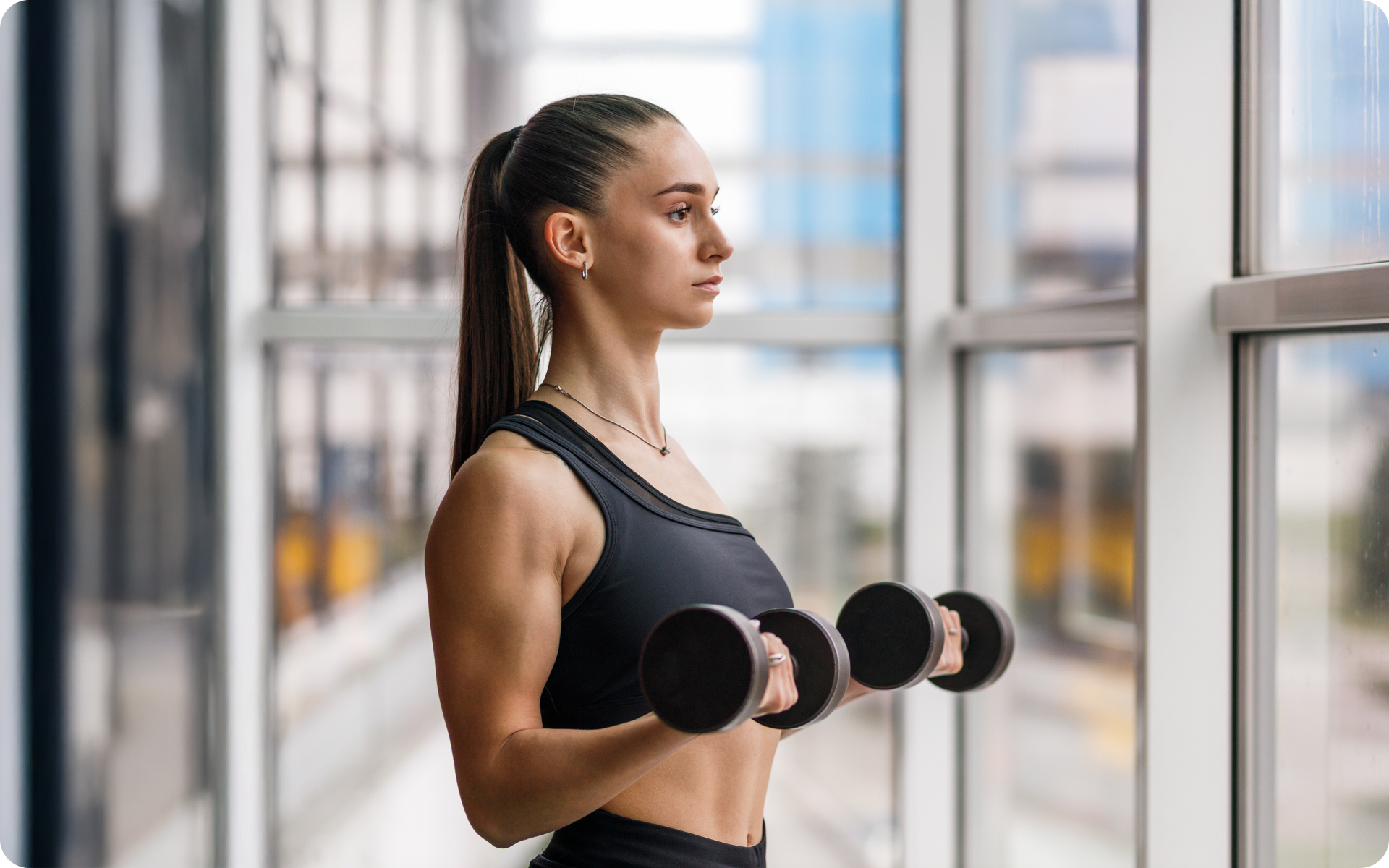
Bicep curls isolate the front of your upper arm, building size and strength. Hammer curls hit the brachialis muscle, which can make your arms look thicker. Using dumbbells allows for a natural range of motion and balance between arms.
Vary your grip and curling speed to keep your muscles guessing. When was the last time you changed your bicep routine to spark new growth?
Tricep Dips And Extensions
Triceps make up a large part of your upper arm, and targeting them improves overall arm shape. Dips can be done on parallel bars or a bench, emphasizing the back of the arms. Tricep extensions, either overhead or lying down, focus on muscle isolation.
Adding these exercises can help you break through stubborn strength plateaus. How focused are you on balancing your arm workouts between biceps and triceps?
Rows For Back Development
Rows build thickness in your upper and middle back, improving posture and strength. You can perform rows with a barbell, dumbbells, or cable machines. Variations like bent-over rows or seated cable rows target different angles of your back muscles.
Pay close attention to squeezing your shoulder blades together at the top of the movement. Are you making your back work as hard as your chest during your workouts?

Credit: www.womenshealthmag.com
Workout Routines For Strength
Building upper body strength requires focused workout routines. These routines help increase muscle power and endurance. A well-structured plan targets key muscle groups effectively. Consistency and proper technique play vital roles. Below are essential strategies for strength training in the upper body.
Low Reps High Weight Plan
Lift heavy weights with fewer repetitions to boost strength. Aim for 3 to 6 reps per set. Use weights that challenge your muscles but allow safe form. Rest longer between sets, about 2 to 3 minutes. This method maximizes muscle fiber recruitment and power gains.
Compound Movement Focus
Include exercises that work multiple muscle groups at once. Examples are bench presses, pull-ups, and overhead presses. These moves improve overall strength and coordination. Compound exercises save time and burn more calories. They build a solid foundation for all upper body muscles.
Progressive Overload Strategies
Gradually increase the weight or reps over time. This forces muscles to adapt and grow stronger. Track your progress to know when to add more weight. Small, consistent increases avoid injury and boost gains. Use a training log or app to stay on track.
Workout Routines For Muscle Growth
Building muscle in your upper body requires more than just lifting heavy weights. Your workout routine should challenge your muscles effectively while allowing them to recover and grow. Focusing on how you perform exercises, choosing the right movements, and managing your workout volume can make a huge difference in your muscle gains.
Moderate Reps With Controlled Tempo
Choosing the right number of repetitions is key. Aim for 8 to 12 reps per set to balance strength and hypertrophy.
Control the tempo of each lift by slowing down the lowering phase. For example, take 3 seconds to lower the weight and 1 second to lift it.
This controlled pace increases time under tension, which stresses the muscle fibers more and promotes growth. Have you tried slowing down your reps to really feel the muscle working?
Isolation Exercises Integration
Compound movements like bench presses and rows are great, but adding isolation exercises can target specific muscles more effectively.
- Bicep curls for the arms
- Tricep pushdowns for the back of the arms
- Lateral raises for the shoulders
Including these exercises helps you address weak points and improve muscle symmetry. What small muscle group do you think needs more attention in your routine?
Volume And Frequency Tips
Muscle growth depends on how much total work you do and how often you train each muscle group.
| Volume | Frequency |
|---|---|
| 3-5 sets per exercise | Train each muscle group 2-3 times per week |
| 15-20 total sets per muscle per week | Allow at least 48 hours rest between sessions |
Adjusting your workout frequency and volume can prevent plateaus. How often do you give your muscles time to recover before hitting them again?
Common Mistakes To Avoid
Avoiding common mistakes in upper body gym exercises helps improve results and prevent injuries. Many people rush through workouts without paying attention to key details. Small errors can reduce the effectiveness of your training. They can also cause pain and long breaks from exercise. Focus on proper habits to get stronger safely.
Poor Form And Technique
Poor form limits muscle growth and strains joints. Using heavy weights without control leads to bad posture. Swinging or jerking the weights reduces muscle engagement. Keep your movements smooth and steady. Concentrate on the muscle you want to work. Ask for advice or watch tutorials to learn correct techniques.
Neglecting Warm-up And Stretching
Skipping warm-up raises injury risk. Cold muscles are less flexible and tear easily. Spend 5-10 minutes warming your upper body. Use light cardio or dynamic stretches. Stretch muscles after your workout too. This improves recovery and keeps muscles long and strong.
Overtraining And Insufficient Recovery
Training too hard without rest harms progress. Muscles need time to heal and grow. Overtraining causes fatigue and weakens the immune system. Plan rest days between upper body workouts. Sleep well and eat enough protein. Listen to your body and stop if you feel pain.
Nutrition Tips For Upper Body Gains
Building upper body strength isn’t just about lifting weights; what you eat plays a huge role in your progress. Proper nutrition fuels your workouts and helps repair muscles so you can see real gains. Let’s look at some key nutrition tips that can support your upper body development effectively.
Protein Intake Recommendations
Your muscles need protein to recover and grow stronger after workouts. Aim for about 1.6 to 2.2 grams of protein per kilogramof body weight daily. This range supports muscle repair without going overboard.
Good protein sources include:
- Chicken breast, turkey, lean beef
- Eggs and dairy products like Greek yogurt
- Plant-based options such as lentils, chickpeas, and tofu
Have you tracked your protein intake lately? Small adjustments here can speed up your gains significantly.
Importance Of Hydration
Water is often overlooked but is essential for muscle performance and recovery. Staying hydrated helps maintain strength and prevents cramps during intense upper body sessions.
Try to drink at least 3 to 4 liters of water daily, more if you sweat a lot during workouts. Drinking water before, during, and after exercise keeps your muscles fueled and ready.
Think about how you feel when you’re dehydrated—does your energy drop? Staying hydrated keeps you sharp and powerful.
Meal Timing And Supplements
When you eat can be just as important as what you eat. Consuming a balanced meal with protein and carbs about 1 to 2 hours before trainingcan boost your energy and performance.
After your workout, a quick protein snack or shake within 30 to 60 minuteshelps kickstart muscle recovery. If you’re short on time, supplements like whey protein can be handy to meet your daily protein goals.
Creatine and branched-chain amino acids (BCAAs) may also help improve strength and reduce muscle soreness. Have you tried timing your meals to see if it changes how you feel during workouts?

Credit: www.youtube.com
Tracking Progress And Adjustments
Tracking your progress during upper body workouts is essential to ensure you’re moving toward your strength and fitness goals. Without monitoring, it’s easy to lose motivation or miss signs that your routine needs a change. Staying aware of your improvements and knowing when to adjust can keep your workouts effective and engaging.
Using Workout Logs
Writing down your exercises, weights, sets, and reps helps you see exactly where you started and how far you’ve come. A simple workout log can be a notebook, an app, or a spreadsheet—whatever you find easy to maintain.
Tracking details like rest times and how you felt during workouts can reveal patterns. Have you noticed certain exercises feel easier or harder? Logging this gives you clues on what to keep or change.
Assessing Strength Improvements
Regularly testing your max lifts or the number of reps at a fixed weight shows your real progress. If you can do more push-ups or lift heavier dumbbells than last month, that’s a clear sign your upper body is getting stronger.
Don’t just focus on numbers—pay attention to form and control too. Improved technique often means you’re building muscle more effectively and avoiding injury.
Modifying Routines For Plateau Breakthrough
Have you hit a point where progress stalls? This plateau can feel frustrating, but it’s also an opportunity to tweak your workouts.
Try changing variables like:
- Exercise selection (e.g., swap bench press for dumbbell presses)
- Set and rep schemes (increase sets, lower reps with heavier weight)
- Rest periods (shorten or lengthen to challenge endurance or strength)
Small changes can reignite muscle growth and keep you motivated. What new challenge will you add to push past your current limits?
Credit: betterme.world
Frequently Asked Questions
What Are The Best Upper Body Gym Exercises?
The best upper body gym exercises include bench press, pull-ups, shoulder press, rows, and bicep curls. These target chest, back, shoulders, and arms effectively. Combining these exercises builds strength, muscle mass, and improves overall upper body fitness.
How Often Should I Do Upper Body Workouts?
Aim for 2 to 3 upper body workout sessions per week. This frequency allows muscle recovery and growth. Avoid overtraining by spacing workouts with rest days. Consistency is key for strength gains and injury prevention.
Can Upper Body Exercises Help Improve Posture?
Yes, upper body exercises strengthen back and shoulder muscles. Strong muscles support spine alignment and reduce slouching. Focus on rows, reverse flys, and shoulder stability exercises. Improved posture enhances appearance and reduces pain.
Are Free Weights Or Machines Better For Upper Body Training?
Both have benefits; free weights improve balance and engage stabilizers. Machines guide movement, reducing injury risk for beginners. Combining both types in your routine maximizes strength and muscle development safely.
Conclusion
Strengthening your upper body offers many benefits. Improved posture. Increased strength. Better daily performance. Consistent gym workouts bring results. Focus on exercises that target various muscle groups. Mix it up. Keep the routine engaging and effective. Remember, safety first. Proper form prevents injuries.
Stay motivated and track your progress. Celebrate small victories. Every step counts. Fitness is a journey, not a sprint. With dedication, you’ll see improvements. Feel stronger. Move with ease. Enjoy the process and stay committed. Your upper body will thank you.
Happy exercising!







