
Are you looking for a fun and effective way to boost your workouts? Peanut gym ball exercises might be exactly what you need.
This unique tool helps you improve balance, strengthen muscles, and increase flexibility—all while adding variety to your routine. Whether you’re new to fitness or want to take your training to the next level, these exercises can transform how you move and feel.
Keep reading to discover simple moves that will challenge your body and keep you motivated every step of the way.
Credit: www.therapro.com
Benefits Of Peanut Gym Ball
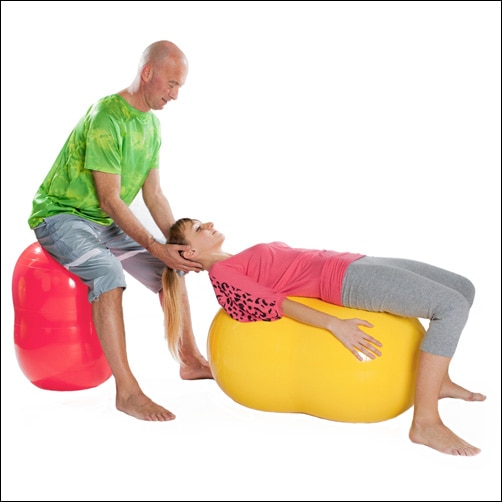
The peanut gym ball offers many benefits for fitness and health. It shapes workouts with its unique design. The ball’s curved form makes it stable and safe. It suits various exercises for all skill levels. Using this ball improves strength, balance, and recovery. It fits well in home gyms or studios. Its versatility adds fun and challenge to routines.
Improving Core Strength
The peanut gym ball targets core muscles effectively. It forces your body to engage the abs and lower back. This engagement builds stronger core muscles over time. A strong core supports better posture and reduces back pain. Exercises on the ball increase muscle endurance and control. It offers a low-impact way to tone the midsection.
Enhancing Balance And Stability
Balancing on the peanut ball improves coordination. The shape makes it easier to hold steady than round balls. It trains small stabilizing muscles that often get ignored. Better stability helps in daily activities and sports. Practicing balance reduces the risk of falls and injuries. The ball challenges your body to stay aligned.
Supporting Rehabilitation
Physical therapists often use the peanut ball for rehab. It provides gentle support during movement and stretches. The ball helps restore strength after injury or surgery. It allows controlled motion without strain on joints. Rehab exercises on the ball improve flexibility and muscle tone. It aids faster and safer recovery processes.
Versatility In Workouts
- Strength training: Use it for push-ups and planks.
- Stretching: Enhance flexibility with supported stretches.
- Balance drills: Practice standing or sitting balance poses.
- Rehabilitation: Perform gentle movements for recovery.
- Core workouts: Engage abs with crunches and twists.
The peanut gym ball fits many workout styles and goals. It suits beginners and advanced users alike.

Credit: energiefitness.in
Choosing The Right Peanut Ball
Choosing the right peanut ball can make a big difference in how effective and comfortable your exercises feel. The right fit supports your body properly, helping you maintain balance and engage the right muscles. Let’s look at the key factors to consider so you can pick a peanut ball that works perfectly for your needs.
Size And Weight Considerations
Peanut balls come in different sizes, usually measured by length and width. Choosing a size that matches your height and body type is crucial for stability. If the ball is too big or too small, your posture during exercises can suffer, reducing the workout’s benefits.
Weight also matters. A lighter ball is easier to move around but may not provide enough resistance for strength training. On the other hand, a heavier ball offers more stability but can be harder to control. Think about what type of exercises you plan to do and your current fitness level before picking the size and weight.
Material And Durability
Look for peanut balls made from high-quality, burst-resistant materials like PVC or thick rubber. This ensures the ball can handle your weight and intense movements without popping. A durable ball lasts longer, saving you money and frustration.
Check if the surface is non-slip. A textured finish helps keep you steady during workouts, especially when you sweat. If you have sensitive skin, opt for materials that feel comfortable and won’t cause irritation.
Inflation Tips
Proper inflation is key to getting the best performance from your peanut ball. Under-inflation makes the ball too soft and unstable, while over-inflation can make it too hard and uncomfortable. Aim for a firm but slightly cushioned feel.
Use a reliable pump with a pressure gauge to avoid guesswork. Try sitting or lying on the ball during inflation to test the firmness firsthand. Adjust the air until you find the sweet spot that supports your body without feeling like you’re on a rock.
Have you ever struggled with balance during exercises? Choosing the right size and inflation level could be the simple fix you need to improve your workout experience dramatically.
Basic Exercises To Start
Starting with basic peanut gym ball exercises can build your confidence and prepare your body for more advanced moves. These simple exercises focus on improving your balance, core strength, and stability. They’re perfect whether you’re new to fitness or just new to using the peanut ball.
Seated Balance Holds
Sit on the peanut ball with your feet flat on the floor, hip-width apart. Keep your back straight and engage your core to maintain balance. Try to hold this position for 20 to 30 seconds without letting your feet or hands touch the floor.
This exercise improves your posture and strengthens your core muscles. If you wobble, it’s a sign your core needs more work—keep practicing and you’ll see progress quickly. Have you noticed how challenging simple balance can be when your core is weak?
Pelvic Tilts
Lie on your back with the peanut ball under your lower back and feet flat on the floor. Gently tilt your pelvis upward, pressing your lower back into the ball. Hold for a few seconds, then release and repeat 10 to 15 times.
This move helps relieve lower back tension and strengthens your pelvic muscles. It’s easy to forget how much your pelvis influences your overall stability. How often do you think about keeping your pelvis aligned during everyday movements?
Wall Squats With Support
Place the peanut ball between your lower back and a wall. Stand with your feet shoulder-width apart and slowly lower yourself into a squat position, bending your knees and keeping your back against the ball. Hold for a few seconds, then push back up. Repeat 10 to 12 times.
Wall squats with the peanut ball support your back and help you practice proper squat form. This exercise strengthens your legs without putting strain on your knees or lower back. Do you feel the difference when your back is supported versus unsupported during squats?
Advanced Strength Moves
Advanced strength moves on the peanut gym ball challenge your muscles more than basic exercises. These moves improve stability, balance, and overall body strength. Each exercise targets multiple muscle groups while engaging your core deeply. Performing these exercises regularly can boost your strength and control.
Plank Variations
Plank variations on the peanut ball increase the difficulty of the traditional plank. Your hands or forearms rest on the ball, forcing your core to work harder. Try side planks, forearm planks, or plank taps to add variety. These variations strengthen your abs, shoulders, and back simultaneously.
Push-ups On Peanut Ball
Push-ups on the peanut ball engage your chest, arms, and core more intensely. Place your hands on the ball’s surface and keep your body straight. The unstable surface makes your muscles contract harder to keep balance. This move improves upper body strength and enhances coordination.
Bridges With Leg Lifts
Bridges with leg lifts on the peanut ball activate your glutes, hamstrings, and lower back. Lie on your back with your feet on the ball and lift your hips off the floor. Raise one leg while keeping your hips stable. This exercise builds strength and improves hip stability.
Balance And Stability Drills
Balance and stability drills with a peanut gym ball improve muscle control and coordination. These exercises target small stabilizing muscles that regular workouts might miss. Using the peanut shape adds a unique challenge, making workouts safer and more effective.
Practicing these drills helps prevent injuries and enhances everyday movements. They build a strong foundation for athletic activities and improve posture. The peanut gym ball offers a stable yet dynamic surface, perfect for balance training.
Single-leg Stands
Stand on one leg while placing the opposite foot on the peanut ball. Keep your body upright and engage your core. Hold this position for 20 to 30 seconds. Switch legs and repeat. This exercise strengthens ankle and leg muscles. It also trains your body to stay steady under pressure.
Dynamic Lunges
Place one foot on the peanut ball behind you. Step forward with the other leg into a lunge. Lower your body until both knees are bent at 90 degrees. Push back to the starting position. Repeat for 10 to 12 reps on each leg. This move enhances lower body strength and balance. The peanut ball adds an element of instability, increasing muscle activation.
Core Twists
Sit on the peanut ball with your feet flat on the floor. Keep your back straight and hands together in front of you. Slowly twist your upper body to one side, then to the other. Perform 15 to 20 twists per side. This exercise targets the oblique muscles and improves torso stability. The unstable seat forces your core to work harder for balance.

Credit: energiefitness.in
Injury Prevention And Safety Tips
Injury prevention is crucial when using a peanut gym ball. These exercises improve strength and balance but require care. Following safety tips reduces the risk of strains and falls. Proper technique and preparation protect your body during workouts.
Proper Form And Alignment
Maintaining correct posture is key. Keep your spine straight and shoulders relaxed. Avoid arching your back or locking your joints. Engage your core muscles to support your lower back. Proper alignment helps distribute weight evenly on the ball. This reduces stress on muscles and joints.
Warming Up And Cooling Down
Start with gentle movements to prepare your muscles. Simple stretches increase blood flow and flexibility. Warm muscles respond better to exercise and prevent injuries. After your workout, cool down with slow stretches. Cooling down helps muscles relax and reduces soreness.
Avoiding Common Mistakes
- Do not rush through exercises; move slowly and with control.
- Use the right size ball for your height and weight.
- Check the ball for any damages before use.
- Keep the workout area clear of obstacles to prevent falls.
- Stop immediately if you feel pain or discomfort.
Incorporating Peanut Ball In Daily Routine
Incorporating the peanut ball into your daily routine helps boost fitness and flexibility. This unique gym ball fits perfectly into small spaces and suits many exercise types. Using it regularly improves balance, core strength, and posture.
Consistency matters. Practicing peanut ball exercises every day enhances muscle tone and reduces stress on joints. It also makes workouts more fun and less tiring.
Office And Home Workouts
The peanut ball works well in both office and home settings. At your desk, use it to stretch your back and hips during breaks. Sitting on the ball encourages better posture and core activation.
At home, try simple exercises like pelvic tilts or gentle stretches. These movements relieve tension and increase blood flow. The ball’s shape keeps it stable, making it safe on any floor.
Combining With Other Equipment
Pairing the peanut ball with other tools creates varied workouts. Use light dumbbells or resistance bands for added strength training. This combination targets multiple muscle groups efficiently.
Yoga mats and foam rollers complement peanut ball exercises. They provide extra comfort and support. This setup helps deepen stretches and improve flexibility.
Tracking Progress
Monitor your improvements to stay motivated and focused. Keep a simple log of exercises, reps, and duration. Note changes in balance, strength, and comfort levels.
Small goals help maintain consistency. Celebrate milestones like holding a position longer or increasing reps. Progress tracking ensures steady fitness gains over time.
Frequently Asked Questions
What Are Peanut Gym Balls Used For?
Peanut gym balls improve balance, coordination, and core strength. Their unique shape offers stability and prevents rolling. They are ideal for rehabilitation and fitness exercises.
How Do Peanut Gym Ball Exercises Benefit Posture?
Peanut gym ball exercises engage core muscles, supporting spinal alignment. They help correct posture by strengthening back and abdominal muscles. Regular use reduces back pain and improves overall posture.
Can Beginners Use Peanut Gym Balls Safely?
Yes, beginners can use peanut gym balls safely. Start with basic exercises and maintain proper form. Gradually increase intensity to avoid injury and build confidence.
Which Muscles Do Peanut Gym Ball Exercises Target?
Peanut gym ball exercises primarily target the core, back, and pelvic muscles. They also engage stabilizer muscles for improved balance and strength. This leads to enhanced overall muscle tone.
Conclusion
Peanut gym ball exercises offer great benefits for your body. They improve balance, flexibility, and strength. Plus, they’re fun and easy to do at home. You don’t need expensive equipment or a gym membership. Just a little space and your peanut gym ball.
These exercises suit all fitness levels. Start slow and gradually increase your routine. Listen to your body and make adjustments as needed. Consistency brings results over time. So, grab your peanut gym ball and begin your fitness journey today. Feel healthier and more energetic with each session.
Enjoy the journey to a fitter you!







