
Are you struggling to tone your lower abdomen despite spending hours at the gym? You’re not alone.
Targeting that stubborn area can feel tough, but with the right exercises, you can see real results faster than you think. Imagine fitting into your favorite clothes with confidence and feeling stronger every day. This guide will show you simple, effective lower abdomen exercises you can do at the gym to shape your core and boost your fitness.
Keep reading—your transformation starts here.
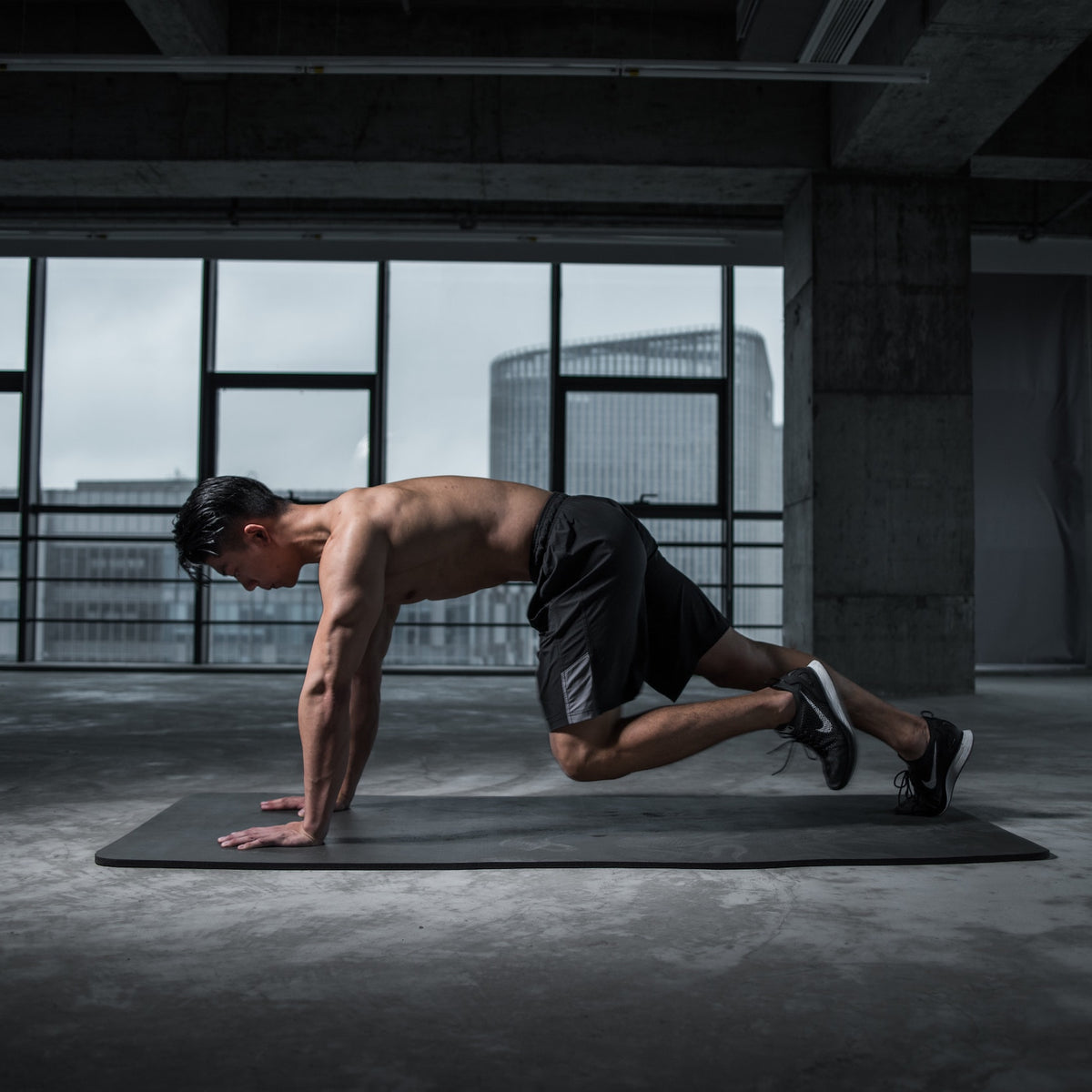
Credit: swolverine.com
Benefits Of Lower Abdomen Exercises
Focusing on your lower abdomen during gym workouts offers more than just a toned look. These exercises play a key role in strengthening your core, improving how you carry yourself, and even easing discomfort in your lower back. If you want to feel stronger and move better every day, paying attention to this area can make a real difference.
Improved Core Strength
Lower abdomen exercises target muscles that are crucial for a solid core. A strong core supports almost every movement you do, from lifting weights to bending down. When you strengthen these muscles, you’ll notice better balance and stability, which helps prevent injuries.
Think about how much easier it is to carry groceries or play sports when your core feels solid. Have you ever felt wobbly or unstable? That’s often a sign your lower abdomen needs more work.
Enhanced Posture
Working out your lower abdomen helps keep your spine aligned. Strong abdominal muscles pull your pelvis into the right position, which stops you from slouching. This means you can sit and stand taller without discomfort.
Good posture isn’t just about looking confident—it also reduces strain on your neck and shoulders. If you spend long hours at a desk, adding these exercises can make your workday much more comfortable.
Reduced Lower Back Pain
Lower back pain often comes from weak abdominal muscles that fail to support your spine. Strengthening your lower abdomen acts like a natural brace for your lower back. This support can ease pain and reduce the risk of future problems.
Many people find relief after just a few weeks of focused lower abdomen training. Imagine not having to reach for painkillers or miss out on activities because of back pain. Wouldn’t that be a game changer?
Key Muscles Targeted
Understanding which muscles you activate during lower abdomen exercises can change how you approach your workouts. Targeting the right muscles ensures you get the most out of your time at the gym and helps prevent injury. Let’s break down the key muscles involved and why focusing on each can improve your core strength and stability.
Lower Rectus Abdominis
The lower rectus abdominis is the part of your “six-pack” that lies below your belly button. It plays a major role in flexing your spine and stabilizing your pelvis during movement.
When you perform exercises like leg raises or reverse crunches, this muscle gets the most activation. Have you noticed how controlling the movement slowly increases the burn in this area? That’s your lower rectus abdominis working hard.
Transverse Abdominis
This deep muscle wraps around your abdomen like a natural corset. It’s responsible for stabilizing your core and supporting your spine during both static holds and dynamic movements.
Engaging your transverse abdominis during lower abdomen workouts improves posture and reduces the risk of lower back pain. Try focusing on drawing your belly button toward your spine during exercises; this subtle action helps activate this crucial muscle.
Obliques
The obliques run along the sides of your torso and assist with twisting and side bending. They also help stabilize your core during lower abdomen exercises.
Incorporating movements like bicycle crunches or side planks challenges your obliques and improves your overall core strength. Can you feel how twisting and side movements add a different dimension to your workout? That’s the obliques stepping in.
Essential Gym Equipment
Having the right gym equipment can make a big difference when targeting your lower abdomen. Choosing tools that allow focused, controlled movements helps you build strength effectively. Let’s look at some essential equipment that can enhance your workout and keep your routine interesting.
Cable Machines
Cable machines offer a versatile way to work your lower abs with resistance that you control. Using the adjustable pulleys, you can perform exercises like cable crunches or woodchoppers. These moves target the lower belly while engaging your core for stability.
What’s great about cable machines is the smooth, constant tension they provide. This keeps your muscles working hard throughout the entire movement. You can easily adjust the weight to match your current strength level and progress steadily.
Ab Rollers
Ab rollers are simple but powerful tools for lower abdominal training. When you roll out, you activate your core muscles deeply to keep your body stable. This action particularly hits the lower abs, making it one of the most effective exercises for that area.
Using an ab roller demands control and balance, so it also improves your overall core stability. You might find it challenging at first, but as you gain strength, the results become very noticeable. Have you tried adding this to your routine yet?
Stability Balls
Stability balls add an element of balance and resistance to your lower abdomen exercises. Movements like ball rollouts or crunches on a stability ball force your core to engage more to maintain balance. This engages the lower abs in a functional way.
Besides targeting your muscles, stability balls improve your posture and coordination. They are also easy to use for beginners and can be included in many gym workouts. Do you feel your core working harder when you use a stability ball?

Credit: www.shefinds.com
Top Lower Abdomen Exercises
Building a strong lower abdomen is key to a balanced core. It improves posture, supports your back, and shapes your waist. The right exercises target this area effectively. Choose moves that engage the lower abs deeply and safely.
Here are some top exercises to include in your gym routine. They focus on the lower belly and help tone and strengthen this part of your body.
Hanging Leg Raises
Hang from a pull-up bar with your arms straight. Slowly lift your legs until they are parallel to the floor. Keep your core tight and avoid swinging. Lower your legs with control. This exercise hits the lower abs hard and builds strength.
Cable Crunches
Attach a rope to a high pulley on a cable machine. Kneel down facing the machine. Hold the rope by your head and crunch down, bringing your elbows to your knees. Focus on squeezing the lower abs. Cable crunches add resistance for a deeper burn.
Reverse Crunches
Lie flat on your back with your arms by your sides. Lift your legs, bending your knees at 90 degrees. Use your lower abs to curl your hips off the floor. Lower your hips slowly back down. This exercise isolates the lower abs well.
Decline Bench Leg Lifts
Lie on a decline bench with your head higher than your hips. Hold the bench for support. Lift your legs straight up towards the ceiling. Lower them slowly without touching the bench. This move increases the intensity on the lower abs.
Exercise Techniques For Maximum Effect
Mastering the right exercise techniques makes all the difference when targeting your lower abdomen at the gym. It’s not just about doing the moves but doing them correctly to engage the muscles fully and avoid injury. Paying attention to form, breathing, and movement control will help you get the most out of every rep.
Proper Form Tips
Maintaining proper form ensures you activate the lower abdominal muscles effectively. Keep your lower back pressed gently against the floor or bench to prevent strain and to focus effort on the abs. Avoid pulling with your neck or using momentum; this reduces the effectiveness of the exercise.
Try to keep your movements steady and aligned. For example, in leg raises, don’t let your legs swing; keep them straight and lift slowly. Are you feeling your lower abs working or just other parts? Adjust your form until you feel the targeted muscles engage.
Breathing Patterns
Breathing correctly helps you maintain core stability and supports muscle activation. Exhale during the exertion phase—when you lift or crunch—and inhale during the relaxation phase. This pattern boosts your strength and endurance during each set.
Holding your breath can increase tension but might also cause dizziness or fatigue. Focus on smooth, controlled breathing to keep your energy steady. Have you noticed how your breathing rhythm changes when you struggle through reps? Use that as feedback to improve.
Controlled Movements
Speed doesn’t equal success in lower abdomen exercises. Slow, controlled movements maximize muscle tension and improve muscle fiber recruitment. Avoid rushing through reps or bouncing; instead, focus on deliberate motion.
For instance, lower your legs slowly during leg raises and resist gravity as you go down. This builds strength and reduces the risk of injury. How often do you slow down to really feel the burn? Try it next time and watch your progress accelerate.
Integrating Lower Abs Workouts Into Routine
Integrating lower abs workouts into your gym routine helps build a strong, toned core. It improves posture and supports overall fitness. Consistency matters, but so does smart planning. Balance your exercises to avoid overtraining and injury.
Frequency And Volume
Train your lower abs two to three times a week. Each session should include 3 to 4 exercises. Perform 2 to 3 sets of 12 to 15 repetitions per exercise. Avoid daily training to let muscles recover. Quality beats quantity for muscle growth and definition.
Combining With Full Core Training
Include lower abs workouts within a full core routine. Target upper abs, obliques, and lower back too. This approach creates a balanced, strong midsection. Try planks, Russian twists, and leg raises together. Balanced training prevents muscle imbalances and improves overall strength.
Rest And Recovery
Rest is vital for muscle repair and growth. Allow 48 hours between lower abs sessions. Include light stretching and low-intensity cardio on rest days. Drink water and eat protein-rich meals. Proper recovery helps avoid fatigue and reduces injury risk.
Common Mistakes To Avoid
Lower abdomen exercises target a tricky area that many find hard to tone. Avoiding common mistakes helps you get better results and prevents injury. Focus on form and muscle engagement for safe workouts.
Overusing Hip Flexors
Many rely too much on hip flexors during lower abdomen exercises. This shifts work away from your core muscles. Overusing hip flexors causes strain and reduces abdominal activation. Keep your hips stable and focus on pulling in your lower belly.
Incorrect Posture
Bad posture reduces exercise effectiveness and risks injury. Avoid arching your lower back or slouching your shoulders. Maintain a neutral spine and engage your core throughout the movement. Use a mirror or trainer to check your form regularly.
Neglecting Other Core Muscles
Focusing only on the lower abs limits overall core strength. Include exercises that work the upper abs, obliques, and lower back. A balanced core improves stability and supports your lower abdomen workouts. Variety helps build stronger and more defined muscles.
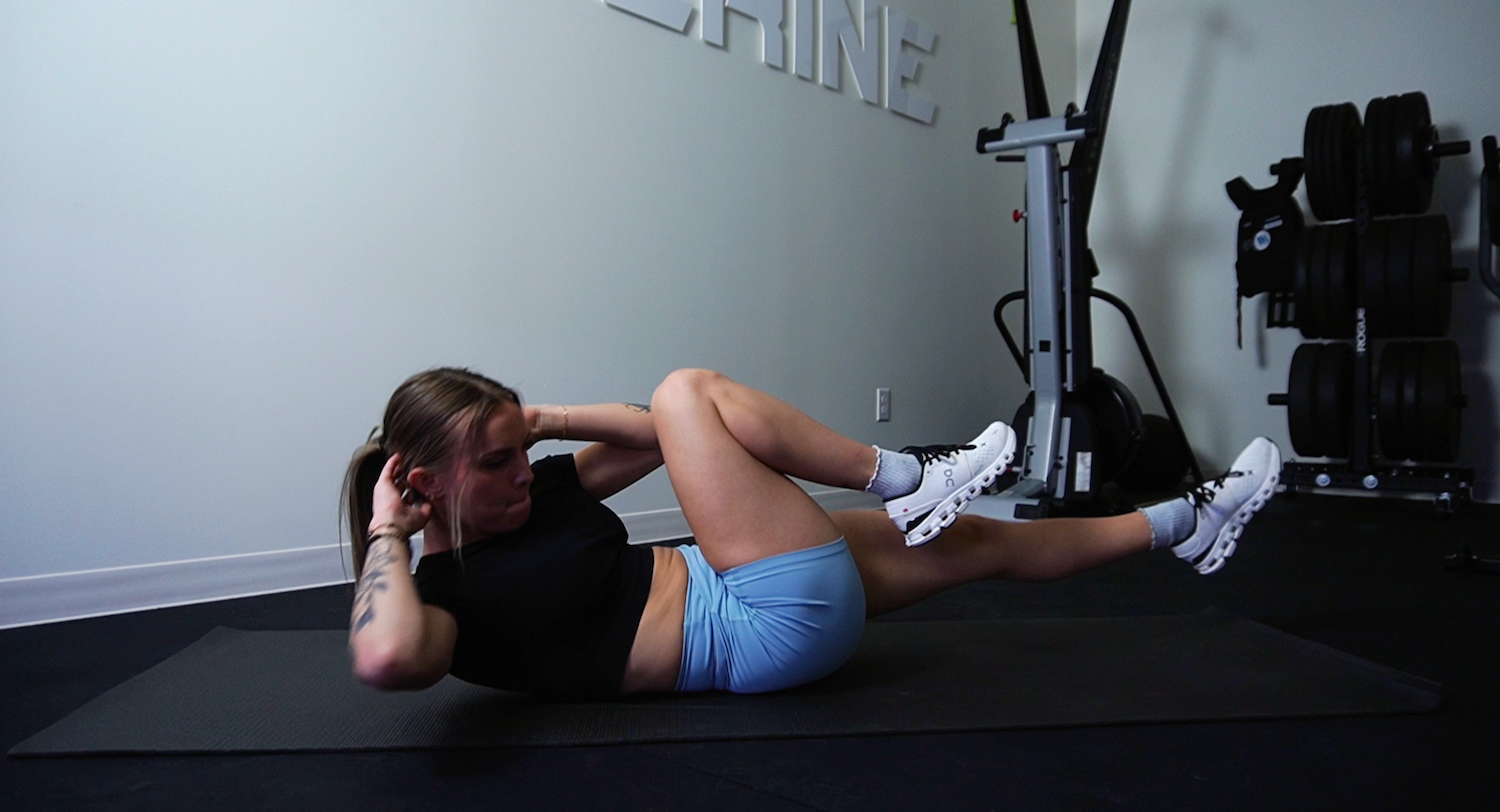
Credit: swolverine.com
Nutrition Tips For A Toned Core
Getting a toned lower abdomen isn’t just about hitting the gym hard; what you eat plays a huge role too. Your nutrition fuels your workouts and helps reduce the stubborn fat covering your muscles. Focusing on the right foods and habits can make your core exercises more effective and visible.
Balanced Diet Essentials
Your core muscles need more than just protein to shine—they need a balanced mix of nutrients. Include lean proteins like chicken, fish, and beans to support muscle repair and growth.
Don’t forget complex carbs such as sweet potatoes, oats, and brown rice to give you steady energy throughout your workouts. Healthy fats from sources like avocados, nuts, and olive oil help control inflammation and keep hormones balanced.
Are you paying enough attention to fiber? Vegetables, fruits, and whole grains keep your digestion smooth and reduce bloating, which can hide your abs.
Hydration
Drinking water is often overlooked but it’s critical for a toned core. Staying hydrated helps prevent water retention and flush out toxins that can cause bloating.
Try to sip water consistently throughout the day instead of chugging large amounts at once. If you sweat a lot during workouts, consider drinks with electrolytes to keep your muscles functioning well.
Have you noticed how much clearer and tighter your skin looks when you’re well-hydrated? That’s your body showing off your hard work.
Supplements To Consider
While whole foods should be your first choice, some supplements can support your core goals. Whey protein is a quick and effective way to boost your protein intake after lower abdomen exercises.
Omega-3 supplements reduce inflammation and help with fat loss around the belly. A daily multivitamin can fill any gaps in your diet to keep your energy and recovery on track.
Remember, supplements are just aids—not magic fixes. Have you tracked which supplements actually improve your workout recovery or energy levels?
Frequently Asked Questions
What Are The Best Lower Abdomen Exercises In The Gym?
Effective lower abdomen exercises include leg raises, reverse crunches, and cable crunches. These target the lower abs and improve core strength. Incorporating these into your routine enhances muscle definition and stability.
How Often Should I Do Lower Abdomen Workouts?
Perform lower abdomen exercises 2-3 times per week. Allow at least one rest day between sessions for muscle recovery. Consistency is key for visible results and improved core strength.
Can Lower Abdomen Exercises Reduce Belly Fat?
Lower abdomen exercises tone muscles but don’t directly burn belly fat. Combining workouts with cardio and a healthy diet helps reduce overall body fat, including the belly area.
Which Gym Equipment Is Best For Lower Abdomen Workouts?
Cable machines, decline benches, and stability balls are ideal for lower abdomen exercises. These tools provide resistance and support to effectively target and strengthen lower abdominal muscles.
Conclusion
Lower abdomen exercises boost core strength and stability. They are essential for fitness. Regular workouts improve posture and reduce injury risk. Consistency is key. Remember to focus on form to prevent strain. Listen to your body during exercises. Rest is important for muscle recovery.
Balanced nutrition aids your fitness journey. Stay hydrated always. Keep setting realistic goals. Track your progress for motivation. Celebrate small victories along the way. Fitness is a lifelong journey. Enjoy each step of the process. Keep pushing towards a healthier you.
Your efforts truly matter. Stay committed and see the results.







