
Are you looking to sculpt your waist and strengthen your core? Oblique exercises are key to achieving that toned, defined look you want.
But using the right gym equipment can make all the difference in how quickly and effectively you see results. You’ll discover the best tools designed specifically for targeting your obliques. Whether you’re a beginner or looking to upgrade your routine, these tips will help you get the most out of every workout.
Ready to take your core training to the next level? Keep reading to find out which equipment can transform your oblique workouts.
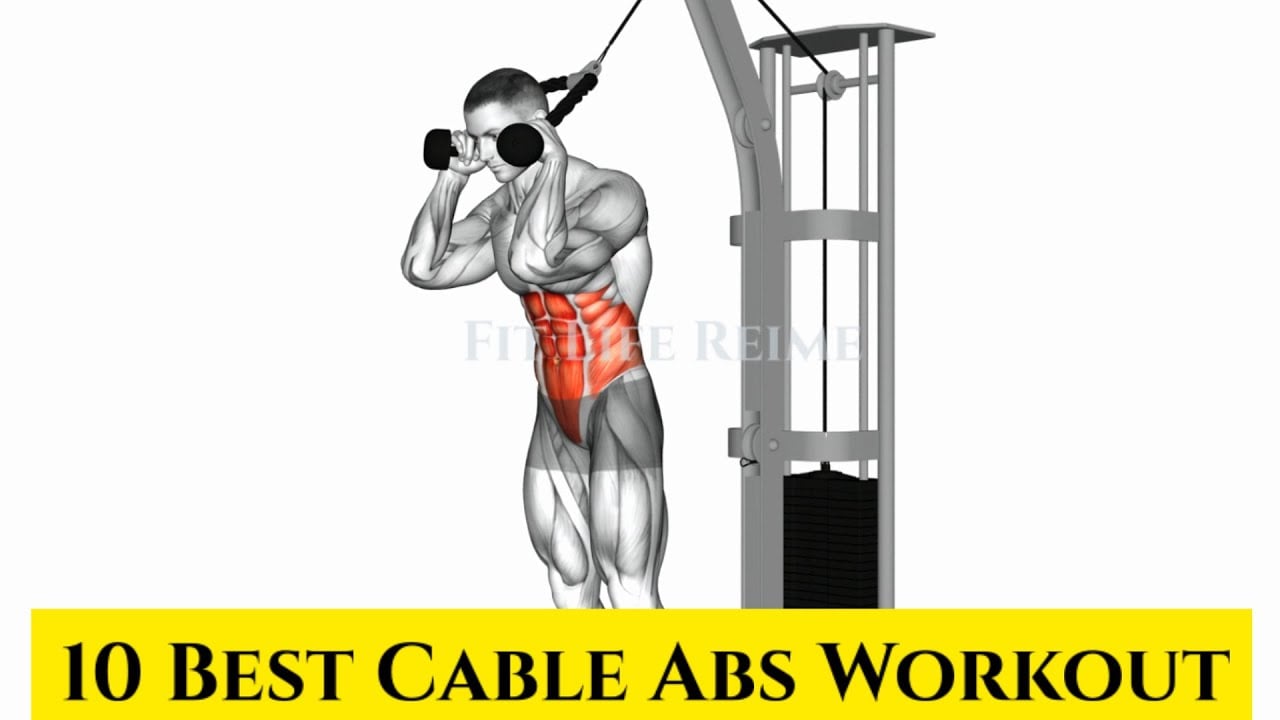
Credit: fitliferegime.com
Benefits Of Oblique Exercises
Oblique exercises target the muscles on the sides of your abdomen. Strengthening these muscles brings many health and fitness benefits. These exercises improve your overall core function and help with daily movements.
Using gym equipment designed for oblique training makes the workouts more effective. It also reduces the risk of injury by guiding your movements properly. Below are key benefits of adding oblique exercises to your routine.
Enhance Core Strength
Oblique workouts build a stronger core. A strong core supports your spine and reduces back pain. It helps in lifting, bending, and twisting actions. Gym equipment provides resistance to challenge your muscles.
Improve Posture And Stability
Oblique muscles keep your body balanced and upright. Strengthening them improves posture by preventing slouching. Better stability lowers the chance of falls or injuries. Machines help maintain correct form during exercises.
Boost Athletic Performance
Oblique strength aids in quick side-to-side movements. Athletes gain better control and power in sports. Improved rotation helps in throwing, swinging, and jumping. Training with gym tools increases endurance and muscle tone.
Aesthetic Waist Sculpting
Oblique exercises shape your waist and create a toned look. Toned obliques give a slimmer, defined waistline. Using targeted gym equipment focuses on these muscles effectively. Consistent workouts reveal visible results over time.

Credit: www.reddit.com
Top Gym Equipment For Obliques
Building strong obliques requires targeted exercises with the right gym equipment. Choosing equipment that challenges your core from different angles helps you sculpt those side muscles more effectively. Below are some top picks that can seriously boost your oblique workouts.
Cable Machines
Cable machines allow you to perform twisting and pulling movements that directly engage your obliques. You can adjust the height and resistance, making them perfect for exercises like cable woodchoppers or cable twists.
Using cables challenges your muscles through a full range of motion and keeps constant tension. Have you tried adding slow, controlled rotations with cables? It really wakes up the obliques.
Roman Chair And Hyperextension Bench
These benches are great for back extensions that also hit your obliques when you add twisting motions. They support your body as you work on strengthening the sides of your core.
Try side bends or oblique crunches on the Roman chair to feel a deep burn. The stability they provide lets you focus purely on form and muscle activation.
Medicine Balls
Medicine balls add dynamic resistance to your oblique workouts. Tossing or twisting with a medicine ball increases power and coordination.
For instance, twisting Russian twists with a medicine ball can be more challenging than doing them without. It forces your obliques to engage harder to control the movement and maintain balance.
Resistance Bands
Resistance bands are versatile and easy to use anywhere in the gym or at home. They offer progressive resistance that helps strengthen your obliques during rotational and side-bending exercises.
You can anchor the band and perform standing twists or side steps with a band around your waist. This constant tension activates your obliques throughout the movement, making each rep count.
Adjustable Dumbbells
Adjustable dumbbells let you modify weight quickly, which is perfect for oblique workouts needing different resistance levels. They work well for side bends, weighted Russian twists, and overhead side presses.
Adding dumbbells increases the challenge by forcing your core to stabilize heavier loads. Have you noticed how even small weight increases make your oblique muscles work much harder?
Effective Oblique Workouts With Equipment
Oblique muscles shape the sides of your waist and help with twisting and bending motions. Using gym equipment targets these muscles more effectively. Equipment adds resistance that challenges your obliques, helping them grow stronger and more defined.
Equipment workouts improve balance and core stability. They also reduce the risk of injury during daily activities. Here are some effective oblique exercises using common gym gear.
Cable Woodchoppers
Stand next to a cable machine with the handle at shoulder height. Pull the cable down and across your body in a chopping motion. Keep your core tight and twist your torso. This movement works the obliques deeply with constant tension.
Side Bends With Dumbbells
Hold a dumbbell in one hand and stand straight. Slowly bend sideways at the waist toward the weight. Return to the starting position with control. This exercise strengthens the obliques by isolating the side muscles.
Medicine Ball Russian Twists
Sit on the floor with knees bent and feet lifted slightly. Hold a medicine ball and twist your torso from side to side. Keep your back straight and move the ball across your body. This dynamic twist builds oblique endurance and power.
Resistance Band Pallof Press
Attach a resistance band to a fixed point at chest height. Stand sideways and hold the band with both hands. Press the band straight out in front, resisting the pull. This anti-rotation move trains the obliques to stabilize your core.
Roman Chair Side Crunches
Position yourself on a Roman chair with your side against the pad. Cross your arms over your chest and lower your torso sideways. Crunch back up by contracting the obliques. This exercise isolates the side muscles with bodyweight resistance.

Credit: dezhoutianzhan.en.made-in-china.com
Tips For Maximizing Oblique Training
Maximizing your oblique training means more than just showing up at the gym and turning the dial on your equipment. It requires attention to detail, a smart approach to resistance, and a balanced workout plan that respects your body’s need for recovery. Let’s break down some practical tips that can help you get the most out of your oblique exercises using gym equipment.
Proper Form And Technique
Using the right form is crucial when training your obliques to avoid injury and target the muscles effectively. Focus on controlled movements rather than rushing through reps. For example, if you’re using a cable machine for side twists, keep your core tight and avoid swinging your body.
Have you ever noticed how a slight change in your posture can make an exercise feel completely different? That’s because proper alignment activates your obliques more efficiently. Don’t hesitate to ask a trainer to check your form or use a mirror for feedback.
Progressive Resistance
Gradually increasing the resistance on your oblique exercises challenges your muscles and promotes growth. Start with a manageable weight and add small increments over time. This approach prevents plateaus and keeps your workouts engaging.
Think about how you increase the difficulty in other areas of your training—why treat your obliques differently? Whether it’s adding weight on a twisting machine or increasing the cable tension, progressive resistance ensures steady improvement.
Balanced Core Routine
Oblique training should complement a full core workout that includes your rectus abdominis and lower back muscles. Neglecting other core areas can lead to imbalances and increase injury risk. Mix oblique exercises with planks, leg raises, and back extensions for a well-rounded routine.
Ask yourself: are you training your core evenly or focusing too much on one area? A balanced approach not only enhances your physique but improves overall stability and posture.
Consistency And Rest
Consistency is key to seeing results, but rest is just as important. Your obliques need time to recover after intense workouts, especially when using heavy resistance. Aim for at least 48 hours between oblique-focused sessions.
Have you ever pushed through soreness only to feel weaker the next time? That’s a sign your muscles didn’t get enough recovery. Balance your training frequency to avoid burnout and maintain steady progress.
Common Mistakes To Avoid
Mastering oblique exercises with gym equipment requires more than just effort; it demands attention to form and technique. Avoiding common mistakes can protect you from injury and ensure you get the most out of every workout. Let’s look at some frequent errors and how you can steer clear of them.
Overusing Lower Back
Many people make the mistake of relying too much on their lower back when targeting obliques. This can lead to strain and long-term discomfort.
Focus on isolating your oblique muscles by engaging your core properly. If you feel the burn in your lower back instead of your sides, it’s a sign to adjust your posture or lower the weight.
Neglecting Full Range Of Motion
Cutting short your movements can limit muscle activation and reduce workout effectiveness. You might be tempted to rush through sets, but this often means missing the full stretch and contraction of your obliques.
Make sure you move through the entire range of motion, even if it means slowing down. This helps maximize muscle engagement and encourages balanced development.
Ignoring Breathing Patterns
Holding your breath or breathing erratically during oblique exercises can decrease performance and increase tension. Proper breathing supports core stability and energy flow.
Try to exhale during the exertion phase and inhale when returning to the starting position. This simple adjustment can improve your control and endurance.
Skipping Warm-up And Cool-down
Jumping straight into oblique exercises without warming up can increase the risk of injury. Your muscles need preparation to perform at their best.
Spend at least 5-10 minutes warming up with dynamic stretches or light cardio. After your workout, cool down with gentle stretches focused on your core to aid recovery and flexibility.
Integrating Oblique Workouts Into Your Routine
Integrating oblique workouts into your gym routine enhances core strength and improves overall balance. Using dedicated gym equipment makes these exercises more effective and targets the side muscles precisely. A well-planned approach ensures steady progress and prevents injury.
Frequency And Duration
Train obliques two to three times a week for best results. Each session should last about 10 to 15 minutes focused on oblique exercises. Avoid daily workouts to allow muscle recovery and growth. Consistency matters more than long sessions.
Combining With Cardio
Pair oblique workouts with cardio to burn fat and reveal muscle definition. Cardio activities like running or cycling improve endurance and support weight loss. Perform cardio before or after oblique exercises for balanced training. This combination enhances overall fitness.
Tracking Progress
Keep a workout journal to record exercises, sets, and weights used. Note changes in strength and endurance weekly. Use photos or measurements to track visible muscle improvements. Progress tracking motivates and helps adjust routines effectively.
Adjusting Workouts For Goals
Modify oblique exercises depending on your fitness goals. For muscle building, increase resistance and lower repetitions. For toning, use lighter weights and higher repetitions. Change workout intensity every few weeks to avoid plateaus and stay challenged.
Frequently Asked Questions
What Gym Equipment Is Best For Oblique Exercises?
The best gym equipment for oblique exercises includes cable machines, medicine balls, and adjustable benches. These tools offer resistance and variety, helping target oblique muscles effectively for strength and definition.
How Do Cable Machines Help With Oblique Workouts?
Cable machines allow controlled twisting and pulling motions. This resistance activates oblique muscles deeply, improving tone and strength. They also enable adjustable weights to match your fitness level safely.
Can Medicine Balls Enhance Oblique Muscle Training?
Yes, medicine balls add dynamic resistance during rotational exercises. They improve core stability and power by engaging obliques through explosive movements like twists and throws, making workouts more effective and functional.
Are Adjustable Benches Useful For Oblique Exercises?
Adjustable benches provide support for side bends and twists. They help isolate oblique muscles by stabilizing the body, allowing focused and controlled movements that enhance muscle engagement and reduce injury risk.
Conclusion
Choosing the right gym equipment helps target oblique muscles well. Consistent workouts build strong, defined sides quickly. Simple machines like cable towers or twist benches work great. Mix exercises to keep your routine fresh and effective. Remember, good form matters more than heavy weights.
Stay patient and track your progress each week. Strong obliques improve posture and support daily movements. Keep your goals clear and enjoy the process. You can achieve toned sides with effort and the best tools.







