
Are you struggling to build strong, defined calves despite putting in hours at the gym? You’re not alone.
Many people focus on big muscle groups but overlook the calves, which are key to improving your overall leg strength and balance. The good news is, with the right calf exercises, you can boost muscle growth and enhance your performance faster than you think.
You’ll discover simple yet effective gym workouts that target your calves, helping you achieve the toned, powerful legs you want. Keep reading to unlock the secrets that will transform your lower legs and take your fitness to the next level.

Credit: swolverine.com
Benefits Of Calf Training
Calf training offers many benefits beyond just bigger legs. Strong calves improve daily movement and overall fitness. They play a key role in activities like running, jumping, and walking. Training this muscle group helps build strength and endurance. It also shapes the lower leg for a balanced, athletic look.
Improve Athletic Performance
Strong calves boost speed and power. They help you push off the ground faster. This improves sprinting and jumping ability. Calf strength supports quick changes in direction. It adds stability for better balance in sports.
Enhance Muscle Definition
Calf exercises create a toned, sculpted look. Well-trained calves add shape to your lower legs. They balance the overall appearance of your body. Muscle definition in calves makes legs look athletic and fit.
Prevent Injuries
Calf training strengthens muscles and tendons. This reduces the risk of strains and sprains. Strong calves support the ankle and knee joints. They improve shock absorption during movement. Injury prevention helps you stay active longer.
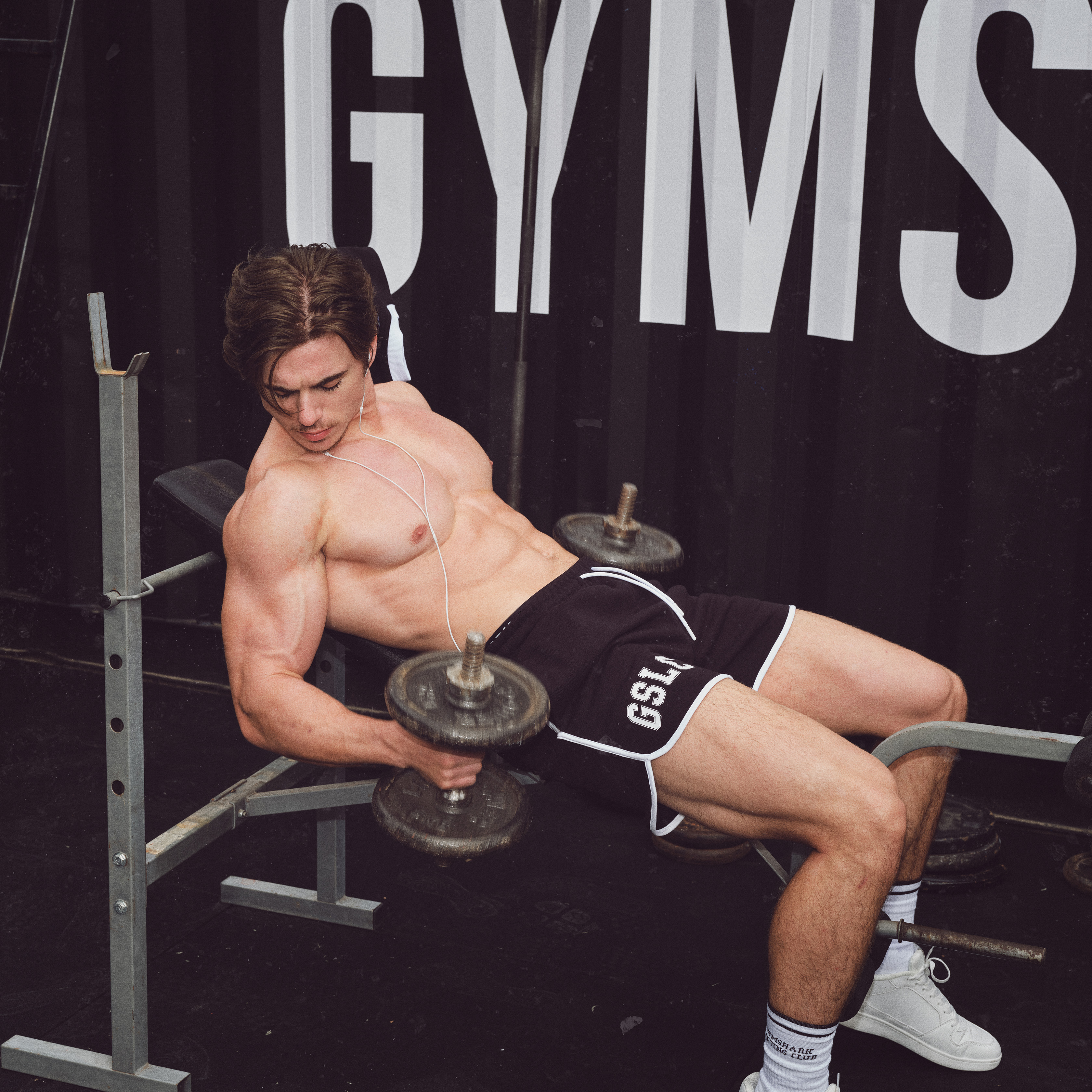
Credit: www.gymshark.com
Anatomy Of The Calf Muscles
The calf muscles play a key role in leg movement and stability. They help you walk, run, jump, and stand on your toes. Understanding their structure can improve your workout results and prevent injuries.
Gastrocnemius Muscle
The gastrocnemius is the largest calf muscle. It has two heads that create the visible shape of the calf. This muscle helps bend the knee and points the foot downward. It works best during activities like running and jumping.
Soleus Muscle
The soleus lies beneath the gastrocnemius. It is a flat, broad muscle important for standing and walking. The soleus helps keep your balance by controlling ankle movement. It works more during slow, steady motions.
Achilles Tendon Role
The Achilles tendon connects the calf muscles to the heel bone. It is the strongest tendon in the body. This tendon allows the foot to push off the ground. It is crucial for movements like sprinting and climbing stairs.
Top Calf Exercises In The Gym
Strong calves improve balance and support many daily movements. Building calf muscles also shapes your legs and boosts athletic performance.
Focus on exercises that target the gastrocnemius and soleus muscles. These workouts help increase strength and muscle size effectively. Below are some top calf exercises to try at the gym.
Standing Calf Raises
Stand with the balls of your feet on a raised platform. Keep your heels hanging off the edge. Push up by extending your ankles, lifting your heels as high as possible. Pause briefly at the top, then lower slowly back down.
- Targets the gastrocnemius muscle
- Improves ankle strength and stability
- Can be done with body weight or added weights
Seated Calf Raises
Sit on a bench with your feet flat on the floor. Place a weight on your knees for resistance. Raise your heels by pushing through the balls of your feet. Hold the top position, then lower your heels slowly.
- Focuses on the soleus muscle
- Good for isolating the calves
- Helps improve endurance
Leg Press Calf Extensions
Sit on a leg press machine with your feet on the platform. Position your toes and the balls of your feet on the edge. Push the platform by extending your ankles, lifting your heels. Lower carefully to stretch the calves.
- Allows heavy resistance for growth
- Targets both gastrocnemius and soleus muscles
- Controlled movement reduces injury risk
Proper Form And Technique
Proper form and technique are essential for effective calf exercises at the gym. They help prevent injuries and ensure the muscles work efficiently. Using the right posture and controlled movements maximizes muscle engagement and growth. Focus on small details to get the best results from your workout.
Foot Positioning Tips
Place your feet shoulder-width apart for balance. Point your toes straight ahead to target the main calf muscles. Slightly turning toes outward or inward can emphasize different parts of the calf. Use a firm grip with your toes on the platform or ground. Avoid letting your heels drop too low to protect your ankles.
Controlled Movement
Lift your heels slowly and hold the top position briefly. Lower your heels back down in a slow, controlled way. Avoid bouncing or using momentum to lift your body. Controlled movement increases muscle tension and improves strength. Keep your legs straight but avoid locking your knees.
Breathing Patterns
Inhale deeply before you lift your heels. Exhale slowly as you push up on your toes. Maintain a steady breathing rhythm throughout the exercise. Proper breathing supports muscle function and reduces fatigue. Never hold your breath during the movement.
Workout Plans For Calf Growth
Building strong calves requires a clear workout plan tailored to your fitness level. Calf muscles respond well to consistent training with the right exercises. Plans vary from simple movements for beginners to more challenging routines for advanced lifters. Each routine targets the calves differently to promote growth and strength. Follow these plans to improve your calf size and endurance effectively.
Beginner Routine
- Standing calf raises: 3 sets of 12 reps
- Seated calf raises (bodyweight): 3 sets of 15 reps
- Jump rope: 2 minutes, 3 rounds
- Walking on toes: 2 minutes, 3 rounds
Rest 30-45 seconds between sets. Focus on slow, controlled movements. Perform this routine 2-3 times per week.
Intermediate Routine
- Standing calf raises with dumbbells: 4 sets of 15 reps
- Seated calf raises with weight: 4 sets of 20 reps
- Box jumps: 3 sets of 10 reps
- Hill sprints: 6 rounds of 20 seconds sprint, 40 seconds rest
Rest 45-60 seconds between sets. Use controlled tempo, hold the top position for 1 second. Train calves 3-4 times weekly.
Advanced Routine
- Standing calf raises with barbell: 5 sets of 20 reps
- Seated calf raises with heavy weight: 5 sets of 25 reps
- Explosive jump squats: 4 sets of 12 reps
- Weighted hill sprints: 8 rounds of 30 seconds sprint, 30 seconds rest
- Single-leg calf raises with dumbbells: 4 sets of 15 reps per leg
Rest 60 seconds between sets. Push to muscle fatigue for better growth. Train calves 4-5 times weekly, allowing recovery days.
Common Mistakes To Avoid
Calf exercises help build strength and improve leg shape. Many people make mistakes that reduce their progress or cause injury. Avoiding these errors leads to better results and safer workouts. Focus on proper form, patience, and listening to your body for best gains.
Overusing Momentum
Using momentum lessens the work your calves do. Swinging your body or bouncing reduces muscle tension. This lowers the exercise’s effectiveness and can cause strain. Move slowly and control each repetition for better muscle engagement.
Neglecting Full Range Of Motion
Not lowering your heels fully limits calf activation. Partial movement means weaker muscle growth. Stretch your calves at the bottom and rise as high as possible. This ensures you work the muscle fully and improve flexibility.
Ignoring Recovery Time
Calves need rest to grow stronger. Exercising them every day can cause fatigue and injury. Allow 48 hours between calf workouts for recovery. Sleep and proper nutrition also help muscles repair and build.
Nutrition For Strong Calves
Nutrition plays a crucial role in building strong calves just as much as the exercises you perform. Without the right fuel, your muscles won’t recover or grow effectively. Paying attention to what you eat can make a noticeable difference in your calf strength and endurance.
Key Nutrients
Your calves need protein to repair and build muscle fibers after workouts. Aim for lean sources like chicken, fish, beans, or tofu. Carbohydrates provide the energy required for intense calf exercises, so include whole grains, fruits, and vegetables in your meals.
Don’t forget healthy fats—avocados, nuts, and olive oil support hormone production important for muscle growth. Also, minerals like calcium and magnesium help with muscle contraction and relaxation, reducing cramps during training.
Supplements To Consider
Sometimes, your diet might fall short of essential nutrients. Creatine can boost your strength and power during calf workouts by increasing energy availability. Whey protein powder is a quick way to add more protein if you struggle to meet your daily needs through food alone.
Omega-3 supplements help reduce inflammation and aid recovery, which means less downtime between sessions. Have you ever tracked how supplements affect your calf gains? Small changes might create big improvements over time.
Hydration Importance
Water is often overlooked but is vital for muscle function. Dehydration can cause cramps and reduce your workout intensity, directly impacting your calf training results. Drink plenty of fluids before, during, and after your gym sessions to keep your muscles working at their best.
Electrolyte balance is also essential. If you sweat heavily, consider drinks with sodium, potassium, and magnesium to replace lost minerals. How much water do you drink on a training day? Adjusting hydration might be the key to unlocking stronger calves.
Tracking Progress And Staying Motivated
Tracking progress and staying motivated are key to improving your calf muscles. Without clear tracking, it is easy to lose focus and give up. Motivation grows when you see real changes in strength and size. Simple methods help you measure progress and keep your workout routine steady.
Measuring Muscle Growth
Use a tape measure to check calf size. Measure at the largest part of your calf. Take measurements every two weeks to see changes. Photos provide visual proof of progress. Compare pictures taken under similar lighting and angles. Keep a workout journal to note weights, sets, and reps. This data shows how your strength improves over time.
Setting Realistic Goals
Set clear goals that are achievable. Start with small targets, like adding five pounds to your calf raises. Focus on consistency rather than speed. Goals like “train calves twice a week” work well. Write down your goals and review them often. Adjust goals based on your progress and schedule. This helps avoid frustration and keeps motivation high.
Tips To Stay Consistent
- Schedule workouts at the same time daily.
- Use reminders or alarms to stay on track.
- Find a workout buddy for support.
- Celebrate small wins to boost morale.
- Vary exercises to keep workouts interesting.
- Rest well to prevent burnout.

Credit: www.menshealth.com
Frequently Asked Questions
What Are The Best Calf Exercises At The Gym?
The best calf exercises include standing calf raises, seated calf raises, and calf press on a leg press machine. These exercises effectively target the calf muscles, promoting strength and size. Incorporating variations like single-leg raises can enhance muscle balance and growth.
How Often Should I Do Calf Exercises?
For optimal growth, perform calf exercises 2-3 times a week. This frequency allows for adequate recovery and muscle development. Ensure you vary exercises and include both high and low-rep ranges to maximize results.
Can Calf Exercises Improve Athletic Performance?
Yes, calf exercises can enhance athletic performance. Strong calves contribute to better balance, agility, and explosive power. This is particularly beneficial for activities like running, jumping, and sprinting, where calf strength plays a crucial role.
Do Calf Exercises Help With Injury Prevention?
Calf exercises can aid in injury prevention. Strengthening the calves supports the ankle and knee joints, reducing the risk of strains and sprains. Consistent training enhances muscle resilience and stability, promoting safer physical activity.
Conclusion
Strong calves support walking, running, and balance every day. Regular calf exercises help build muscle and prevent injuries. Use simple moves like calf raises and seated calf lifts. Consistency is key to seeing steady improvement. Give your calves time to rest and grow.
Enjoy the benefits of stronger, healthier legs with these workouts. Keep practicing, and you will feel the difference soon.







