
Are you ready to take your leg workouts to the next level? Strong legs aren’t just about looking good—they boost your overall strength, improve your balance, and help you move with confidence every day.
Whether you want to build muscle, increase endurance, or tone your lower body, the right gym leg exercises can make all the difference. You’ll discover simple yet powerful moves designed to transform your legs and keep you motivated. Keep reading, and get ready to feel the burn in the best way possible!
Credit: betterme.world
Benefits Of Leg Training
Training your legs does more than just build muscle—it transforms your entire fitness journey. Strong legs support every move you make, from daily walks to intense workouts. Focusing on leg exercises can unlock benefits that affect your strength, performance, metabolism, and overall stability.
Improved Strength And Power
Leg exercises like squats and deadlifts target major muscle groups such as your quads, hamstrings, and glutes. This leads to noticeable gains in strength and power that carry over into other workouts and daily activities.
When I started emphasizing leg training, I found my ability to lift heavier weights in other exercises increased dramatically. That extra power made a difference not just in the gym but in tasks like carrying groceries or climbing stairs.
Enhanced Athletic Performance
Strong legs improve speed, agility, and jumping ability. Whether you’re into running, cycling, or sports, your leg muscles play a key role in how well you perform.
Think about how quickly you can change direction or how high you can jump. These skills come from leg strength and coordination, which you build through consistent leg training.
Boosted Metabolism And Fat Loss
Leg muscles are among the largest in your body, so training them demands more energy. This means your metabolism gets a boost, helping you burn more calories even at rest.
If fat loss is your goal, adding leg exercises can speed up the process. You’ll burn more calories during and after your workouts, making your efforts more effective.
Injury Prevention And Stability
Strong legs protect your joints and improve your balance. This lowers the risk of injuries in everyday activities and during sports.
After focusing on leg strength, I noticed better stability and fewer aches in my knees and ankles. This stability helps you stay active longer and recover faster from physical challenges.
Key Muscles In The Legs
Understanding the key muscles in your legs is essential for designing an effective workout routine. Each muscle group plays a unique role in movement and strength. Knowing which muscles you’re targeting can help you train smarter and avoid injury.
Quadriceps
The quadriceps, or quads, are the large muscles on the front of your thigh. They power movements like squatting, running, and jumping. I noticed a big difference in my squat depth once I focused on strengthening my quads with leg presses and lunges.
Strong quads also support your knees, reducing the risk of pain during high-impact activities. Try exercises that let you push through your heels to fully engage these muscles.
Hamstrings
Located at the back of your thighs, the hamstrings help you bend your knees and extend your hips. They balance the work of your quads and are key for explosive movements like sprinting. I once ignored hamstring training and ended up with tight muscles that slowed my progress.
Incorporate Romanian deadlifts or hamstring curls to keep these muscles flexible and strong. Ask yourself: Are your hamstrings as strong as your quads?
Glutes
Your glute muscles are some of the strongest in your body, responsible for hip extension and stability. They play a big role in walking, climbing, and maintaining posture. Focusing on glute bridges and hip thrusts helped me fix lower back pain caused by weak glutes.
Don’t overlook your glutes—they’re crucial for overall leg power and injury prevention. How often do you engage your glutes during leg workouts?
Calves
The calves, made up of the gastrocnemius and soleus muscles, control ankle movement and help you push off the ground. They’re essential for balance and agility. I found calf raises to be simple but effective for building endurance and improving my running stride.
Strong calves reduce the chance of ankle injuries and improve your performance in almost every sport. Are you giving your calves enough attention in your routine?
Essential Leg Exercises
Strong legs form the foundation of any fitness routine. They improve balance, power, and endurance. Essential leg exercises target all major muscle groups. These exercises build strength and enhance overall performance. Focus on form and consistency for the best results.
Squats Variations
Squats work the quads, hamstrings, glutes, and core. Variations include bodyweight squats, goblet squats, and barbell squats. Each type challenges your muscles differently. Squats improve joint flexibility and muscle coordination. Keep your back straight and knees aligned.
Deadlifts And Romanian Deadlifts
Deadlifts build strength in the hamstrings, glutes, and lower back. Romanian deadlifts focus more on hamstrings and glutes. Use a barbell or dumbbells for resistance. Maintain a neutral spine during the movement. These exercises improve posture and hip stability.
Lunges And Step-ups
Lunges target the quads, glutes, and hamstrings. Step-ups engage similar muscles and help balance. Both exercises work one leg at a time. This improves muscle symmetry and coordination. Use dumbbells for added resistance.
Leg Press And Extensions
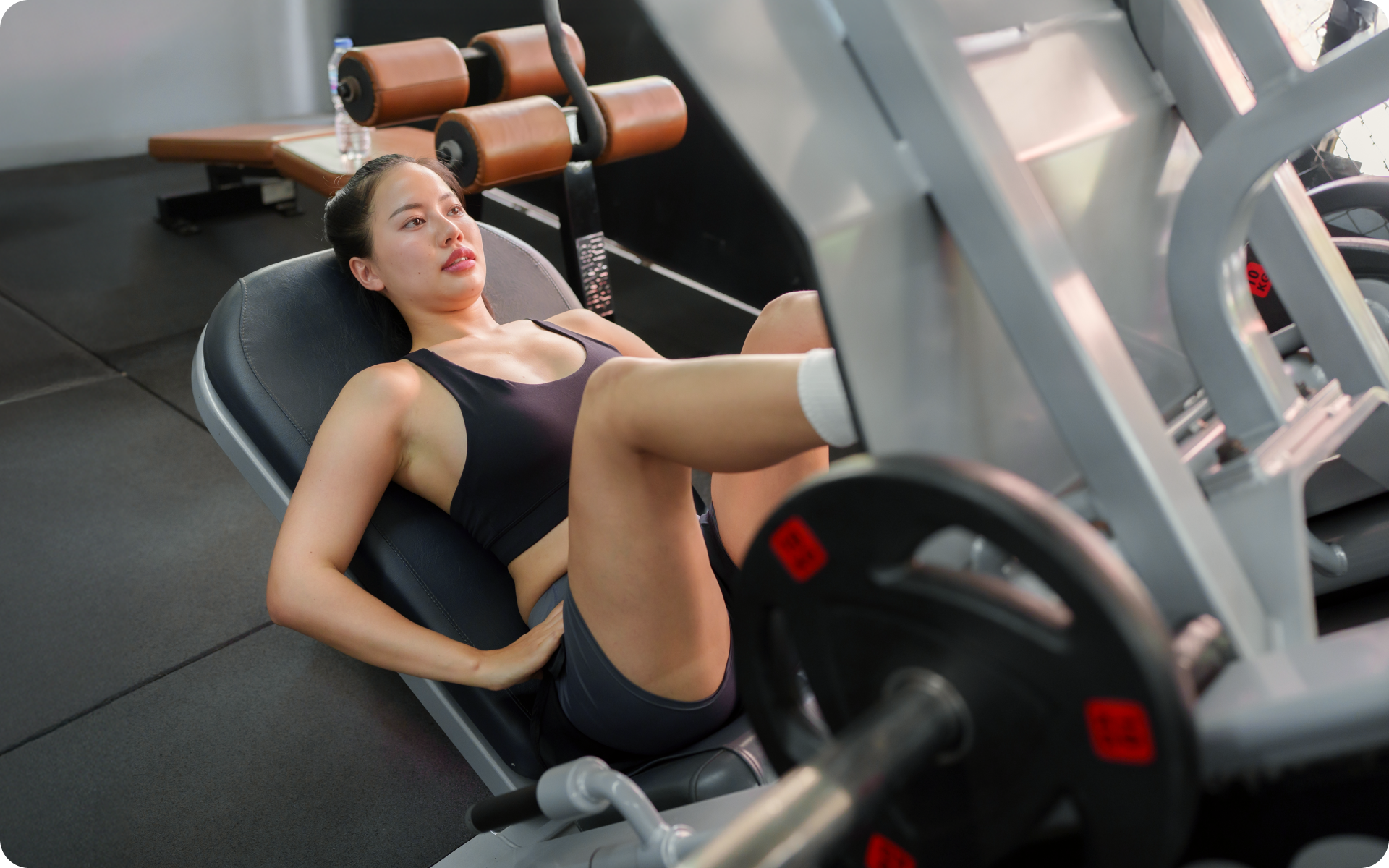
The leg press machine targets the quads, glutes, and hamstrings. Leg extensions focus mainly on the quadriceps. These machines provide controlled resistance. They are ideal for isolating specific muscles. Adjust the weight to match your strength level.
Hamstring Curls
Hamstring curls isolate the back thigh muscles. Use a machine or resistance bands. This exercise helps balance leg strength. It reduces injury risk during sports or workouts. Control the movement for maximum benefit.
Calf Raises
Calf raises strengthen the lower leg muscles. Perform them on a step or flat surface. They improve ankle stability and balance. Use body weight or hold dumbbells for more challenge. Include slow and controlled reps.

Credit: steelsupplements.com
Designing Your Leg Workout
Designing your leg workout is key for building strength and muscle. A well-planned routine targets all major leg muscles. It keeps workouts effective and prevents injury. Focus on balancing effort, choosing the right exercises, and allowing proper rest. This approach helps you reach your fitness goals safely.
Balancing Volume And Intensity
Volume means total sets and reps in a workout. Intensity refers to the weight or effort level. Balance both to avoid burnout and promote growth. Too much volume can cause fatigue. Too high intensity may lead to injury. Find a middle ground to build muscle and strength steadily.
Choosing Compound Vs Isolation Moves
Compound exercises work multiple muscles at once. Squats and lunges are prime examples. Isolation moves target one muscle group. Leg curls and calf raises fit here. Compound moves build overall strength. Isolation exercises help fix weaknesses and shape muscles. Include both types for a complete leg workout.
Rest Periods And Recovery
Rest is vital between sets and workout days. For heavy lifts, rest 1-3 minutes between sets. Shorter rests suit lighter weights and endurance training. Allow 48 hours between leg workouts for recovery. Sleep and nutrition also support muscle repair. Proper rest helps prevent injury and improves performance.
Progressive Overload Strategies
Progressive overload means gradually increasing workout demands. Add more weight, reps, or sets over time. Change exercise tempo or reduce rest periods. This challenges muscles to grow stronger. Track progress to avoid plateaus. Small, consistent increases lead to lasting results.
Common Mistakes To Avoid
Leg workouts are powerful but tricky. Many make simple mistakes that slow progress or cause injury. Avoiding these errors helps build stronger, safer legs. Focus on technique and listen to your body.
Poor Form And Technique
Bad form reduces exercise benefits and risks injury. Keep your back straight and knees aligned. Avoid letting your knees cave inward during squats. Use controlled movements instead of rushing. Proper technique targets the right muscles effectively.
Neglecting Warm-up And Stretching
Skipping warm-up increases injury risk. Warm muscles perform better and recover faster. Stretch your legs and hips gently before workouts. Light cardio can raise your heart rate and loosen joints. Prepare your body for exercise to avoid strains.
Overtraining And Insufficient Rest
Working out too hard without rest harms muscle growth. Muscles need time to repair and grow stronger. Overtraining causes fatigue, soreness, and lower performance. Schedule rest days and listen to your body’s signals. Balance workout and recovery for best results.
Ignoring Weak Muscle Groups
Neglecting weaker muscles creates imbalances and injury risks. Strengthen all leg parts evenly: quads, hamstrings, calves, and glutes. Use exercises that target these areas specifically. Balanced strength improves stability and overall leg power.
Nutrition For Leg Growth
Nutrition plays a crucial role in building stronger, bigger legs. Without the right fuel, your workouts won’t translate into muscle growth. Focusing on the right nutrients helps repair muscle tissue, boost energy, and maximize your gains.
Protein Intake For Muscle Repair
Protein is the building block of muscle. After an intense leg workout, your muscles need protein to recover and grow. Aim for sources like chicken, fish, eggs, and plant-based options such as lentils and chickpeas.
Consuming about 1.6 to 2.2 grams of protein per kilogram of your body weight daily can help optimize muscle repair. Don’t forget to spread your protein intake evenly across your meals. This keeps your muscles fueled throughout the day.
Carbohydrates For Energy
Your leg workouts demand a lot of energy, and carbohydrates are your best source. Foods like brown rice, sweet potatoes, oats, and whole grain bread provide sustained energy for intense sessions.
Without enough carbs, you might feel drained mid-workout, which limits your performance and muscle growth. Try eating a carb-rich meal about 1-2 hours before exercising for a noticeable energy boost.
Hydration Tips
Water is often overlooked but essential for muscle growth. Staying hydrated helps maintain muscle function and reduces cramps during leg exercises.
Drink water consistently throughout the day, not just during your workout. If you sweat a lot, consider adding an electrolyte drink to replace lost minerals.
Supplements To Consider
While whole foods are the best, some supplements can support leg muscle growth. Whey protein powder can help meet your daily protein goals, especially after workouts.
Creatine is another popular option; it improves strength and helps your muscles recover faster. Beta-alanine may reduce fatigue, allowing you to push harder during leg sessions.
- Start with a basic supplement routine and adjust based on your progress.
- Always check with a healthcare professional before beginning any new supplement.
Tracking Progress And Staying Motivated
Tracking progress and staying motivated are key to success in gym leg exercises. Watching your improvement helps keep you focused. It pushes you to do better each workout. Motivation fuels consistency and helps build stronger legs.
Setting Realistic Goals
Start with clear and achievable goals. Set targets based on your current fitness level. Small goals are easier to reach. They build confidence and keep you encouraged. Adjust goals as you improve for continuous growth.
Using Workout Logs
Write down your exercises, weights, and reps. A workout log shows how much you lift over time. It highlights progress and areas to improve. Use a notebook or a phone app. Tracking details helps plan better workouts.
Celebrating Milestones
Recognize small wins during your training. Celebrate when you lift heavier or increase reps. Rewards boost your mood and motivation. Milestones remind you of your hard work. They make the fitness journey enjoyable.
Finding Support And Accountability
Train with friends or join a gym group. Support makes workouts more fun and less lonely. Sharing goals with others creates accountability. You are more likely to keep training regularly. Encouragement from others helps push through tough days.

Credit: www.strengthlog.com
Frequently Asked Questions
What Are The Best Gym Leg Exercises For Beginners?
Squats, lunges, and leg presses are ideal for beginners. They build strength and improve balance effectively. Start with light weights and focus on form to avoid injuries.
How Often Should I Do Leg Exercises At The Gym?
Train legs 2 to 3 times weekly for optimal growth. Allow 48 hours of rest between sessions to recover. Consistency and proper rest boost muscle strength and endurance.
Which Gym Leg Exercises Build Muscle Fastest?
Squats, deadlifts, and leg presses target multiple muscles for quick growth. These compound movements activate quads, hamstrings, and glutes effectively. Progressive overload is key for faster muscle gains.
Can Gym Leg Exercises Help Reduce Thigh Fat?
Leg exercises increase muscle tone but don’t directly burn thigh fat. Combining cardio and a healthy diet with leg workouts promotes overall fat loss. Consistency and calorie control are essential.
Conclusion
Building strong legs is vital for overall fitness. Gym leg exercises help in improving strength and balance. They boost endurance and support daily activities. Squats, lunges, and leg presses are effective and easy to do. Consistent training leads to noticeable progress over time.
Remember to maintain proper form to avoid injuries. Start with lighter weights and gradually increase. Listen to your body and rest when needed. Leg workouts promote better mobility and posture. Stay committed and enjoy the journey to stronger legs. Your body will thank you for the effort.
Happy training!







