
Are you ready to build strong, defined pecs that turn heads at the gym? Whether you’re a beginner or looking to break through a plateau, the right pecs exercises can make all the difference in your chest development.
You’ll discover effective workouts that target your chest muscles, boost your strength, and help you achieve the look you want faster. Keep reading to unlock the secrets to a powerful, sculpted chest that will boost your confidence every time you hit the gym.

Credit: allmaxnutrition.com
Chest Muscle Basics
Understanding chest muscle basics helps improve your workout results. The chest muscles play a key role in upper body strength and movement. Knowing their structure and function guides you to better pecs exercises in the gym.
Anatomy Of Pectoral Muscles
The pectoral muscles consist mainly of two parts: the pectoralis major and pectoralis minor. The pectoralis major is the larger, visible muscle covering the chest. It has two sections: the clavicular head (upper chest) and the sternal head (middle chest). The pectoralis minor lies underneath the major muscle and helps with shoulder movement.
These muscles attach to the shoulder and upper arm bones. Their fibers run horizontally and diagonally across the chest. This arrangement allows for a wide range of arm motions like pushing, lifting, and rotating.
Role Of Chest Muscles In Fitness
Chest muscles support many daily activities and sports movements. Strong pecs improve posture and stabilize the shoulder joints. They help in pushing actions such as bench pressing or pushing a door. Well-trained chest muscles enhance overall upper body power.
Training these muscles boosts metabolism and shapes the upper body. Balanced chest workouts reduce the risk of injury by strengthening muscles and joints. Developing the pecs also improves endurance for activities like swimming and climbing.
Credit: www.outsideonline.com
Top Pecs Exercises
Building strong pecs shapes your chest and improves upper body strength. Effective pec exercises focus on different angles and movements. This variety helps target all parts of the chest muscle. Consistent training with key exercises boosts muscle size and definition. Below are some top pec exercises to include in your gym routine.
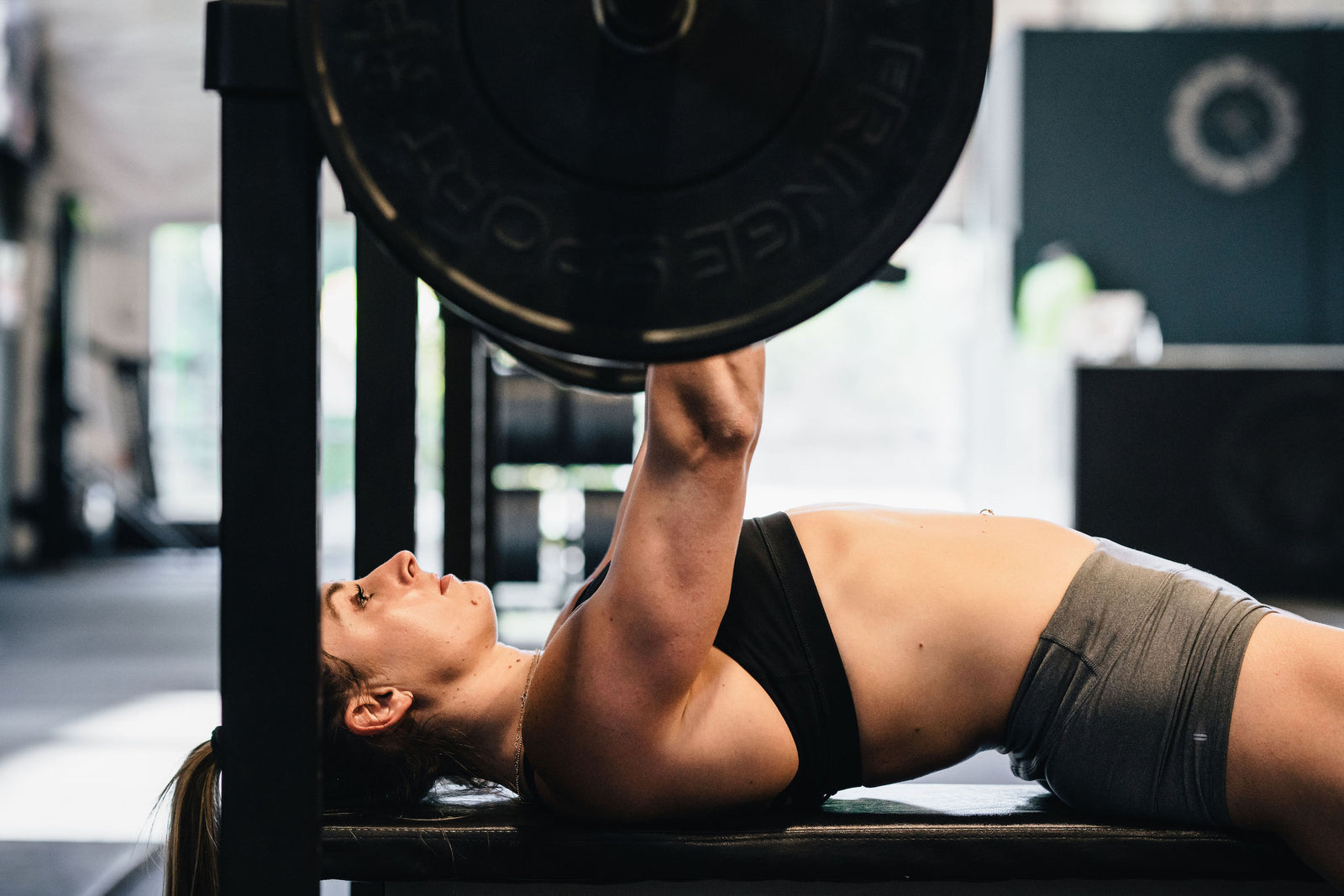
Barbell Bench Press
The barbell bench press is a classic chest builder. It works the middle chest, shoulders, and triceps. Lie flat on a bench and press the barbell up from your chest. Lower it slowly to feel the muscle stretch. Use a spotter for safety when lifting heavy weights.
Dumbbell Flyes
Dumbbell flyes isolate the chest muscles well. Lie on a bench holding dumbbells above your chest. Slowly open your arms wide, stretching your chest. Bring the dumbbells back together without locking your elbows. This exercise improves chest shape and flexibility.
Push-ups Variations
Push-ups strengthen the chest using body weight. Change hand positions to target different chest areas. Wide push-ups hit the outer chest. Diamond push-ups focus on the inner chest. Incline push-ups work the lower chest. Push-ups also engage the core and arms.
Cable Crossovers
Cable crossovers give constant tension on the chest muscles. Stand between two cable machines with handles in each hand. Pull your hands together in front of you, crossing slightly. Slowly return to the start position. This move enhances chest definition and control.
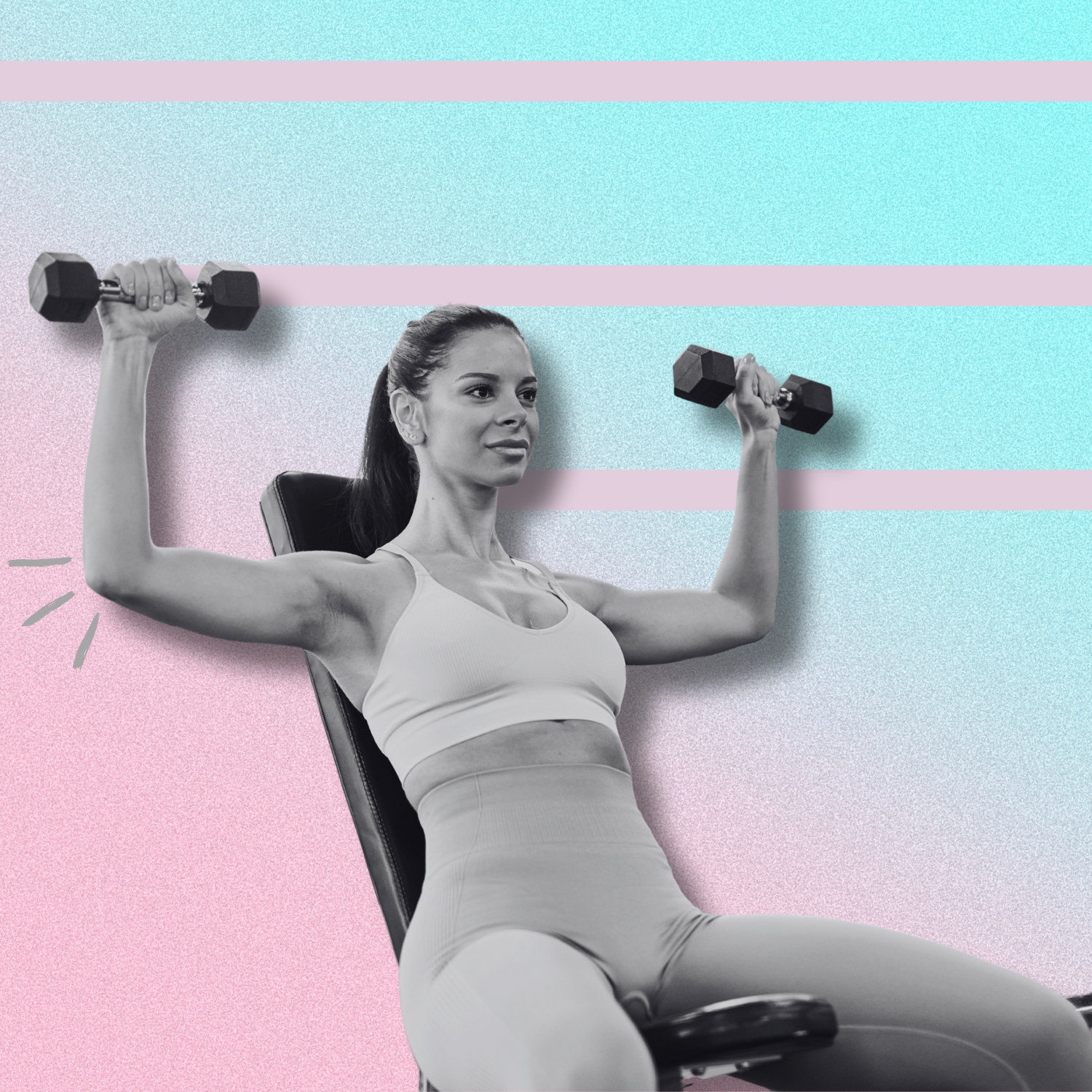
Incline Dumbbell Press
The incline dumbbell press targets the upper chest. Set the bench at a 30 to 45-degree angle. Press dumbbells upward from shoulder level. Lower them slowly to stretch the chest. This exercise balances chest development and improves shoulder stability.
Gym Equipment For Chest
Choosing the right gym equipment for chest workouts helps build muscle effectively. Different tools target the pecs in unique ways. Using the right equipment improves strength and shape.
Machines Vs Free Weights
Machines guide your movement and provide stability. They are good for beginners or for isolating chest muscles. Machines reduce the risk of injury by controlling form.
Free weights require more balance and engage more muscles. Dumbbells and barbells allow natural movement and variety. Free weights help build functional strength and coordination.
Both machines and free weights have benefits. Combining them gives a balanced chest workout routine.
Using Resistance Bands
Resistance bands offer a flexible and portable option for chest exercises. They create constant tension, which helps with muscle growth. Bands are gentle on joints and easy to adjust.
They work well for warm-ups or adding extra resistance to workouts. Bands can mimic many machine and free weight movements. They are ideal for home workouts or travel.
Workout Plans For Fast Growth
Building your pecs quickly requires a workout plan that matches your current fitness level and pushes your muscles to grow without causing injury. Tailoring your routine helps you target the chest muscles effectively while avoiding burnout. Whether you’re just starting out or looking to break through a plateau, the right plan can make all the difference.
Beginner Routine
If you’re new to pec workouts, focus on mastering the basics first. Start with bodyweight exercises like push-ups to build strength and endurance. Aim for 3 sets of 10-12 reps, with 60 seconds of rest between sets.
- Standard Push-ups
- Incline Push-ups (hands on a bench)
- Chest Dips (using assisted dip machine if needed)
- Dumbbell Chest Press (light weights)
Consistency is key here. Can you complete all reps with good form? If not, reduce the reps or modify the exercise. Your goal is to build a solid foundation before adding heavier weights.
Intermediate Routine
Once your muscles adapt, it’s time to add resistance and variety. Incorporate free weights and machines to increase intensity and target different parts of the chest. Focus on controlled movements and increasing weights gradually.
- Barbell Bench Press – 4 sets of 8-10 reps
- Dumbbell Flyes – 3 sets of 12 reps
- Incline Dumbbell Press – 4 sets of 8-10 reps
- Cable Crossovers – 3 sets of 12-15 reps
Have you noticed one side lagging behind? Add extra reps or sets for that side to balance your strength. This routine challenges your pecs in different angles, which is crucial for balanced growth.
Advanced Routine
To push your pecs to the next level, you need intensity and volume. Use heavy weights with lower reps and advanced techniques like supersets and drop sets. Pay close attention to your recovery to avoid overtraining.
- Heavy Barbell Bench Press – 5 sets of 5 reps
- Weighted Dips – 4 sets of 8-10 reps
- Incline Barbell Press – 4 sets of 6-8 reps
- Superset: Dumbbell Flyes + Push-ups – 3 rounds
- Drop Set: Cable Crossovers – 3 sets, decreasing weight each set
Are you tracking your progress every week? Logging your workouts helps you see what’s working and when it’s time to switch things up. This routine demands focus and discipline but rewards you with rapid pec growth.
Form And Technique Tips
Proper form and technique are key to effective pecs exercises at the gym. They help build muscle safely and prevent injury. Paying close attention to how you move ensures every rep counts. Small adjustments can make a big difference in results. Focus on control and smooth motion rather than rushing through sets.
Common Mistakes To Avoid
- Arching your back excessively during bench presses strains your spine.
- Using too much weight reduces control and increases injury risk.
- Allowing your elbows to flare out too wide can hurt your shoulders.
- Not lowering the weight fully limits chest muscle activation.
- Bouncing the bar off your chest reduces exercise effectiveness.
- Neglecting to warm up tightens muscles and limits movement.
Breathing And Posture
Breathing properly supports strength and stability during pecs exercises. Inhale deeply as you lower the weight. Exhale while pushing or lifting. This rhythm helps maintain core tension and power.
Keep your shoulders down and back throughout each movement. This protects your joints and targets chest muscles better. Maintain a neutral spine and avoid hunching forward. Your feet should stay flat on the floor or bench for balance.
Credit: swolverine.com
Nutrition For Chest Gains
Nutrition plays a key role in building strong, defined chest muscles. Eating the right foods provides fuel and repair materials. Without good nutrition, chest workouts won’t show their full effect. Focus on foods that help muscle growth and recovery.
Protein Intake
Protein is essential for muscle repair and growth. Aim for lean sources like chicken, fish, eggs, and beans. Spread protein intake evenly throughout the day. A good target is 1.2 to 2 grams of protein per kilogram of body weight. This helps muscles recover faster and grow bigger after pecs exercises.
Supplements For Muscle Growth
Supplements can support your nutrition but never replace whole foods. Whey protein is popular for quick digestion and muscle repair. Creatine helps increase strength and energy during workouts. Branched-chain amino acids (BCAAs) reduce muscle soreness and boost recovery. Use supplements wisely and follow recommended doses for best results.
Recovery And Rest
Recovery and rest are just as important as the workout itself, especially when targeting your pecs at the gym. Without proper downtime, your muscles won’t grow or strengthen effectively. Paying attention to recovery helps prevent injuries and keeps your progress steady.
Importance Of Rest Days
Rest days give your chest muscles time to repair tiny tears caused by pecs exercises. Skipping rest can lead to overtraining, which often results in fatigue and decreased performance. Have you noticed how your strength dips after several days of nonstop training? That’s your body signaling it needs a break.
On rest days, avoid heavy lifting but consider light activities like walking or gentle cycling. This keeps blood flowing without stressing your muscles. You’ll find that after a rest day, your pecs feel stronger and more ready to handle the next workout.
Stretching And Mobility
Stretching your chest muscles after pecs exercises helps reduce tightness and boosts flexibility. It’s easy to skip, but a simple chest stretch can improve your range of motion and posture. Try standing in a doorway, placing your hands on the frame, and gently leaning forward to stretch your pecs.
Mobility work supports your shoulder joints, which are closely connected to your chest muscles. Adding mobility exercises like arm circles or shoulder rolls can reduce stiffness and improve your lifting technique. Have you tried these stretches after your last gym session? They might just speed up your recovery.
Tracking Progress
Tracking progress is essential for anyone focused on pecs exercises at the gym. It helps you see changes, stay motivated, and adjust your workouts for better results. Without tracking, it is easy to lose direction or miss small but important improvements.
Regular tracking also builds good habits. It encourages consistency and makes your training more effective. This section covers simple ways to measure your chest growth and keep a clear record of your gym sessions.
Measuring Chest Size
Use a flexible tape measure to track chest size. Measure around the widest part of your chest, just under the armpits. Take measurements at the same spot each time to keep results accurate.
Track your measurements every two to four weeks. This helps you notice slow, steady progress. Write down the numbers in a notebook or use a phone app. Consistent measuring shows real changes beyond what you see in the mirror.
Using Workout Logs
Keep a workout log to record sets, reps, and weights used in your pecs exercises. This log shows how your strength improves over time. You can spot patterns and know when to increase your weights or change exercises.
Write down details like:
- Exercise names
- Number of sets and reps
- Weight lifted
- Rest time between sets
Review your log weekly. It helps you stay on track and make smart workout choices. A good log is simple but clear, guiding your progress toward a stronger chest.
Frequently Asked Questions
What Are The Best Pecs Exercises In The Gym?
The best pecs exercises include bench press, dumbbell flyes, cable crossovers, and push-ups. These target different chest muscles for balanced growth. Incorporate variety to maximize strength and muscle size effectively.
How Often Should I Train Pecs In The Gym?
Train pecs 2-3 times per week with at least 48 hours rest between sessions. This frequency allows muscle recovery and optimal growth while preventing overtraining and injury.
Can I Build Pecs Without Heavy Weights?
Yes, bodyweight exercises like push-ups and dips effectively build pecs without heavy weights. Focus on proper form, high reps, and progressive overload to stimulate muscle growth.
What Common Mistakes Should I Avoid In Pec Workouts?
Avoid poor form, neglecting warm-up, using too much weight, and skipping full range of motion. These errors reduce effectiveness and increase injury risk during pec training.
Conclusion
Strengthening your pecs boosts overall upper body power. These exercises are key. They improve posture and enhance your physical appearance. Consistency is the secret. Regular workouts yield the best results. Always ensure correct form for safety. Listen to your body to prevent injuries.
Rest days are important, too. They aid muscle recovery and growth. Tailor your routine to suit your fitness level. Mix exercises for balanced development. Keep challenging yourself gradually. Enjoy the journey to a stronger you. Your dedication makes all the difference.
Stay committed and focused on your goals. Your pecs will thank you!







