
Are you ready to take your workouts to the next level with simple yet effective tools? Half gym balls might just be the game-changer you’ve been looking for.
These versatile fitness aids can help you strengthen your core, improve balance, and boost flexibility—all from the comfort of your home. Whether you’re a beginner or looking to add variety to your routine, half gym ball exercises offer something for everyone.
Keep reading, and discover easy moves that will transform your workout and keep you motivated every step of the way.
Benefits Of Half Gym Ball
The half gym ball offers many benefits for fitness and health. It is a simple tool that helps improve your body in several ways. Many people find it easy to use and effective for different exercises. This small equipment can support your workout routine and bring noticeable results.
Improving Core Stability
The half gym ball challenges your core muscles. It forces your body to stay balanced and steady. This helps strengthen the muscles around your stomach and lower back. A strong core supports better posture and reduces the risk of injuries. Regular exercises on the half gym ball build core endurance and power.
Enhancing Balance And Coordination
Balancing on the half gym ball improves body control. It trains your brain and muscles to work together smoothly. This can help with everyday movements and sports performance. Better balance reduces falls and improves overall agility. The unstable surface makes your body adjust constantly, enhancing coordination.
Versatility In Workouts
The half gym ball fits many exercise types. You can use it for strength, stretching, or balance training. It works well for beginners and advanced users alike. The ball supports different body parts during exercises, making workouts safer. You can easily combine it with other equipment or do solo routines.
Choosing The Right Ball
Choosing the right half gym ball is important for effective and safe workouts. The right ball supports your body well. It helps you maintain balance and do exercises properly. Several factors affect your choice. Size, material, inflation, and safety matter most. Understanding these points makes your workout better.
Size And Material
Select a ball size that fits your height and exercises. A smaller ball works well for balance training. Bigger balls support full-body exercises. Material affects durability and grip. Look for anti-burst, non-slip surfaces. These provide stability and safety during workouts. Soft materials offer comfort but may wear out faster. Choose a firm ball for better support.
Inflation Tips
Proper inflation changes the ball’s firmness and support. Inflate the ball until it feels firm but slightly soft. Avoid over-inflating, which can make the ball too hard. Under-inflation reduces balance and control. Use a pump with a pressure gauge if possible. Check the ball’s recommended pressure. Inflate in small steps, testing firmness often.
Safety Considerations
- Inspect the ball for holes or weak spots before use.
- Use the ball on flat, clean surfaces to avoid slipping.
- Wear proper workout shoes or go barefoot for better grip.
- Store the ball away from sharp objects and heat.
- Replace the ball if it shows signs of damage or wear.
Basic Core Moves
Basic core moves with a half gym ball build strength and improve balance. These exercises target deep abdominal muscles. They help stabilize your spine and improve posture. Practicing these moves regularly enhances overall body control. Half gym balls add an element of instability. This makes your muscles work harder during each move.
Seated Ball Balance
Sit on the half gym ball with feet flat on the floor. Keep your back straight and engage your core. Try to hold your balance for 20 to 30 seconds. Slowly lift one foot off the ground. Hold for a few seconds, then switch feet. This move improves core strength and stability.
Pelvic Tilts
Lie on your back with knees bent and feet on the ball. Tilt your pelvis by pressing your lower back into the floor. Hold for a few seconds, then release. Repeat 10 to 15 times. Pelvic tilts strengthen lower abdominal muscles and reduce lower back tension.
Ball Pass
Lie on your back holding the ball between your feet. Lift your legs and arms to pass the ball from feet to hands. Lower arms and legs slowly without touching the floor. Pass the ball back to your feet and repeat. This exercise targets the entire core and improves coordination.
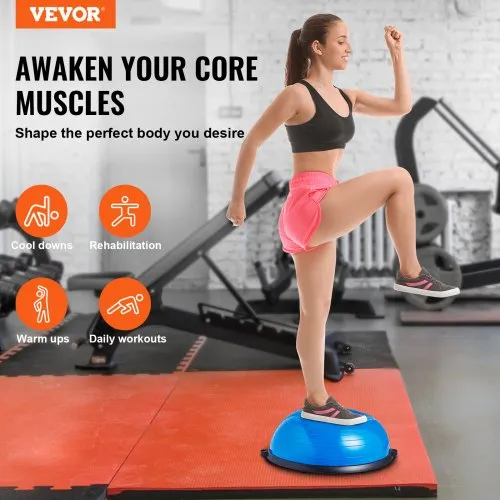
Credit: www.vevor.ca
Advanced Core Exercises
Advanced core exercises with a half gym ball challenge your balance and strength. These moves engage deep muscles that support your spine and improve stability. Using the half ball adds an unstable surface, making your core work harder. This increases muscle activation and improves coordination.
Try these exercises to build a stronger, more stable core. They target different muscle groups and help enhance overall fitness. Keep your form tight and control your movements for best results.
Plank On Half Ball
Place your forearms on the flat side of the half ball. Extend your legs back, keeping your body straight. Hold this position, engaging your core to stay balanced. The unstable surface forces your abs to work hard. Start with 20-30 seconds and increase time as you get stronger.
Russian Twists
Sit on the floor with the half ball under your lower back. Lean back slightly and lift your feet off the ground. Twist your torso from side to side, touching the floor beside you with your hands. This motion activates your obliques and challenges your balance. Aim for 15-20 twists on each side.
Mountain Climbers
Place your hands on the flat side of the half ball. Extend your legs back into a plank position. Drive one knee toward your chest, then switch legs quickly. Keep your core tight to stabilize your body on the ball. Perform for 30-45 seconds to boost endurance and core strength.
Incorporating Half Gym Ball Into Routine
Incorporating a half gym ball into your workout routine adds balance and core strength challenges. It improves coordination and activates muscles differently than traditional exercises. Using this tool regularly enhances stability and flexibility.
Half gym balls fit well in small spaces and suit all fitness levels. They help vary workouts and keep sessions interesting. Try simple moves first and build confidence before increasing difficulty.
Warm-up Techniques
Start with gentle movements to prepare your body. Use the half gym ball for light stretches and balance drills. Examples include seated pelvic tilts and gentle rocking side to side.
- Roll your hips slowly on the ball’s rounded side
- Perform ankle circles while sitting on the flat side
- Do gentle torso twists supported by the ball
These warm-ups activate core muscles and improve blood flow. They reduce injury risk and boost exercise effectiveness.
Combining With Other Equipment
Pair the half gym ball with tools like resistance bands or dumbbells. This adds variety and increases workout intensity. For example, hold dumbbells while balancing on the ball to engage more muscles.
- Use resistance bands for arm exercises while sitting on the ball
- Hold light weights during half ball squats for added strength
- Combine with yoga blocks to deepen stretches and balance
These combinations improve strength, balance, and coordination simultaneously.
Progression Tips
Increase challenge gradually to avoid strain and build strength steadily. Start with basic exercises and focus on form. Add time or repetitions as you improve.
- Shift from seated to standing balance exercises on the ball
- Increase hold time during balance poses
- Add light weights or resistance bands for extra resistance
- Try single-leg movements for advanced stability work
Track your progress and adjust your routine regularly for best results.
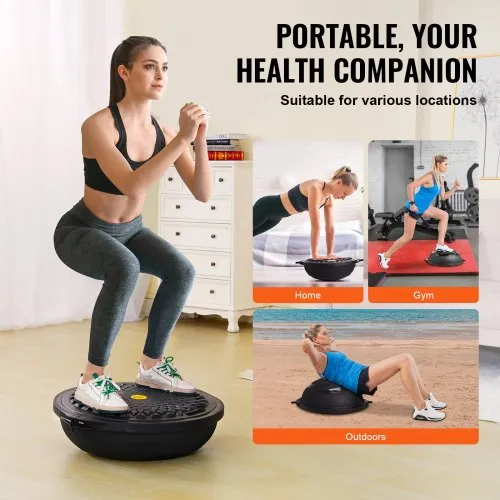
Credit: www.vevor.ca
Common Mistakes To Avoid
Half gym ball exercises can be highly effective, but they require attention to detail. Avoiding common mistakes will help you get better results and prevent injury. Let’s look at some frequent errors and how you can correct them.
Incorrect Posture
Maintaining the right posture is crucial during half gym ball exercises. Slouching or arching your back too much reduces the exercise’s effectiveness and can strain your muscles.
Keep your spine neutral and shoulders relaxed. Imagine stacking your head, shoulders, and hips in a straight line. Are you noticing any tension in your neck or lower back? That’s a sign to adjust your position.
Overusing The Ball
Using the half gym ball too often without breaks can lead to muscle fatigue and decreased performance. Your muscles need time to recover and adapt.
Balance your routine by alternating ball exercises with other workouts. Have you ever felt soreness that lasts more than a couple of days? That might mean you’re overdoing it with the ball.
Ignoring Breathing
Holding your breath during exercises is a common but harmful mistake. Proper breathing supports muscle engagement and helps maintain focus.
Try to breathe deeply and rhythmically—inhale during relaxation and exhale during exertion. Ask yourself: Are you breathing steadily, or holding your breath without realizing it? Correcting this can improve your stamina and control.
Tracking Progress
Tracking progress during your Half Gym Ball exercises is essential for staying motivated and seeing real improvement. Without monitoring your gains, it’s easy to lose focus or miss signs that your routine needs tweaking. Paying attention to how your body responds helps you push safely and effectively.
Measuring Core Strength
Core strength is the backbone of many Half Gym Ball exercises. You can measure it by timing how long you hold a plank position on the ball or counting repetitions of controlled crunches. Another way is to note how stable you feel during balance-focused moves.
Try testing yourself weekly and jot down your results. Are you holding the plank longer? Feeling less shaky? These small wins show your core is getting stronger, even if the scale doesn’t move.
Setting Realistic Goals
Goals keep your workouts focused, but they need to be achievable. Instead of aiming to do a full minute plank right away, start with 20 seconds and add 5 seconds each week. This gradual increase prevents frustration and injury.
Think about what you want to improve: endurance, balance, or flexibility? Write down your goals and review them every two weeks. Adjust as needed based on your progress and how your body feels.
Adjusting Workouts
As you track your progress, you’ll notice some exercises become easier. That’s your cue to add more challenge. You might increase reps, hold positions longer, or try more complex moves on the gym ball.
Don’t hesitate to mix in new exercises to keep things fresh. If you feel pain or excessive fatigue, scale back and focus on form. Listening to your body while adjusting your routine is key to steady improvement.

Credit: www.amazon.ca
Frequently Asked Questions
What Are The Benefits Of Half Gym Ball Exercises?
Half gym ball exercises improve core strength, balance, and flexibility. They also enhance posture and reduce injury risk. These exercises engage multiple muscle groups efficiently. They are ideal for rehabilitation and beginner workouts.
How Do I Perform Half Gym Ball Squats Correctly?
Place the half gym ball between your lower back and a wall. Slowly squat down, keeping knees aligned with toes. Maintain a straight back and engage your core. Rise back up smoothly to complete one rep.
Can Half Gym Ball Exercises Help With Back Pain?
Yes, half gym ball exercises strengthen core and back muscles. Stronger muscles support the spine and improve posture. This reduces strain and alleviates mild to moderate back pain. Always consult a professional before starting new exercises.
What Muscles Do Half Gym Ball Exercises Target?
Half gym ball exercises primarily target core muscles, including abs and lower back. They also engage legs, glutes, and stabilizer muscles. This promotes overall strength and balance. These exercises are effective for full-body conditioning.
Conclusion
Half gym ball exercises bring variety to your fitness routine. They improve balance and strength. These exercises are great for all fitness levels. They challenge your muscles in unique ways. You can try them at home or in the gym.
Remember to start slowly and focus on form. Consistency is key to seeing results. Listen to your body and adjust as needed. Make these exercises part of your weekly routine. Enjoy the benefits of a stronger, balanced body. Stay committed, and you’ll see progress over time.
Fitness is a journey, not a destination. Keep moving forward.







